How to Dispose Camping Toilet Bags Safely and Responsibly
How To Dispose Camping Toilet Bags
Camping gives us freedom and adventure. But it also means handling our own waste. Camping toilet bags are a smart, clean way to manage this. Still, many campers are unsure how to dispose of these bags properly. Wrong disposal can hurt the environment, spoil campsites, and even get you fined.
This guide will show you everything you need to know. You’ll learn how to choose the right bags, use them safely, and get rid of them the right way. It covers what many beginners miss, like local rules and hidden risks.
With this knowledge, you can keep nature beautiful and camp with confidence.
What Are Camping Toilet Bags?
Camping toilet bags are special bags for collecting human waste while outdoors. They are used when there’s no toilet nearby. Most bags have chemicals or powders inside. These turn waste into a gel and kill germs and smells.
There are two main types:
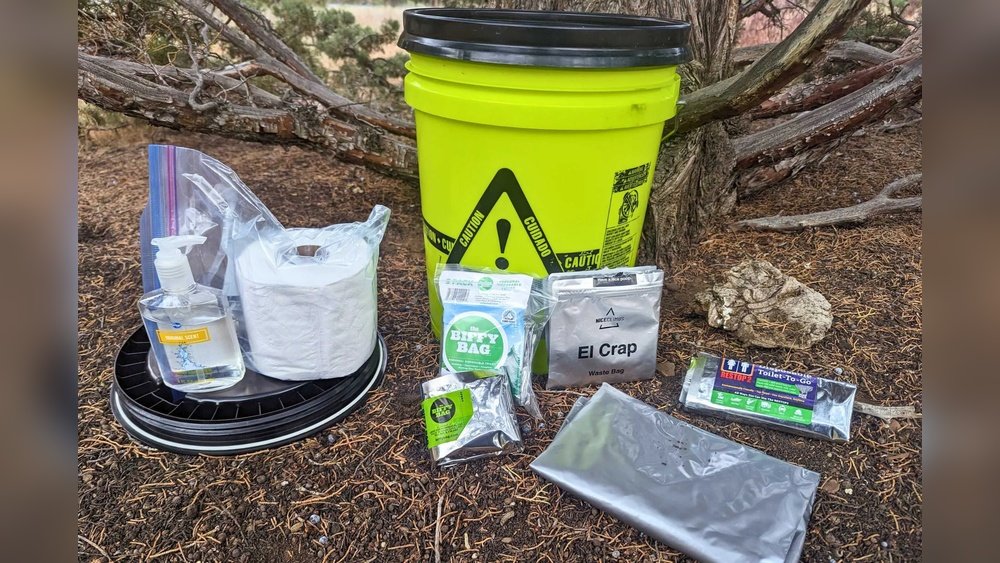
- WAG bags (Waste Alleviation and Gelling): These have powder to soak up liquid and control odor.
- Compostable bags: Made to break down faster in landfills, but not for home compost.
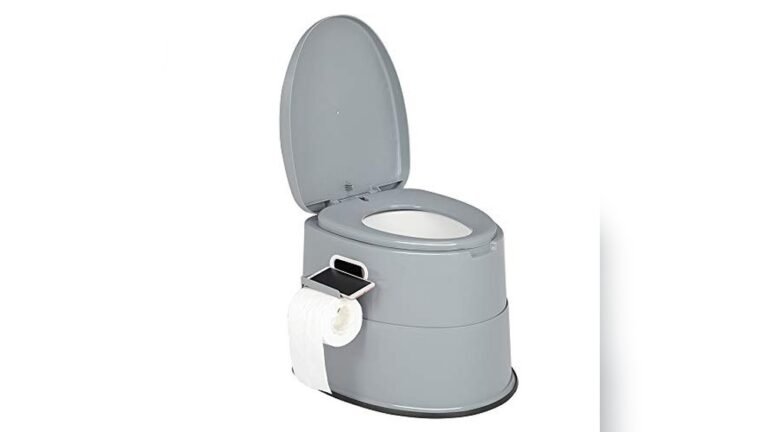
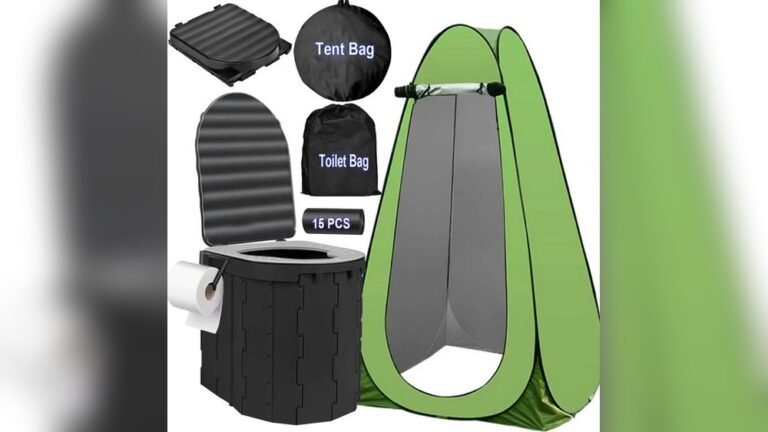
Some bags fit inside portable toilets or simple bucket seats. Others are used alone. Most are single-use and must be thrown away after each use.
Why Are They Important?
Leaving waste in nature spreads disease and pollutes water. Many parks now require you to pack out your waste. Using these bags keeps the outdoors clean for everyone.
Choosing The Right Camping Toilet Bag
All toilet bags are not equal. Picking the wrong one makes disposal harder and less safe.
Key Features To Look For
- Leak-proof material: Strong, double-layer bags stop leaks and tears.
- Odor control: Bags with gels or powders reduce smells.
- Legal for landfill: Make sure the bag is approved for regular trash.
- Easy to seal: Good bags have zip locks or twist ties.
- Size: Some bags are larger for groups or longer trips.
- Biodegradable options: These are better for the planet.
Popular Brands
Some trusted brands are:
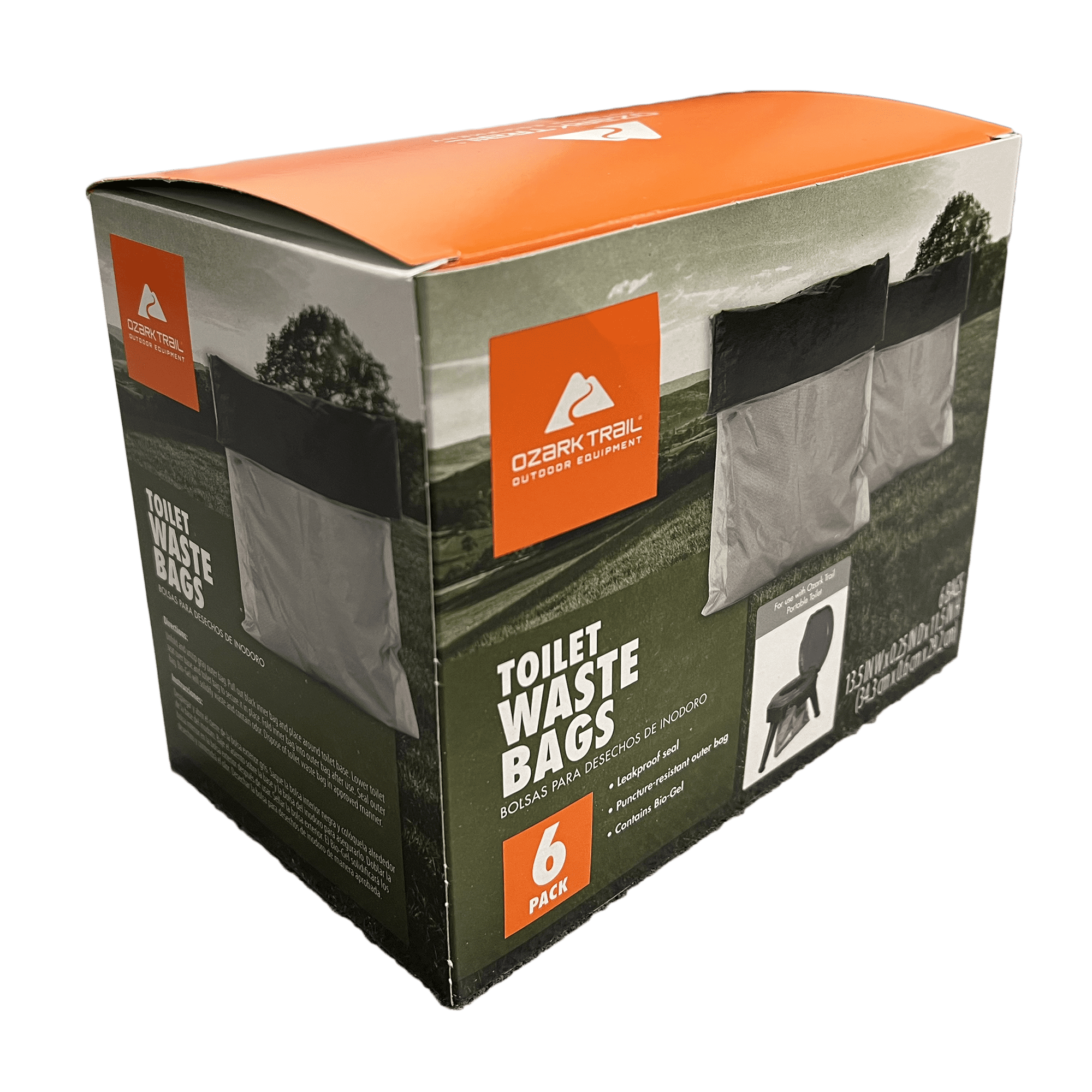
- Cleanwaste (WAG Bag)
- RESTOP
- Green Elephant
- Laveo Dry Flush
Not all bags are allowed everywhere. Some parks only allow certain types. Always check local rules before you buy.
Credit: www.walmart.com
How To Use Camping Toilet Bags
Using these bags is easy, but a few steps make it safer and cleaner.
- Set up your toilet: Place the bag in a portable toilet or bucket. If you don’t have one, squat over the bag carefully.
- Use the bag: Do your business into the bag. Try not to mix in trash.
- Seal the bag: Close the bag tightly. Use the provided seal or zip.
- Pack it out: Store used bags in a sturdy container or another bag. Keep them separate from food and gear.
Pro Tips
- Bring hand sanitizer.
- Use gloves for extra safety.
- Keep bags cool and out of the sun until you can throw them away.
Where Can You Dispose Of Camping Toilet Bags?
This is where most campers get confused. You can’t leave bags in the wild or bury them. Here are your main options:
1. Regular Trash Bins
Most camping toilet bags are made to go in regular trash bins. Look for these at:
- Campgrounds
- Gas stations
- Rest stops
But, never throw them in recycling or compost bins. Regular bins are best.
2. Special Dump Stations
Some parks and highways have human waste dump stations. These are found at:
- RV parks
- Some trailheads
- Large campgrounds
These are often marked on park maps. They are the safest option if available.
3. Home Garbage
If you can’t find a bin, take the bag home. Put it in your regular outdoor garbage can. Make sure the bag is well-sealed to avoid leaks or smells.
4. Local Regulations
Rules can change by state, park, or country. Some places ban certain chemicals. Others require certified bags.
Always check park websites or talk to rangers before your trip. Breaking these rules can mean big fines.
What Not To Do
Many beginners make mistakes that can harm the environment or break laws.
- Don’t bury toilet bags, even if they say “biodegradable.” Most bags need landfill conditions to break down.
- Never burn toilet bags. Burning releases toxins and does not destroy waste safely.
- Don’t flush bags down toilets unless the packaging says it is safe.
- Don’t hide bags under rocks, in trees, or in water.
These actions can spread disease and harm wildlife. They also create a bad image for campers.
Understanding The Environmental Impact
Human waste left in nature can take over a year to break down. It can pollute water, soil, and harm plants and animals. One gram of feces can have over one million bacteria.
Camping toilet bags help solve this problem, but only if used and thrown away properly. Some cities process waste in landfills at high temperatures, which kills germs. This is why landfill disposal is recommended for these bags.
Comparison: Types Of Camping Toilet Bags
Below is a simple comparison of popular bag types:
| Type | Odor Control | Biodegradable | Landfill Safe | Price Range |
|---|---|---|---|---|
| WAG Bag | Excellent | No | Yes | $$ |
| Compostable Bag | Good | Yes | Yes (check local laws) | $ |
| Double Layer Bag | Average | No | Yes | $ |
As you can see, most bags are safe for landfill, but not all are biodegradable. Always read the label.
Practical Examples Of Safe Disposal
Let’s look at two common camping scenarios:
Example 1: Backcountry Hiking
You are hiking in a national park with no toilets. The rules say you must pack out waste. You use a WAG bag, seal it, and carry it in a smell-proof bag. At the trailhead, you find a large trash bin and dispose of it there.
Example 2: Car Camping
You camp by your car in a busy state park. There are restrooms but they are closed at night. You use a compostable bag. In the morning, you check with the ranger. They tell you to put the bag in the campground’s trash bin, not recycling.
These examples show the steps: use, seal, and trash.
Common Mistakes And How To Avoid Them
- Choosing the wrong bag: Some use thin plastic bags that leak or tear. Always pick bags made for waste.
- Not sealing the bag: Always close the bag fully. If not, smells and germs can escape.
- Leaving bags behind: Never hide or bury bags. Take them with you to a proper bin.
- Confusing bins: Never put bags in recycling or compost. Use only regular trash or special dump bins.
- Ignoring local laws: Some parks ban certain bag types or chemicals. Check before you go.
How To Store Used Toilet Bags While Camping
If you can’t throw out your bag right away, store it safely. Use a second bag or hard-sided container. Keep it far from food and water.
Here are some tips:
- Use a smell-proof “odor barrier” bag.
- Store in your car trunk, not inside the cabin.
- Mark the container so others know what’s inside.
Storing bags right stops accidents and keeps your camp clean.

Credit: store.fourwheelcampers.com
Data: Camping Toilet Bag Usage And Waste
Here’s some data on how much waste campers generate and how bags help:
| Activity | Average Waste (per day) | Bags Needed | Potential Environmental Impact |
|---|---|---|---|
| Solo Backpacker | 1 bag | 1-2 | Low if packed out |
| Family of 4 (Weekend) | 4-6 bags | 6-8 | High if left behind |
| Group of 10 (3 days) | 30 bags | 35-40 | Severe if not disposed |
This shows why proper disposal is so important, especially for large groups.
Advanced Tips For Responsible Disposal
- Bring extra bags in case of emergencies or bad weather.
- Mark used bags with tape or a sticker.
- If you camp often, keep a small notebook to track where you dispose of waste.
- Share what you know with new campers. Teach them about Leave No Trace and safe disposal.
Laws And Regulations To Know
Many US parks now require campers to pack out their waste. For example, the Mount Whitney Trail in California gives out WAG bags with each hiking permit. Not using them can lead to fines.
In some countries, leaving waste is a crime. In others, only certain bags are legal. Always check local rules before your trip. The Leave No Trace Center for Outdoor Ethics is a good source for the latest info.
If you want to learn more about how to handle waste safely, the National Park Service has detailed guidelines.
How Camping Toilet Bag Disposal Helps Everyone
When you dispose of bags correctly, you help:
- Protect water from germs and pollution
- Keep animals and bugs away from camp
- Make trails cleaner for others
- Avoid fines and trouble with rangers
It’s a simple action, but it makes a big difference.

Credit: www.amazon.com
Frequently Asked Questions
What If I Can’t Find A Trash Bin Near My Campsite?
Seal your used bag tightly and carry it with you until you reach a proper trash bin. Store it in a smell-proof bag or hard-sided container.
Are Camping Toilet Bags Safe For Landfills?
Most quality bags are made to be safe for landfills. Always read the label and local rules. Some areas require special bags.
Can I Bury Or Burn Camping Toilet Bags?
No. Burying or burning bags is unsafe and often illegal. Always pack out and use a trash bin.
Do All Parks Require You To Use Camping Toilet Bags?
Not all parks require them, but many do, especially in sensitive or high-use areas. Check park rules before your trip.
What Should I Do If My Camping Toilet Bag Leaks?
Double-bag it right away. Put it in a sturdy, leak-proof container. Clean any gear it touched, and use gloves to stay safe.
Camping is better when everyone does their part. With the right knowledge, you can enjoy nature and leave it just as beautiful for the next person. Safe camping!