Biodegradable Camping Toilet Bags Guide: Eco-Friendly Solutions
Camping is a beautiful escape into nature. But what happens when nature calls? Not everyone likes to talk about it, but managing human waste is a real challenge outdoors. Biodegradable camping toilet bags are a smart, eco-friendly solution. They keep wild places clean and make your camping trip stress-free. If you want to learn how to use them, what to look for, and why they matter, this guide will answer all your questions.
What Are Biodegradable Camping Toilet Bags?
Biodegradable camping toilet bags are special bags designed for outdoor bathroom needs. Unlike regular plastic bags, they break down naturally over time. This means they do not harm the soil, water, or wildlife. These bags often come with chemicals or powders that turn liquid waste into a solid, control odor, and speed up decomposition.
You might hear them called “wag bags,” “poo bags,” or “portable toilet bags. ” They are popular with hikers, backpackers, RV owners, and anyone who camps in places without toilets.
Why Use Biodegradable Toilet Bags?
When you camp in nature, leaving no trace is important. Human waste can:
- Pollute water sources
- Spread disease
- Harm plants and animals
Traditional methods, like digging holes (cat holes), are not always allowed or safe. Some places are too rocky, snowy, or crowded. In these spots, toilet bags are the best option.
Biodegradable bags let you pack out your waste safely. They help protect the environment, follow local rules, and keep trails clean. Some parks and wild areas now require visitors to carry out all their waste.
How Do Biodegradable Camping Toilet Bags Work?
Using these bags is simple and hygienic:
- Open the bag and place it in a portable toilet seat or on the ground (following instructions).
- Do your business in the bag. Most bags can handle both liquid and solid waste.
- Seal the bag tightly. Some have double zippers for extra protection.
- Pack out the bag and dispose of it in a trash bin or special waste site.
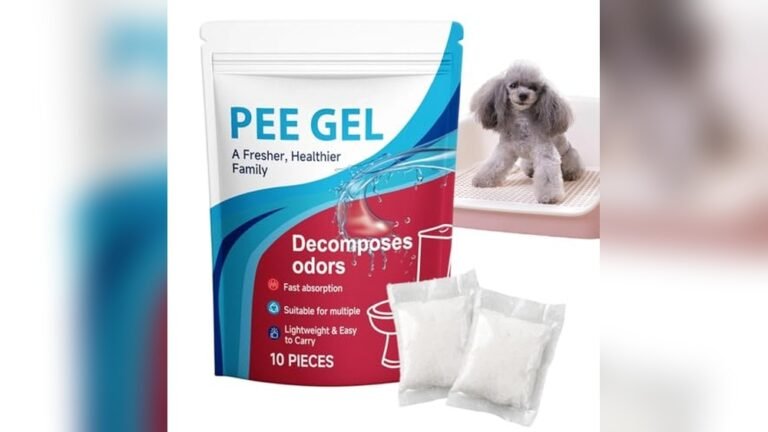
Many brands include a powder that absorbs liquid and stops smells. Others include wipes or hand sanitizer for easy cleaning.
Key Features To Look For
Not all toilet bags are the same. When choosing one, check these important features:
- Biodegradability: The bag and contents should break down naturally.
- Leak-proof design: Double-sealed or thick plastic prevents spills.
- Odor control: Powders or gels absorb moisture and block smells.
- Easy to use: Bags should open wide and seal easily.
- Capacity: Some bags are for single use, others can be used multiple times.
- Kit extras: Some kits include toilet paper, wipes, or disposal gloves.
Comparison Of Popular Biodegradable Camping Toilet Bags
Here’s a quick look at how top brands compare:
| Brand | Biodegradable? | Odor Control | Leak-Proof | Included Extras | Approx. Price (per bag) |
|---|---|---|---|---|---|
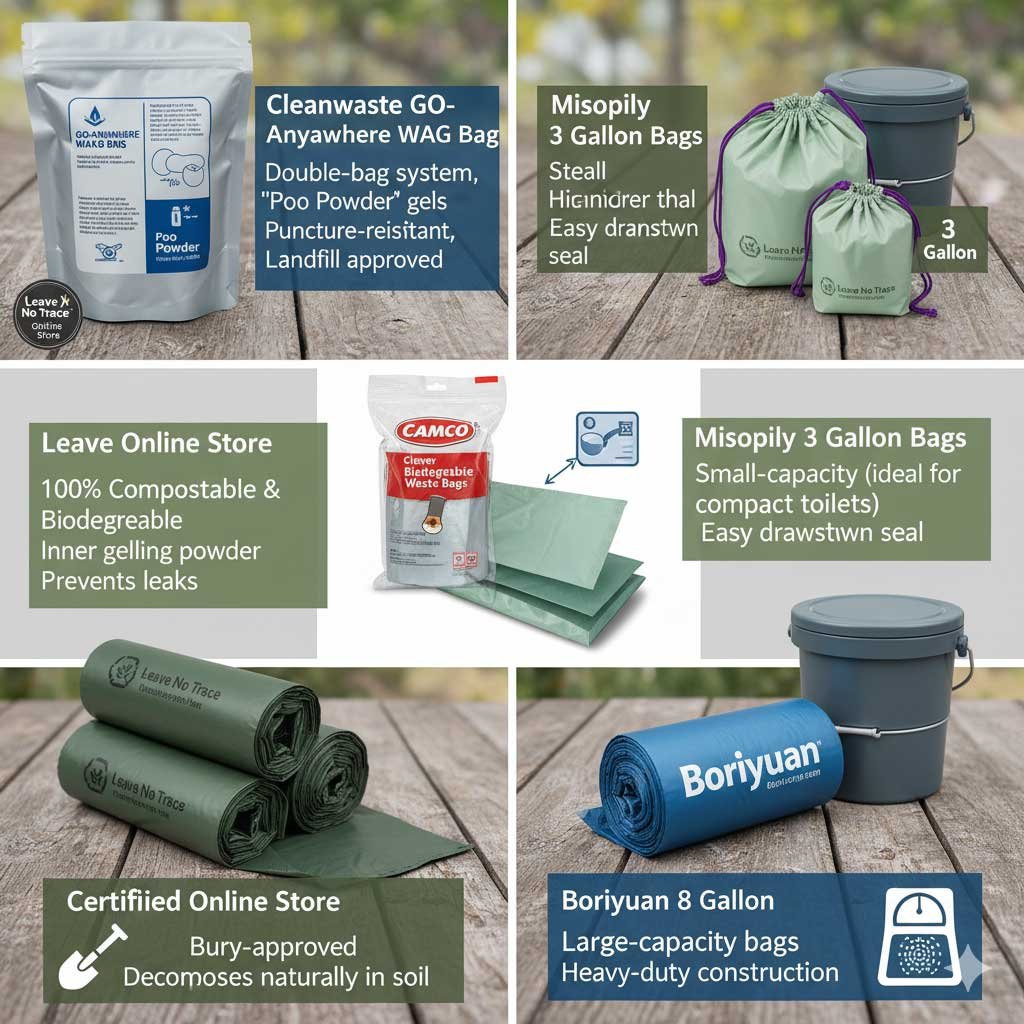
| Cleanwaste GO Anywhere | Yes | Gel powder | Double-sealed | Toilet paper, hand wipe | $2.50 |
| RESTOP 2 | Yes | Super absorbent | Double zip | Toilet paper, wipe | $2.30 |
| Green Elephant | Yes | Deodorizing powder | Heavy-duty plastic | Gloves | $1.80 |
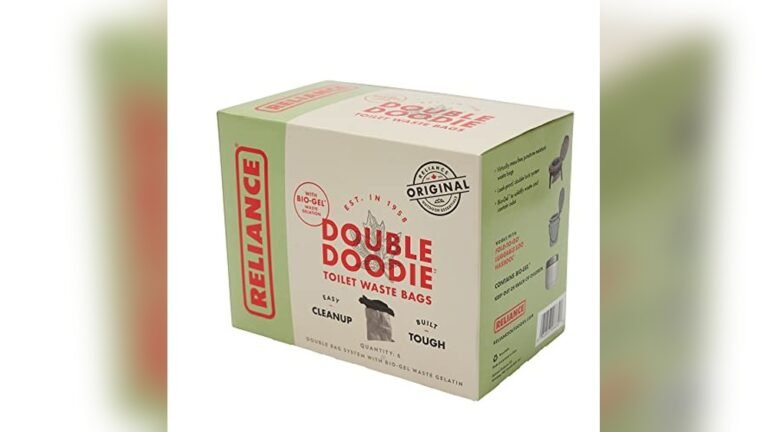
| Reliance Double Doodie | Yes | Gel powder | Leak-proof seal | None | $2.00 |
| Coghlan’s Toilet Bags | Yes | No | Single seal | None | $1.20 |
How To Use Biodegradable Toilet Bags Properly
Using these bags the right way keeps you clean and nature safe. Here’s a simple step-by-step:
- Pick a private spot at least 200 feet (60 meters) from water, trails, and campsites.
- Set up the bag in a portable toilet seat, bucket, or on flat ground.
- Do your business inside the bag. If using powder, sprinkle it before or after.
- Wipe and place used toilet paper in the bag.
- Seal the bag tightly, removing as much air as you can.
- Pack out the bag in a sturdy trash bag, away from food and gear.
- Dispose of the bag in a proper waste bin when you return.
Handy Tips
- Always carry extra bags in case of accidents.
- Use gloves for extra hygiene.
- Bring hand sanitizer to clean hands after use.
- Never bury or burn the bags; most need landfill conditions to break down.
Environmental Benefits And Facts
Many people worry about leaving a trace when camping. Regular plastic bags can last for hundreds of years. Biodegradable toilet bags break down much faster, often within 6 to 12 months, depending on conditions.
According to the Leave No Trace Center, human waste left in wild areas can take over a year to decompose and may pollute water for miles. Using toilet bags cuts this risk.
A study by the US National Park Service found that some high-use campsites had up to 100 times the safe level of bacteria from human waste. Biodegradable bags help solve this problem.
Where Are They Required?
Some places now require campers to pack out all human waste, including:
- National parks (like Zion and Denali)
- High mountain trails (such as Mount Whitney)
- Desert areas (Utah, Arizona)
- Popular climbing spots
Always check local rules before your trip. Fines can be heavy for breaking waste rules.
Credit: orizonbags.com
Pros And Cons
Before you buy, consider the benefits and downsides.
Advantages
- Eco-friendly: Break down faster than normal plastic.
- Convenient: Easy to use and carry.
- Odor control: Most have powders or gels to block smells.
- Legal: Meet rules in strict areas.
Drawbacks
- Cost: More expensive than digging a hole.
- Disposal: Must carry the bags until you find a trash bin.
- Not flushable: Do not put in toilets or compost piles.
Mistakes To Avoid
Even experienced campers make errors with toilet bags. Here’s what to watch out for:
- Using regular plastic bags: These do not decompose and are illegal in many parks.
- Throwing bags in nature: Even biodegradable bags need landfill conditions to break down.
- Forgetting to seal: Not closing the bag tightly can cause leaks and smells.
- Not packing extras: Always take more bags than you think you need.
Real-world Example: Backpacking The John Muir Trail
On the John Muir Trail in California, hikers must pack out all human waste in some areas. Many use Cleanwaste GO Anywhere bags. These bags are easy to carry, control odor, and meet park requirements. Hikers report that one bag is usually enough for one or two uses, thanks to the absorbent powder.
How To Choose The Right Bag For Your Trip
With many options, picking the right bag can be confusing. Here’s a quick guide:
| Trip Type | Best Bag Feature | Why It Matters |
|---|---|---|
| Short hike | Single-use, compact | Lightweight and easy to pack |
| Multi-day backpacking | Multi-use, odor control | Less weight, less smell in your pack |
| Family camping | Large capacity, easy seal | Simple for kids and adults |
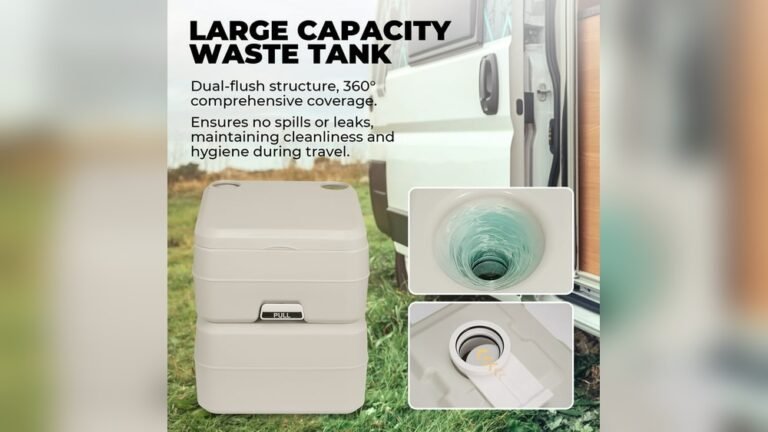
| RV or car camping | Fits portable toilets | Works with your setup |
| Winter camping | Works in cold | Powder must absorb well in low temps |

Credit: www.amazon.com
Non-obvious Tips For Beginners
- Test at home first: Practice using a bag before your trip. This reduces stress and surprises.
- Wrap used bags: Place full toilet bags in a second zip bag or odor-proof sack. This cuts smells in your pack.
- Check expiry dates: Some powders lose power after a year.
- Avoid sharp objects: Keep bags away from tent stakes or knives to prevent punctures.
- Use a privacy shelter: A pop-up tent or tarp gives privacy and comfort, especially for families.
Cost And Where To Buy
Most biodegradable toilet bags cost between $1 to $3 each. You can buy them:
- Outdoor stores (REI, Cabela’s)
- Online (Amazon, Walmart)
- Some park visitor centers
Buying in bulk often saves money.

Credit: www.amazon.com
What Happens To Bags After Disposal?
Many people wonder if biodegradable bags really break down in landfills. The answer is yes, but slowly. Landfills have the right mix of moisture and bacteria for decomposition. But the process can take several months.
Never flush these bags or put them in compost piles. They work best when disposed of with normal trash, following local waste rules.
For more on environmental standards, see the National Park Service guidelines.
Frequently Asked Questions
What Makes A Camping Toilet Bag “biodegradable”?
A biodegradable bag is made from materials that break down naturally. This happens through bacteria, heat, and moisture. It does not leave harmful microplastics or chemicals behind.
Can I Bury Biodegradable Toilet Bags?
No. Even though they break down, most need landfill conditions to decompose. Burying them in the wild can harm soil and water.
How Many Uses Does One Bag Give?
Most bags are for single use. Some larger bags can be used two or three times, but must be sealed well after each use.
Are Biodegradable Toilet Bags Allowed Everywhere?
Most US parks and wild areas accept these bags. Always check local rules before your trip. Some countries or parks have stricter waste laws.
Do I Need A Special Toilet Seat For These Bags?
No. You can use the bags by themselves, in a bucket, or with a portable toilet seat. A seat adds comfort, but is not required.
Camping should be fun and safe for you and nature. With the right biodegradable camping toilet bags, you can enjoy the outdoors while protecting the planet. Try them on your next adventure and see how easy responsible camping can be.