Portable Toilet Vs Bucket Toilet Difference: Which Is Better?
Have you ever needed a toilet while camping, traveling, or during a plumbing emergency? It can be stressful, even embarrassing, when there is no bathroom nearby. Many people try to solve this with either a portable toilet or a bucket toilet. But which one is better for you? If you’re confused about the differences, you’re not alone. Let’s clear it all up so you can pick the right option without any surprises.
What Is A Portable Toilet?
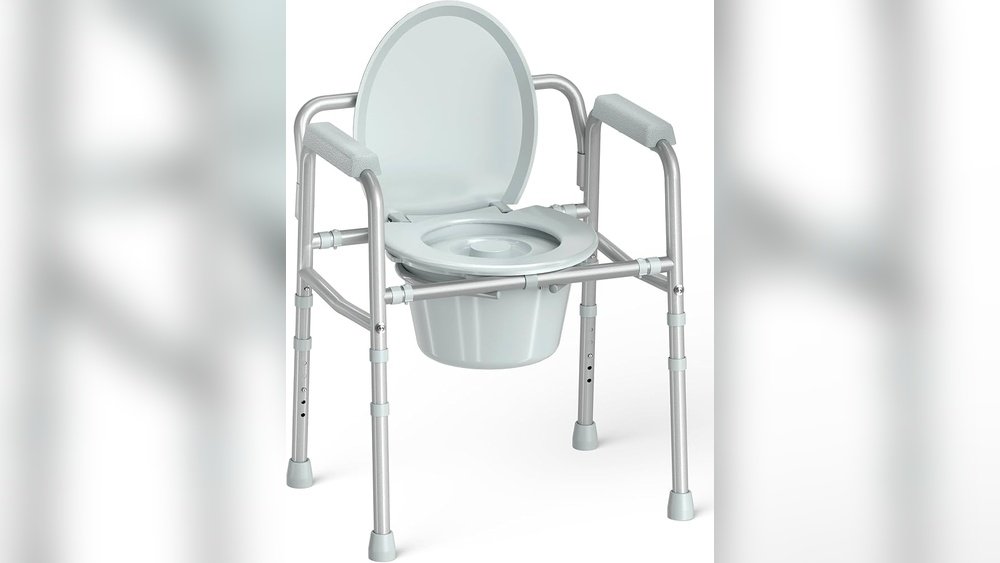
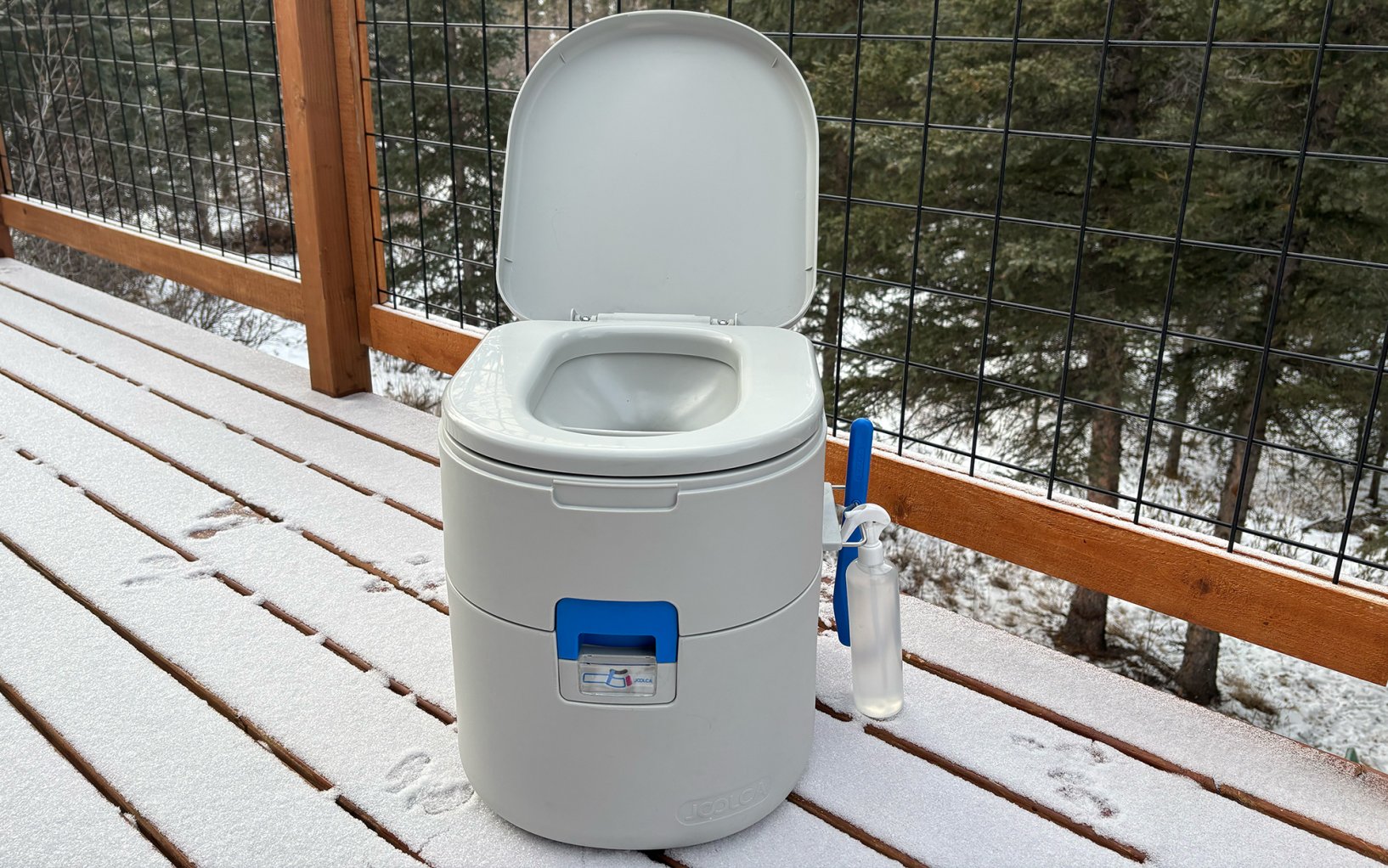
A portable toilet is a small, self-contained toilet you can move and use almost anywhere. Most have a seat, a lid, and a waste holding tank. Some use chemicals to control smells and break down waste. You’ll find them in RVs, boats, campgrounds, and at festivals.
There are different types. The most common is the cassette toilet, which has a removable waste tank. Another is the chemical toilet, which uses special liquids. Some advanced models even flush like a regular toilet. Portable toilets are designed for comfort and cleanliness.
What Is A Bucket Toilet?
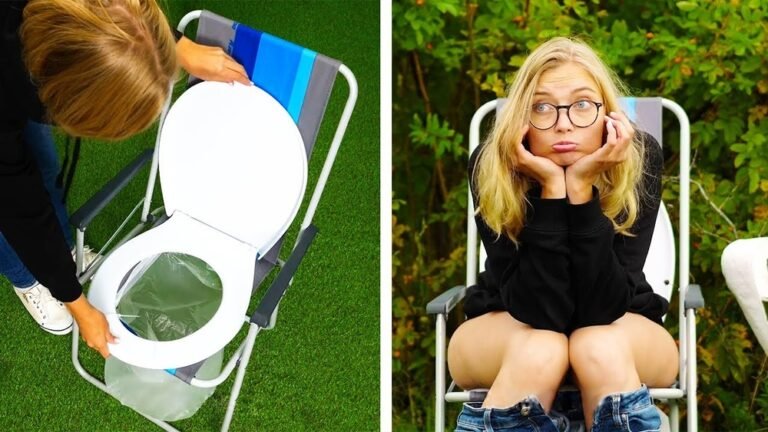
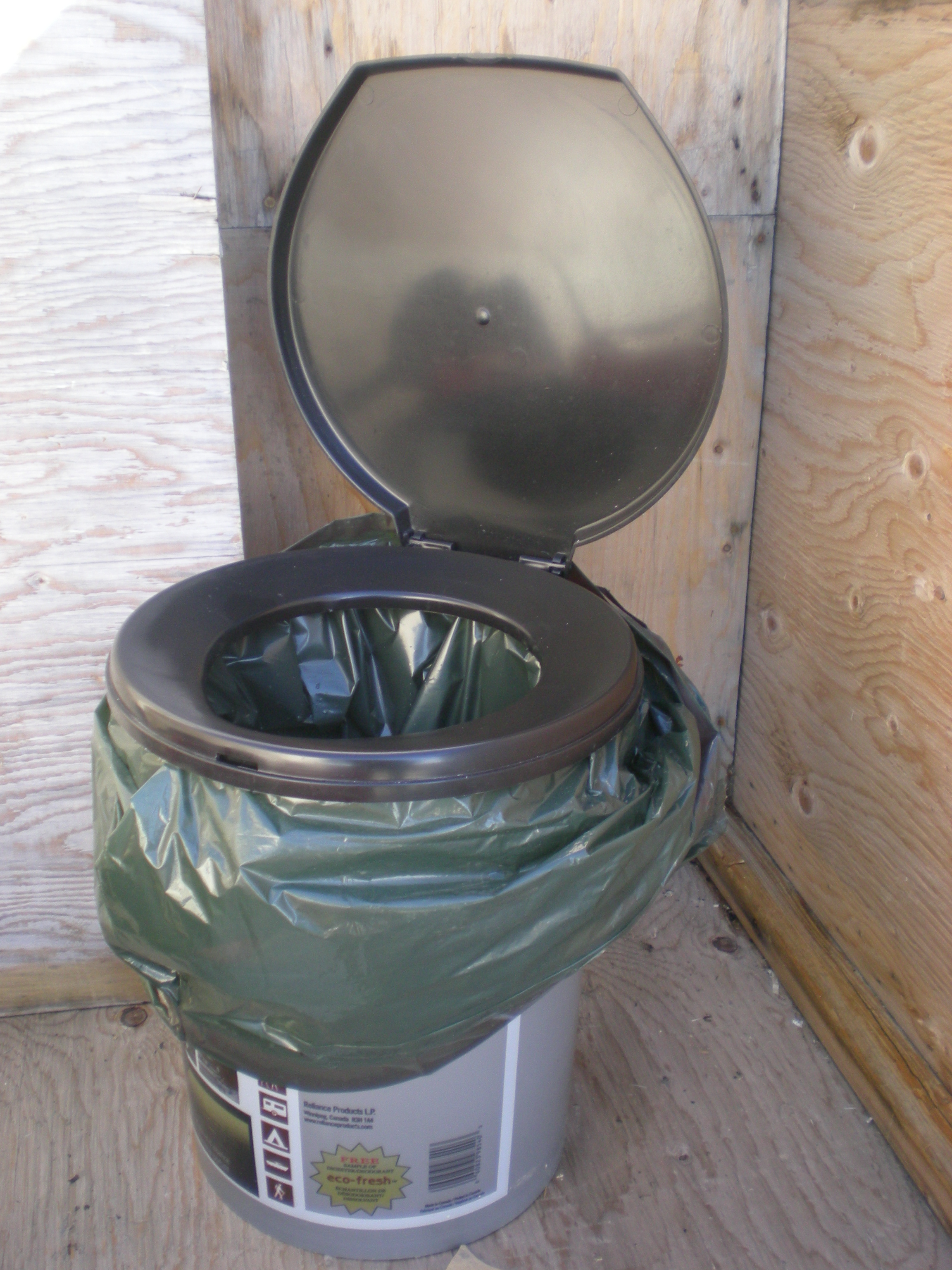
A bucket toilet is the simplest type of portable toilet. It’s usually just a 5-gallon bucket with a seat on top. Some people use a liner inside, like a plastic bag, to catch waste. Others add a layer of sawdust, kitty litter, or peat moss to help with smell and absorption.
Bucket toilets are popular with campers, tiny house owners, and people preparing for emergencies. They are cheap, lightweight, and easy to set up. But they have limits, especially for odor and cleaning.
Key Differences At A Glance
To help you see the main differences, here’s a quick comparison:
| Feature | Portable Toilet | Bucket Toilet |
|---|---|---|
| Cost | Higher ($50–$200+) | Very Low ($5–$30) |
| Setup Time | 5–10 minutes | 1–2 minutes |
| Odor Control | Good (chemicals or seals) | Poor to fair (needs litter or sawdust) |
| Cleaning | Easy, but needs dumping and rinsing | Very easy, just replace bag/liner |
| Comfort | Similar to home toilet | Basic, seat may be less comfortable |
| Capacity | Up to 5 gallons (20 liters) | Usually 5 gallons (20 liters) |
| Weight | Heavier (10–15 lbs empty) | Very light (2–3 lbs) |
| Disposal | Dump at RV station or toilet | Throw bag in trash (if allowed) |
Pros And Cons Of Portable Toilets
Let’s look at what makes portable toilets good or bad.
Pros
- Better odor control: Most use chemicals or seals to keep smells inside.
- Comfortable: Feels more like a regular toilet.
- Privacy: Many come with privacy tents or covers.
- Easy to clean: Waste is stored separately in a sealed tank.
- Safe for kids and older adults: Stable and less likely to tip.
Cons
- More expensive: Price is higher than a bucket toilet.
- Heavier and bulkier: Harder to carry and takes more space.
- Needs chemicals: You must buy or carry special liquids.
- Dumping waste: Some people dislike emptying the tank.
Credit: en.wikipedia.org
Pros And Cons Of Bucket Toilets
Bucket toilets are simple, but not perfect.
Pros
- Very affordable: Costs almost nothing to set up.
- Lightweight: Easy to carry, even for kids.
- Simple design: Fewer parts, less to break.
- Quick setup: Ready in minutes, anywhere.
- Flexible: Can use bags, sawdust, or kitty litter.
Cons
- Poor odor control: Smells can escape without good liners or cover.
- Less comfortable: Seat may not be as soft or stable.
- Messy disposal: Bags can leak or tear.
- Not for long-term use: Best for short trips or emergencies.
When Should You Use A Portable Toilet?
Portable toilets are best for:
- Camping with family: When you want comfort and privacy.
- Long road trips: Especially in RVs or boats.
- Special events: Like festivals or outdoor weddings.
- Emergency preparedness: For power outages or natural disasters.
- Construction sites: Provides a clean place for workers.
If you need a toilet for more than a day or want something close to a home toilet, portable toilets are usually the best choice.
Credit: www.outdoorlife.com
When Should You Use A Bucket Toilet?
Bucket toilets shine in these situations:
- Short camping trips: Especially for solo or lightweight travelers.
- Hiking or backpacking: When every pound counts.
- Tiny homes or off-grid cabins: As a backup toilet.
- Disaster kits: For short-term emergencies.
- Budget solutions: When money is tight.
If you need something fast, cheap, and simple, bucket toilets can save the day.
How To Use A Portable Toilet
Using a portable toilet is not hard, but there are steps for best results.
- Set up the toilet: Place it on a flat surface.
- Add chemicals: Pour chemicals into the waste tank as directed.
- Fill with water: Some models need water in the bowl.
- Use the toilet: Sit as you would at home.
- Flush: If your model has a flush, use it to rinse the bowl.
- Seal waste: The waste goes into a sealed tank below.
- Empty tank: When full, take the tank to a proper waste station.
- Clean and refill: Rinse the tank and add fresh chemicals.
Practical Tips
- Always keep extra chemicals and toilet paper.
- Never dump waste in nature or regular trash.
- Clean the toilet often to avoid smells.
How To Use A Bucket Toilet
Bucket toilets are even simpler:
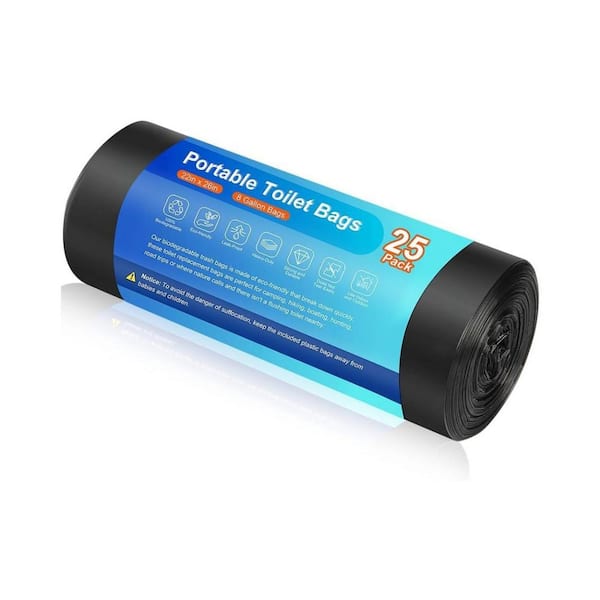
- Line the bucket: Use a thick plastic bag or compostable liner.
- Add absorbent material: Put sawdust, kitty litter, or peat moss inside.
- Place the seat: Use a snap-on seat or foam ring.
- Use the toilet: Sit carefully to avoid spills.
- Add more cover: Sprinkle sawdust or litter after each use.
- Seal the bag: When full, tie the bag tightly.
- Dispose properly: Follow local rules for trash or landfill.
Practical Tips
- Double-bag for extra safety.
- Keep a tight lid to block odors.
- Clean the bucket often with soap and water.
- Avoid filling bags too full; 2/3 is safest.
Environmental Impact
The effect on the environment is not the same for both toilets.
Portable toilets often use chemicals. If you dump the waste at the right station, there’s little harm. Some chemicals can damage nature if not handled right. Look for eco-friendly chemicals.
Bucket toilets can be greener, especially if you use compostable liners and natural cover like sawdust. Some people compost their waste, but this is only safe if you follow special rules.
Both types should never be emptied into rivers, lakes, or wild areas.
Comfort And Privacy
Many people worry about privacy and comfort.
- Portable toilets offer a real seat, a lid, and sometimes a flush. Some even come with a privacy tent.
- Bucket toilets are basic. You can buy a privacy tent, but the seat is usually not as nice. For longer use or for children, portable toilets are often better.
Cleaning And Maintenance
Cleaning is a big factor for most users. Here’s how they compare:
| Toilet Type | Cleaning Steps | Effort Level |
|---|---|---|
| Portable Toilet | 1. Empty tank at waste station 2. Rinse with water 3. Add chemicals |
Medium |
| Bucket Toilet | 1. Remove used bag 2. Wash bucket 3. Insert new bag |
Low |
Portable toilets need more steps, but the process is cleaner if you follow the rules. Bucket toilets are quick, but can be messier if bags leak.
Credit: www.homedepot.com
Real-world Examples
Let’s look at two real situations.
Family Camping Trip: The Smith family camps for a week every summer. They use a portable toilet with a privacy tent. The kids feel safe, and there are no bad smells. They empty the tank at the campground’s dump station.
Solo Backpacker: Jess hikes long trails and carries a bucket toilet with compostable liners. It’s light and packs small. Jess buries waste in approved spots or carries it out, following park rules.
Cost Breakdown
Here’s a simple cost comparison for one month of use:
| Item | Portable Toilet | Bucket Toilet |
|---|---|---|
| Starter Kit | $80 | $15 |
| Consumables (chemicals, bags, etc.) | $20 | $10 |
| Total First Month | $100 | $25 |
Bucket toilets are much cheaper upfront and for short trips. But for longer use, portable toilets give more comfort and fewer problems.
Common Beginner Mistakes
If you’re new to portable or bucket toilets, watch out for these:
- Not reading disposal rules: Each location has its own waste laws.
- Using the wrong chemicals or liners: This can cause leaks, bad smells, or even fines.
- Letting waste sit too long: This makes cleaning harder and increases odors.
- Overfilling: Both types work best if emptied before full.
Non-obvious Insights
- Seat Height Matters: Many portable toilets are higher and easier for older people to use. Bucket toilets can be low, making it harder for some users.
- Winter Use: Some chemicals in portable toilets can freeze. If you camp in cold weather, check if your toilet works below freezing.
Which Should You Choose?
If you want maximum comfort, better odor control, and don’t mind spending more, a portable toilet is best. It’s great for families, longer trips, and anyone who wants a “real” toilet feel.
If you want something quick, light, and cheap for emergencies or short trips, a bucket toilet is a smart choice. It’s also good for preppers and minimalists.
For more detailed information on portable toilet design and history, check the Wikipedia page on portable toilets.
Frequently Asked Questions
What Is The Main Difference Between A Portable Toilet And A Bucket Toilet?
A portable toilet has a sealed waste tank, uses chemicals, and often includes a flushing system. A bucket toilet is just a bucket with a seat and sometimes a liner—no tank or flush.
Is A Bucket Toilet Safe To Use Indoors?
Yes, if you use proper liners and manage smells with sawdust or kitty litter. Always seal and remove waste bags often to keep the space healthy.
How Do You Control Odor In A Bucket Toilet?
Use absorbent materials like sawdust, kitty litter, or peat moss. Change liners often and keep a tight lid on the bucket when not in use.
Can You Use Regular Trash Bags In A Bucket Toilet?
You can, but heavy-duty or compostable bags are better. Regular bags may tear or leak, leading to a mess.
Are Portable Toilets Allowed In All Campgrounds?
Most campgrounds allow portable toilets, but you must empty waste at proper stations. Always check local rules before you go.
Choosing between a portable toilet and a bucket toilet depends on your needs, budget, and how much comfort you want. Now, with all the facts, you can make the right choice for your next adventure or emergency.