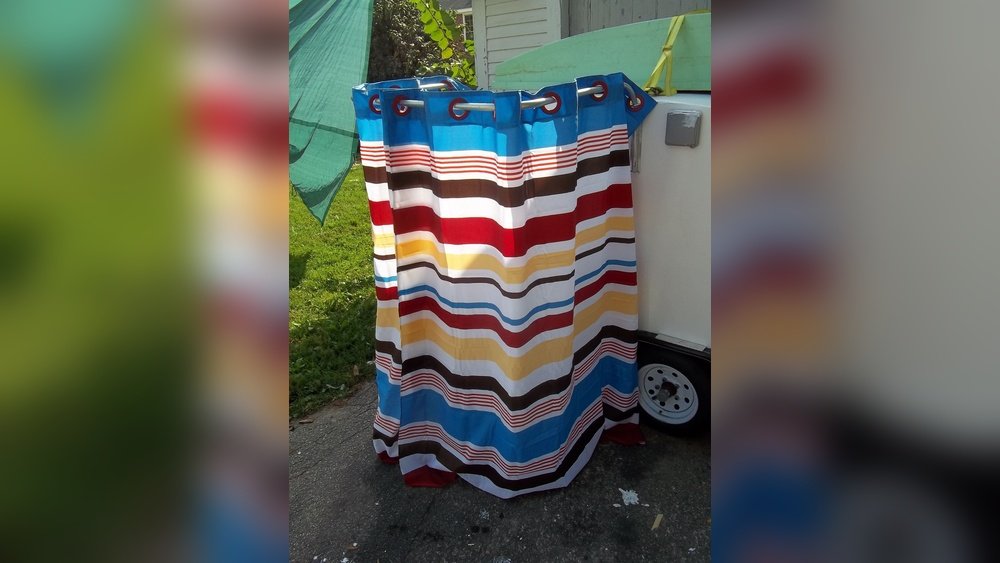
DIY Camping Toilet Tent: Easy Setup for Outdoor Comfort
Camping in nature is amazing, but when you need the bathroom, things get tricky. There’s nothing worse than searching for privacy in the dark, or feeling exposed behind a bush. Many campsites don’t have toilets. Even if they do, they’re often far away or dirty.
You deserve comfort, privacy, and a clean spot—no matter where you camp.
A DIY camping toilet tent is the answer. It’s simple to make, saves money, and lets you camp anywhere with peace of mind. This guide shows you everything: what you need, how to build one, and smart tips most beginners miss.
Why Make A Diy Camping Toilet Tent?
A camping toilet tent is not just about privacy. It solves real problems that many campers face:
- Hygiene: Keeps your bathroom area separate from your sleeping space.
- Privacy: No more worrying about people walking by.
- Convenience: Always close, day or night.
- Eco-Friendly: Lets you follow Leave No Trace rules by managing waste properly.
Buying a ready-made toilet tent can cost $50 to $150. Making your own can be under $30, sometimes even less.
What You Need For A Diy Camping Toilet Tent
You can build a simple toilet tent with basic materials. Most supplies are cheap and easy to find. Here’s what works best:
- Pop-up shower tent or large tarp
- Rope or paracord
- Tent stakes or pegs
- Portable camping toilet or bucket
- Trash bags (heavy-duty)
- Toilet paper or wipes
- Hand sanitizer or soap
- Small shovel or trowel (if you’re digging a hole)
- Clips or clothespins
- Duct tape
Quick Price Comparison
Here’s a look at how much building your own might cost:
| Item | DIY Option ($) | Store-Bought ($) |
|---|---|---|
| Pop-up Tent | 25 | 70 |
| Bucket Toilet | 7 | 30 |
| Other Supplies | 10 | 20 |
| Total | 42 | 120 |
You can save over $70 by making your own.
Choosing The Right Location
Picking the best spot for your toilet tent is important. Don’t just set up anywhere.
- At least 200 feet from water (lakes, rivers, streams)
- Downwind from your camp
- On flat ground
- Hidden from main trails or roads
- Not in a low spot (prevents flooding if it rains)
Pro tip: Always check local rules. Some parks require you to pack out all waste.
Step-by-step: How To Build A Diy Camping Toilet Tent
Let’s break it down into simple steps.
1. Set Up The Structure
You have two main choices:
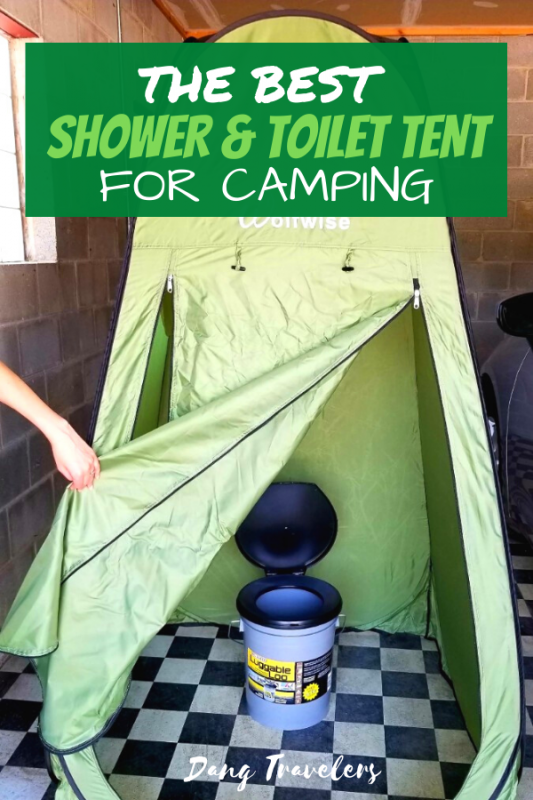
- Pop-up shower tent: Fast and gives instant privacy. Just open and stake it.
- Tarp shelter: More flexible and cheap. Use rope between two trees and hang a tarp for walls.
Example: Tarp Shelter Setup
- Tie a rope between two trees, about 6 feet high.
- Hang the tarp over the rope so it covers both sides.
- Use tent stakes to secure the tarp corners to the ground.
- Close off one end with another tarp if you want more privacy.
- Use clips or duct tape to hold things together.
2. Set Up The Toilet
The toilet is the heart of your setup.
- 5-gallon bucket: Cheap, strong, and easy to use.
- Portable toilet seat: Buy one or make a DIY seat from a pool noodle.
- Double-bag method: Place one trash bag inside another for extra strength.
If you want, add some kitty litter, sawdust, or dry peat moss at the bottom. This helps control smell.
3. Add Extras For Comfort
- Toilet paper holder: Hang a roll from a string or put it in a plastic box.
- Hand sanitizer: Hang a bottle inside the tent.
- Mat or small rug: Keeps feet clean.
- Light: A small LED lantern or headlamp inside helps at night.
4. Manage Waste Properly
Never just dump your waste. Here are safe options:
- Pack it out: Seal bags tightly and dispose in a trash can at home.
- Bury it: If allowed, dig a hole at least 6-8 inches deep and 200 feet from water sources.
Some campsites have special rules. Always check before you go.
Credit: www.dangtravelers.com
Common Diy Toilet Tent Mistakes (and How To Avoid Them)
Many first-timers make small errors that cause big problems. Here’s how to avoid the most common ones:
- Setting up too close to camp: Smells can drift, especially if the wind changes.
- Ignoring privacy angles: Make sure no one can see in from any direction.
- Forgetting extra trash bags: Always bring more than you think you’ll need.
- Not staking the tent well: Wind can blow your tent away.
- No night light: Stumbling in the dark is not fun or safe.
Non-obvious insight: Place a small bell or zipper on the tent door. It tells others someone is inside, avoiding awkward moments.
Comparing Popular Diy Toilet Tent Designs
Not all setups are the same. Let’s compare three main options:
| Design | Cost | Setup Time | Privacy | Best For |
|---|---|---|---|---|
| Pop-up Tent | $$ | 2 min | High | Families, frequent campers |
| Tarp Shelter | $ | 10 min | Medium | Solo, budget campers |
| DIY PVC Frame | $$$ | 20 min | High | Long stays, groups |

Credit: www.youtube.com
Making A Pvc Frame Toilet Tent
If you want something sturdy, try a PVC frame toilet tent. It costs a bit more but lasts longer and handles wind well.
What You Need:
- 1-inch PVC pipes (about 20 feet, cut to size)
- 8 corner connectors
- 4 T-joints
- Large tarp or shower curtain
- Zip ties
Steps:
- Cut the PVC into 4 pieces (6 feet each) for the sides, and 4 pieces (3 feet each) for the top/bottom.
- Connect pipes using corners and T-joints to make a rectangular frame.
- Drape tarp or shower curtain over the frame.
- Attach with zip ties or clips.
- Stake the frame to the ground for stability.
Pro tip: Mark your pipes with colored tape for easy setup next time.
Practical Tips For Comfort And Cleanliness
- Use sawdust or cat litter to cover waste. This reduces smell and helps composting.
- Bring a separate bag for used toilet paper or wipes.
- Use eco-friendly soap for hand cleaning.
- Hang a small air freshener or put baking soda in the tent.
- If camping in cold weather, insulate the toilet seat with a fabric cover.
Non-obvious insight: Place a small mirror inside. It helps with grooming and makes the tent feel less cramped.
Packing Up: Leave No Trace
When you break camp, make sure you:
- Remove all trash, including used bags and wipes.
- Wipe down the tent and toilet with disinfectant.
- Check the ground for spills or trash.
- Pack out all waste if required by park rules.
Being responsible keeps nature beautiful for everyone.
Safety And Hygiene Facts
Did you know that improper human waste disposal is a top cause of water pollution at campsites? According to the Leave No Trace Center for Outdoor Ethics, campers should always use toilets or pack out waste. It keeps animals and water sources safe.

Credit: plattar.com
When A Diy Toilet Tent Isn’t Enough
In some cases, you might need to upgrade:
- Large groups: Multiple tents or bigger setups are better.
- Extreme weather: Buy a strong, weatherproof tent.
- Long trips: Use a full portable toilet with chemicals.
If you camp in sensitive areas, always check park or forest rules. Some places ban digging holes or require special bags.
Where To Learn More
For more on responsible camping and waste management, visit the Leave No Trace Center.
Frequently Asked Questions
How Do I Control Smells In A Camping Toilet Tent?
Use absorbents like cat litter or sawdust in the bag or bucket. Always double-bag waste. Air out the tent daily and use baking soda or a hanging air freshener for extra help.
Is It Legal To Use A Diy Camping Toilet Tent Everywhere?
Not always. Some parks and wilderness areas require you to pack out all waste. Always check local rules before your trip.
How Do I Keep My Toilet Tent Clean?
Wipe surfaces with disinfectant wipes after each use. Change bags often. Use a mat for your feet and avoid bringing muddy shoes inside.
What Can I Use If I Don’t Have A Pop-up Tent?
A large tarp or even bedsheets hung between trees work well. Just make sure the sides go down to the ground for privacy.
Can I Shower In My Toilet Tent Too?
It’s possible, but not recommended. Mixing shower water and toilet waste can be messy and unsafe. Use a separate tent or area for showers if you can.
Camping should be comfortable and stress-free. With your own DIY camping toilet tent, you get privacy, hygiene, and peace of mind—anywhere your adventure takes you. Happy camping!