Portable Toilet Waste Disposal Near Me: Fast and Easy Solutions
If you’ve ever used a portable toilet—at a campsite, outdoor event, or on the road—you know what nobody likes to talk about: toilet waste disposal. It’s awkward, sometimes smelly, and often confusing. Where do you actually take the waste? Is there a legal way to do it near you? Searching for portable toilet waste disposal near me can be stressful, especially when you’re new to it or far from home. The good news is, you’re not alone, and there are easy, safe solutions.
Why Proper Disposal Matters
Dumping portable toilet waste in the wrong place isn’t just unpleasant—it’s illegal in most areas. Improper disposal can pollute water, harm wildlife, and create health risks. Many parks and camps now check if people follow rules. If not, you may get a fine or even be banned from returning.
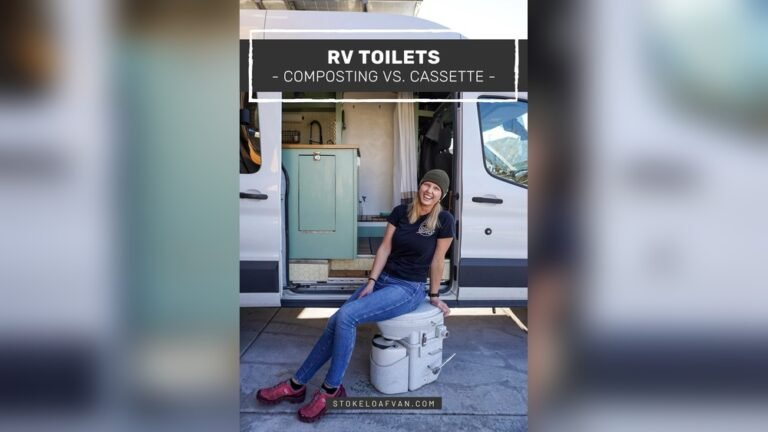
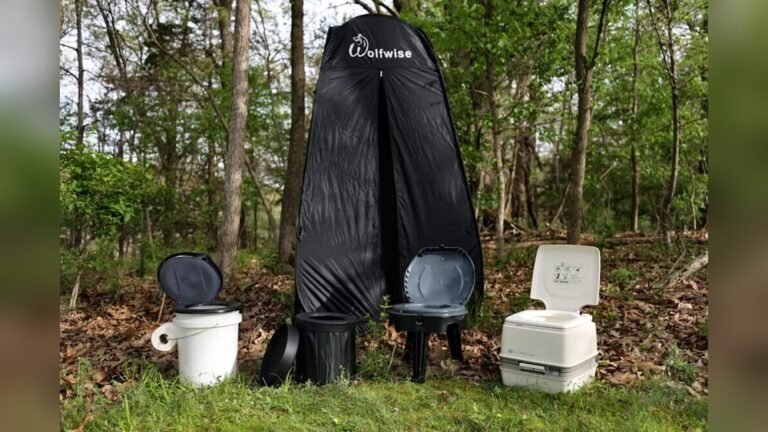
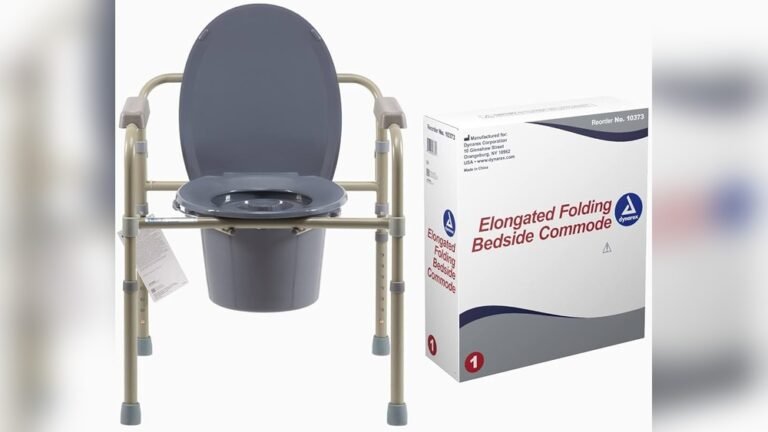
Common Types Of Portable Toilets
Before you find a disposal site, it helps to know what kind of portable toilet you have. This affects how you empty it.
| Type | Where Used | Typical Waste Capacity |
|---|---|---|
| Cassette Toilet | RVs, Campervans | 2-5 gallons |
| Portable Camping Toilet | Tents, Small Campers | 2-3 gallons |
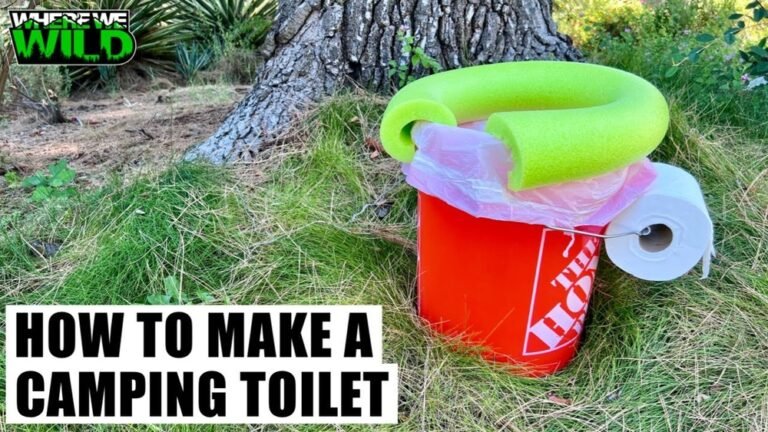
| Bucket Toilet | Emergency, Boating | Up to 5 gallons |
| Composting Toilet | Off-grid, Eco-camps | Varies |
Key Insight
Many beginners think all portable toilets are emptied the same way. They’re not. Cassette toilets need special dump stations. Composting toilets often need a separate solid waste bin.

Credit: www.lrsrecycles.com
Where To Find Portable Toilet Waste Disposal Near You
Most people want a quick, legal, and clean place to empty their portable toilet. Here are the best options:
1. Rv Dump Stations
These are the most common and safest places. They’re found at:
- Campgrounds
- RV parks
- Some highway rest stops
- Large truck stops
You can usually search online maps or use apps to find one nearby. Most cost $5–$15 per use.
2. Public Campgrounds
Many state and national park campgrounds have dump stations. Some allow use even if you’re not camping there. Always ask first—some sites are for registered guests only.
3. Marine Pump-out Stations
If you’re boating or near water, these stations are for boat toilets but often allow portable toilets too. They’re common near marinas and lakes.
4. Wastewater Treatment Plants
Some cities allow the public to empty portable toilets at their facility. You may need to call ahead. This is less common, but it’s worth checking if you’re near a city.
5. Portable Toilet Service Companies
These companies usually rent out large porta-potties, but some offer a drop-off service. You bring your waste, and they handle the rest (for a fee).
6. Authorized Public Restrooms
A few large gas stations and travel centers allow RV or portable toilet dumping for a fee. Look for signs or ask inside. Never pour waste into a public toilet unless you are sure it’s allowed.
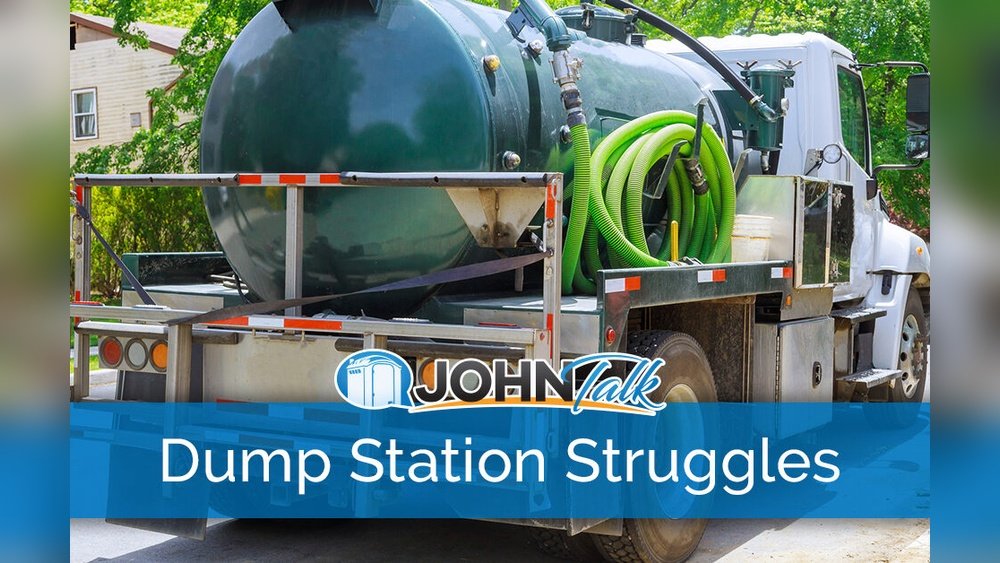
7. Mobile Waste Pump-out Services
Some areas offer a service that comes to you. They pump out your toilet on-site (like at a campsite or event). This is more common in busy RV parks or festivals.
8. Local Landfill Sites
Some landfill or transfer stations have special dump points for chemical toilet waste. Check the rules first—never assume all landfills accept this.
How To Search For Disposal Sites Near You
If you’re wondering, “How do I actually find these places?”—you’re not alone. Here’s a simple process:
- Use Google Maps or Apple Maps. Type “RV dump station near me” or “portable toilet waste disposal near me.”
- Try apps like Sanidumps, RV Dump Stations, or Campendium. These apps show real-time locations and reviews.
- Visit official park websites. They often list facilities and rules.
- Call local RV parks, marinas, or city halls for info.
Common Mistake
Many people think any sewer grate or storm drain is OK for disposal—it’s not! This is illegal and dangerous. Always use authorized sites.
What To Expect At A Dump Station
If you’ve never emptied a portable toilet before, the process can feel intimidating. Here’s what you’ll usually find at a typical dump station:
- A concrete pad with a large covered drain
- A water hose for rinsing (sometimes non-potable—don’t drink it)
- Trash bins for gloves or wipes
Some stations are very basic, while others are clean and modern. Many have instructions posted.
Example Experience
At a busy state park, you might wait in line with other RVs. At a rural rest stop, you could be the only one there. Always take your time and follow the posted rules.
Step-by-step: How To Dispose Of Portable Toilet Waste Safely
- Wear disposable gloves. Waste is unsanitary—protect your hands.
- Move your toilet waste tank to the dump station. Most have handles or wheels.
- Open the waste tank cap and carefully pour the contents into the station drain.
- Rinse the tank with water (use the station hose if available).
- Add chemicals or deodorizer if your toilet requires it.
- Wash your hands with soap and water after finishing.
Insider Tip
Bring your own sanitizer and paper towels. Some stations run out, especially during busy weekends.
Disposal Costs And What’s Included
Not all dump stations are free. Here’s a comparison of typical costs and what you get.
| Type of Facility | Cost Range | Includes Rinse Water? | Open Year-Round? |
|---|---|---|---|
| RV Parks | $5–$15 | Yes | Usually |
| State Parks | Free–$10 | Often | Seasonal |
| Truck Stops | $10–$20 | Yes | Yes |
| Marinas | Free–$15 | Sometimes | Seasonal |
Rules And Laws You Must Follow
Disposal laws are strict for a reason. Here are key rules:
- Only use designated dump stations.
- Never dump waste in storm drains or on the ground.
- Use chemicals that are safe for septic systems.
- If in doubt, ask the facility manager.
Breaking these rules can lead to big fines—sometimes over $500.
Credit: support.joolca.com
What If There Are No Disposal Sites Nearby?
Sometimes, You’re Far From Any Station. What Should You Do?
- Wait until you find a legal site. Don’t dump illegally.
- Store waste in a sealed tank until you reach a dump point.
- Reduce use if your tank is almost full (use public toilets, if possible).
Non-obvious Insight
Many people don’t realize: some small towns allow dumping at their city wastewater plant, but you have to call ahead. Always check first.
Mistakes To Avoid
Here are common errors beginners make:
- Using the wrong chemicals (some harm the environment or clog pipes)
- Dumping waste in regular trash bins (illegal in most places)
- Not rinsing tanks fully (leads to bad smells and clogs)
- Ignoring posted rules (each site is different)
Keeping It Clean: Hygiene And Safety
Handling portable toilet waste sounds gross, but it doesn’t have to be risky. Follow these simple safety steps:
- Wear gloves every time.
- Don’t touch your face while emptying tanks.
- Disinfect your hands and equipment after each use.
- Store tanks securely to prevent leaks.
Many cases of stomach illness at camps come from poor hygiene during waste disposal—not from the campsite itself.
Eco-friendly Disposal Tips
It’s possible to be kind to nature, even when dealing with waste.
- Use biodegradable chemicals that won’t harm septic systems.
- Never dump near water sources.
- Clean up any spills immediately.
- Consider a composting toilet if you camp off-grid often.
Some companies now collect and process portable toilet waste to make fertilizer or energy.
How To Prepare For Your Next Trip
Don’t wait until your tank is full to think about disposal. Here’s how to be ready:
- Research dump stations along your route before you leave.
- Carry disposable gloves, sanitizer, and a small toolkit.
- Keep a list of apps or websites handy for emergencies.
- Empty your toilet before traveling long distances.
Extra Tip
If traveling in a group, agree on a disposal plan. This avoids last-minute stress.
Useful Resources
For more help, visit the US National Park Service’s guide to responsible waste disposal: NPS Responsible Waste Disposal.

Credit: blueboxhire.co.uk
Frequently Asked Questions
What Chemicals Should I Use In My Portable Toilet?
Use RV-safe or biodegradable chemicals. These break down waste and control odor. Avoid anything with formaldehyde, as it’s banned in many places.
Can I Dump Portable Toilet Waste At Home?
Usually, no. Most cities do not allow dumping waste into a home toilet or drain. Always check local rules first.
How Often Should I Empty My Portable Toilet?
For most toilets, empty every 2–3 days or when two-thirds full. Waiting longer increases odor and makes cleaning harder.
Are There Any Free Dump Stations?
Yes, some public rest stops, parks, and marinas offer free dump points. Always look for signs or ask staff before using them.
What If My Portable Toilet Leaks?
Stop using it immediately. Empty and clean the tank, then check seals and fittings. Many leaks come from loose caps or worn-out seals—replace them as needed.
Handling portable toilet waste isn’t fun, but it’s easy when you know where to go and what to do. By following these steps, you’ll stay legal, safe, and stress-free—so you can focus on enjoying your time outdoors.