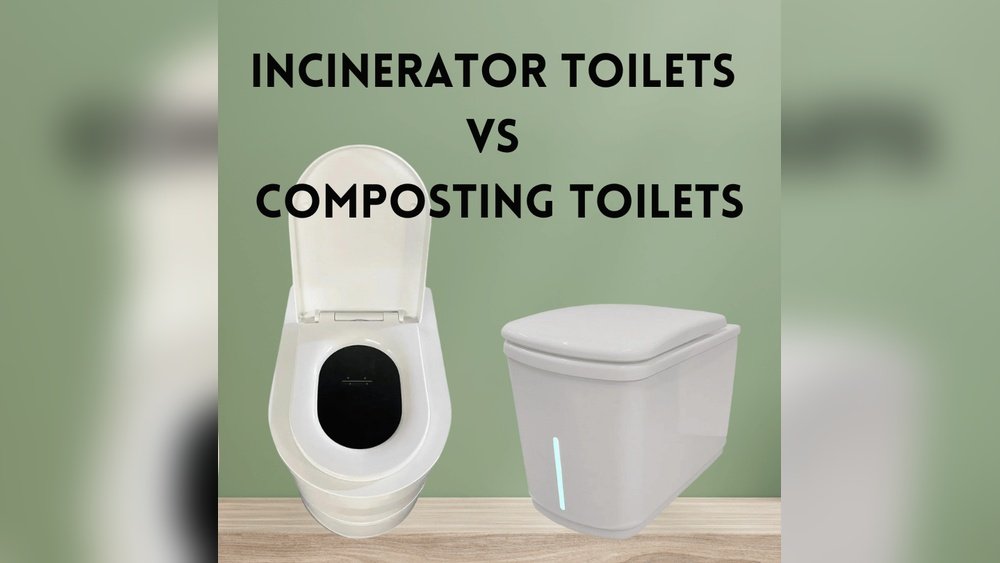
Composting Toilet Vs Macerating Toilet: Which Is Best for You?
Many people want a simple, eco-friendly toilet for their cabin, RV, or off-grid home. But when you start searching, things get confusing fast. Should you choose a composting toilet or a macerating toilet? Each has strong points and weak spots. Make the wrong choice, and you could face bad smells, tricky maintenance, or expensive mistakes.
Let’s break down the real differences, so you can pick the right toilet without regret.
What Is A Composting Toilet?
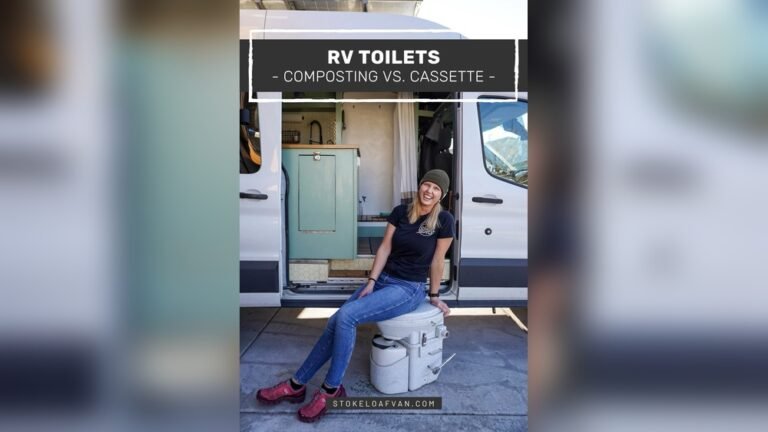
A composting toilet turns human waste into compost using no water or very little water. It is common in cabins, tiny houses, boats, and places with no sewer or septic system.
These toilets use bacteria and air to break down waste. Most models separate liquids and solids. The main parts are:
- A seat and bowl
- A container for solids
- A container or hose for liquids
- A vent fan or pipe
You add bulking material, like peat moss or coconut coir, after each use. This helps control smell and speeds up composting.
How Composting Toilets Work
When you use the toilet, liquids and solids go into different containers. The solids mix with bulking material. Over time, air and bacteria break the waste down. You need to empty the liquids often (every few days) and the solids less often (every few weeks).
Some models use electricity for a fan. Others are fully manual.
What Is A Macerating Toilet?
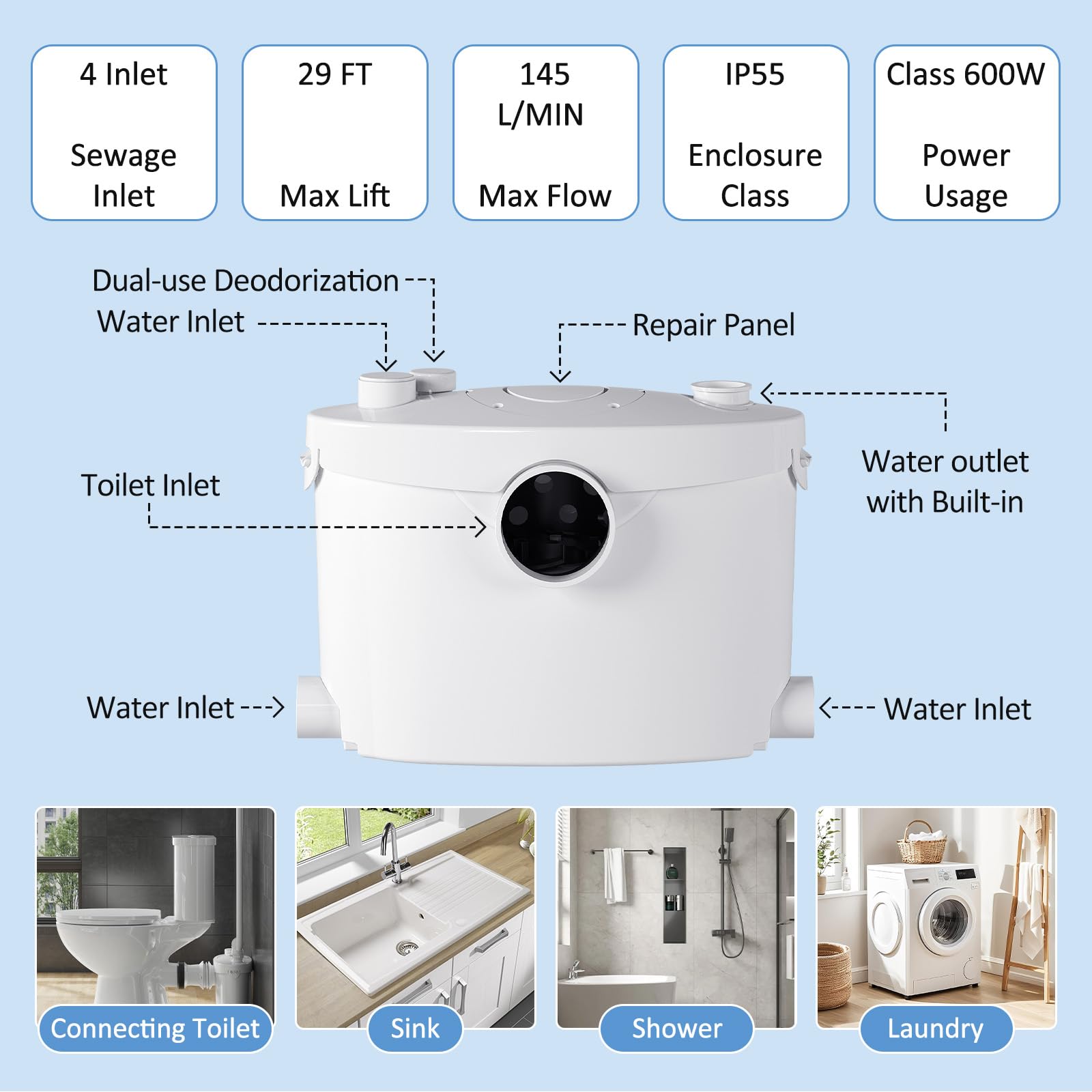
A macerating toilet (also called an upflush toilet) looks much like a regular toilet. The big difference is what happens after you flush.
Instead of sending waste down a large pipe, a macerating toilet uses sharp blades to chop up solids and toilet paper into a slurry. This slurry is then pumped through small pipes (often as small as 3/4 inch) to the main sewer or septic line.
How Macerating Toilets Work
- You flush the toilet.
- Waste and water go into a small tank behind the toilet.
- Blades spin and chop up waste.
- A pump pushes the slurry through small pipes.
This lets you install a toilet far from the main drain or even below sewer level (like in a basement).
Head-to-head: Composting Toilet Vs Macerating Toilet
Now, let’s compare the two on key points that matter most to users.
Installation
Composting Toilet:
- No plumbing needed for most models.
- No water line required.
- Needs only a vent (can be a simple pipe).
- Can be installed almost anywhere (cabins, RVs, boats, off-grid).
- Some models need electricity for a small fan.
Macerating Toilet:
- Needs water supply and electricity.
- Must connect to a drain or sewer line (but uses small pipes).
- Usually easier than installing standard plumbing, but not “plug and play.”
- Best for homes, basements, or places with limited access to main pipes.
Non-obvious insight: Composting toilets are easier to move or relocate. If you change your setup, you can pick up and reinstall them with minimal work.
Cost Comparison
Here’s a quick look at the typical costs:
| Toilet Type | Unit Cost (USD) | Install Cost (USD) | Ongoing Costs |
|---|---|---|---|
| Composting | $900 – $2,000 | $0 – $200 | Bulking material, emptying |
| Macerating | $700 – $1,500 | $300 – $800 | Power, water, pump repairs |
Composting toilets often have a higher upfront cost, but lower install fees. Macerating toilets can be cheaper to buy, but installation and repairs may add up.
Everyday Use
Composting Toilet:
- You add bulking material after each use.
- Needs regular emptying (liquids every few days, solids every few weeks).
- No handle to flush.
- Dry system: No water used.
Macerating Toilet:
- Works like a normal toilet: Sit, flush, done.
- No extra steps for the user.
- Uses water (about 1-1.5 gallons per flush).
- You may hear a noise when the pump runs.
Non-obvious insight: Composting toilets can be tricky for guests. If you have lots of visitors, be ready to explain how to use it.
Maintenance
Composting Toilet:
- Empty liquids container often (to avoid smell).
- Solids container needs emptying and cleaning.
- Check vent and fan.
- Add bulking material.
- No moving parts to break.
Macerating Toilet:
- Clean and descale pump (limescale can build up).
- Pump may jam if non-toilet paper items are flushed.
- Pump and blades can fail (repair needed).
- Needs electricity and water to run.
Practical tip: With macerating toilets, only flush toilet paper and human waste. Wipes, feminine products, or cotton can jam the blades.
Odor Control
Composting Toilet:
- Relies on venting and bulking material to stop smells.
- If managed well, odor is very low.
- Poor management (not enough bulking material or emptying) can lead to strong smells.
Macerating Toilet:
- Smells like a normal toilet if used properly.
- If pump fails or leaks, smells can escape.
Environmental Impact
Composting Toilet:
- Uses no water or very little.
- Turns waste into compost (if local rules allow).
- Great for off-grid or eco-friendly living.
- No blackwater to treat or store.
Macerating Toilet:
- Uses water for every flush.
- Waste goes to sewer or septic.
- Still uses less water than old-style toilets.
Fact: The average American uses about 33 gallons of water per day just for flushing. Composting toilets can cut this to almost zero.
Where Each Works Best
- Composting Toilets: Off-grid cabins, tiny houses, RVs, boats, outdoor buildings, dry climates.
- Macerating Toilets: Basements, homes where main sewer is far, extra bathrooms, places with water and power.
Pros And Cons
Let’s sum up the main advantages and downsides.
Composting Toilet
Pros:
- No water needed
- Easy to install almost anywhere
- Eco-friendly
- Portable
Cons:
- Needs regular emptying
- Unusual for guests
- Initial cost can be high
- Some smell risk if mismanaged
Macerating Toilet
Pros:
- Feels like a normal toilet
- Can install far from main pipes
- Fast and easy for guests to use
- Handles toilet paper
Cons:
- Needs electricity and water
- Pump can clog or break
- Not fully off-grid
- More moving parts
Credit: www.artedanzabologna.com
Real-world Examples
- A family installs a composting toilet in their off-grid cabin. They use peat moss, empty the liquids every three days, and the solids every three weeks. No plumbing is needed, and their water bill drops to almost nothing.
- A homeowner adds a bathroom in the basement using a macerating toilet. The pump pushes waste up to the main sewer pipe. The install is cheaper than digging up the floor.
Common Mistakes To Avoid
- Composting Toilet Mistake: Not adding enough bulking material. This leads to bad smells and slow composting.
- Macerating Toilet Mistake: Flushing wipes, tampons, or other items. This can jam the pump and cause expensive repairs.
- Not checking local laws. Some places do not allow composting toilets, or have rules about where the compost can go.
- Placing a composting toilet where it is too cold or humid. Composting slows down in cold weather.

Credit: www.amazon.com
Performance Comparison Table
Below is a quick side-by-side look at how each toilet type performs on key factors.
| Feature | Composting Toilet | Macerating Toilet |
|---|---|---|
| Water Use | None/Very low | 1–1.5 gal/flush |
| Power Needed | Optional (for fan) | Yes (for pump) |
| Install Location | Anywhere | Near water/power/sewer |
| Guest-Friendly | Less so | Very |
| Maintenance | Regular emptying | Pump care |
| Environment | Eco-friendly | Standard |
Choosing The Right Toilet For You
If you want a system that works off-grid, saves water, and helps the environment, a composting toilet is a smart choice. But be ready for hands-on care and teaching guests how to use it.
If you want a toilet that feels just like the one at home and installs where plumbing is hard, a macerating toilet is easier for guests and family. Just remember, it depends on power and water, and the pump needs care.
Ask yourself these questions:
- Do I have water and power available?
- Will many different people use this toilet?
- Do I mind emptying containers every few days?
- Is saving water important to me?
- What are my local rules?
For more details on composting toilets, check out Wikipedia’s composting toilet page.

Credit: www.walmart.com
Frequently Asked Questions
What Is The Main Difference Between A Composting Toilet And A Macerating Toilet?
A composting toilet turns waste into compost using bacteria, air, and bulking material, with little or no water. A macerating toilet uses blades to chop waste and a pump to send it through small pipes to the sewer or septic system.
Is A Composting Toilet Hard To Maintain?
Not really, but it does need regular care. You must add bulking material, empty the liquids often, and clean the solids container every few weeks. If you keep up with this, smells stay low and the system works well.
Can I Use A Macerating Toilet In A Basement?
Yes, that’s a common use. Macerating toilets are great for basements because they pump waste upward to reach the main drain line, which regular gravity toilets cannot do.
Do Composting Toilets Smell Bad?
If managed well, composting toilets do not smell worse than a normal bathroom. Good venting and enough bulking material are key. Most users find the smell is earthy or neutral.
What Should I Never Flush In A Macerating Toilet?
Only flush toilet paper and human waste. Do not flush wipes, feminine hygiene products, or paper towels. These can jam the pump and cause breakdowns.
Choosing between these toilets is a big step. With the right information, you can avoid costly errors and enjoy a clean, reliable bathroom anywhere you need one.