Best Camping Toilet

Best Camping Toilet Guide 2026 – Complete Buyer’s Guide
🏕️ Complete Buyer’s Guide

Best Camping Toilet
Guide (2026)

Whether you’re a weekend camper or off-grid explorer, the right portable toilet makes all the difference in comfort, hygiene, and leave-no-trace responsibility.

5Toilet Types
10+Expert Tips
2026Up to Date
Scroll

Everything You Need to Know

New to camping toilets? Here’s a quick breakdown before we dive deep.

🚽

What Is a Camping Toilet?

A portable toilet designed for outdoor use — campsites, RV trips, hiking, festivals, and emergencies. They’re compact, self-contained, and much cleaner than digging a cat hole.

🌿

Why You Need One

Many campsites lack facilities, and Leave No Trace principles discourage improper waste disposal. A camping toilet protects nature, keeps you comfortable, and is often required in certain areas.

Key Benefits

Superior hygiene, all-weather convenience, portability, odor control, and peace of mind. Plus, your camping partners will thank you.

🎯

Who Should Use One

Overlanders, backpackers, car campers, boaters, festival-goers, and anyone camping in areas with no toilet access. Also ideal for emergency preparedness kits.

💡
Pro TipAlways check your destination’s waste disposal rules before heading out — some wilderness areas require waste to be packed out entirely, making a dedicated bag system essential.

Which Type Is Right for You?

From basic bucket setups to fully flushable units — choose what matches your camping style.

🚿

Portable Flush Toilet

Functions like a home toilet with a built-in water tank and flush mechanism. Offers the most comfort in the field.

✔ Closest to home comfort
✔ Good odor control
✘ Heavier & bulkier
✘ Needs water & chemicals
🌱

Composting Toilet

Uses natural decomposition to break down waste. Great for eco-conscious campers and longer trips.

✔ Eco-friendly
✔ No chemicals needed
✘ Bulkier design
✘ Slower process
🪣

Bucket Toilet

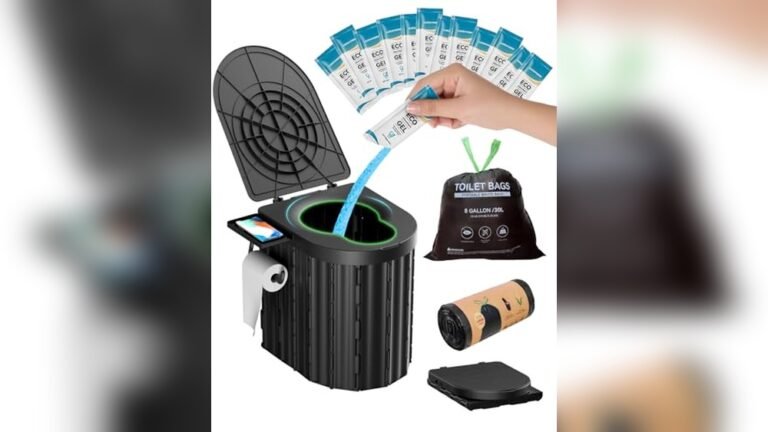
The simplest option — a 5-gallon bucket with a snap-on seat. Affordable and surprisingly effective with the right liner bags.

✔ Very lightweight & cheap
✔ Widely available
✘ Basic comfort
✘ Odor management needed
📦

Folding Toilet

Compact, foldable frame that pairs with biodegradable waste bags. Ultra-portable for minimalist backpackers.

✔ Packs flat, ultra-light
✔ Easy to carry
✘ Less stable
✘ Limited comfort
🛍️

Bag Toilet System

Portable frame with specially formulated waste-gelling bags. Designed for Leave No Trace principles — just bag it, seal it, bin it.

✔ Lightest option
✔ Minimal cleanup
✘ Ongoing bag cost
✘ Single-use waste
💡
Pro TipFor car camping, go with a portable flush toilet for maximum comfort. For backpacking trips, a folding or bag toilet saves precious weight and space.

Best Camping Toilets of 2026

Handpicked by outdoor experts. Scroll to explore our top-rated picks for every camper.

🚽
Best Overall
🏆 Best Overall

Thetford Porta Potti 565E

  • Electric flush mechanism
  • 21L waste tank capacity
  • Level indicator + carry handle
★★★★★4.8/5
🌱
Best Eco
🌿 Best Eco Pick

Nature’s Head Composting Toilet

  • No chemicals required
  • Separates liquid & solid waste
  • Spider handle design
★★★★★4.7/5
🪣
Best Budget
💰 Best Budget

Reliance Hassock Portable Toilet

  • Doubles as a storage seat
  • Fits standard waste bags
  • Sturdy 250lb capacity
★★★★☆4.4/5
📦
Best Lightweight
🎒 Best for Backpacking

Cleanwaste GO Anywhere Toilet

  • Only 2.2 lbs total weight
  • Biodegradable WAG bags included
  • Sets up in under 1 minute
★★★★☆4.5/5
🚿
Best for Families
👨‍👩‍👧 Best for Families

Camco Premium Portable Toilet

  • 5.3-gallon holding tank
  • Rotating pour spout for easy dumping
  • Full-size seat & lid
★★★★☆4.6/5

How to Choose the Right Camping Toilet

Five key factors to evaluate before making your purchase decision.

Consider how you’re traveling. Backpackers should aim for under 3 lbs and a compact footprint. Car campers can afford a heavier, more comfortable unit. Most portable flush toilets weigh 5–12 lbs. Folding models pack flat for minimal storage impact. Always check the open vs. folded dimensions to ensure it fits in your vehicle or pack.
For solo campers on a 3-day trip, a 5–10L tank is plenty. For families or week-long trips, aim for 15–20L. Portable flush toilets typically hold 10–21L. Bag systems need one bag per use (or per day for solids). Always match capacity to your trip duration and group size to avoid mid-trip emptying.
Manual pump flush systems are reliable and need no power — great for most campers. Electric flush systems offer push-button convenience but require charging. Composting toilets have no flush at all, relying on fans and natural decomposition. For bag-based systems, flushing is irrelevant. Choose based on your comfort priorities and available power.
Look for toilets with detachable waste tanks that seal completely before detaching — this prevents spills during emptying. Smooth interiors are easier to rinse clean. Some models include a rotating spout for clean dumping. Avoid designs with many nooks and grooves where waste can collect. Pair with RV tank treatment chemicals for odor control.
A carry handle is essential for transport. For backpacking, look for models that strap to the outside of a pack or compress into a small dry bag. Many car camping toilets include built-in handles or come with a carrying case. Consider whether the toilet can double as a seat or storage container for added value.
💡
Pro TipWhen comparing models, prioritize the seal quality of the waste tank valve — a bad seal is the #1 cause of odors and leaks in portable flush toilets. Read user reviews specifically about this feature.

Cleaning & Maintenance

A clean toilet means a healthy campsite. Follow these simple steps every trip.

1
🧤

Gear Up

Put on disposable gloves before handling the waste tank. Never touch it barehanded.

2
🔒

Seal the Valve

Close the slide valve firmly before detaching the waste tank from the fresh water section.

3
🚮

Empty Properly

Dispose at a designated dump station, campsite toilet, or composting facility — never in nature.

4
💧

Rinse Thoroughly

Rinse tank 2–3 times with clean water. Use a long-handled brush to clean the interior.

5
🧴

Add Treatment

Add RV/portable toilet treatment chemical to control odors and break down waste residue.

6
☀️

Dry & Store

Let all parts air-dry completely before storing. Keep the valve slightly open during storage to prevent seal damage.

💡
Pro TipAdd a squirt of blue chemical to the waste tank before first use on each trip — not only does it control odor, it makes the tank far easier to rinse clean afterwards.

Side-by-Side Type Comparison

Not sure which type fits your needs? This table makes it easy to compare at a glance.

Type Portability Comfort Maintenance Best For
🚿 Portable Flush
Car Camping
🌱 Composting
Eco Campers
🪣 Bucket
Budget Trips
📦 Folding
Backpacking
🛍️ Bag System
Ultralight / LNT

● = filled dots indicate higher score (out of 5)


First-Time Setup Made Easy

Got your camping toilet? Here’s how to set it up correctly from day one.

1

Unbox & Inspect

Check all seals, the slide valve, and any gaskets for damage. Test the flush mechanism (manual or electric) before your trip. Replace any worn seals immediately.

2

Add Fresh Water & Chemical

Fill the freshwater tank to the marked line. Add the recommended amount of blue deodorizer chemical to the waste tank before first use for best odor control.

3

Choose Your Location

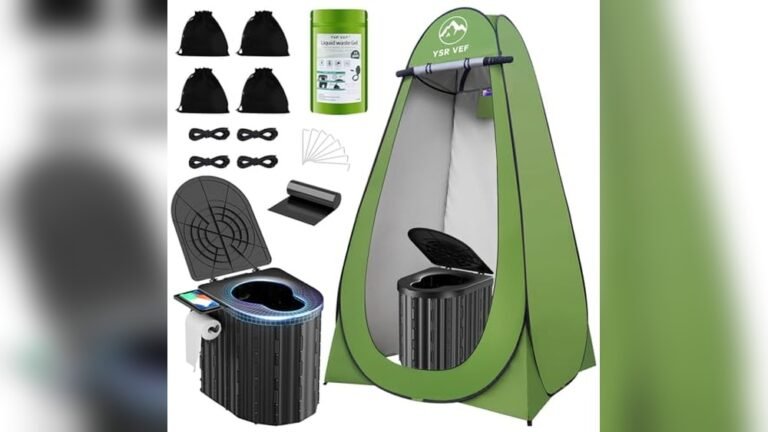
Set up on stable, flat ground. For tent camping, use a privacy shelter. Keep at least 60m from water sources. Ensure the toilet won’t tip on uneven terrain.

4

Do a Test Flush

Before relying on it, do a test run. Check the valve seals, the flush mechanism action, and the connection between the two tanks. Better to find issues at home than on the trail.

5

Know Your Disposal Plan

Research dump stations near your campsite before leaving. Many national parks have designated disposal areas. For bag systems, bring extra sealed bags and dispose in regular waste bins.


Frequently Asked Questions

Quick answers to the questions we hear most often about camping toilets.

Yes — when used correctly, portable camping toilets are very hygienic. Modern units with slide-valve systems prevent exposure to waste. Use biodegradable toilet paper, add deodorizing chemicals, and wash hands with soap and water (or hand sanitizer) after every use. They are significantly more hygienic than digging cat holes, which risk soil and water contamination.
For portable flush toilets, detach the waste tank, take it to a designated RV dump station or campsite toilet, open the pour spout, empty it, then rinse and treat with chemical. For bag systems, seal the used bag, place in a second bag for extra security, and dispose in a general waste bin. Never empty into streams, lakes, or open ground.
Technically yes, but it’s not ideal due to odor and ventilation concerns. Most campers use a privacy pop-up shelter outside the tent. Some ultralight travelers use bag systems inside a vestibule in emergencies (heavy rain, wildlife). If using indoors, opt for a composting toilet with a fan, or a bag system with high odor-control gelling agents.
With proper chemical treatment and sealed valves, most quality portable toilets have minimal odor. The main causes of bad smells are: forgetting to add deodorizer, overfilling the tank, or a worn seal. Change chemicals after emptying, never overfill past ⅔ capacity, and inspect seals regularly. Composting toilets with a vent fan are the most odor-neutral long-term option.
Always use RV/marine-grade or single-ply biodegradable toilet paper. Standard household toilet paper is too thick and can clog the waste tank and valve mechanism. Many bag-based systems recommend putting used toilet paper in a separate waste bag rather than in the main waste bag, to extend its usable life.
Weight varies by type: folding and bag toilets weigh 1–3 lbs (0.5–1.4kg) and are ideal for backpacking. Bucket toilets are 2–5 lbs (1–2.3kg). Portable flush toilets range from 5 to 14 lbs (2.3–6.4kg) empty. Composting toilets are the heaviest at 15–30 lbs (7–14kg), generally only suited for vehicle-based camping.
💡
Pro TipAlways pack double the toilet paper you think you need. Running out at a remote campsite is a situation no camper wants to experience. Single-ply dissolves faster and is kinder to your toilet’s valve.

🏕️

Ready to Find Your Perfect Camping Toilet?

Don’t let the lack of facilities ruin your adventure. The right toilet makes outdoor life cleaner, easier, and more enjoyable for everyone.
Similar Posts