Camping Toilet Maintenance Accessories: Essential Gear for Clean Trips
Camping Toilet Maintenance Accessories
Camping brings joy, freedom, and adventure. But there is one part few people like to talk about—using and cleaning a camping toilet. If you have ever camped without the right accessories, you know it can get messy and uncomfortable fast. The truth is, with the right tools, keeping your portable toilet clean and odor-free is simple. This guide will show you everything you need to know about camping toilet maintenance accessories. You will learn what to use, how to use them, and why they matter for your health and comfort.
Why Camping Toilet Maintenance Matters
Many campers skip proper toilet care, thinking nature will handle it. But poor hygiene can lead to bad smells, pests, and even illness. A well-maintained toilet keeps your camp fresh and safe. It also follows local rules, which often require proper waste disposal.
Good accessories make these jobs easier and less stressful.
Essential Camping Toilet Maintenance Accessories
There are many products on the market. But some are must-haves for any trip. Below are key accessories that make a real difference.
1. Biodegradable Toilet Chemicals
Biodegradable toilet chemicals break down waste and control odor. Unlike regular chemicals, they are safe for the environment. Look for products marked as “green” or “eco-friendly.” They come in liquids, tablets, or powders.
- Liquids work fast but may spill.
- Tablets are easy to use—just drop in.
- Powders are light and store well.
One insight: Don’t overuse chemicals. Too much can damage your toilet or harm the environment. Follow the instructions on the package for best results.
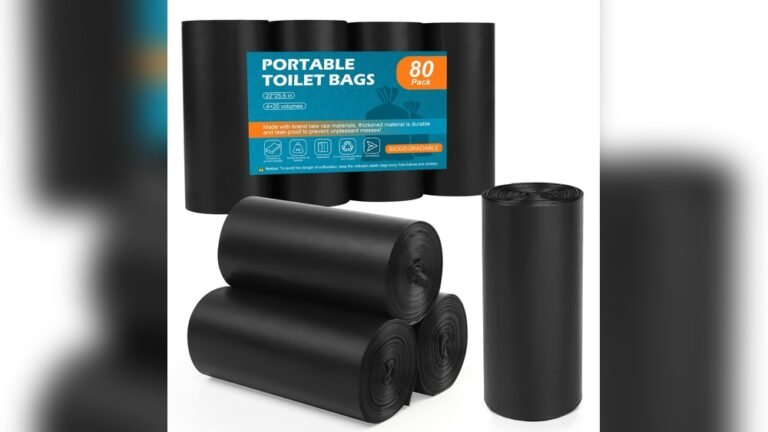
2. Disposable Toilet Bags
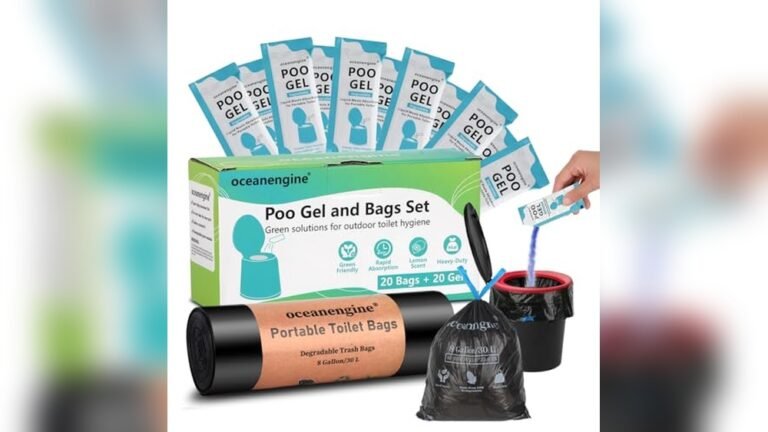
Disposable toilet bags (also called “waste bags” or “wag bags”) are simple and effective. They line your toilet and catch all waste. Many come with gel inside that absorbs liquid and reduces odor.
Benefits:
- Easy to seal and carry out.
- Perfect for areas with no toilets.
- Help follow Leave No Trace rules.
Pro tip: Always carry extra bags. Weather, illness, or accidents can mean you need more than planned.
3. Toilet Brush And Cleaner
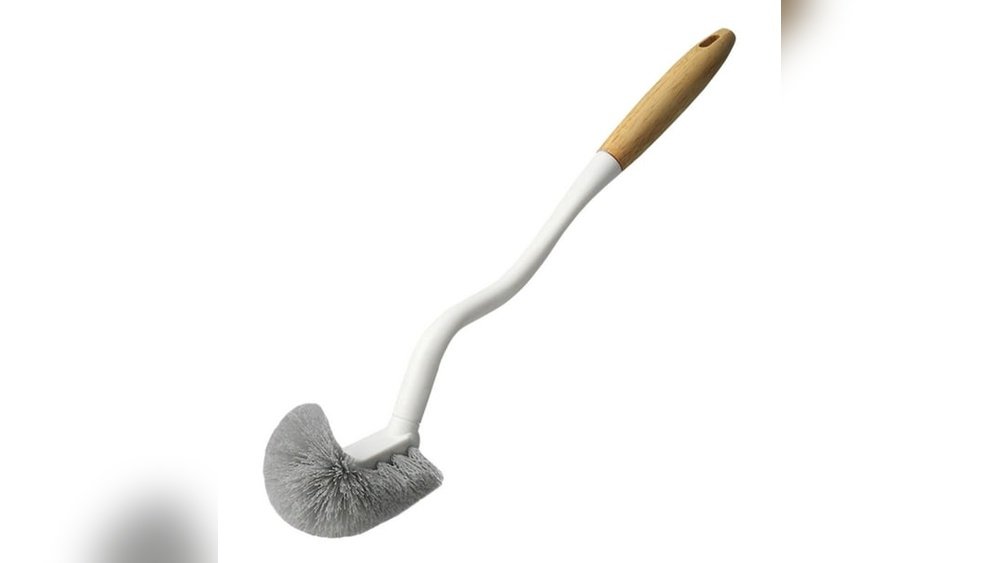
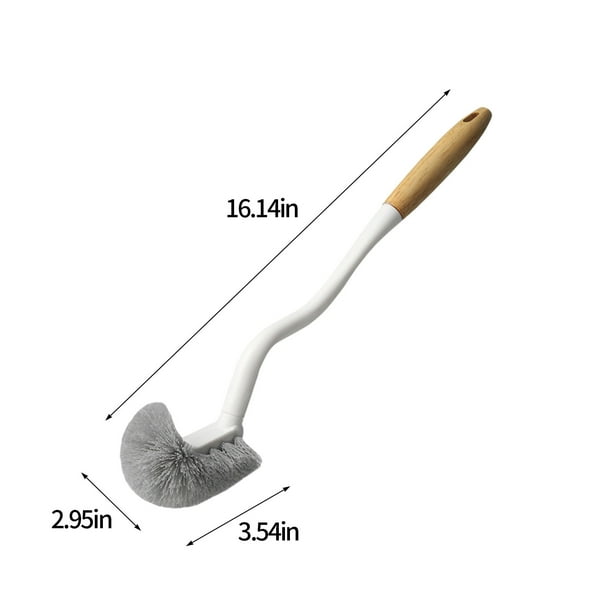
A small toilet brush is a must. Choose one with a cover to keep things sanitary. Pair it with a biodegradable cleaner to scrub away stains and bacteria.
- Clean after every use if possible.
- Use gloves for extra protection.
Beginners often forget to clean the brush itself. Rinse and spray with disinfectant after each use.
4. Hand Sanitizer And Soap
Keeping hands clean is as important as cleaning the toilet. Use alcohol-based hand sanitizer (at least 60% alcohol) or biodegradable soap.
- Place sanitizer near the toilet.
- Wash hands every time you use or clean the toilet.
Fact: According to the CDC, handwashing reduces diarrhea risk by up to 40%.
5. Toilet Paper Alternatives
Regular toilet paper can clog portable toilets and is slow to break down. Use rapid-dissolving toilet paper or flushable wipes. Some campers use reusable cloths, but these require separate cleaning.
- Choose unscented, chemical-free options.
- Pack out all used paper or wipes in a sealed bag.
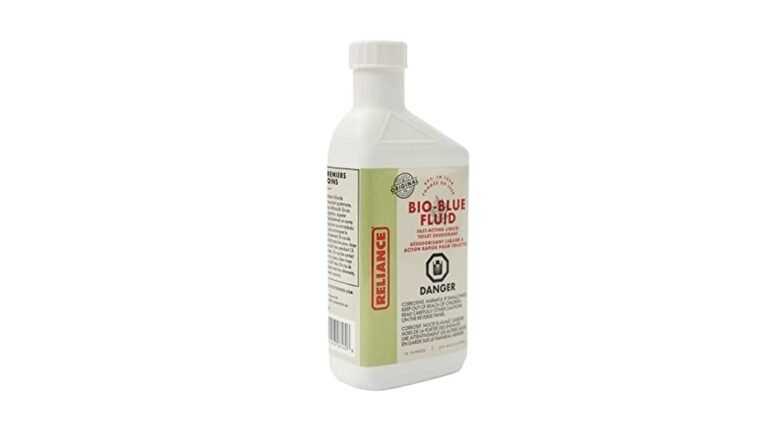
6. Waste Holding Tank Deodorizers
Deodorizers come in liquid, pod, or tablet form. They neutralize bad smells in the waste tank, making your camp area much more pleasant.
- Add before first use and after each emptying.
- Pick products that are formaldehyde-free.
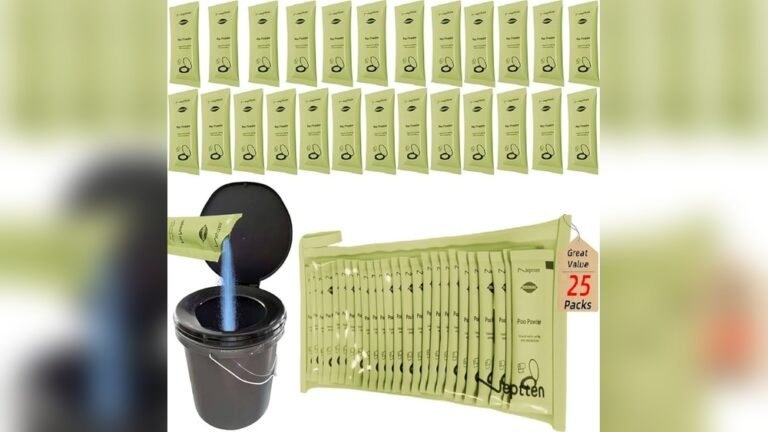
7. Waste Tank Treatment Sachets
Treatment sachets break down solids and toilet paper. They also help with odor. Drop a sachet into the tank with some water before use.
- One sachet usually treats a full tank.
- Easy to carry and store.
8. Portable Toilet Carry Bag
A carry bag keeps your toilet clean during transport. It also hides the toilet from view, which many campers appreciate.
- Choose waterproof, easy-to-clean materials.
- Some bags have pockets for chemicals and brushes.
9. Disposable Gloves
Gloves are cheap but very useful. They protect your hands when cleaning or emptying the toilet.
- Use nitrile or latex gloves.
- Always have a few pairs on hand.
One insight: Store gloves in a dry, easy-to-reach spot. Wet or torn gloves are less effective.
10. Portable Waste Water Tank
A waste water tank (sometimes called a “cassette”) lets you carry waste to a dump station without spills or smells.
- Choose tanks with wheels for easy transport.
- Make sure the size fits your group.
11. Dump Station Hose
A dump hose connects your toilet or tank to a dump station. It keeps waste from splashing or spilling.
- Get a hose with a secure, leak-proof fitting.
- Clean the hose after every trip.
12. Cleaning Sprays And Wipes
Cleaning sprays and wipes are fast ways to clean the toilet seat, lid, and handles. Use disinfectant sprays or wipes made for camping.
- Clean surfaces daily.
- Wipes are handy for quick cleaning.
Some campers use vinegar-water sprays as a safe, natural option.
13. Odor-blocking Toilet Seat Covers
Seat covers help control smell and make the toilet feel fresh. Many are scented and disposable.
- Place a new cover before each use.
- Throw away covers in a sealed bag.
14. Spare Seals And Gaskets
Seals and gaskets keep your toilet leak-free. Over time, they wear out and cause leaks or smells.
- Carry spares for your toilet model.
- Replace as soon as you notice leaks or odor.
15. Portable Toilet Stand Or Platform
A toilet stand lifts the toilet off the ground. This keeps it stable and cleaner, especially on wet or muddy ground.
- Choose lightweight, folding stands.
- Check weight limits to avoid tipping.
Comparison Of Popular Toilet Chemicals
Here’s a look at three leading biodegradable toilet chemicals for camping:
| Brand | Form | Eco-Friendly | Odor Control | Average Price |
|---|---|---|---|---|
| Camco TST | Liquid | Yes | Excellent | $12 (32 oz) |
| Thetford Aqua-Kem Green | Tablet | Yes | Very Good | $15 (12 tabs) |
| Walex Bio-Pak | Powder Sachet | Yes | Good | $10 (10 packs) |
How To Choose The Right Accessories
Buying everything at once can feel overwhelming. Here’s what to consider:
- Group Size: More people means more waste—choose larger tanks and more supplies.
- Trip Length: Longer trips need extra chemicals, bags, and cleaning tools.
- Camping Location: Remote sites may have no dump stations. Choose items that pack out waste easily.
- Climate: Hot weather increases odor—get stronger deodorizers and quick-sealing bags.
A common mistake is forgetting to check compatibility. Not all chemicals or bags fit every toilet. Check your model before buying.
Credit: business.walmart.com
Step-by-step Maintenance Guide
Taking care of your camping toilet is easier than you think. Follow these steps for a fresh, clean experience.
- Before the trip: Add toilet chemicals and a little water to the waste tank. Pack all supplies.
- During use: Always use a toilet bag or liner. Add deodorizer or treatment after each use.
- Daily cleaning: Wipe down the seat and lid with cleaning spray or wipes. Empty the waste tank if it’s more than half full.
- After emptying: Rinse the tank with clean water. Add new chemicals. Wash your hands with soap or sanitizer.
- At trip’s end: Deep clean all parts. Check for leaks or worn gaskets. Dry everything before storing.
One tip: Set a regular cleaning time (like every morning). This keeps the job small and manageable.
Pros And Cons Of Different Accessories
Here’s a quick look at the advantages and disadvantages of key accessories.
| Accessory | Pros | Cons |
|---|---|---|
| Disposable Toilet Bags | Easy, hygienic, portable | Ongoing cost, can run out |
| Biodegradable Chemicals | Control odor, safe for nature | Must store carefully |
| Portable Tank | Clean disposal, less mess | Heavy when full, takes space |
| Toilet Brush | Removes stains and germs | Needs regular cleaning |
Advanced Tips For Odor And Hygiene
Even with the best accessories, mistakes can happen. Here’s how to avoid common problems:
- Add a few drops of essential oil to the tank for a fresh scent.
- Never mix different toilet chemicals—they may react badly.
- Keep your waste tank out of direct sun. Heat increases odor.
- If dumping at a station, rinse tanks two times for best results.
Some campers use baking soda as a cheap, natural deodorizer. Just sprinkle a bit into the tank.
Mistakes To Avoid
- Forgetting spares: Always carry extra bags, gloves, and chemicals.
- Ignoring leaks: Fix seals and gaskets as soon as they wear out.
- Skipping hand cleaning: Germs spread fast at camp.
- Overfilling the tank: Empty before it’s full to prevent spills.
Credit: boxio.nl
Real-world Example
Sarah, a weekend camper, learned the hard way. She forgot to bring enough toilet bags. By day two, her group had to dig makeshift holes, which is unsafe and often illegal. Since then, she always packs double the supplies. Her biggest tip: Keep everything in a waterproof tote, so nothing gets wet or lost.
Where To Buy Camping Toilet Accessories
Most outdoor stores carry these products. You can also buy them online from well-known websites. For more details on portable toilet care and waste disposal rules, check the official National Park Service Camping Ethics page.

Credit: trobolo.com
Frequently Asked Questions
What Is The Best Way To Control Odor In A Camping Toilet?
Use biodegradable toilet chemicals and deodorizers. Clean the tank daily and keep the lid closed when not in use. Add a few drops of essential oil for extra freshness.
How Often Should I Empty My Camping Toilet?
Empty the toilet whenever it is more than half full or at least once every two days. This prevents overflows and bad smells.
Can I Use Regular Toilet Paper?
It’s better to use rapid-dissolving toilet paper. Regular paper can clog the system and takes longer to break down.
Are All Toilet Chemicals Safe For The Environment?
No. Choose products marked as biodegradable or “green.” Avoid chemicals with formaldehyde, as these harm plants and animals.
What Should I Do With Used Toilet Bags And Wipes?
Seal them in a sturdy plastic bag and pack them out. Dispose of them at a proper waste facility or dump station.
A clean, odor-free toilet makes camping much more enjoyable. With the right accessories, you can keep your setup safe, simple, and eco-friendly. Remember, a little planning means a lot more comfort in the wild.