How Much Does Camping Cost? Real Budget Breakdown
People ask how much is camping, but there’s no single price tag. It depends entirely on your style and location. You could spend $0 on free Bureau of Land Management (BLM) land or $500 a night for luxury glamping.
Most beginners underestimate the hidden costs of gear and food.
Our research shows average site fees range from $15 to $80 per night as of 2026. However, gear acquisition often dwarfs nightly rates for new campers. Let’s break down your exact budget using a simple four-step workflow.
Stop Guessing: Calculate Your Exact Camping Budget in 4 Steps
Don’t rely on vague averages. Use this conditional logic to pinpoint your real cost. If you already own basic gear, your trip might cost under $50.
If you’re starting from scratch, expect $300, $600 upfront.
Step 1: Define Your Style and Location Fees
First, pick your accommodation type. State parks typically charge $25, $50 per night. National Parks vary widely, from $15 primitive sites to $90+ RV hookups.
Private campgrounds like KOA often exceed $60. Dispersed camping on federal land remains free but requires self-sufficiency. Check Recreation.gov for current federal fee schedules.
Step 2: Audit Your Gear Inventory vs. Rental Costs
List what you own. Do you have a tent, sleeping bag, and pad? If not, renting saves money for one-off trips.
Retail rentals run $30, $75 per weekend. Buying entry-level car camping gear costs $300, $500 total. For backpacking, ultralight kits start at $1,500.
Only buy if you plan three or more trips annually.
Step 3: Estimate Food, Fuel, and Hidden Logistics
Groceries are cheaper than dining out. Budget $20, $30 per person daily for cooking. Add fuel costs.
Propane canisters run $5 each. Gas for driving to remote sites adds up quickly. Don’t forget ice.
A cooler needs 20 lbs of ice every two days, costing $5, $8. These small items inflate budgets silently.
Step 4: Apply the Reality Check Multiplier
Take your calculated total and add 15%. This buffer covers emergencies, weather delays, or forgotten items. Campsites rarely cancel last minute, but gear fails.
Firewood prices spike near parks, often hitting $10 per bundle. Always carry extra cash for unexpected permits or gate fees.
The Real Cost Breakdown: From Free BLM Spots to $500 Glamping Nights
"Cheap" is relative. A free spot still costs gas and food. Here’s how different styles compare financially.
| Camping Style | Avg. Nightly Fee | Initial Gear Cost | Daily Food/Fuel | Best For |
|---|---|---|---|---|
| Dispersed (BLM/USFS) | $0 | $300–$800 | $25–$40 | Experienced solo/couples |
| State Park Car Camp | $25–$50 | $300–$600 | $30–$50 | Families/beginners |
| National Park RV | $35–$90 | $500+ (if towing) | $40–$60 | Comfort seekers |
| Glamping/Yurt | $100–$500 | $0 | Included | Luxury/convenience |
Note that glamping includes linens and utilities. Car camping requires you to supply everything. Backpacking has high gear costs but low site fees ($5, $10 permits).
Common Budget Traps That Double Your Trip Cost
Most overspending stems from poor planning, not bad luck. Watch out for these pitfalls.
The "Cheap Gear" Replacement Cycle
Buying a $40 big-box store tent seems smart. But it likely leaks in rain. Replacing it within six months costs double.
Invest in mid-range durability instead. Look for waterproof ratings above 1,500mm. Quality sleep systems prevent hypothermia risks too.
Skimping here endangers safety and wallet.
Ignoring Seasonality and Reservation Scarcity
Peak summer weekends command premium rates. Shoulder seasons (May, September) offer 30% savings. Last-minute bookings also incur higher fees or force expensive alternatives.
Book 3, 6 months ahead for national parks. Use tools like Campendium to track availability trends without paying for memberships.
Quick Wins to Slash Your Camping Expenses Without Sacrificing Comfort
You don’t need to be broke to camp well. Try these tactics.
- Buy Used Gear: Check Facebook Marketplace or REI Garage Sales. Save 40, 60% on tents and packs. Inspect zippers and poles carefully before buying.
- Cook Simple Meals: One-pot pasta or chili feeds five people for under $15. Avoid pre-packaged dehydrated meals unless backpacking.
- Share Costs: Split firewood, ice, and propane with neighboring campsites. Community reduces individual waste.
- Use Public Water: Fill jugs at park entrances. Buy bottled water only for drinking if necessary. Large jug refills save $10+ per trip.
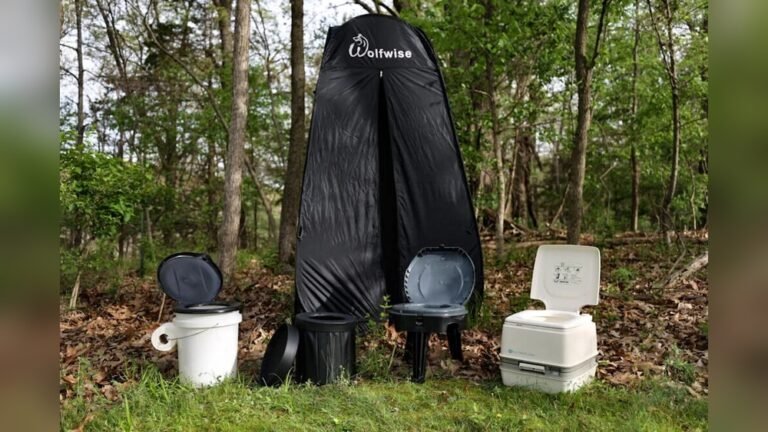
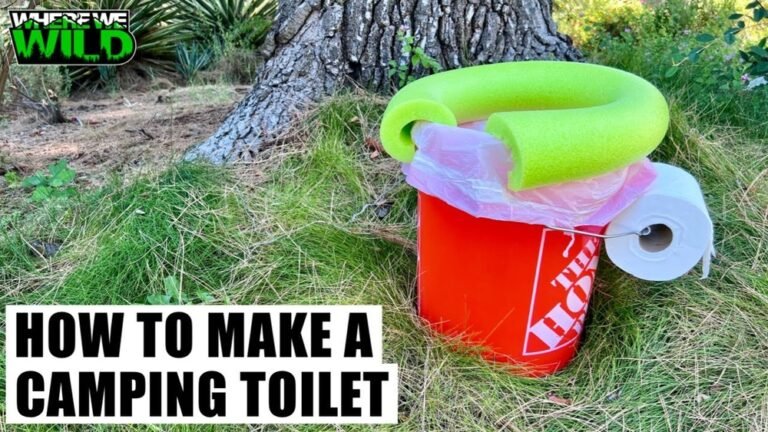
- Consider Portable Sanitation: If dispersed camping, bring a portable toilet chair to avoid digging catholes improperly. It keeps you compliant with Leave No Trace principles and avoids fines.
For longer stays, look into monthly campground discounts. Many private parks offer 20, 30% off weekly rates. Always ask about senior, military, or veteran discounts.
They apply even at state parks.
Frequently Asked Questions About Camping Costs
Is camping actually cheaper than hotels?
Yes, usually by 50, 70%. Hotels charge $100, $200+ per night plus parking. Camping charges $25, $50 plus food.
However, gear amortization matters. Frequent campers save significantly over time. Occasional campers might find motels comparable when including travel fatigue.
How much does it cost to camp for a weekend?
Expect $150, $300 total for a family of four. This includes two nights of site fees ($80), groceries ($100), and fuel/ice (~$50). First-time buyers should add $300, $500 for basic gear.
Renting drops startup costs to near zero.
Do I need a permit for dispersed camping?
Often yes, especially in National Forests. Some areas require free day-use passes. Others mandate paid backcountry permits ($5, $10/person).
Check local ranger district websites. Failure to display permits results in hefty fines. Always verify rules via official USDA Forest Service pages.
What is the most expensive part of camping?
Gear acquisition is the biggest hurdle for beginners. High-quality tents, bags, and stoves cost thousands. Once owned, recurring costs drop sharply.
Site fees and food become the primary expenses. RV owners face higher maintenance and insurance bills.
Can I camp for free anywhere?
No. Illegal trespassing carries severe penalties. Stick to designated BLM, USFS, or state wildlife areas.
Urban stealth camping risks arrest. Rural roadside stopping may violate local ordinances. Always confirm legality before pitching a tent.
Respect private property boundaries strictly.