How to Use Camping Toilet Chemicals for Odor-Free Adventures
How To Use Camping Toilet Chemicals
If you love camping, you know that nature calls—even in the wild. A camping toilet makes life easier, but keeping it clean and odor-free is a challenge. This is where camping toilet chemicals help. These products break down waste, control smells, and make emptying the toilet easier. But using them the right way matters. This guide gives you step-by-step advice, practical tips, and answers to common questions. By the end, you will know how to use camping toilet chemicals with confidence.
Why Use Camping Toilet Chemicals?
Camping toilets are not like home toilets. Waste stays in a small tank for days. Without the right chemicals, bad smells can fill your tent or RV. Waste can also become hard to empty. Using chemicals makes your camping trip more comfortable and hygienic.
- Break down waste: Chemicals turn solid waste and toilet paper into liquid. This makes emptying the tank easier.
- Control odor: They stop smells from spreading, even in hot weather.
- Reduce germs: Most products kill bacteria and keep the toilet more sanitary.
- Prevent clogs: By breaking down toilet paper, chemicals help avoid blockages.
Most campers say a well-maintained toilet improves their camping experience. A survey by the Camping and Caravanning Club found that 86% of campers prefer to use chemicals in their toilets.
Types Of Camping Toilet Chemicals
Not all chemicals are the same. The right choice depends on your needs, the type of toilet, and where you empty your waste.
| Type | Main Use | Eco-Friendly? | Typical Color |
|---|---|---|---|
| Blue Fluid | Breaks down waste, controls odor | No (contains formaldehyde) | Blue |
| Green Fluid | Breaks down waste, controls odor | Yes (biodegradable) | Green |
| Pink Fluid | Flush tank cleaner, fragrance | Varies | Pink |
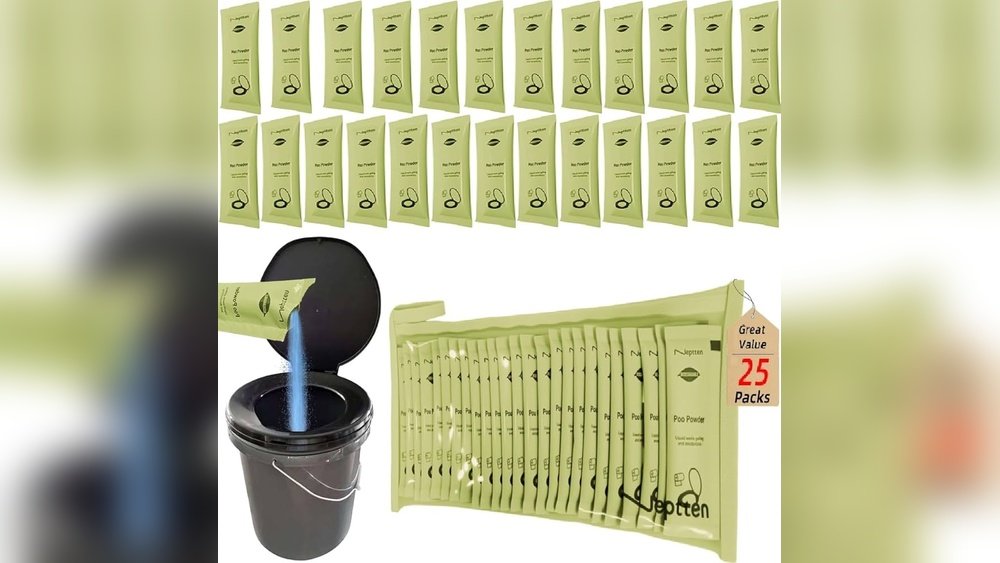
| Sachets/Tablets | Easy dosing, less mess | Varies | Usually blue or green |
Blue fluid is strong but not always allowed at eco-campsites. Green fluid is safer for the environment. Pink fluid is used in the flush tank, not the waste tank. Sachets are pre-measured, so you do not need to guess the dose.

Credit: blog.indiecampers.com
How Camping Toilet Chemicals Work
These chemicals use special ingredients to break down waste and fight bacteria. Most blue fluids contain formaldehyde or glutaraldehyde, which quickly dissolve solids. Green fluids use enzymes or natural bacteria. These are safer for nature but may work slower.
Pink fluids do not go in the waste tank. They are added to the flush water to keep the toilet bowl fresh and slippery. This prevents waste from sticking and adds a pleasant smell.
Sachets and tablets work like blue or green fluids but are less messy. Drop one into the waste tank, and it dissolves with water.
Step-by-step: How To Use Camping Toilet Chemicals
Using chemicals is simple, but the right steps make a big difference. Follow these steps for best results:
1. Empty The Waste Tank First
Always start with an empty tank. If there is old waste, clean the tank with water. Do not mix old and new chemicals.
2. Add The Right Amount Of Water
Pour about 1-2 liters (about half a gallon) of water into the waste tank. This helps the chemical spread and start working.
3. Measure The Chemical
Check the label for the correct dose. Most products need 60-120 ml (2-4 oz) per use. If using a sachet, use one per empty tank.
4. Pour Chemicals Into The Waste Tank
Add the chemical (liquid or sachet) through the toilet bowl or special opening.
- Set up the flush tank (if your toilet has one)
If you use pink fluid, add the recommended dose to the flush water tank. Top up with water.
6. Use The Toilet As Normal
Make sure everyone knows to use only rapid-dissolve toilet paper. Regular paper can block the tank.
7. Empty The Tank Regularly
Do not wait until the tank is full. Empty when it is about 2/3 full, or every 2-3 days. Always use a proper disposal point.
8. Clean The Tank
After emptying, rinse the tank with clean water. Some campers add a little chemical and water, shake, and rinse again.
Key Tips For Best Results
Many beginners forget these details:
- Use enough water: Too little water makes chemicals less effective.
- Do not mix products: Never mix blue and green fluids.
- Store chemicals safely: Keep them away from kids and pets.
- Only use approved disposal sites: Pouring chemicals into nature can harm the environment.
How Much Chemical Should You Use?
The right amount depends on tank size and product strength. Always read the label, but here’s a quick comparison:
| Tank Size | Blue Fluid | Green Fluid | Sachet/Tablet |
|---|---|---|---|
| 10 liters (2.6 gal) | 60 ml (2 oz) | 60 ml (2 oz) | 1 |
| 20 liters (5.3 gal) | 120 ml (4 oz) | 120 ml (4 oz) | 2 |
If in doubt, use a little less first. Too much chemical does not always work better. In fact, overdosing can reduce performance and waste money.

Credit: www.youtube.com
Using Eco-friendly Camping Toilet Chemicals
Many campsites now ask you to use only green fluid. These use enzymes or natural bacteria to break down waste. They are safe for septic tanks and do not harm nature.
- Biodegradable: Will not harm plants or animals.
- Works slower: May need more frequent emptying.
- Less odor control: In hot weather, smells may return sooner.
If you camp in national parks or wild areas, always use eco-friendly products.
Common Mistakes To Avoid
Even experienced campers make mistakes. Here are some you can skip:
1. Using Household Bleach Or Disinfectants
These products damage the toilet seals and harm the environment. Only use chemicals made for camping toilets.
2. Ignoring The Disposal Rules
Never pour waste down a storm drain or on the ground. Always use a chemical disposal point.
3. Using The Wrong Toilet Paper
Standard toilet paper does not break down well. Use only RV or rapid-dissolve toilet paper.
4. Forgetting To Add Water
Dry chemicals cannot work alone. Water is essential for breaking down waste.
5. Overfilling The Tank
If the tank is too full, you risk leaks or spills when emptying.
Are Sachets Or Liquids Better?
This depends on your needs. Here’s a quick comparison:
| Feature | Sachets/Tablets | Liquids |
|---|---|---|
| Easy to Use | Yes (no measuring) | No (need to measure) |
| Messy? | No | Sometimes |
| Price | Usually higher | Usually lower |
| Travel Friendly | Very | Less so |
Sachets are great for beginners or short trips. Liquids are cheaper for long trips.
Storing And Handling Camping Toilet Chemicals
- Store upright: Keep bottles and boxes upright to avoid leaks.
- Keep cool: Store in a cool, dry place. Heat can break down the product.
- Seal tightly: Close lids after each use.
- Label well: Make sure chemicals are not confused with other liquids.
Cleaning And Maintenance Tips
Good maintenance keeps your camping toilet working longer.
- Clean after each trip: Rinse all tanks with clean water.
- Deep clean monthly: Use a special toilet tank cleaner (not bleach).
- Check seals: Lubricate seals with silicone spray to stop leaks.
- Check for clogs: If the tank drains slowly, flush with warm water.
Real-world Example
Imagine camping in summer, 90°F heat, with your family. You use blue fluid, but forget to empty the tank for four days. The result? Bad smells and a hard-to-empty tank. If you had emptied at day two and added enough water, you would avoid the problem.
Small details make a big difference.

Credit: www.amazon.com
Where To Buy Camping Toilet Chemicals
You can buy chemicals at camping stores, RV supply shops, or online. Popular brands include Thetford, Camco, and Walex. Prices range from $8–$20 for a bottle or box that lasts several weeks.
Some campsites sell small bottles or sachets if you forget to bring your own. Always check local rules before you buy—some parks only allow green fluids.
Useful Resources
If you want to learn more about safe waste disposal and chemical safety, visit the Centers for Disease Control and Prevention (CDC) for trusted advice.
Frequently Asked Questions
How Often Should I Add Camping Toilet Chemicals?
Add chemicals every time you empty the waste tank and refill with water. For most campers, this is every 2-3 days. If it is very hot or the toilet is used more, add chemicals more often.
Can I Mix Different Brands Of Toilet Chemicals?
No, do not mix brands or types (like blue and green). Mixing can reduce performance and sometimes create unsafe fumes. Stick to one type at a time.
What Happens If I Use Too Much Chemical?
Using too much does not improve cleaning. In some cases, it can clog the tank or create more foam. Always follow the label for best results.
Is It Safe To Empty My Camping Toilet Anywhere?
No. Only empty at approved disposal points. Pouring waste into nature or storm drains is illegal and harms the environment. Many campsites have chemical disposal tanks.
Can I Use Homemade Or Natural Products Instead?
Some campers use vinegar or baking soda, but these are less effective. They do not break down waste as well and may not control odor. For most trips, use products made for camping toilets.
A clean, odor-free camping toilet makes every trip better. With the right chemicals and good habits, you can enjoy nature without worries. Safe travels!