How to Use Camping Toilet Pump: Easy Guide for Outdoor Comfort
How To Use Camping Toilet Pump
Camping is a wonderful way to relax in nature. But it also comes with a few challenges. One big question for many people is: “How do I handle bathroom needs in the wild?” A camping toilet pump is a smart solution for this problem. It makes using a portable toilet easy, clean, and comfortable—even far from modern facilities.
If you have never used a camping toilet pump before, it can feel confusing. But don’t worry! This guide will show you step-by-step how to use one. You’ll also learn how to stay clean, avoid mistakes, and make your outdoor trips much more enjoyable.
What Is A Camping Toilet Pump?
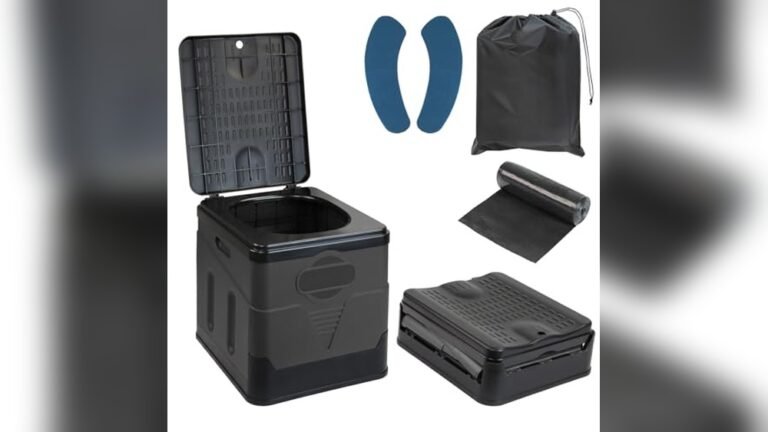
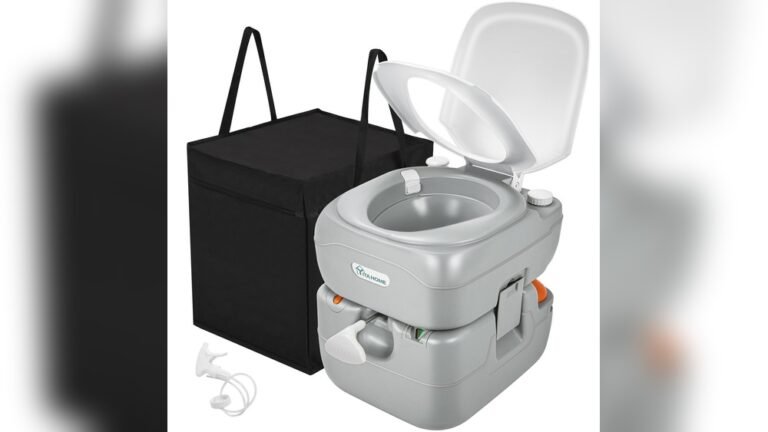
A camping toilet pump is a small hand or foot pump that helps flush portable toilets. It moves water from a clean tank into the toilet bowl. This helps wash away waste and keeps the toilet clean for the next use.
There are two main types:
- Hand pumps: You use your hand to push the pump.
- Foot pumps: You step on a pedal to pump water.
Most camping toilets have either a pump or a push-button system. Pumps are popular because they do not need batteries or electricity.
Why Use A Camping Toilet Pump?
- Easy flushing: Mimics a real toilet.
- Saves water: Uses only what you pump.
- No power needed: Works anywhere, anytime.
- Reduces odors: Flushes waste quickly.
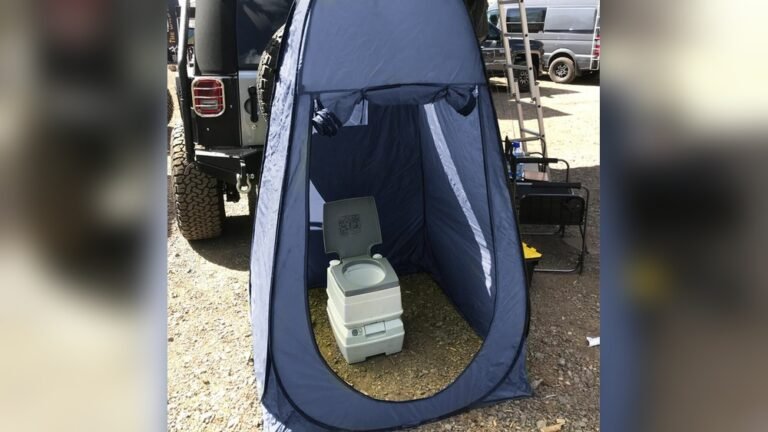
Camping toilet pumps are used in RVs, tents, boats, and even during long road trips.
Parts Of A Camping Toilet Pump System
Understanding the parts will help you use the pump correctly. Here’s a breakdown:
| Part | Function |
|---|---|
| Water Tank | Holds clean water for flushing |
| Flush Pump | Moves water from tank to bowl |
| Toilet Bowl | Where you do your business |
| Waste Holding Tank | Collects waste until you empty it |
| Seal Valve | Keeps odors inside waste tank |
Many portable toilets also have a small chemical dispenser for keeping things fresh.

Credit: www.amazon.com
How To Set Up Your Camping Toilet Pump
Setting up is easy, but missing a step can cause leaks or smells. Here is what you need to do:
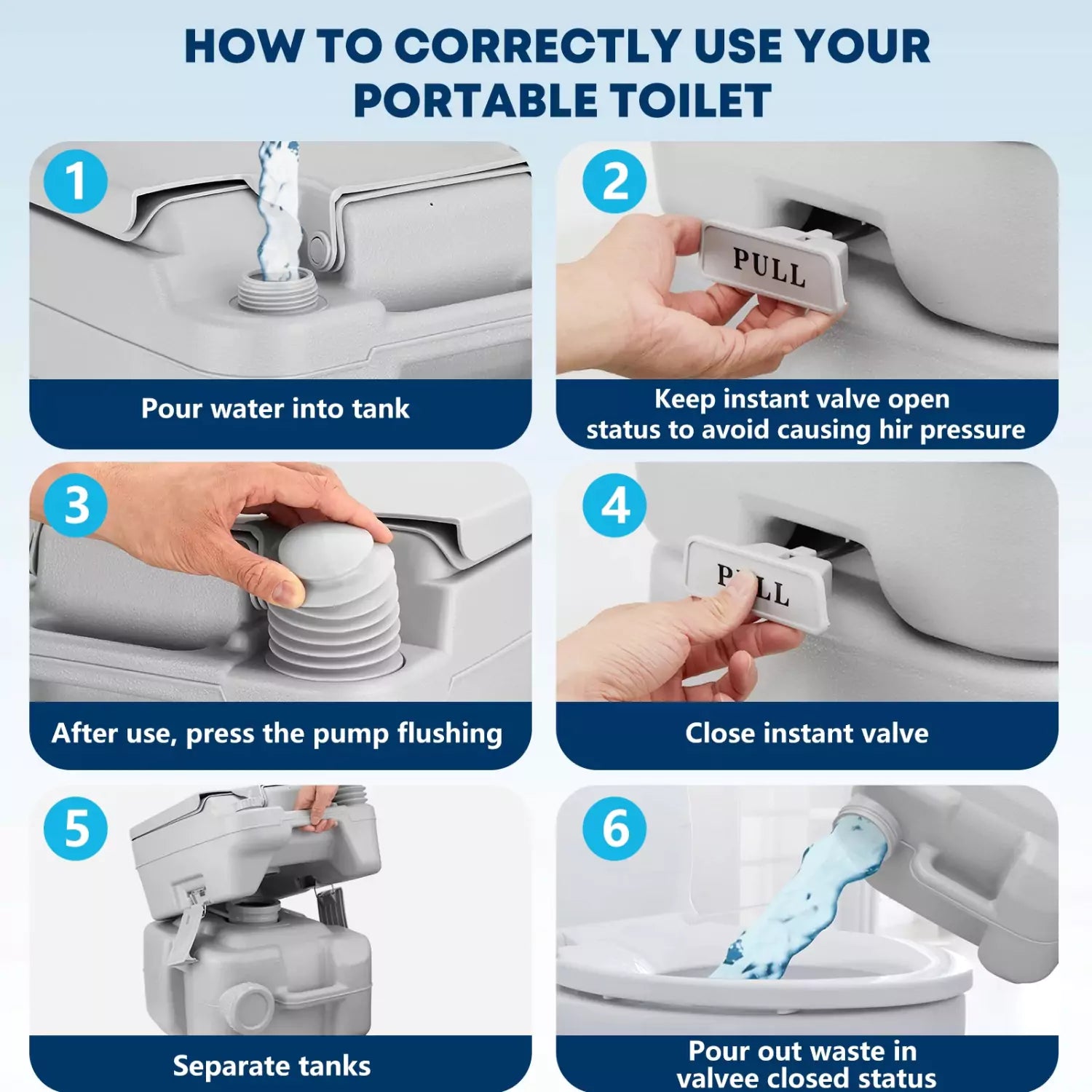
- Choose a level spot: Place your toilet on flat ground. This stops it from tipping over.
- Fill the fresh water tank: Remove the cap, pour in clean water (usually 1–2 gallons), and close tightly.
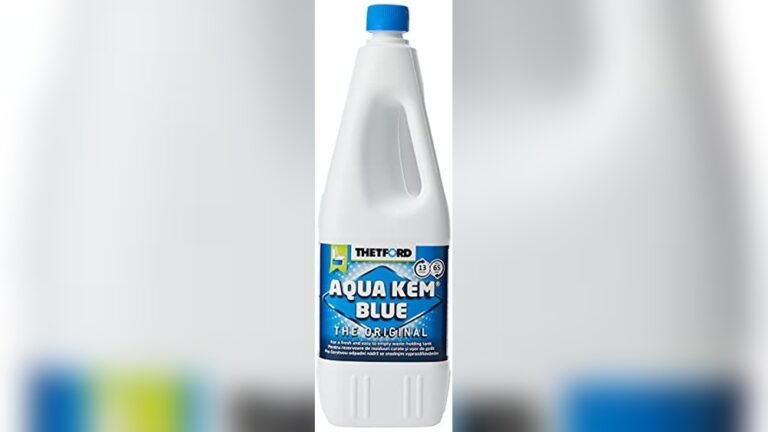
- Add chemicals to waste tank: Use special toilet chemicals. These break down waste and control smell. Always follow the instructions on the product.
- Check the pump: Make sure it moves smoothly. A stiff or stuck pump may need a little lubricant.
- Test flush once: Pump a few times to make sure water flows into the bowl. If water doesn’t come, check if the tank is full and the pump is not clogged.
Pro Tip: Never use river or dirty water in your flush tank. It can clog the pump and cause bad odors.
Step-by-step: How To Use A Camping Toilet Pump
Using a camping toilet pump is not complicated. These simple steps will keep things clean and easy:
- Open the lid: Keep your hands clean by lifting the seat with tissue or a wipe.
- Do your business: Use as you would at home.
- Flush with the pump:
- For a hand pump: Hold the handle and pump up and down 2–4 times.
- For a foot pump: Step gently on the pedal until water flows into the bowl.
- Check the waste flap: Some toilets have a lever or slide to open the waste tank. Pull or push it, so waste drops into the lower tank.
- Close the waste flap: Always close the flap after use. This keeps smells inside.
- Wipe and clean: Use a small amount of toilet paper. Don’t use too much—it can block the system.
- Pump once more if needed: A second flush can help if there is leftover waste or paper.
Important: Do not over-pump. Too much water fills the waste tank quickly and makes carrying harder.
Cleaning And Maintaining Your Camping Toilet Pump
Regular cleaning is key for hygiene and long life. Here is how to keep your toilet pump working well:
Daily Care
- Wipe the seat and lid with disinfectant wipes.
- Check for leaks after each use.
- Rinse the bowl with clean water if possible.
After Each Trip
- Empty the waste tank: Only do this at a designated dump station or toilet. Never empty in rivers or bushes.
- Rinse all tanks: Flush both the clean water and waste tanks with fresh water.
- Clean the pump: Pump clean water through a few times to prevent buildup.
- Let it dry: Leave all parts open to air-dry before storing.
Deep Cleaning (monthly)
- Use a special toilet cleaner (not household bleach).
- Disassemble the pump if needed and clean moving parts.
- Check seals for cracks—replace if worn.
Non-obvious Insight: If your pump is losing pressure, check for air leaks in the hose or around the seals. A small crack can make the pump much less effective.
Mistakes To Avoid When Using A Camping Toilet Pump
Even experienced campers sometimes make mistakes. Avoid these common errors:
- Overfilling tanks: Filling the water or waste tank too much leads to spills.
- Using wrong chemicals: Regular bleach or soap can destroy seals. Always use chemicals made for portable toilets.
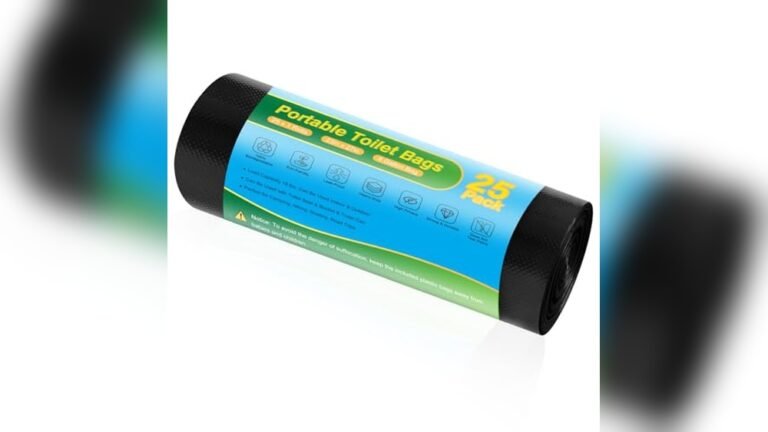
- Flushing too much toilet paper: This blocks the system. Use small amounts or buy special camping toilet paper.
- Not closing the waste flap: Odors will escape, especially in hot weather.
- Forgetting to pump clean water through before storage: This can make the pump stick or smell.
- Leaving the pump in freezing weather: Water inside can freeze and crack the pump.
Practical tip: Always carry a small repair kit. A spare seal or pump part can save your trip if something breaks.

Credit: blog.indiecampers.com
How To Tell If Your Camping Toilet Pump Needs Repair
Sometimes, things go wrong even if you follow all steps. Here’s how to spot problems:
| Problem | Possible Cause | What To Do |
|---|---|---|
| Pump is hard to move | Dry seals or dirt buildup | Lubricate seals, clean pump parts |
| No water comes out | Empty tank or blocked hose | Refill tank, check for clogs |
| Water leaks around pump | Cracked seal or loose fitting | Replace seal, tighten connections |
| Bad smell after flushing | Waste flap left open or weak chemicals | Close flap, use more chemical |
Expert Tip: Most pumps can be fixed with a new seal or simple cleaning. Always check your user manual for specific instructions.
Real-world Examples: Using A Camping Toilet Pump
Let’s look at a few situations where a camping toilet pump makes a big difference.
- Family camping trips: No more late-night walks to far-away bathrooms. Kids and adults can use the toilet in the tent or camper.
- Long road trips: When rest stops are rare, a portable toilet with a pump means fewer worries and more comfort.
- Boating or fishing: Stay on the water longer. Waste is sealed away, and there’s no need to head back to shore.
- Emergency situations: During storms or power outages, a camping toilet pump is a safe backup if home plumbing fails.
Surprising fact: Surveys show over 65% of campers who use a portable toilet say it makes them more likely to camp often, especially with kids.
Credit: www.kohree.com
How To Choose The Right Camping Toilet Pump
Not all pumps and toilets are the same. Here’s what to look for:
- Tank size: Larger tanks need less emptying but are heavier.
- Pump type: Hand pumps are simple. Foot pumps are more hygienic.
- Build quality: Look for strong plastic and sturdy seals.
- Ease of cleaning: Removable tanks are best.
- Weight and size: Make sure you can carry it easily.
- Spare parts availability: Some brands have better support.
Here’s a comparison of key features:
| Feature | Hand Pump | Foot Pump |
|---|---|---|
| Ease of use | Simple, may get messy | No hands needed, more hygienic |
| Water control | Good, but needs more effort | Very easy to control |
| Repairs | Parts widely available | Some models hard to fix |
| Price | Usually cheaper | Can be more expensive |
Beginner Insight: If you are new to camping toilets, start with a simple hand-pump model. It’s easy to use and fix.
Safety And Hygiene Tips
Good hygiene keeps everyone healthy. Follow these safety tips:
- Always wash hands after using or cleaning the toilet.
- Use gloves when emptying the waste tank.
- Store the toilet away from food and cooking gear.
- Clean all surfaces with a mild disinfectant.
- Use only recommended chemicals—never pour bleach or strong cleaners into the tanks.
- Keep kids supervised when using or cleaning the toilet.
Non-obvious advice: Carry a small spray bottle of water and vinegar. This is great for quick cleaning and is safe for most pump seals.
Frequently Asked Questions
How Much Water Does A Camping Toilet Pump Use Per Flush?
Most pumps use about 0.2 to 0.5 liters (7–17 ounces) of water per flush. This depends on how many times you pump. Using less water saves space in your waste tank.
Can I Use Regular Toilet Paper In A Camping Toilet?
You can, but it is better to use special camping toilet paper. It dissolves faster and is less likely to block the pump or tank.
How Often Do I Need To Empty The Waste Tank?
It depends on the tank size and number of users. A standard 5-gallon tank lasts for about 15–20 flushes. Always empty before it gets too full to avoid leaks.
What Should I Do If The Pump Is Stuck Or Hard To Move?
First, check for dirt or dried waste around the seals. Clean the pump and add a little silicone lubricant. If it is still stuck, check for broken parts or replace the seal.
Are Camping Toilet Pumps Safe For The Environment?
Yes, if you use eco-friendly chemicals and empty the waste tank at proper dump stations. Never dump waste in nature. Following these steps protects the environment and keeps campsites clean. For more on eco-friendly camping, see the National Park Service’s Leave No Trace principles.
Camping toilets with pumps make life in the outdoors much easier and cleaner. With the right care, you can enjoy nature without worry and do your part to protect it for everyone.