Camping Toilet Waste Bags Explained: What You Need to Know
Camping Toilet Waste Bags Explained
Camping brings us closer to nature. But it also means we need to manage waste responsibly. One key part of this is handling human waste. Many campers now use camping toilet waste bags for this purpose. These bags offer a simple way to keep campsites clean and protect the environment. But how do they work? Which type should you choose? And are they really safe? This guide explains everything you need to know about camping toilet waste bags, so you can camp with confidence and leave no trace.
What Are Camping Toilet Waste Bags?
Camping toilet waste bags are special bags for collecting and disposing of human waste. They are designed for outdoor use, especially where toilets are not available. These bags usually contain materials that neutralize odors and break down waste. Most are leak-proof and easy to seal. Some even help to start the breakdown process, making disposal safer and easier.
Many parks, forests, and popular hiking trails now require you to pack out all waste—including human waste. Camping toilet waste bags help you follow these rules. They are lightweight, simple to use, and much better for the environment than leaving waste behind.
Types Of Camping Toilet Waste Bags
Not all camping toilet waste bags are the same. Here are the main types you will find:
1. Double-sealed Bags
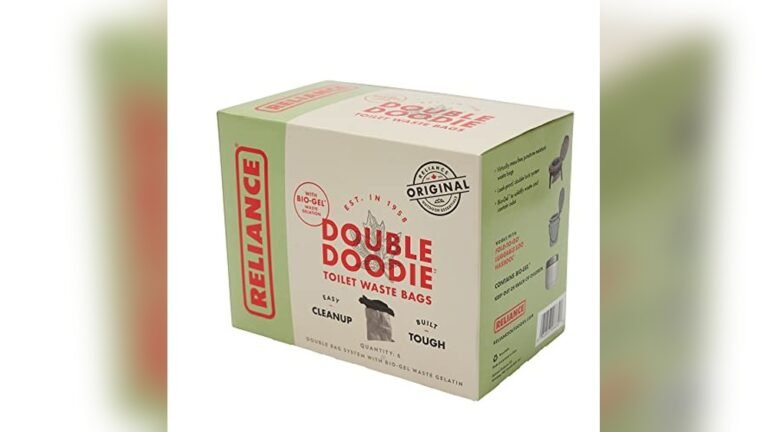
These bags have two layers—an inner bag for waste and an outer bag for sealing. This gives extra protection against leaks and smells.
2. Gel-based Bags
These contain a powder or gel inside. When you use the bag, the powder turns liquid waste into a gel. This makes carrying and disposal safer.
3. Compostable Bags
Made from plant-based materials, these bags will break down in a composting system. They are good for the environment but may not work everywhere, depending on local rules.
4. Odor-control Bags
Some bags have special chemicals or carbon to absorb odors. This is helpful if you must carry the bag for a long time.
5. Toilet Kit Bags
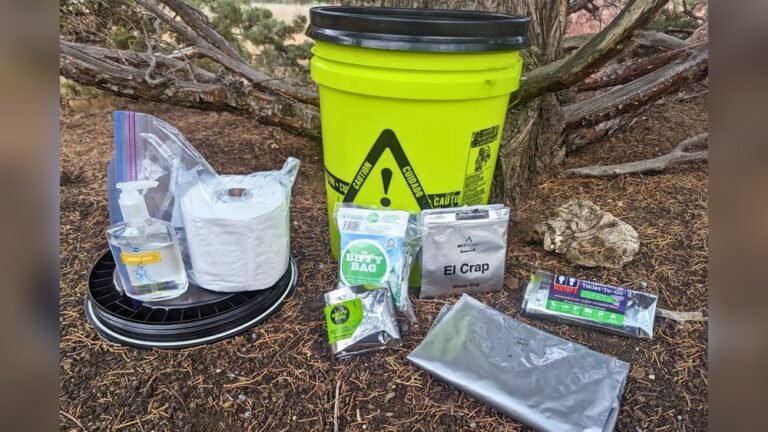
These bags come with extras like toilet paper, hand wipes, and hand sanitizer. Perfect for longer trips or when you need everything in one pack.
Here’s a quick comparison of the most common types:
| Bag Type | Leak Protection | Odor Control | Eco-Friendly | Best Use |
|---|---|---|---|---|
| Double-Sealed | Excellent | Good | Average | Long hikes, group camping |
| Gel-Based | Very Good | Very Good | Average | Carrying longer distances |
| Compostable | Good | Average | Excellent | Eco-sensitive areas |
| Odor-Control | Good | Excellent | Average | Hot climates, longer storage |
| Toilet Kit | Good | Good | Average | All-in-one convenience |
How Do Camping Toilet Waste Bags Work?
Using a camping toilet waste bag is very simple. Here’s how they usually work:
- Set up the bag. Open the bag and place it in a portable toilet, on the ground, or in a bucket.
- Do your business. Use the bag just as you would a toilet. Some people use a small seat or bucket for comfort.
- Seal the bag. Once finished, close the bag tightly. Most bags have a zip-lock or twist-tie seal.
- Pack out the waste. Place the sealed bag in your backpack or a separate trash bag. Always carry it to a proper disposal area.
Most bags have a waste treatment powder or gel inside. This powder absorbs liquid, kills germs, and reduces smell. The powder may also help break down the waste, making disposal safer.
Example: The Wag Bag
A popular product is the Wag Bag. It uses a double-layer system and special powder to turn waste into a solid. The Wag Bag is approved for use in many US parks. It shows how easy and safe these bags can be.
Why Use Camping Toilet Waste Bags?
Many people ask, “Why not just dig a hole?” There are several reasons to use waste bags instead:
- Environmental protection: Human waste can harm water, plants, and animals. Waste bags keep it contained.
- Regulations: Many parks require you to carry out all waste.
- Convenience: No need to dig or search for a private spot.
- Leave No Trace: Bags help you follow the Leave No Trace principles and keep nature wild for others.
In some popular areas, as many as 100,000 people hike or camp each year. If everyone left waste behind, it would quickly become a problem.
What To Look For When Choosing A Waste Bag
Not all bags are equal. Here are some key things to check before buying:
- Leak-proof design: Make sure the bag will not leak, even if carried for hours.
- Odor control: Look for bags with gel or carbon to block smells.
- Ease of sealing: A strong zip or twist tie is a must.
- Capacity: Most bags hold one to two uses. Check this if you need more.
- Eco-friendliness: Choose compostable bags if you care about the environment.
- Regulation compliance: Some parks or countries require special types of bags.
Here’s a simple table to compare the top brands by feature:
| Brand | Leak-Proof | Odor Control | Compostable | Includes Extras | Approx. Price (per bag) |
|---|---|---|---|---|---|
| Wag Bag | Yes | Yes | No | Yes | $2.50 |
| Cleanwaste Go Anywhere | Yes | Yes | No | Yes | $2.00 |
| RESTOP 2 | Yes | Yes | No | No | $2.25 |
| Green Elephant | Yes | No | Yes | No | $1.75 |
How To Use Camping Toilet Waste Bags Safely
Here are a few simple steps for safe and easy use:
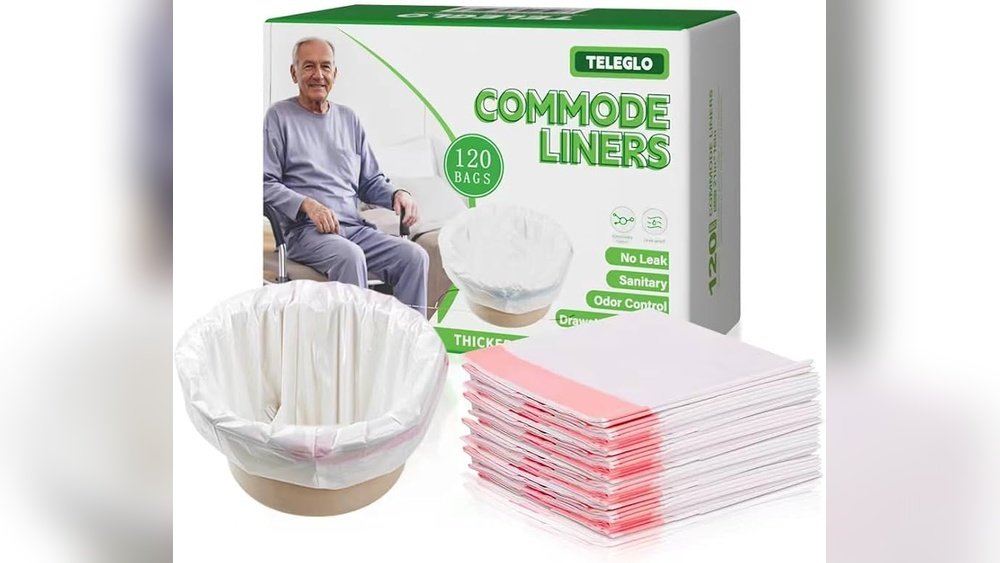
- Always set up the bag in a stable place. If you use a bucket or portable toilet, line it with the bag first.
- Keep toilet paper and hand sanitizer close by.
- Use the bag only as designed—do not overfill.
- Seal the bag tightly before packing it out.
- Store used bags in a separate, strong trash bag until you can dispose of them.
- Wash hands or use hand sanitizer after every use.
Pro tip: Practice at home before your trip. This makes it easier when you’re outdoors.

Credit: www.amazon.com
Where And How To Dispose Of Camping Toilet Waste Bags
Proper disposal is very important. Here are some tips:
- Most waste bags can go in any trash can. The powder inside makes the waste safe for landfill.
- Never throw used bags in the wild, in water, or bury them.
- Some bags are compostable, but only place them in proper composting facilities (not your home garden).
- In some areas, you must use special collection points. Check local rules before you go.
Did you know? In the US, the Bureau of Land Management and National Park Service recommend packing out all human waste. Using approved bags is often the easiest way to follow the rules.
Environmental Impact And Safety
Camping toilet waste bags are designed to be safe for people and the environment. The powder inside usually contains enzymes, gels, or chemicals that kill germs and stop odors. Some bags use plant-based materials, so they break down faster in landfills.
But not all bags are equally green. If you want the lowest impact:
- Choose compostable bags with plant-based liners.
- Use only as many bags as needed—do not waste them.
- Always follow disposal rules.
A recent study found that using waste bags can reduce water pollution in popular camping spots by over 50%. This shows the big effect small actions can have.
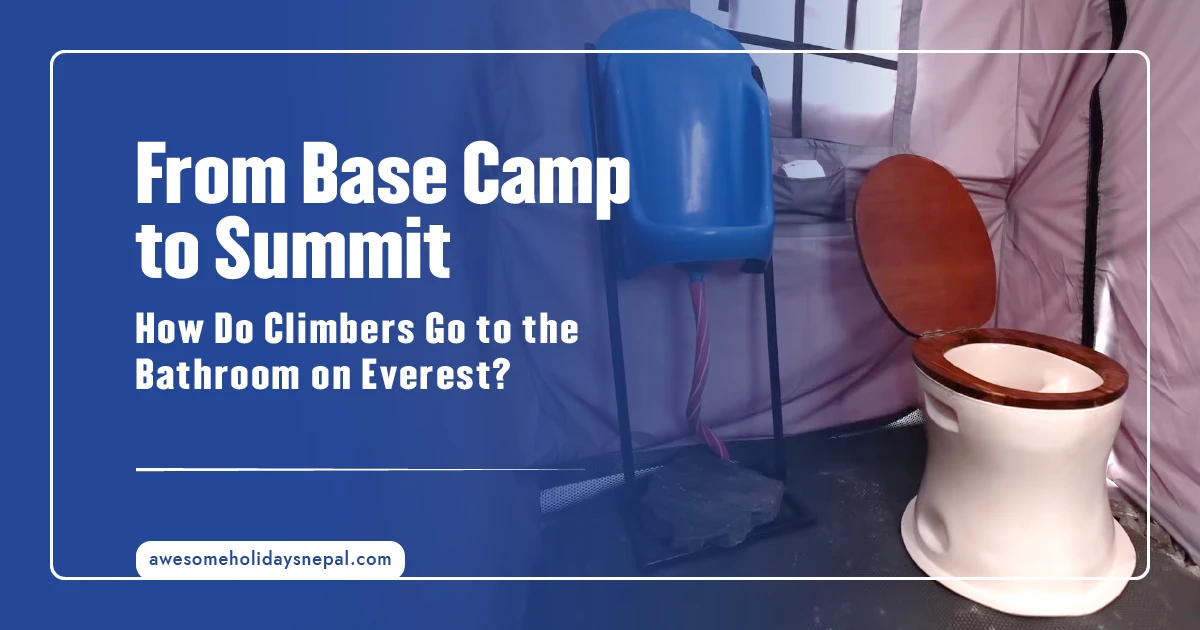
Credit: awesomeholidaysnepal.com
Common Mistakes When Using Camping Toilet Waste Bags
Many beginners make these mistakes:
- Overfilling the bag: This can cause leaks or make sealing hard.
- Not sealing tightly: Always double-check the seal to avoid smells or spills.
- Leaving bags behind: Never leave a used bag in the wild, even if it’s compostable.
- Ignoring local rules: Some areas have strict waste rules. Always check before your trip.
- Using the wrong type of bag: Some parks allow only approved brands.
Pro insight: Always carry a few extra bags. This helps if you need more than expected or help a fellow camper in need.
Real User Experiences
Many campers say waste bags have changed the way they camp. For example, backpackers on the John Muir Trail report that using these bags is much easier than digging holes or finding privacy. Families with kids also find them useful for quick, clean stops.
One hiker shared, “I was worried about carrying used bags, but the odor control really works. Now I always pack a few, just in case. ”
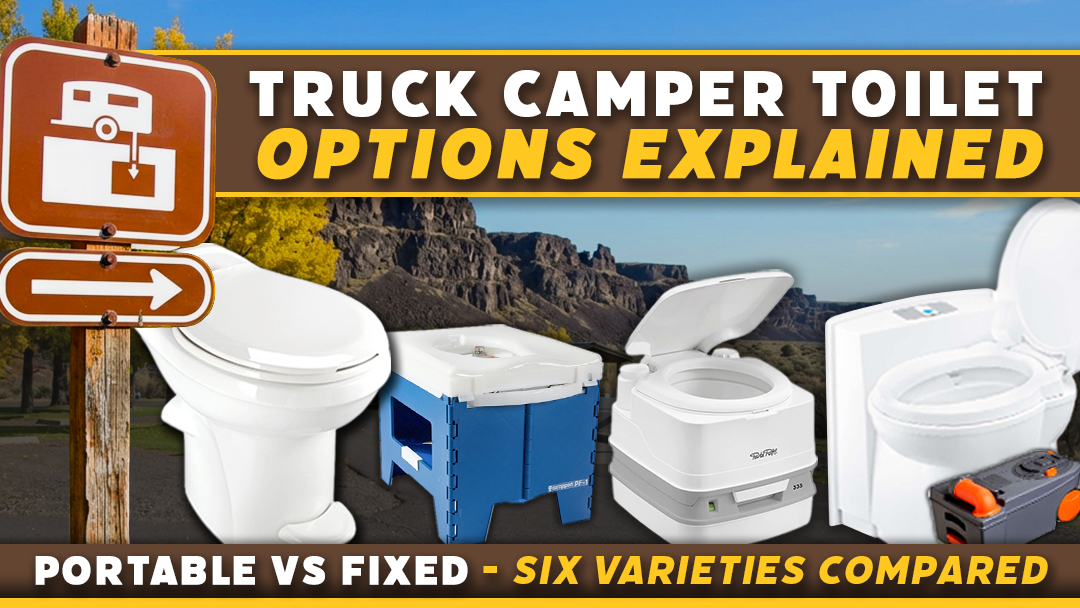
Credit: www.truckcampermagazine.com
Alternatives To Camping Toilet Waste Bags
While waste bags are very popular, you have other options:
- Portable camping toilets: These are larger and reusable, but you still need to empty them.
- Cat hole method: Digging a small hole is allowed in some areas, but not all.
- Composting toilets: Expensive and bulky, best for RVs or base camps.
Most hikers and campers find waste bags are the easiest and cleanest solution for short trips.
Frequently Asked Questions
How Many Times Can I Use A Single Waste Bag?
Most camping toilet waste bags are designed for one use. Some larger bags can handle two to three uses, but only if you seal the bag tightly each time. Always check the instructions on your bag.
Can I Use Regular Trash Bags Instead?
No, regular trash bags are not leak-proof or odor-proof. They do not contain waste treatment powder, so they are less safe and may not be allowed in parks. Always use bags made for human waste.
Are Camping Toilet Waste Bags Safe For Landfills?
Yes. Most bags are approved for landfill disposal. The treatment powder inside neutralizes germs and odors, making the waste safe for trash collection. Some bags are also compostable.
How Do I Keep The Bags From Smelling In My Backpack?
Choose bags with good odor control. Many contain gel or carbon to block smells. Keep used bags in a separate, sealed trash bag away from food or clothes.
Where Can I Buy Camping Toilet Waste Bags?
You can find them at outdoor stores, some supermarkets, and online retailers. Look for trusted brands and check that the bags meet local rules. For more details, see National Park Service.
Camping toilet waste bags are a simple but powerful tool for protecting nature. They make camping cleaner, safer, and more enjoyable for everyone. By choosing the right bag and using it properly, you help keep wild places beautiful for years to come.