Camping Toilet Cleaning Tools Guide: Must-Have Gear for Easy Cleanup
Camping Toilet Cleaning Tools Guide
Camping is a wonderful way to enjoy nature and escape daily stress. But dealing with waste is one of the less-glamorous parts of any trip. If you use a camping toilet, cleaning it properly is a must. Bad smells, germs, and messes can ruin your outdoor experience. Luckily, with the right cleaning tools and knowledge, you can keep your camping toilet fresh and hygienic. This guide covers everything you need to know about camping toilet cleaning tools—what to use, why they matter, and how to choose the best ones for your needs.
Why Proper Cleaning Matters
Camping toilets are very convenient, but they can become a health risk if not cleaned well. Harmful bacteria and odors build up quickly in small, closed spaces. Regular cleaning:
- Prevents bad smells
- Reduces the risk of illness
- Extends the life of your toilet
- Makes your camping trip more comfortable
Many campers underestimate how quickly a dirty toilet becomes a problem. Even for short trips, cleaning tools should be a top priority.
Essential Camping Toilet Cleaning Tools
Choosing the right tools makes cleaning much faster and easier. Here are the most important items you should have:
- Toilet Brush
- Disinfectant Spray or Solution
- Deodorizing Chemicals
- Biodegradable Toilet Cleaner
- Disposable Gloves
- Scrubbing Pads or Sponges
- Cleaning Wipes
- Waste Bags or Liners
- Collapsible Bucket
- Measuring Cup or Scoop
- Spray Bottle with Water
- Absorbent Powder
- Sealant or Lubricant Spray
- Hand Sanitizer
- Portable Waste Tank Rinse Hose
Let’s look at each tool in detail.
1. Toilet Brush
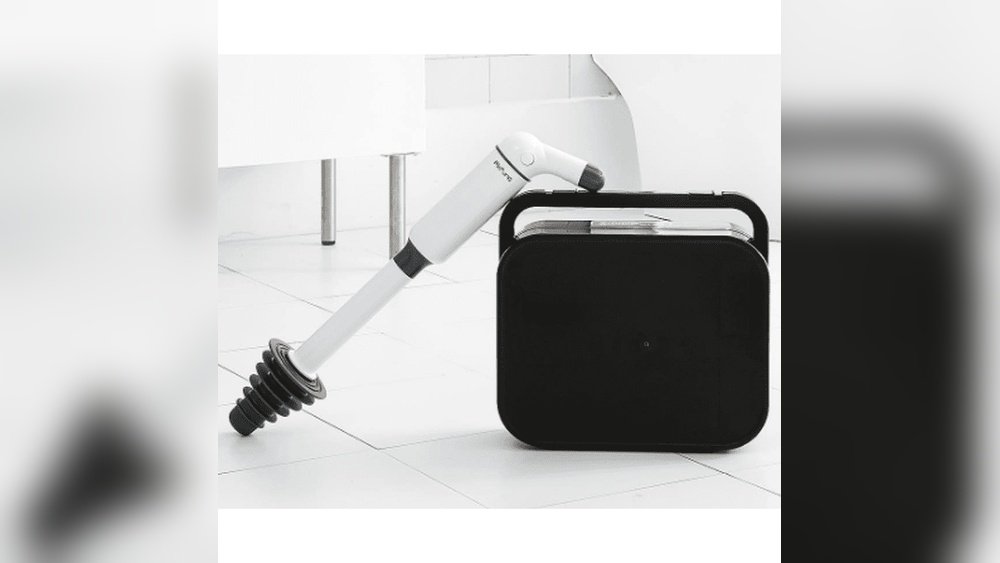
A toilet brush is your main tool for scrubbing the bowl. For camping, choose a small, lightweight brush with a cover. Some have a foldable handle for easy packing. A brush with stiff bristles removes stains and stuck waste. Silicone brushes are popular because they dry quickly and don’t hold germs.
2. Disinfectant Spray Or Solution
Disinfectant sprays kill bacteria and remove odors. Look for products that work fast and are safe for plastic, since most camping toilets are plastic. Some campers use homemade solutions (like vinegar and water), but commercial sprays are usually more effective against tough germs.
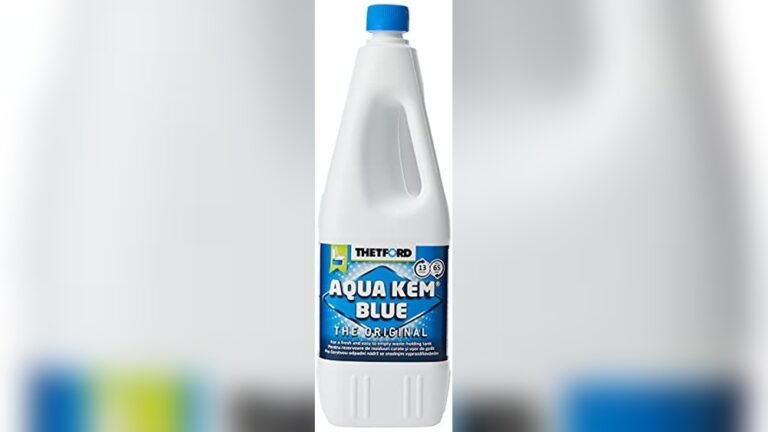
3. Deodorizing Chemicals
Deodorizing chemicals break down waste and control smells. They often come as liquids, powders, or tablets. Many are made to be safe for the environment. Using them regularly stops bad smells before they start.
4. Biodegradable Toilet Cleaner
A biodegradable cleaner is gentle on nature and safe for septic systems. It’s important because some campsites have strict waste rules. These cleaners break down waste without harming the environment.
5. Disposable Gloves
Disposable gloves protect your hands from germs. Nitrile or latex gloves are best. Always wear new gloves each time you clean your toilet. This stops the spread of bacteria and keeps your hands clean.
6. Scrubbing Pads Or Sponges
Scrubbing pads help clean tough spots inside the toilet. Choose non-scratch pads so you don’t damage the bowl. Some pads have a rough side for stains and a soft side for everyday cleaning.
7. Cleaning Wipes
Cleaning wipes are good for quick clean-ups. Use them to wipe the seat, handle, or any touchable part. Pick antibacterial wipes for better germ protection. Wipes are also handy for emergencies when you can’t use water.
8. Waste Bags Or Liners
Waste bags make emptying your toilet less messy. Some have special chemicals to break down waste and control smell. Double-bagging helps avoid leaks. Always choose bags that are leak-proof and approved for camping use.
9. Collapsible Bucket
A collapsible bucket is useful for rinsing parts of your toilet or carrying water. It folds flat for easy storage. Choose a sturdy one that stands up when filled.
10. Measuring Cup Or Scoop
A measuring cup helps add the right amount of cleaning chemicals or water. This prevents overuse and waste. A dedicated scoop also works if you don’t want to use your kitchen items.
11. Spray Bottle With Water
A simple spray bottle filled with water can rinse small parts or help dilute cleaning products. It’s also useful for washing down surfaces after scrubbing.
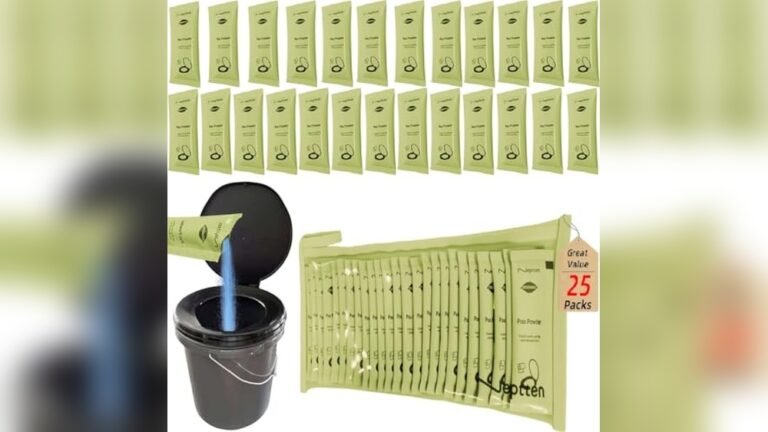
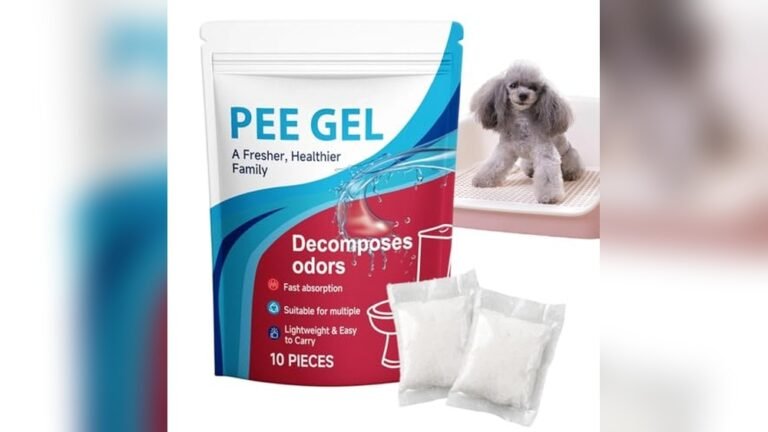
12. Absorbent Powder
Absorbent powder solidifies liquid waste for easier clean-up. It’s especially helpful if your toilet doesn’t have a holding tank. The powder also controls odors until you can dispose of waste.
13. Sealant Or Lubricant Spray
Sealant spray keeps toilet seals soft and prevents leaks. Rubber seals dry out over time, leading to odor escapes. A few sprays after cleaning keeps everything tight and smooth.
14. Hand Sanitizer
Hand sanitizer is a must for any cleaning task. Use it before and after handling the toilet or any waste. Choose a sanitizer with at least 60% alcohol for best results.
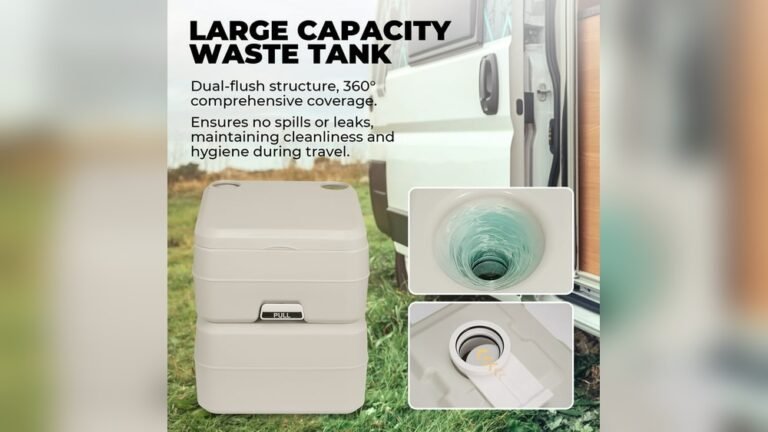
15. Portable Waste Tank Rinse Hose
A rinse hose helps flush out the waste tank. Some connect to standard garden hoses, while others are built for camping use. A high-pressure rinse removes stuck waste and keeps tanks clean.
How To Clean Your Camping Toilet: Step-by-step
Follow these steps for a clean, odor-free toilet:
- Put on disposable gloves. Never clean without hand protection.
- Empty the waste tank. Do this at a proper dump station or as local rules allow.
- Rinse the tank with water using a collapsible bucket or rinse hose.
- Scrub the toilet bowl with a brush and biodegradable cleaner.
- Spray disinfectant on all surfaces: Seat, lid, flush handle.
- Wipe surfaces with cleaning wipes for extra germ removal.
- Add deodorizing chemicals or absorbent powder to the tank.
- Check and spray seals with lubricant to prevent leaks.
- Wash your hands with sanitizer after removing gloves.
Repeat these steps after every trip or when odors appear.
Comparing Popular Camping Toilet Cleaning Tools
It can be confusing to pick the best tool for your setup. Here’s a quick comparison of some top products:
| Tool | Best Feature | Typical Price | Weight |
|---|---|---|---|
| Silicone Toilet Brush | Dries quickly, no odor retention | $8–$15 | Light |
| Biodegradable Cleaner | Safe for the environment | $5–$10 | Medium |
| Absorbent Powder | Turns liquid to solid, odor control | $10–$18 | Very light |
| Portable Rinse Hose | High-pressure cleaning | $12–$25 | Light |

Credit: www.amazon.com
What To Look For When Choosing Cleaning Tools
Not every tool is right for every camper. Consider these points:
- Size and weight: Backpackers need lightweight, small tools. RV campers can carry more.
- Ease of use: Foldable or compact tools save space and pack easily.
- Eco-friendliness: Choose biodegradable cleaners and waste bags to protect nature.
- Durability: Tools with sturdy handles and strong bristles last longer.
- Compatibility: Some chemicals or wipes can damage certain toilet types—check your toilet’s manual.
It’s easy to forget small tools, but often those make the biggest difference in comfort.
Mistakes Campers Often Make
Even experienced campers sometimes make avoidable errors. Watch out for these:
- Using harsh chemicals that harm the toilet or the environment.
- Skipping gloves and risking contact with germs.
- Forgetting to clean seals, causing leaks and odors later.
- Not reading product labels for compatibility.
- Using kitchen sponges for toilet cleaning (always keep tools separate).
A little planning prevents a lot of headaches in the wild.

Credit: www.amazon.com
Tips For Easier And Cleaner Camping Toilets
- Always pack extra waste bags and gloves. Spares are better than running out.
- Clean your toilet before storing it at home. Dry all parts well to prevent mold.
- Use colored gloves for toilet cleaning and another color for food, so you don’t mix them up.
- Label your cleaning supplies bag to avoid confusion.
- Bring a small sealable trash bag for used wipes and gloves until you can dispose of them safely.
- If possible, clean your toilet during daylight. It’s easier to see and avoid accidents.
Real World Example: Portable Vs. Cassette Toilets
Many campers ask which cleaning tools work best for different toilet types. Here’s a side-by-side look:
| Feature | Portable Toilet | Cassette Toilet |
|---|---|---|
| Typical Size | Small, freestanding | Built into RV or camper |
| Cleaning Frequency | Every 1–2 days | Every 3–5 days |
| Best Tools | Brush, wipes, waste bags | Rinse hose, chemicals, seal spray |
| Ease of Cleaning | Quick, simple | More steps, but cleaner result |
Essential Cleaning Kit: What To Pack
Based on many camping trips, here’s a simple kit that covers most needs:
- Small toilet brush with cover
- Travel-size biodegradable cleaner
- 10–20 disposable gloves
- 10–15 cleaning wipes
- 5–10 waste bags with odor control
- Mini spray bottle with water
- Small scrubbing pad
- Pocket-size hand sanitizer
- Small tube of sealant spray
This kit fits in a 1-gallon zip bag and weighs less than 2 pounds.
Latest Innovations In Camping Toilet Cleaning
Brands are bringing new ideas to make camping cleaner and easier:
- Self-cleaning brushes: Some have antimicrobial coatings.
- Ultra-compact sprays: Smaller bottles with strong formulas.
- Eco-friendly chemicals: Plant-based, quick-acting, and safe for all waste systems.
- Disposable liners: Compostable and leak-proof, easy to use anywhere.
For more on eco-friendly camping, check out the Leave No Trace guidelines.
Credit: evercrestportapottyrentalanaheim.com
Frequently Asked Questions
What Is The Most Important Camping Toilet Cleaning Tool?
The toilet brush is the most important. It removes waste and prevents stains. Combined with a good cleaner, it keeps your toilet fresh.
Are Camping Toilet Chemicals Safe For The Environment?
Many modern camping toilet chemicals are biodegradable and safe. Always check the label and choose eco-friendly options.
How Often Should I Clean My Camping Toilet?
Clean your toilet after every trip and at least every 2–3 days during long stays. Don’t wait for smells or stains to appear.
Can I Use Home Cleaning Products For My Camping Toilet?
Some home cleaners can damage plastic or harm the environment. Use products made for camping toilets for best safety and results.
What Should I Do If My Toilet Still Smells After Cleaning?
Try using more deodorizing chemicals or absorbent powder. Check seals for leaks and clean all surfaces again. If smells continue, deep clean the waste tank.
Keeping your camping toilet clean doesn’t have to be a chore. With the right tools and habits, you can enjoy your time outdoors—odor and worry free.