Camping Toilet Accessories Explained: Must-Have Gear for Comfort
Camping Toilet Accessories Explained
Camping is a great way to enjoy nature, but it brings some challenges too. One common worry is how to manage bathroom needs outdoors. Whether you camp in a tent, van, or RV, having the right camping toilet accessories can make your trip easier and more comfortable. These tools help you stay clean, protect the environment, and feel more at home—no matter where you set up camp. In this guide, you’ll learn what each accessory does, how to choose the best ones, and some tips most beginners miss.
Why Camping Toilet Accessories Matter
Many campsites do not have toilets. Even when they do, the facilities can be dirty or crowded. Portable toilets and their accessories offer privacy, hygiene, and safety. They also protect the environment, as leaving waste outside is harmful and sometimes illegal.
With the right gear, you can enjoy your trip without stress.
Essential Camping Toilet Accessories
Let’s look at the most important items you may need. Each serves a unique role. Some are basic, others add extra comfort or convenience.
1. Portable Camping Toilets
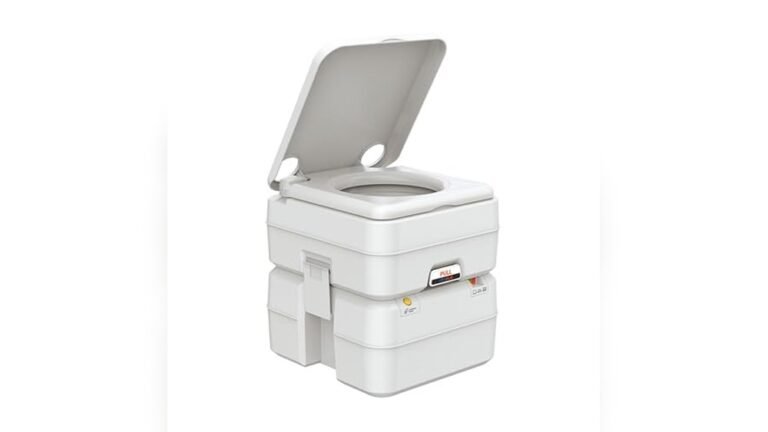
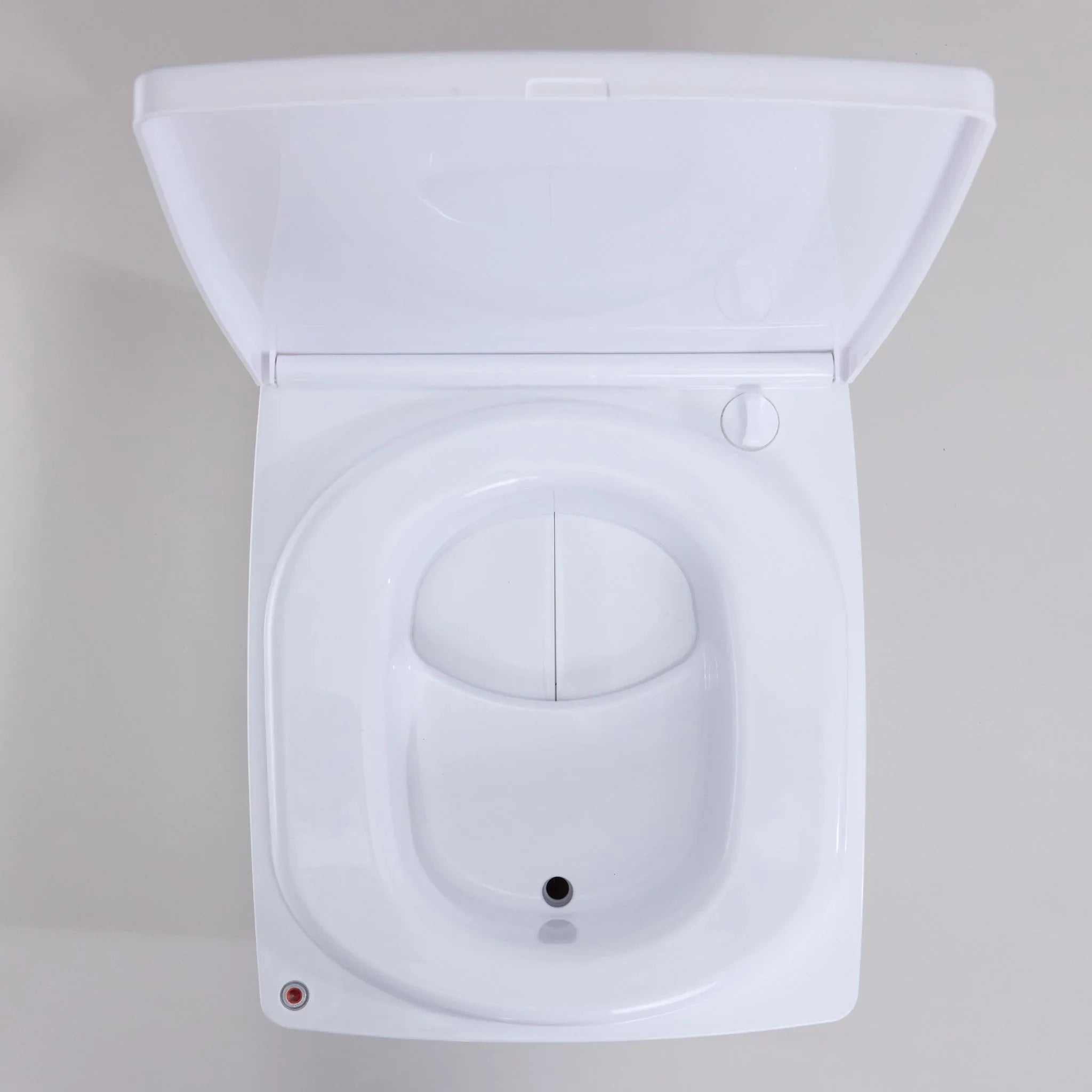
A portable camping toilet is the core item. There are many types:
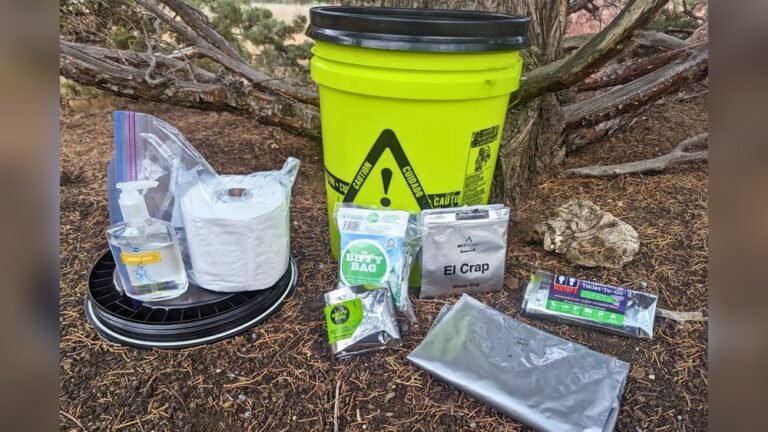
- Bucket toilets: Simple and affordable. Just a bucket with a seat.
- Flush toilets: Have a water tank and flush like a home toilet.
- Bag toilets: Use waste bags for easy disposal.
Most models hold waste until you can throw it away properly. Some use chemicals to reduce smell and break down solids.
2. Toilet Bags (waste Bags)
Toilet bags are special plastic bags designed for human waste. They come in different types:
- Double-layer bags: Prevent leaks.
- Compostable bags: Good for the environment.
Some bags have gels or powders that turn liquids into solid, making disposal easy and less messy.
3. Biodegradable Toilet Paper
Regular toilet paper is not always safe to bury or flush in the wild. Biodegradable toilet paper breaks down quickly and is safe for nature. It is gentle, strong, and often comes in small rolls for travel.
4. Privacy Shelters
A privacy shelter is a portable tent or screen. It gives you a place to use the toilet in private. Some shelters have hooks for toilet paper, pockets for hand sanitizer, and are easy to set up in minutes.
5. Hand Sanitizer And Wipes
Hand hygiene is critical outdoors. Hand sanitizers kill germs quickly, while wipes help clean your hands and the toilet area. Choose unscented or biodegradable wipes to protect nature.
6. Chemical Deodorizers
Chemical deodorizers are used in portable toilets to control odor and break down waste. Some are liquids, others are powders or tablets. Look for eco-friendly options, as they are less harmful to plants and animals.
7. Toilet Seat Covers
Toilet seat covers add comfort and hygiene, especially if sharing the toilet. Disposable and reusable covers are available. Some are padded for extra comfort.
8. Portable Bidet
A portable bidet is a small spray bottle or nozzle for washing after using the toilet. It improves cleanliness, reduces toilet paper use, and is gentle on sensitive skin.
9. Trowel Or Small Shovel
When no toilet is available, you may need to bury your waste. A camping trowel or shovel helps you dig a small hole (at least 6 inches deep) to bury solid waste safely.
10. Toilet Tent Lighting
Using the toilet at night can be tricky. Toilet tent lights are small, battery-powered lights that make it safe to see in the dark. Some have hooks or magnets to attach to your shelter.
11. Toilet Paper Holder
A toilet paper holder keeps your roll dry and clean. Some holders hang from the privacy tent, while others are waterproof bags that fit in your backpack.
12. Odor-proof Storage Bags
Odor-proof bags are used to store used wipes, toilet paper, or waste bags until you can dispose of them. They seal tightly and keep smells inside.
13. Gloves
Disposable gloves protect your hands when cleaning or handling waste bags. Nitrile or latex gloves are both popular choices.
14. Disinfectant Spray
Disinfectant spray helps keep your toilet, seat, and nearby surfaces clean. Look for a small, travel-size bottle that kills bacteria and viruses.
15. Trash Bags
Bring a few heavy-duty trash bags to store used supplies until you find a trash can. Choose thick bags to avoid leaks and tears.
Comparing Popular Camping Toilets
Here’s a quick look at three common types of camping toilets and how they compare:
| Type | Weight | Ease of Use | Odor Control | Average Price |
|---|---|---|---|---|
| Bucket Toilet | 2-4 lbs | Very Easy | Low (needs deodorizer) | $20-$40 |
| Flush Toilet | 8-14 lbs | Moderate | High | $60-$120 |
| Bag Toilet | 1-2 lbs | Very Easy | Medium | $15-$30 |
How To Choose The Right Accessories
Not every camper needs the same gear. Here are some things to consider:
- Trip length: For weekends, basic items may be enough. Longer trips need extra supplies and backup items.
- Group size: More people means more waste. Bring extra bags, toilet paper, and sanitizer.
- Type of camping: Backpackers need light, compact gear. Car campers can carry larger toilets and shelters.
- Local rules: Some parks require you to pack out all waste. Always check the rules before you go.
- Personal comfort: Some people want just the basics, while others prefer more comfort and privacy.
Credit: accessories.toiletpartitions.com
Smart Packing Tips
Packing right can make your toilet setup much easier:
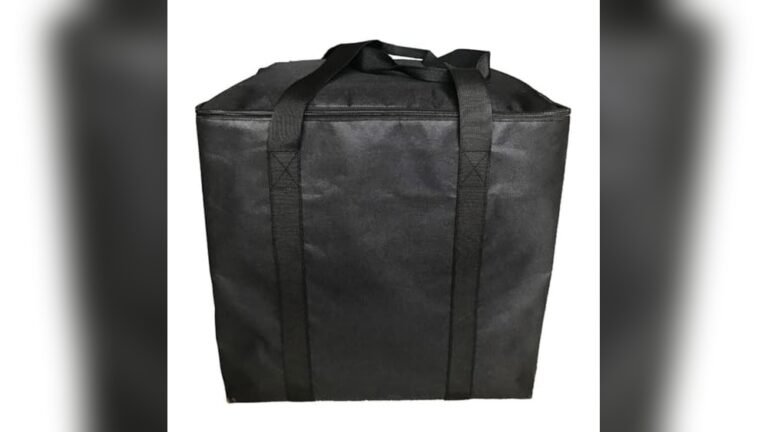
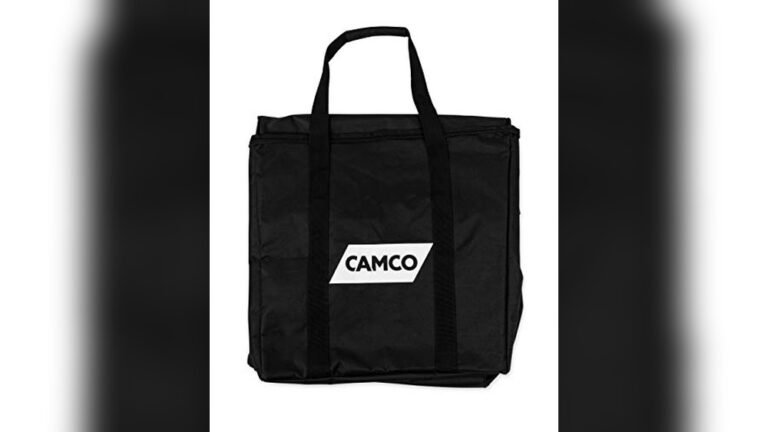
- Keep essentials together: Use a separate bag for all toilet items.
- Double-bag waste: Put used bags inside a second trash bag to prevent leaks.
- Label bags clearly: Mark clean and dirty items to avoid confusion.
- Bring extra supplies: Always have more toilet paper, bags, and sanitizer than you think you need.
- Test at home: Try setting up your toilet and shelter before your trip.
Avoiding Common Beginner Mistakes
Even experienced campers make mistakes. Here are two insights many miss:
- Not bringing enough waste bags: People often underestimate how many bags they will use. Always pack extra.
- Ignoring privacy needs: Some think they will “just go in the woods.” But privacy shelters make the experience less stressful, especially for families or mixed groups.
Another mistake is choosing the wrong chemicals for portable toilets. Some products can harm plants or animals if spilled. Pick only eco-safe options.

Credit: dry-flush.com
Table: Essential Accessory Checklist
Use this checklist to make sure you don’t forget anything:
| Accessory | Why You Need It | Replace/Refill? |
|---|---|---|
| Portable Toilet | Main item for waste | Clean after every trip |
| Toilet Bags | Easy waste disposal | Bring plenty |
| Biodegradable Toilet Paper | Safe for nature | Always bring extra |
| Hand Sanitizer | Quick hand cleaning | Refill as needed |
| Privacy Shelter | Private toilet space | One per group is enough |
Environmental Impact And Leave No Trace
Campsites are getting more visitors every year. Human waste can pollute water, spread disease, and harm wildlife. The Leave No Trace principle means you pack out all waste, or bury it only where allowed.
- Use only biodegradable products.
- Never leave wipes, toilet paper, or bags behind.
- Follow all park rules.
Some parks now require you to use wag bags or portable toilets. This keeps nature clean for everyone.
Credit: compocloset.com
Table: Cost Comparison Of Key Accessories
How much should you budget for toilet accessories? Here’s a typical breakdown:
| Accessory | Average Cost | How Long It Lasts |
|---|---|---|
| Bucket Toilet | $25 | 5+ years |
| Toilet Bags (pack of 10) | $15 | One trip (varies) |
| Biodegradable Toilet Paper (4 rolls) | $6 | Multiple trips |
| Hand Sanitizer (8 oz) | $3 | 2-3 trips |
| Privacy Shelter | $40 | Many years |
Practical Advice For Families And Groups
Traveling with kids or friends? Here are a few extra tips:
- Assign tasks: Let everyone know how to use and clean the toilet.
- Explain rules: Teach kids about privacy and hygiene outdoors.
- Have a backup: Bring a second toilet or extra bags for emergencies.
Useful Resources
For more details on outdoor hygiene and Leave No Trace, check the Leave No Trace Center for Outdoor Ethics.
Final Thoughts
The right camping toilet accessories can change your outdoor experience. They add comfort, protect nature, and make cleanup easy. Start with the basics, then add extras for more comfort. Always plan ahead, respect the environment, and teach others to do the same.
With a little preparation, you can enjoy nature without worry.
Frequently Asked Questions
What Is The Best Type Of Camping Toilet For Beginners?
A bucket toilet is best for most beginners. It is easy to use, low-cost, and works almost anywhere. Just add waste bags and a seat for comfort.
How Do I Dispose Of Waste Bags While Camping?
Used toilet bags should be packed out and thrown in a regular trash bin when you leave. Never bury or burn them, even if they are labeled biodegradable.
Are Chemical Deodorizers Safe For The Environment?
Some chemical deodorizers are safe, but not all. Look for products marked as eco-friendly and avoid those with harsh chemicals. Always read the label before buying.
Can I Use Regular Toilet Paper While Camping?
You can, but biodegradable toilet paper is better. It breaks down faster and is safer for the outdoors. Regular toilet paper takes longer to decompose and can harm wildlife.
Is A Privacy Shelter Really Necessary?
A privacy shelter is not required, but it adds comfort and safety, especially in busy campsites or with groups. Many campers find it makes the experience much more pleasant.