What are Camping Toilet Liners: Ultimate Guide for Outdoor Hygiene
What Are Camping Toilet Liners
Camping is a special way to connect with nature. But when it comes to using the toilet outdoors, things can get tricky. Many people wonder, “Is there a clean and simple solution?” The answer is yes! Camping toilet liners are a smart tool for anyone who enjoys the outdoors. They help you stay clean, protect the environment, and make your camping trip less stressful.
In this article, you’ll discover what camping toilet liners are, how they work, the different types, and why they’re important. We’ll also compare options, share tips, and answer common questions. If you want a comfortable and clean camping experience, read on.
What Are Camping Toilet Liners?
A camping toilet liner is a special bag or sheet used inside portable camping toilets, buckets, or simple toilet setups. The liner collects waste and makes cleaning up much easier. Instead of scrubbing a dirty toilet, you just remove the liner and throw it away (or compost it, if it’s biodegradable).
Most liners are made from plastic or plant-based materials. Some even have chemicals that turn liquid into gel. This controls odor and prevents leaks. The main goal of a camping toilet liner is to keep things clean, safe, and simple—no matter where you camp.
Why Use Camping Toilet Liners?
Hygiene
Camping toilets can get messy fast. Liners create a barrier between waste and the toilet. This means less contact with germs and easier cleaning.
Environmental Protection
Human waste can pollute water and harm animals if left in nature. Liners help you pack out waste and dispose of it safely, following Leave No Trace principles.
Convenience
No one likes scrubbing a dirty toilet in the woods. With liners, you just tie up the bag and throw it away. This saves time and effort.
Odor Control
Many liners have odor-blocking features. Some use special gels or powders to trap smells inside the bag.
Legal Requirements
Some parks and protected areas require you to pack out all waste, not just trash. Using liners helps you follow these rules.

Credit: www.treelinereview.com
Types Of Camping Toilet Liners
There are different types of camping toilet liners. Choosing the right one depends on your needs, budget, and how you camp.
1. Basic Plastic Liners
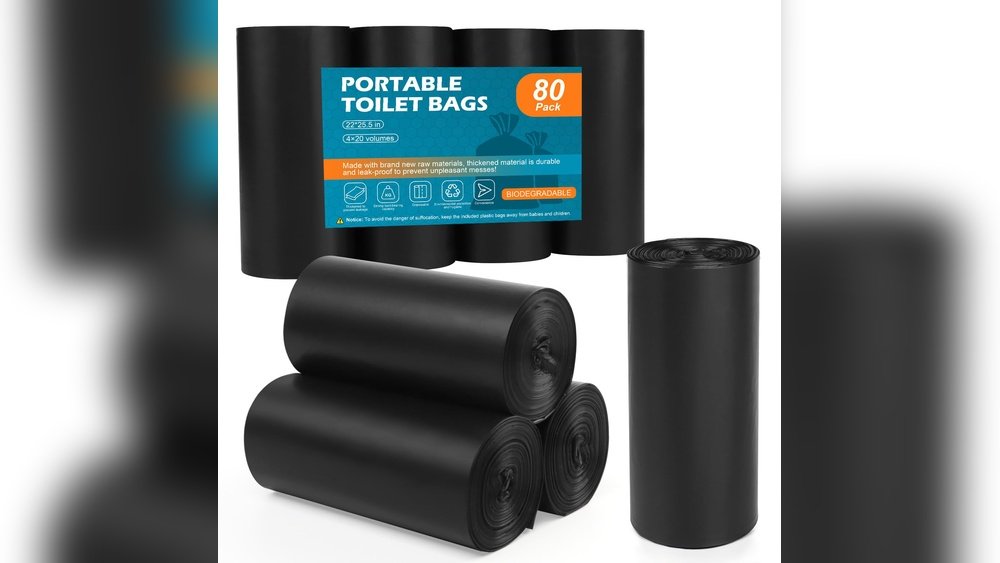
These are strong plastic bags that fit inside your toilet or bucket. They are cheap and easy to use. However, they are not eco-friendly and should only be used if you can dispose of them properly.
2. Biodegradable Liners
Made from plant-based materials, these liners break down faster in landfills. They are better for the environment. Still, they must be disposed of in the right place—never left in nature.
3. Gel Or Powder Liners
These liners have a chemical powder or gel. When waste touches the powder, it turns liquid into a gel. This stops leaks and reduces smells. These are great for longer trips or when hiking in hot weather.
4. Double-bag Liners
Some liners use two layers. The inner bag holds the waste, while the outer one adds extra protection. This type is best for areas where leaks could cause big problems.
5. Compostable Liners
Compostable liners break down in compost systems. They are made from materials like cornstarch. Make sure to check if your camping site accepts compostable waste.
Here’s a quick comparison of popular liner types:
| Type | Main Material | Eco-Friendly | Odor Control | Price |
|---|---|---|---|---|
| Plastic | Polyethylene | No | Low | Low |
| Biodegradable | Plant-based | Yes | Medium | Medium |
| Gel/Powder | Plastic + Gel | Some | High | High |
| Compostable | Cornstarch | Yes | Medium | Medium |
How Do Camping Toilet Liners Work?
Using a camping toilet liner is simple:
- Open your portable toilet or bucket.
- Place the liner inside, making sure it covers the sides.
- If the liner has powder or gel, add it before use.
- Use the toilet as you normally would.
- When done, tie the liner tightly.
- Dispose of the liner in a proper waste bin or follow park rules.
Some liners come with twist-ties, drawstrings, or sticky edges. Always read the instructions on the package.
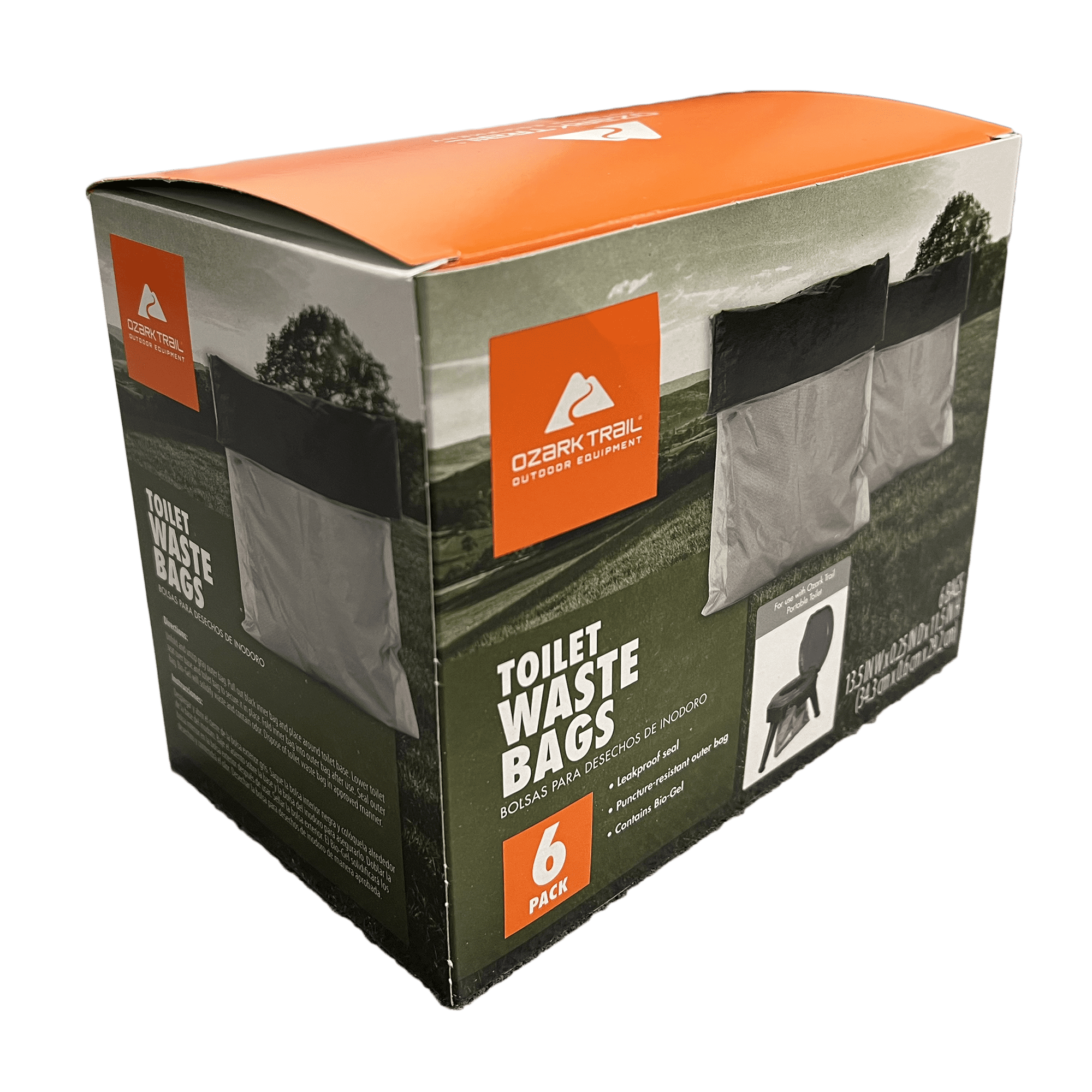
Credit: www.walmart.com
Key Features To Look For
Not all liners are the same. Here’s what to check before you buy:
- Strength: The bag should not tear easily. Thin bags can rip and make a mess.
- Size: Make sure the liner fits your toilet or bucket. Too small, and it won’t work.
- Leak-Proof: Double-layer or gel liners help prevent leaks.
- Odor Control: Liners with gel, powder, or built-in deodorizers keep smells down.
- Eco-Friendliness: Choose biodegradable or compostable liners for less waste.
- Ease of Use: Look for liners with handles, drawstrings, or easy-to-tie tops.
Here’s a side-by-side look at what matters most:
| Feature | Why It Matters | Tips |
|---|---|---|
| Strength | Prevents rips and leaks | Choose 1.5 mil or thicker |
| Odor Control | Makes camping more pleasant | Look for “scented” or “gel” |
| Disposal Options | Follow park/campsite rules | Check if landfill/composting is allowed |
How To Choose The Right Camping Toilet Liner
Picking the best liner depends on your style of camping:
- For solo hikers: Lightweight, small liners are best.
- For family camping: Strong, large, double-layer liners help prevent accidents.
- For eco-camping: Compostable or biodegradable liners are ideal.
- For long trips: Odor-control liners with gel or powder keep things fresh.
Pro tip: Always bring extra liners. Weather, group size, and unexpected delays can increase your needs.

Credit: www.amazon.com
How To Use And Dispose Of Camping Toilet Liners Properly
Using liners is only part of the process. Safe disposal is just as important.
Using The Liner
- Always check for tears before placing the liner in your toilet.
- Add powder or gel if your liner uses it.
- Do not overfill. Most liners hold 1–2 uses before they should be changed.
Removing And Tying
- Tie or seal the liner as soon as you’re done.
- Avoid squeezing or pressing the full bag.
Disposal
- Never bury liners, even if they’re biodegradable.
- Use marked trash bins, or follow the park’s rules for waste disposal.
- Some parks require you to carry waste out. In these cases, use double-bagged liners.
Non-obvious insight: Even biodegradable liners need proper disposal. They only break down in certain conditions, like commercial composting—not in the woods.
Camping Toilet Liners Vs. Other Waste Solutions
There are a few ways to handle waste while camping. Liners are just one option. Here’s how they compare:
| Method | Pros | Cons |
|---|---|---|
| Toilet Liners | Easy, clean, less contact | Must carry out, cost money |
| Digging a Hole (Cathole) | Simple, no supplies needed | Not allowed everywhere, can pollute |
| Composting Toilets | Eco-friendly, turns waste into compost | Bulky, expensive |
| WAG Bags | Seals waste, used in parks | More costly, single-use |
Non-obvious insight: Some public lands only allow specific waste bags approved for their environment. Always check rules before you camp.
Common Mistakes Campers Make
Even experienced campers can make mistakes with toilet liners. Avoid these common errors:
- Using regular trash bags: These can tear easily and are not designed for human waste.
- Overfilling liners: It’s tempting to use one bag for the whole day, but this increases the risk of leaks and odor.
- Improper disposal: Leaving full bags at campsites or burying them is harmful. Always use approved disposal methods.
- Ignoring local rules: Some parks have strict waste rules. Research before your trip.
- Not carrying backups: Weather, illness, or extra people can change your plans. Always bring more liners than you think you need.
Benefits Of Using Camping Toilet Liners
- Healthier camping: Less contact with waste means fewer germs and less sickness.
- Protects nature: Prevents pollution and keeps water clean.
- Saves time: No need to clean or scrub toilets.
- Reduces odor: Special liners trap smells inside.
- Meets park rules: Many places require waste to be packed out.
Real-world Examples
- In Yellowstone National Park, backcountry campers must pack out all waste. Liners with gel help hikers follow these rules.
- Families camping at festivals use double-bagged liners to manage waste for kids and adults, keeping tents clean and odor-free.
- Kayakers on rivers use compostable liners that fit in portable toilets, protecting water from contamination.
Where To Buy Camping Toilet Liners
You can find liners in outdoor stores, big-box retailers, or online. Popular brands include Cleanwaste, Reliance, and Green Elephant. Choose a brand with good reviews and clear instructions.
For more information on Leave No Trace and waste management, see the National Park Service guide.
Frequently Asked Questions
What Are Camping Toilet Liners Made Of?
Most liners are made from polyethylene (plastic), plant-based materials, or cornstarch blends. Some have added powder or gel for odor control. Biodegradable and compostable options are also common.
Can I Use Regular Trash Bags As Camping Toilet Liners?
It’s not recommended. Trash bags can tear easily and may not control odor or leaks. Special camping liners are thicker and safer for waste.
Are Camping Toilet Liners Safe For The Environment?
Some liners are eco-friendly, like biodegradable or compostable types. However, all liners should be disposed of properly. Never leave them in nature, even if the label says they break down.
How Many Toilet Liners Do I Need For A Weekend Trip?
Plan for at least one liner per person, per day, plus extra for emergencies. If you have kids or expect bad weather, bring more.
Do I Need To Use A Toilet Liner In Every Portable Toilet?
Not always, but liners make cleaning easier and reduce mess. Some campgrounds require them, especially in sensitive areas or parks.
Camping toilet liners are a simple tool that make outdoor trips cleaner, safer, and more enjoyable. By choosing the right type, using it correctly, and following disposal rules, you help protect nature and make your adventure worry-free.