What Chemicals to Use in Camping Toilet: Essential Guide
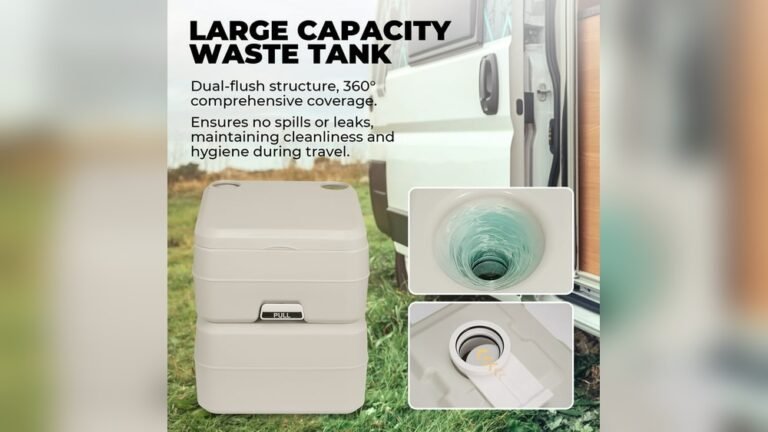
When you’re camping, a portable toilet can make your trip much more comfortable. But a camping toilet is only as good as the chemicals you use in it. The right chemicals keep smells away, break down waste, and make cleaning easier.
If you pick the wrong product, you might face bad odors or even damage your toilet. Many beginners don’t realize that the type of chemical really matters—or that there are green choices. This guide explains exactly what chemicals to use in a camping toilet, how they work, and how to choose the best one for your trip.
Why Use Chemicals In A Camping Toilet?
When you use a portable toilet, waste and toilet paper mix together. If you don’t treat this mix, it smells quickly and is hard to clean. Chemicals help in three ways:
- Control odor: They stop bad smells.
- Break down waste: They make waste and paper liquid, so it’s easy to empty the tank.
- Kill germs: Some chemicals destroy bacteria and keep the toilet safe.
Without chemicals, your portable toilet can quickly become unpleasant—especially in hot weather or if used by several people.
Types Of Camping Toilet Chemicals
Not all chemicals are the same. The main types are:
- Blue Chemicals (Deodorizer)
- Green Chemicals (Eco-friendly)
- Pink Chemicals (Flush Additive)
- Rinse Additives
- Enzyme-based Chemicals
- Formaldehyde-based Chemicals
- Biocide-based Chemicals
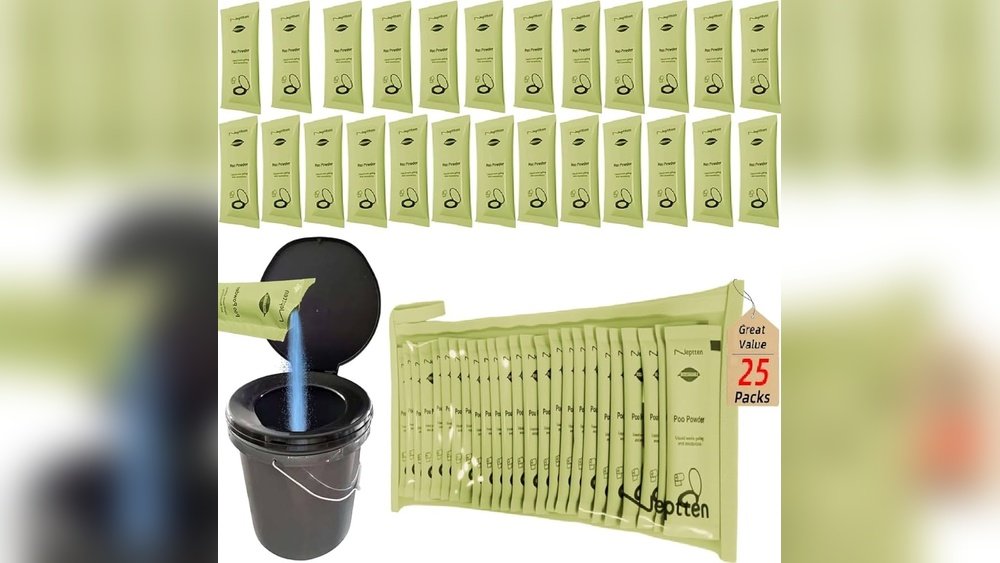
- Powder/Sachet Toilet Chemicals
- DIY or Homemade Solutions
Let’s look at each type and see how they work.
1. Blue Chemicals (deodorizer)
Blue chemicals are the most common. They have a strong smell and turn the waste tank water blue. Their main job is to stop bad odors and break down waste. Most blue chemicals use biocides or formaldehyde.
Advantages:
- Very effective at removing smells
- Break down waste fast
Disadvantages:
- Not always safe for the environment
- Some campgrounds do not allow them
2. Green Chemicals (eco-friendly)
Green chemicals use natural ingredients. They often have enzymes or friendly bacteria to break down waste. They do not harm nature and are safe to empty in most places.
Advantages:
- Safe for nature and septic tanks
- No harsh chemicals
Disadvantages:
- Usually cost more
- May need more frequent use for strong odor control
3. Pink Chemicals (flush Additive)
Pink chemicals are not for the waste tank. You add them to the flush water. They keep the toilet bowl clean and smelling fresh. They also help with lubricating seals.
Advantages:
- Keeps bowl clean
- Reduces limescale
Disadvantages:
- Some contain dyes or perfumes that can irritate sensitive users
4. Rinse Additives
Like pink chemicals, rinse additives go in the flush water. They help keep the toilet fresh and make cleaning easier. Some are lightly scented.
5. Enzyme-based Chemicals
Enzyme-based products use natural enzymes to break down solid waste and paper. They work well and are gentle on the environment.
Advantages:
- Good for nature
- Safe for most disposal systems
Disadvantages:
- Can be less powerful against very strong smells
6. Formaldehyde-based Chemicals
Formaldehyde was once common in camping toilets. It kills bacteria and stops smells, but it’s very toxic. Many places do not allow you to empty tanks with formaldehyde into their waste systems.
Advantages:
- Very effective at odor control
Disadvantages:
- Harmful to people and the environment
- Not allowed in many campgrounds
7. Biocide-based Chemicals
Biocide chemicals kill bacteria and stop odors. Some use quaternary ammonium compounds, which are less toxic than formaldehyde.
Advantages:
- Strong odor control
- Safer than formaldehyde
Disadvantages:
- Still not the best for the environment
8. Powder/sachet Toilet Chemicals
These come as powders or small packets you drop into the toilet tank. They dissolve and do the same job as liquids—control odor and break down waste.
Advantages:
- Easy to carry and store
- No spills
Disadvantages:
- Can cost more per use
9. Diy Or Homemade Solutions
Some campers use homemade mixes. A common one is vinegar and baking soda. Another is using simple biological cleaners.
Advantages:
- Cheap and easy to make
- Safe for the environment
Disadvantages:
- Not always as effective as commercial products
Comparing Popular Camping Toilet Chemicals
Here’s a simple comparison of the most common chemical types:
| Chemical Type | Odor Control | Eco-Friendly | Breaks Down Waste | Ease of Use |
|---|---|---|---|---|
| Blue (Deodorizer) | Excellent | No | Yes | Easy |
| Green (Eco-friendly) | Good | Yes | Yes | Easy |
| Pink (Flush) | Good (in bowl) | Usually | No | Easy |
| Formaldehyde-based | Excellent | No | Yes | Easy |
| Enzyme-based | Good | Yes | Yes | Easy |
How To Choose The Best Chemical For Your Camping Toilet
Choosing the right chemical depends on your needs and where you will empty the toilet.
Consider The Campground Rules
Some campgrounds are strict about the chemicals you can use. Many ban formaldehyde and strong chemicals. Always check the rules before you go.
Think About The Environment
If you camp in wild or natural places, use green or enzyme-based chemicals. These break down naturally and don’t pollute water or soil.
Odor Control Needs
If you have a large group or camp in hot weather, you may need a stronger chemical. Blue or biocide chemicals are best, but use them responsibly.
Storage And Transport
Powders and sachets are easy to carry and won’t spill. They are perfect for backpackers or those with little space.
Cost
Eco-friendly products often cost more, but are better for the planet. Formaldehyde and blue chemicals are often cheaper, but come with disposal problems.
Sensitivity
Some people are sensitive to perfumes or dyes. Try a fragrance-free or natural product if you have allergies.

Credit: www.youtube.com
How To Use Camping Toilet Chemicals
Using the chemicals is simple, but always follow the product instructions. Here are the basic steps:
- Empty the toilet tank: Pour out all old waste and rinse with clean water.
- Add the right amount of chemical: Measure carefully. Using too much can waste money and hurt the environment.
- Add water: Most chemicals need a certain amount of water to work. Usually, one or two liters.
- Use the toilet as normal: The chemical will control smells and break down waste.
- Empty the tank regularly: Don’t wait too long. Even the best chemicals can’t fight strong smells forever.
- Clean the toilet: Rinse with clean water and wipe all surfaces.
Pro Tip: If you notice odors even after using chemicals, try adding more water to the tank. Sometimes, there’s not enough liquid to cover the waste.
Common Mistakes Beginners Make
Many new campers make these errors:
- Using too little chemical: This leads to odors and poor waste breakdown.
- Not adding enough water: Waste needs to be covered by liquid for chemicals to work.
- Mixing different chemicals: Some products can react badly if combined.
- Ignoring disposal rules: Never dump waste in nature or places not marked for disposal.
- Waiting too long to empty the tank: This makes cleaning harder and can cause leaks.
Real Examples: How Different Chemicals Perform
Let’s look at three real-world situations.
Family Camping Trip
A family of four uses a blue chemical for a weekend. They find it controls odors well, even with many uses. However, they notice the tank is hard to clean if they wait until the end of the trip.
Solo Backpacker
A solo camper uses powder sachets. They are easy to carry and control smell for 2–3 days. The camper can empty the tank at a public restroom without issues.
Eco-friendly Group
A group at a green campsite uses enzyme-based chemicals. There is little smell, and the campsite allows them to use the regular waste disposal. The group is happy, but they need to empty the tank every two days.
How Much Chemical To Use?
Every product is different, but here’s a general guide:
| Toilet Tank Size | Liquid Chemical Amount | Powder/Sachet Amount | Water Needed |
|---|---|---|---|
| 5 liters (1.3 gal) | 50 ml (1.7 oz) | 1 sachet | 1 liter (0.26 gal) |
| 10 liters (2.6 gal) | 100 ml (3.4 oz) | 1–2 sachets | 2 liters (0.53 gal) |
| 20 liters (5.3 gal) | 200 ml (6.8 oz) | 2–3 sachets | 3 liters (0.79 gal) |
Always read the label—using too much or too little can cause problems.

Credit: blog.indiecampers.com
Are Camping Toilet Chemicals Safe?
Most chemicals are safe if used as directed. However, some can cause skin or eye irritation. Always:
- Wear gloves when emptying the tank
- Store chemicals away from children and pets
- Do not mix different brands
Eco-friendly and enzyme chemicals are safest for people and nature.
Where To Buy Camping Toilet Chemicals
You can find these products at:
- Outdoor and camping stores
- Online retailers like Amazon or REI
- Some supermarkets
- RV supply shops
Look for trusted brands and check reviews. If you want to learn more about chemical safety and types, you can visit the Wikipedia page on chemical toilets.

Credit: www.amazon.com
Practical Tips For Best Results
- Always add chemicals before the first use, not after.
- If camping in very hot weather, empty the tank more often.
- Try using biodegradable toilet paper—it breaks down faster.
- Never pour chemicals or waste into lakes, rivers, or wild areas.
- Clean the tank with warm water and a brush every few uses.
- Use a small spray bottle with water and pink chemical to quickly clean the bowl after use.
Frequently Asked Questions
What Happens If I Don’t Use Chemicals In My Camping Toilet?
Without chemicals, bad smells will build up quickly. Waste and paper will not break down, making the tank hard to empty and clean. Germs may also grow, which is unsafe.
Can I Mix Different Types Of Camping Toilet Chemicals?
No. Mixing chemicals can cause dangerous reactions or stop them from working. Always use one brand or type at a time.
Are Green Camping Toilet Chemicals Really Better For The Environment?
Yes. Green or enzyme-based chemicals use natural methods to break down waste. They do not harm water or wildlife when disposed of properly.
How Often Should I Empty My Camping Toilet?
Empty the tank every 1–2 days if used by a family, or every 2–3 days for solo campers. In hot weather, empty more often. Never wait until the tank is full.
Can I Use Regular Household Cleaners In My Camping Toilet?
It’s not a good idea. Many household cleaners can damage seals or react badly with toilet chemicals. Use only products made for camping toilets.
—
The right chemical makes your camping toilet clean, safe, and easy to use. Choose carefully based on your needs, the environment, and local rules. With the right choice, you can enjoy your trip without worry or smell!