Composting Toilet vs Septic: Which Is Best for Your Home?
Many people feel stuck when choosing a toilet system for their home or cabin. Septic tanks can be expensive and hard to fix. Composting toilets sound “green,” but do they really work? It’s confusing to compare the real costs, maintenance, and daily use.
Nobody wants smells, messy cleanups, or big bills. If you’re tired of old pipes, clogs, or just want a simple answer, this guide is for you.
What Is A Composting Toilet?
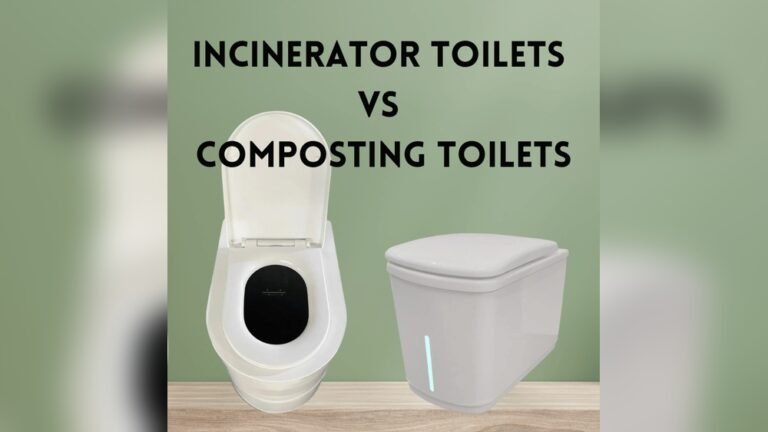
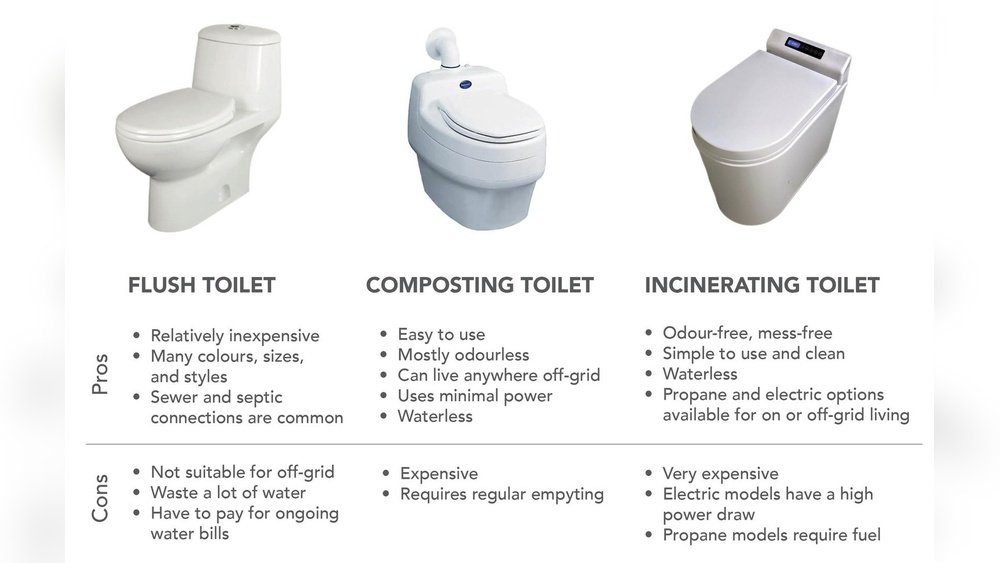
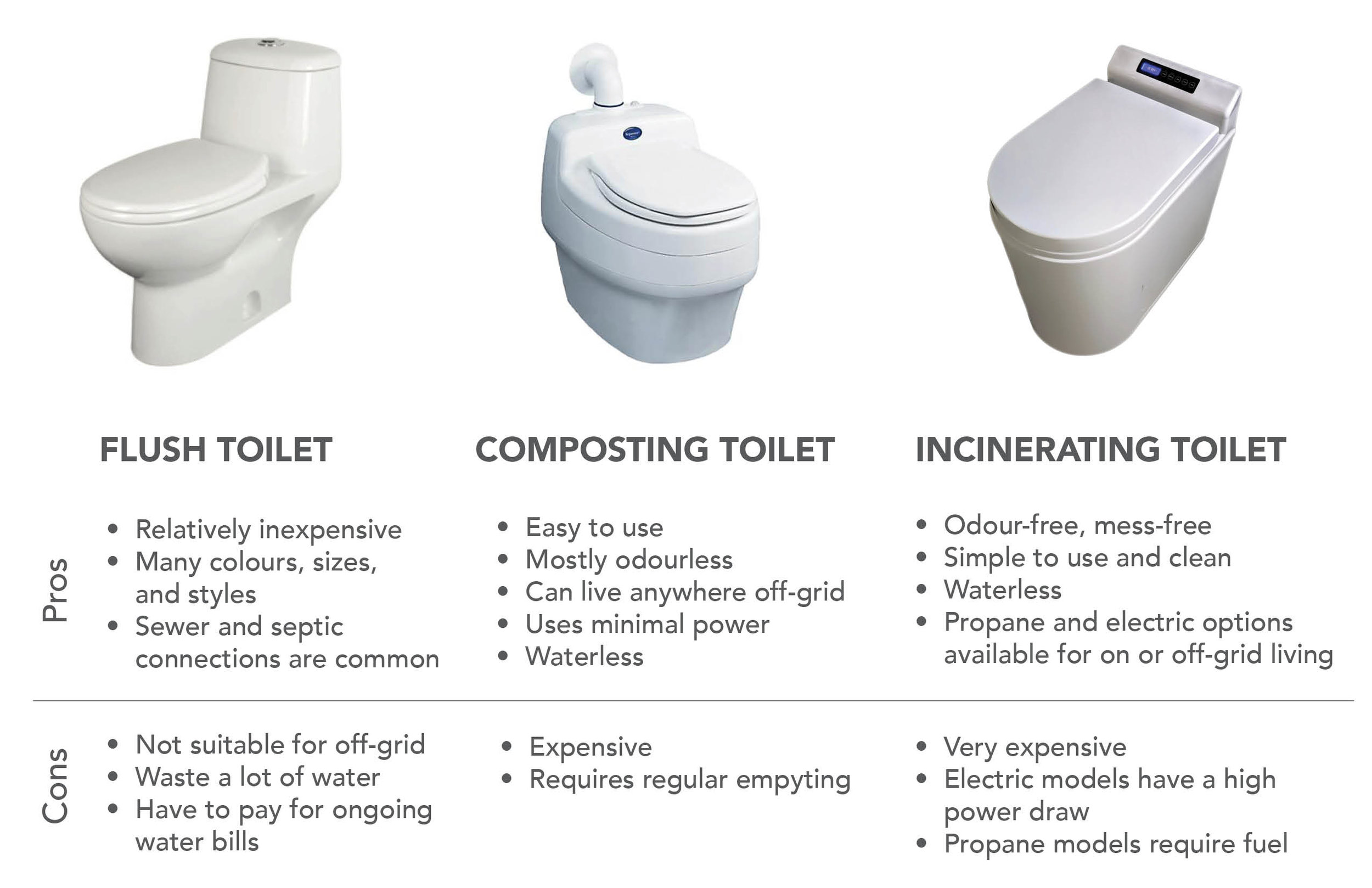
A composting toilet is a waterless toilet that turns human waste into compost. Instead of flushing, waste goes into a chamber. Air, heat, and microbes break it down. The result is dry, safe material you can sometimes use as garden compost (local laws may vary).
Composting toilets use:
- No water or very little water
- Natural bacteria to break down waste
- Vent pipes to keep odors out
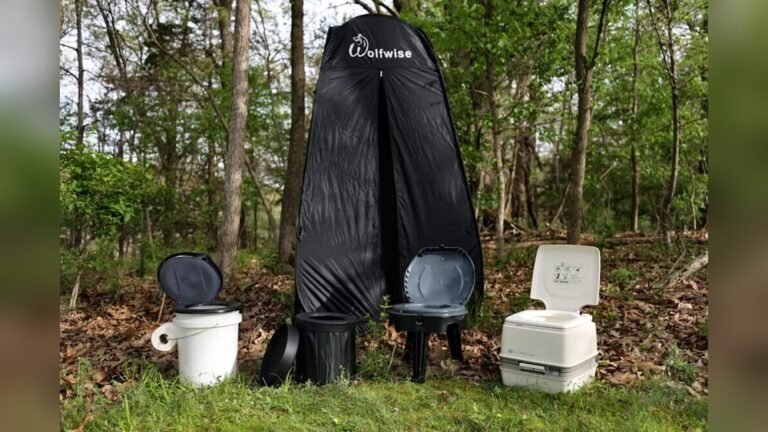
There are several types. Some are simple buckets for cabins. Others are stylish units for modern homes.
Key insight: Most people think composting toilets smell bad. In fact, if installed correctly, they often smell less than regular toilets. The vent fan pulls air out—so odors don’t enter your bathroom.
What Is A Septic System?
A septic system is the most common solution for homes not connected to city sewers. It uses a large underground tank and pipes. Wastewater from your toilets, sinks, and showers flows into the tank. Heavy stuff sinks. Lighter stuff floats. Bacteria break it down slowly.
After some time, the liquid moves to a drain field. There, the soil filters out germs before water returns to the ground.
Key facts:
- Septic tanks need pumping every 3–5 years.
- They use lots of water—every flush counts.
- Problems can be expensive. Blocked pipes or a broken tank may cost thousands to fix.
Side-by-side: Composting Toilet Vs Septic
Here’s a quick look at the main differences.
| Feature | Composting Toilet | Septic System |
|---|---|---|
| Water Use | Very low or none | High (2-6 gallons per flush) |
| Installation Cost | $600 – $2,000 | $3,000 – $7,000+ |
| Maintenance | Weekly to monthly (empty solids) | Every 3–5 years (pump tank) |
| Odor | Low (if vented well) | Low (if working well) |
| Space Needed | Small (just the unit) | Large (tank + drain field) |
Costs: Upfront And Long-term
Upfront Costs
Composting toilets are cheaper to buy and install. Many homes can add one for under $2,000. No digging. No heavy machines. It’s a simple weekend project for handy people.
Septic systems often need an expert. You’ll pay for the tank, pipes, digging, permits, and a drain field. Costs rise fast if your soil is rocky or wet.
Ongoing Costs
Composting toilets need:
- Bulking material (like peat moss or sawdust)
- Electricity (for a fan, if needed)
- Regular emptying
Septic systems need:
- Pumping ($200–$500 every few years)
- Repairs (sometimes thousands)
- Water (higher bills, if on a well or meter)
Hidden cost: If your septic system fails, repairs can cost $10,000 or more. Insurance rarely covers this.
Credit: www.rewildhomes.com
Ease Of Use: Daily Life
Composting Toilet Experience
Using a composting toilet is simple. You sit, do your business, and add a handful of bulking material. There’s usually a small fan to keep air moving out. Once a week or month, you empty the chamber. The dry, crumbly compost is not gross—if managed right.
Some people worry about cleaning. It’s not as bad as you might think. There’s no wet, smelly liquid. With gloves and care, it’s a 10-minute task.
Septic System Experience
With a septic, life feels just like city plumbing. You flush, and forget. But you need to be careful:
- Don’t flush wipes, grease, or chemicals.
- Watch for slow drains or bad smells (a sign of problems).
- Save water if possible.
If something goes wrong, fixing it is hard and costly.
Beginner tip: If your family uses a lot of water, septic tanks can fill quickly and fail sooner.
Environmental Impact
Many people choose composting toilets because they want to be green. But how do the two options compare?
Composting Toilets
- Save up to 10,000 gallons of water per person per year
- Turn waste into safe compost (if rules allow)
- Use little or no energy
Septic Systems
- Use lots of water
- Can leak, polluting groundwater or streams
- Require more chemicals and energy
Non-obvious insight: Even well-built septic systems can fail during heavy rain or flooding. Composting toilets keep waste above ground, so there’s less risk of leaks.
Installation And Space Needs
Composting Toilet
- Fits in small spaces
- Good for cabins, boats, RVs, tiny houses, or homes with no plumbing
- No digging or heavy machines needed
Septic System
- Needs a big yard for the tank and drain field
- Not allowed in some cities or on small lots
- Takes days or weeks to install
Practical tip: If your land is rocky or the water table is high, septic installation can be impossible. Composting toilets work almost anywhere.
Maintenance And Cleaning
Both systems need care, but the tasks are different.
| Task | Composting Toilet | Septic System |
|---|---|---|
| Emptying waste | Every 1-4 weeks | Every 3–5 years |
| Adding material | After each use | None |
| Cleaning pipes | None | As needed (clogs) |
| Odor check | Monthly | Yearly |
Beginner mistake: Forgetting to add bulking material causes bad smells and slows composting. Always keep peat moss or sawdust nearby.

Credit: corvallisadvocate.com
Smell And Hygiene
Many fear composting toilets will stink. But, with a working vent, smells go outside—not into your home. Modern systems have fans and seals to keep things fresh.
Septic systems usually smell only if there’s a problem. If you notice rotten eggs or wet dirt smells, call a pro fast.
Surprising fact: People often report fewer bathroom odors with composting toilets than with old septic tanks.
Legal And Code Issues
Before you choose, check local rules. Some cities or counties ban composting toilets for full-time homes. Others require a septic system by law. Always ask your building department first.
Pro insight: If your land is off-grid or hard to reach, some counties will allow composting toilets to avoid costly septic installs.
You can find more official info about septic systems and composting toilets from the US Environmental Protection Agency.
Who Should Choose Which?
Composting Toilet Is Best If:
- You live off-grid, in a tiny house, or in a cabin
- Water is scarce or expensive
- You want to save money and help the planet
- Your land makes septic impossible
Septic System Is Best If:
- You want “flush and forget” convenience
- Local codes require it
- Your family uses lots of water
- You have space and budget for it
Common Myths Busted
1. Composting Toilets Always Smell.
With a good vent, they are nearly odorless.
2. You Can Put Anything In A Septic Tank.
Grease, wipes, and chemicals can ruin the system.
3. Septic Systems Never Need Service.
Skipping pump-outs can cause backups and huge repair bills.
4. Composting Toilets Are Only For The Woods.
Many modern homes use them, even in cities (where allowed).
5. You Can Use Compost Toilet Waste Anywhere.
Always check local rules before spreading compost.
Real-world Examples
- Cabin owners: Save thousands by installing a composting toilet instead of a septic tank.
- Tiny house families: Stay mobile by avoiding septic fields.
- Rural homes: Often need a septic system for large families and multiple bathrooms.
Data point: In Sweden, over 10% of summer homes use composting toilets. In the US, over 20 million homes use septic systems.
Final Thoughts
Choosing between a composting toilet and a septic system is a big decision. Composting toilets are simple, green, and affordable. Septic systems offer convenience and are time-tested for larger homes. Think about your space, budget, water use, and local laws.
The best choice is the one that fits your life—now and in the future.

Credit: wildoaktrail.com
Frequently Asked Questions
What Is The Main Difference Between A Composting Toilet And A Septic System?
A composting toilet turns waste into compost above ground, using little or no water. A septic system uses water to flush waste into an underground tank, where bacteria break it down.
Do Composting Toilets Smell Bad?
No, not if installed and used correctly. The vent fan pulls air out, so odors leave the bathroom. Most people report little to no smell.
Is A Composting Toilet Allowed Everywhere?
No. Some places require septic systems by law. Always check with your local building department before installing a composting toilet.
How Often Does A Septic Tank Need To Be Pumped?
Most septic tanks need pumping every 3–5 years. If you use a lot of water or have a big family, you may need to pump more often.
Can I Use Compost From A Composting Toilet In My Garden?
Sometimes, but only if local laws allow it. Many areas require compost to be buried or used only for non-food plants. Always check rules first to stay safe.