Composting Toilet Or Outhouse: Which Is Best for Off-Grid Living?
Composting Toilet Or Outhouse: Which Is Right For You?
If you live off-grid, have a cabin, or just want a greener way to deal with waste, you may wonder: composting toilet or outhouse? Both options let you handle human waste without a sewer or septic system. They are popular in rural areas, campsites, and tiny homes. But which is better? The answer depends on your needs, space, and how much work you want to do.
Let’s explore what makes each option unique, the pros and cons, costs, and what to consider before choosing. By the end, you’ll know which system fits your lifestyle best.
What Is A Composting Toilet?
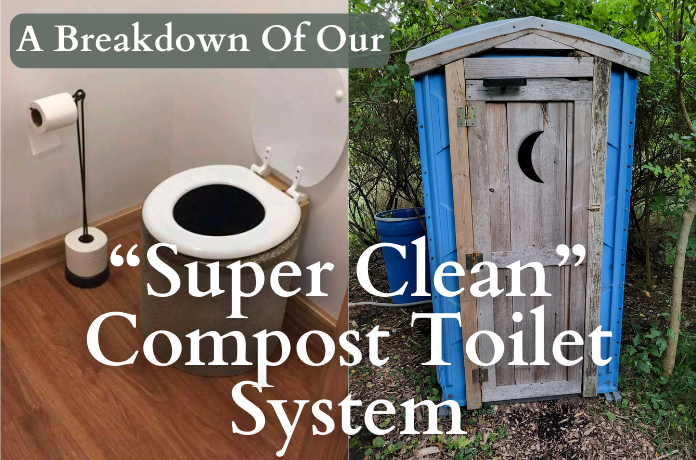
A composting toilet is a dry toilet that turns human waste into compost. It uses little or no water. Instead, it uses natural processes—air, bacteria, and sometimes worms—to break down waste. The result is a safe soil-like material you can use in gardens or flower beds (but not on food plants).
Most composting toilets have two parts:
- A seat and bowl (like a regular toilet)
- A collection chamber for waste
Many models have a vent fan to reduce smells and speed up composting. Some use sawdust, peat moss, or coconut coir to cover waste after each use. This helps with odor and helps break down waste faster.
Common Types Of Composting Toilets
- Self-contained: Everything happens inside the toilet. Great for small spaces.
- Central (remote): Waste goes to a larger compost bin outside or under the building.
- Electric: Uses a fan and heater to speed up composting.
- Non-electric: Relies on air flow and natural heat.
Composting toilets are legal in many places, but always check your local rules.
What Is An Outhouse?
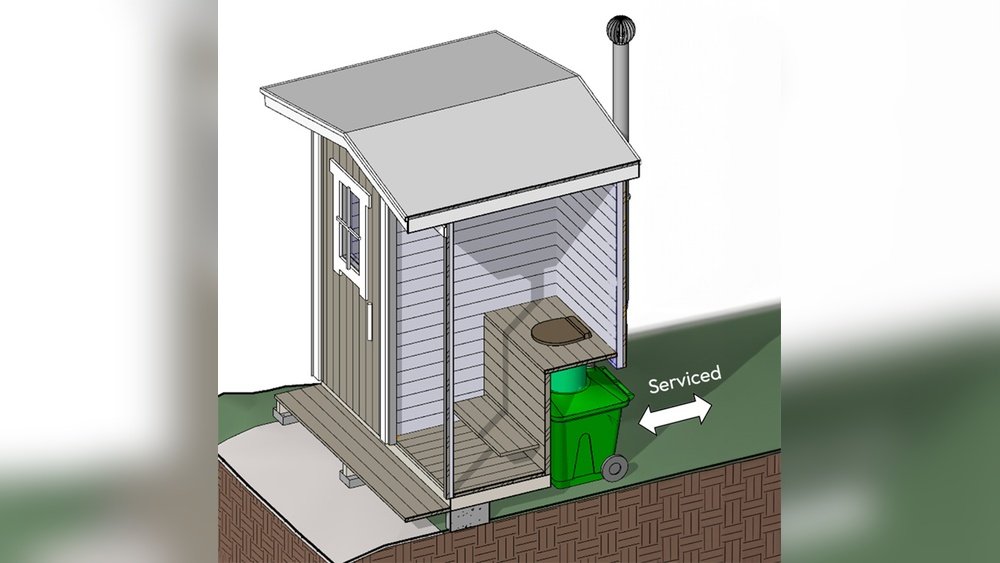
An outhouse is a simple outdoor toilet. It’s usually a small shed with a seat over a deep pit. Waste drops into the pit and stays there. Over time, bacteria break it down, but not as fast or as safely as in a composting toilet.
Outhouses have been around for centuries. They are cheap and easy to build. But they can smell, attract insects, and sometimes pollute groundwater if not built right.
Most outhouses do not have running water or electricity. They are best for places with lots of space and no winter plumbing needs.
Credit: midwestpermaculture.com
Key Differences: Composting Toilet Vs. Outhouse
Understanding the main differences helps you choose wisely. Here’s a quick comparison:
| Feature | Composting Toilet | Outhouse |
|---|---|---|
| Location | Indoors or outdoors | Outdoors only |
| Water Use | Very little or none | None |
| Odor Control | Good (if maintained) | Poor to fair |
| Compost Output | Safe, usable compost | Raw waste, not safe to use |
| Legal Issues | Often allowed (check local laws) | May not be allowed in some areas |
| Year-round Use | Yes | Hard in cold climates |
| Insect Problems | Few | Common |
Pros And Cons Of Composting Toilets
Choosing a composting toilet has many upsides, but also a few downsides.
Pros
- Eco-friendly: Turns waste into compost and saves water.
- No septic needed: Great for remote cabins or tiny homes.
- Odor control: Modern models have fans and filters.
- Indoor comfort: Works inside, even in cold weather.
- Legal in many places: More accepted by building codes than pit outhouses.
Cons
- More expensive: Good models cost $800-$2,000 or more.
- Maintenance: Needs regular emptying and cleaning.
- Learning curve: Users must cover waste and manage the system.
- Power needed: Some models need electricity for fans or heaters.
Key Insight
Beginners often miss: Not all composting toilets work the same. Some need more care and frequent emptying, especially in large families. Check how often you must empty the chamber before you buy.
Pros And Cons Of Outhouses
Outhouses are simple and cheap. But they come with challenges.
Pros
- Low cost: Building materials are cheap.
- Simple design: Easy to build with basic tools.
- No maintenance: Just move or dig a new pit after a few years.
Cons
- Odor and flies: Smells can be strong, especially in summer.
- Outdoor walk: Not pleasant in rain or snow.
- Groundwater risk: Can pollute wells if sited poorly.
- Not always legal: Some areas ban pit toilets.
- No compost: Waste stays as sewage, not useful compost.
Important Note
One insight: Outhouses may seem low-maintenance, but if the pit fills or collapses, you must dig a new one. That’s hard work and needs space.
Cost Comparison
Money is a big factor for many people. Let’s see how these options compare.
| Item | Composting Toilet | Outhouse |
|---|---|---|
| Upfront Cost | $800 – $2,000+ | $100 – $500 |
| Installation | Easy for self-contained; harder for central units | DIY with basic tools |
| Maintenance | Regular emptying, add cover material | Dig new pit every few years |
| Operating Costs | Sawdust, peat moss, electricity (some models) | None (unless adding lime or cover material) |
Installation And Setup
How hard is it to set up each system? Here’s what you need to know.
Composting Toilet
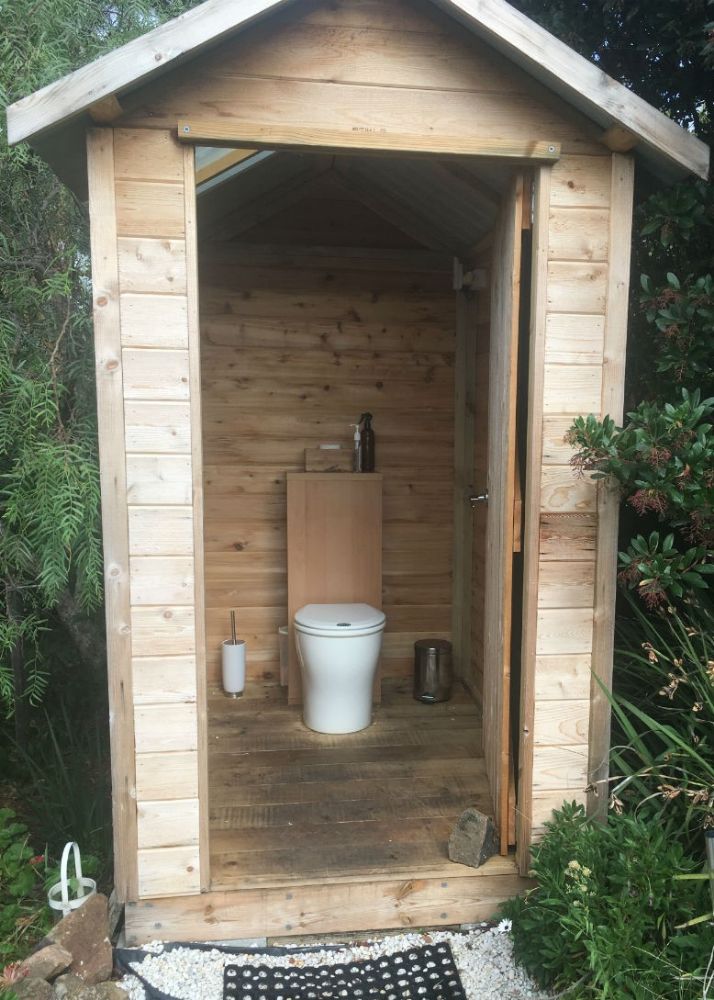
Most self-contained composting toilets need only a flat floor and a vent pipe outside. Some need power for fans or heaters. Central systems need a spot outside for the compost bin and more pipes.
Steps:
- Place the toilet on a flat, sturdy surface.
- Install the vent pipe through a wall or roof.
- Add cover material (sawdust, peat moss).
- Plug in (if electric model).
- Start using.
Outhouse
For an outhouse, you need to:
- Dig a deep pit (4-6 feet deep, 3 feet wide).
- Build a small shed over the pit with a seat.
- Add a vent pipe to reduce smell.
- Use lime or sawdust to cover waste (optional).
- Move or rebuild when the pit fills.
Tip: The pit must be far from water sources and wells to avoid pollution. Many states require at least 100 feet distance.
Maintenance Needs
Both systems need some care, but the work is different.
Composting Toilet
- Add cover material after every use.
- Check and empty the compost bin every few weeks or months.
- Clean the toilet and vent pipe.
- If electric, make sure the fan works.
Outhouse
- Add lime or sawdust if you want less smell.
- Watch for pit filling up (can take 1-5 years).
- Fix the shed if it leans or leaks.
- Move to a new spot when the pit is full.
Extra Tip: Some people forget to clean the vent pipe or add enough cover material in composting toilets. This can lead to odors. Stay on top of basic care for best results.
Credit: berriesandbarnacles.com
Health And Environmental Impact
How Do These Toilets Affect Health And The Environment?
- Composting toilets: Make waste safe and reduce pollution. They save water and turn waste into useful compost if used right.
- Outhouses: Can pollute soil or water if too close to wells. Waste stays raw and can spread germs.
A study found that modern composting toilets remove up to 99% of harmful bacteria from waste. Outhouses, if used wrong, can be a health risk.
Legal And Building Codes
Not every state or city allows both systems. Many places are now strict about waste disposal.
- Composting toilets: Legal in most US states, especially if they meet NSF/ANSI standards. Cities may require a permit.
- Outhouses: Often banned in towns or near water. Allowed in remote areas, but must follow rules about distance from wells.
Always check local health codes before building.
Which Is Easier To Use?
For most people, using a composting toilet feels almost like a regular toilet. You stay indoors and just add cover material after use. No need to go outside at night or in bad weather.
With an outhouse, you must walk outside every time. In cold or wet weather, this is not fun. Families with children or elderly members often prefer indoor options for safety and comfort.
Smell And Cleanliness
A big concern is odor. No one wants a smelly bathroom.
- Composting toilets: If used right, they do not smell. Fans and cover material help trap odors.
- Outhouses: Can be smelly, especially in summer. Flies and insects are common.
Practical tip: If your composting toilet smells, check the vent or use more cover material. For outhouses, lime or ash helps, but never fully removes the smell.
Credit: www.wctnz.co.nz
Who Should Choose A Composting Toilet?
Choose a composting toilet if:
- You want a greener, water-saving option.
- You need an indoor bathroom.
- You live in a place with building codes against outhouses.
- You have kids, elderly, or people with mobility issues.
Who Should Choose An Outhouse?
An outhouse is best if:
- You want the lowest cost.
- You have plenty of land and space.
- You only need a toilet for part of the year (like a hunting cabin).
- Local rules allow it and water sources are far away.
Real-world Example
At many US national parks, older outhouses are being replaced with composting toilets. They reduce pollution and improve comfort for visitors. For example, in the Appalachian Trail shelters, composting toilets have cut down on odor and made waste easier to handle.
Popular Models And Designs
- Nature’s Head: A top self-contained composting toilet. Costs about $1,000. Easy to install and maintain.
- Sun-Mar Excel: Central composting toilet for families. Needs more space and costs $1,500+.
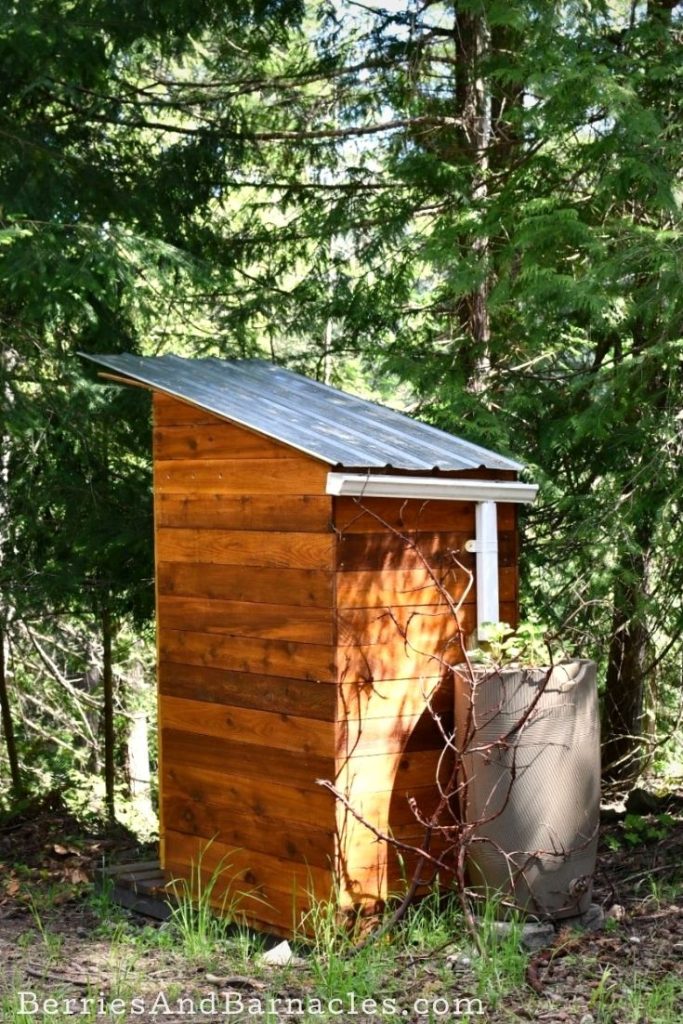
- Basic outhouse: Built with wood, a metal roof, and a vent pipe. Costs $200-$400 for materials.
User Experience: What People Say
People who switch from an outhouse to a composting toilet often say they would never go back. They like the clean, indoor feel, and less smell. However, some say the price and the need to empty the bin takes getting used to.
If you want to learn more about composting toilets, you can find details at Wikipedia.
Decision Table: Which Should You Choose?
Here’s a simple guide to help you pick:
| Situation | Best Choice | Why |
|---|---|---|
| Indoor bathroom, cold climate | Composting Toilet | Comfort and year-round use |
| Very low budget, lots of land | Outhouse | Cheapest and simplest |
| Green, eco-friendly living | Composting Toilet | Makes safe compost, saves water |
| Temporary cabin or hunting shack | Outhouse | Quick and easy setup |
| Strict local health codes | Composting Toilet | More likely to be legal |
Frequently Asked Questions
What Is The Main Difference Between A Composting Toilet And An Outhouse?
A composting toilet turns waste into safe compost inside a sealed system, often indoors. An outhouse is a simple pit toilet in a small shed outside. Waste stays raw in the pit.
How Often Do You Empty A Composting Toilet?
This depends on the model and how many people use it. Most need emptying every 2-6 weeks for two people. Larger families may empty more often.
Are Composting Toilets Legal Everywhere?
No, but they are legal in most states if they meet standards. Always check your city or county rules before buying or building.
Is An Outhouse Safe For The Environment?
If built far from water sources and used rarely, outhouses are low risk. But they can pollute groundwater if not sited or built well.
Can You Use Toilet Paper In A Composting Toilet?
Yes, most brands break down in composting toilets. Avoid thick or scented paper, which breaks down slowly.
Final Thoughts
Choosing between a composting toilet and an outhouse is about your needs, budget, and values. Composting toilets offer indoor comfort and greener living, but cost more and need some care. Outhouses are cheap and simple but bring smells, outdoor trips, and possible legal limits.
Think about your land, local rules, and how much maintenance you are willing to do. With the right choice, you’ll have a safe, eco-friendly bathroom for years to come.