How to Use a Camping Toilet: Easy Steps for Outdoor Comfort
Camping is amazing—fresh air, nature, stars overhead. But when nature calls, things get tricky. Many campers worry about where to go, what to use, and how to stay clean. It’s awkward. The woods aren’t always private. Public toilets are often dirty or far away.
Portable toilets sound confusing and even embarrassing. If you’ve felt lost about using a camping toilet, you’re not alone.
What Is A Camping Toilet?
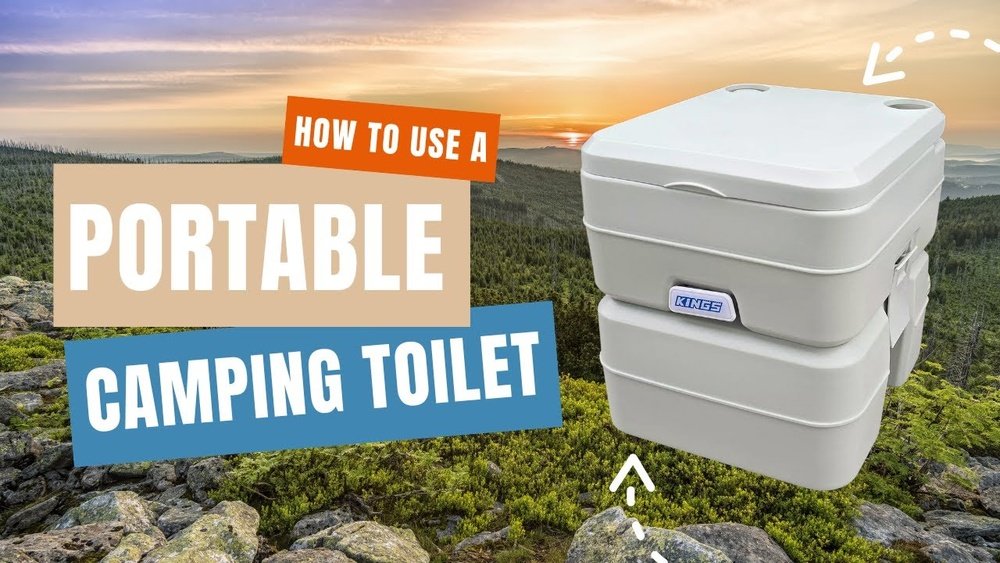
A camping toilet is a portable toilet you take outdoors. It lets you go to the bathroom in privacy and comfort, even far from regular bathrooms. These toilets keep campsites clean and help the environment. There are many types, so you can find one that fits your trip.
Camping toilets are more popular now. In 2022, the outdoor portable toilet market grew to over $1. 4 billion worldwide. Many national parks now ask campers to use their own toilets to protect nature. Using a camping toilet is not just about comfort—it’s about keeping wild places beautiful for everyone.
Types Of Camping Toilets
Choosing the right toilet matters. Here are the main types, with their pros and cons:
| Type | How It Works | Best For | Pros | Cons |
|---|---|---|---|---|
| Bucket Toilet | Seat on a bucket, with a bag liner | Short trips, budget camping | Cheap, easy, light | Needs emptying often, simple design |
| Flushable Portable Toilet | Water tank and waste tank; flushes like home | Family trips, longer stays | Feels like real toilet, holds more waste | Heavier, more cleaning |
| Bag Toilet (WAG bag) | Bag with gel or powder to absorb waste | Hiking, backpacking, pack-in/pack-out | Very light, easy to carry | Can feel less private, single use |
| Composting Toilet | Turns waste into compost with no water | Eco-camping, long-term use | Eco-friendly, no chemicals | Large, expensive, needs space |
Non-obvious tip: Bag toilets are often required in some protected parks. Always check local rules before you go.
Credit: www.kohree.com
How To Set Up A Camping Toilet
Setting up a camping toilet is simple if you know the steps. Here’s what you need to do:
- Pick the right spot: Choose a private, flat area away from your tent and water sources. Most parks ask you to stay at least 200 feet from lakes or rivers.
- Assemble the toilet: Follow the instructions for your toilet type. For a bucket toilet, add a liner bag and sprinkle in some absorbent material, like kitty litter.
- Add supplies: Place toilet paper, wipes, and hand sanitizer nearby. Keep them in a waterproof bag.
- Set up privacy: Use a pop-up tent or hang a tarp if you want more privacy.
Practical insight: Always keep a trash bag handy for used toilet paper or wipes. Never bury or burn them—they can harm wildlife.
How To Use A Camping Toilet
It can feel strange at first, but these steps make it easy and stress-free:
- Check everything: Make sure you have enough supplies—liners, bags, sanitizer, and toilet paper.
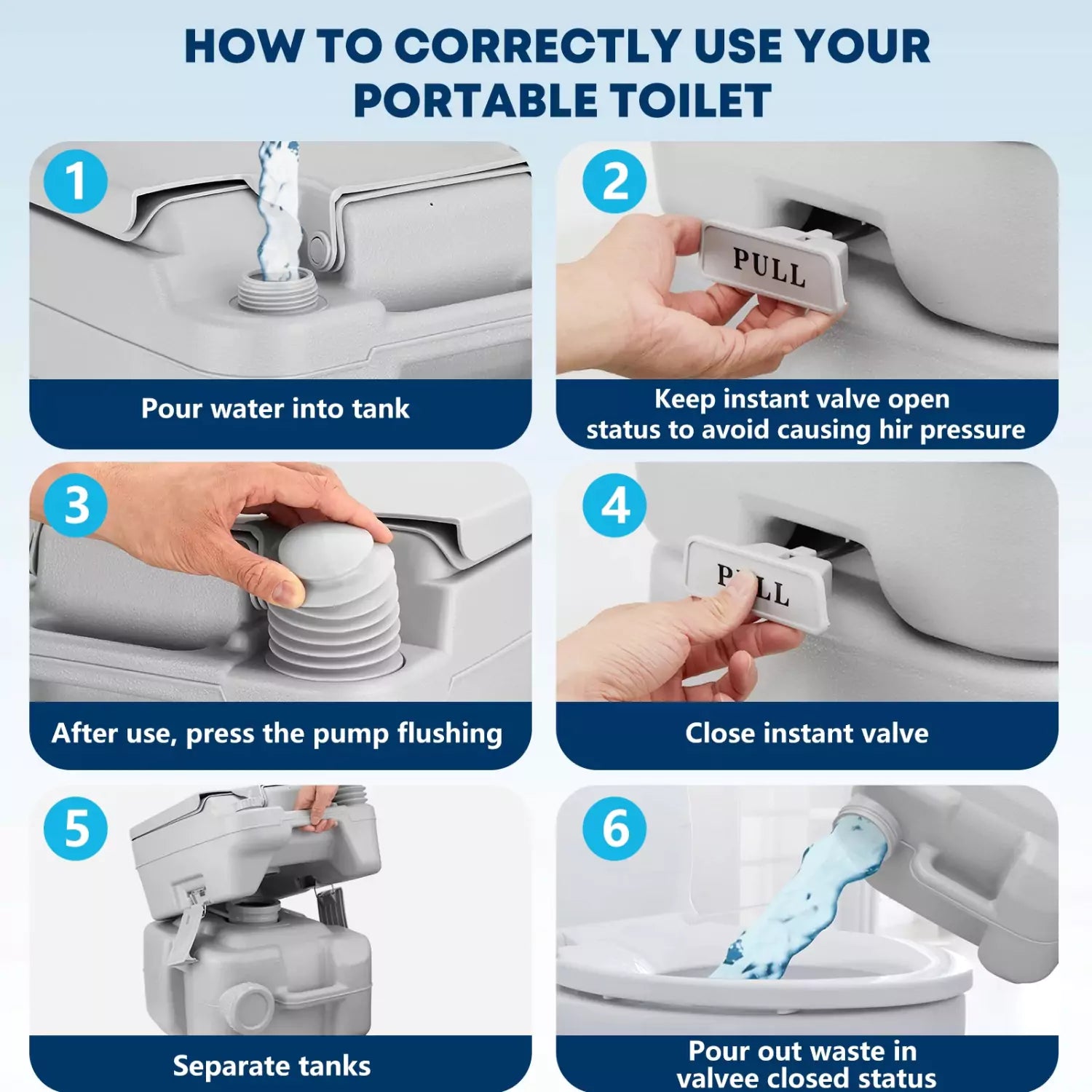
- Prepare the toilet: Open the lid, set up the seat, and make sure a fresh bag or waste tank is in place.
- Sit or squat: Use the toilet just like at home. For bag toilets, squat if there’s no seat.
- Clean up: Use toilet paper or wipes, then place them in the bag or a separate trash bag.
- Seal waste: Close the bag tightly after use. With flush toilets, pump the flush and close the lid.
- Sanitize hands: Always use hand sanitizer after using the toilet.
Non-obvious insight: Many people forget the importance of absorbent material. Adding a handful of sawdust or kitty litter to each bag controls smell and makes cleanup easier.

Credit: blog.indiecampers.com
How To Dispose Of Waste
Disposing of waste the right way is key for the environment and your health. Here’s what to do:
- Pack out: Most parks require you to take waste with you. Double-bag used toilet bags and seal them well.
- Special waste stations: Some campsites have places to empty portable toilets. Check before you go.
- Never dump: Do not empty waste in rivers, lakes, or on the ground.
- Trash rules: Used bags go in regular trash in most places, but check local rules.
Quick tip: Always use bags made for human waste—they are thicker and block smells. Never use thin plastic bags.
Keeping Your Camping Toilet Clean
A clean toilet is important for your comfort and health. Here’s how to manage it:
- Clean after each use: Wipe the seat and lid with disinfectant wipes.
- Empty regularly: Don’t let waste build up. Empty at least once a day, even if it’s not full.
- Air it out: If possible, let the toilet air out in the sun. UV rays kill germs.
- Deep clean: After your trip, wash all parts with hot water and soap. Dry fully before storing.
Extra advice: Never store a dirty toilet in your car or tent. Even sealed, it can attract bugs and smells.

Credit: blog.indiecampers.com
How To Choose The Best Camping Toilet For You
Picking the right toilet depends on your trip, group size, and comfort needs. Here’s a quick comparison:
| Toilet Type | Weight | Price Range | Capacity | Privacy Level |
|---|---|---|---|---|
| Bucket Toilet | 2-4 lbs | $15-$40 | 2-3 uses | Low |
| Flushable Portable Toilet | 8-12 lbs | $60-$150 | 10-15 uses | High |
| Bag Toilet | <1 lb | $2-$6 per use | Single use | Low |
| Composting Toilet | 15-25 lbs | $100-$300+ | Many uses | High |
What matters most:
- Weight: Backpackers need light toilets; car campers can bring bigger ones.
- Capacity: Large groups or families need bigger tanks.
- Budget: Simple toilets cost less but have fewer features.
- Privacy: Some types need a privacy tent.
Common mistake: Many campers buy the cheapest toilet, then regret it when it leaks or smells. It’s better to spend a little more for comfort and safety.
Tips For Using A Camping Toilet Comfortably
- Plan ahead: Bring extra bags and toilet paper. Wet weather or emergencies can use up supplies fast.
- Set up before dark: Finding your toilet at night is hard and can be unsafe.
- Keep supplies together: A small bag with sanitizer, wipes, and gloves is handy.
- Mark your toilet area: Use a lantern or glow stick, so you don’t get lost at night.
- Practice at home: Try setting up your toilet in your backyard before your trip.
- Use odor control: Sprinkle baking soda or special powder in the toilet after each use.
Personal insight: Many new campers feel shy about talking toilets with friends or family. But setting clear rules and sharing tips makes everyone more comfortable.
Mistakes To Avoid
- Ignoring local rules: Some parks ban digging holes or leaving waste.
- Using regular bags: Only use special waste bags—they won’t break or leak.
- Waiting too long to empty: A full toilet is much harder to clean and smells worse.
- Not packing enough supplies: Running out of bags or sanitizer leads to stress.
- Burying waste near water: Harmful bacteria can reach rivers and lakes.
Smart advice: Always read park rules before you go. Some areas have fines for not using the right toilet system.
Camping Toilet Safety And Hygiene
Camping toilets help prevent the spread of disease and protect the environment, but safety matters:
- Wash hands: Use soap and water or sanitizer every time.
- Keep away from food: Store your toilet and cleaning gear far from your cooking area.
- Check for leaks: Inspect your toilet and bags before every trip.
- Use gloves: For cleaning and emptying, gloves prevent germs from spreading.
Quick fact: According to the CDC, handwashing can lower stomach illnesses by up to 31%. Good hygiene is even more important when camping.
Environmental Impact
Using a camping toilet is about more than comfort—it protects nature:
- Human waste can pollute water and harm animals.
- In busy parks, hundreds of campers can create 1,000+ pounds of waste in a weekend.
- Proper disposal keeps parks open and clean for everyone.
Interesting note: Some outdoor groups, like Leave No Trace, now make portable toilets required gear for certain trips. It’s not just polite—it’s part of being a responsible camper.
For more on best practices, check the National Park Service Leave No Trace guide.
Packing Checklist: What To Bring
- Camping toilet (with all parts)
- Absorbent material (gel, powder, kitty litter, or sawdust)
- Toilet paper and wipes
- Hand sanitizer
- Waste bags (extra)
- Cleaning gloves
- Disinfectant wipes
- Privacy tent or tarp (optional)
- Small flashlight or lantern
Expert tip: Always bring more supplies than you think you’ll need. Weather, delays, or other campers can change your plans.
Frequently Asked Questions
What Do I Do If I Run Out Of Waste Bags?
If you run out, do not use regular grocery bags—they often leak. Look for thick, strong bags, and double-bag if needed. Always pack more waste bags than you think you’ll need.
Can I Use A Camping Toilet In Freezing Weather?
Yes, but keep the toilet and waste bags from freezing. Store them in your car or tent at night. Some gels or chemicals don’t work well in cold, so check the label before your trip.
How Do I Control Smells?
Use absorbent material like kitty litter, sawdust, or special powder. Sprinkle it after each use. Always seal bags tightly. Air out your toilet daily if possible.
Are Camping Toilets Allowed Everywhere?
No. Some parks require them, some have outhouses, and a few do not allow portable toilets. Always check park or campsite rules before your trip.
What Should I Do With Used Toilet Paper?
Never bury toilet paper—it doesn’t break down fast and animals may dig it up. Put it in a special trash bag and pack it out with your waste.
Camping can be fun and easy, even when it comes to bathroom needs. With the right toilet, good planning, and a few smart habits, you’ll stay comfortable and keep nature clean for everyone.