How to Use the Bathroom While Camping: Essential Tips and Tricks
Camping brings you close to nature, but using the bathroom outdoors can be awkward and confusing. Many first-time campers worry about privacy, mess, and doing things “the right way. ” Nobody wants to break the rules, harm the environment, or feel embarrassed.
If you’ve ever wondered, “How do I go to the bathroom while camping? ”—you’re not alone. The good news is, with the right knowledge, it’s much easier and less stressful than you think.
Why Bathroom Habits Matter In Nature
When camping, your bathroom habits affect more than just comfort—they matter for health, safety, and the environment. Human waste can pollute water, attract animals, and even spread disease if not handled well. In some popular parks, careless bathroom use has forced authorities to close trails.
Learning the right way helps you protect nature and makes camping better for everyone.
Understanding Your Options
Not every campsite is the same. Your choices depend on the location, available facilities, and rules. Let’s look at the main ways to use the bathroom outdoors.
1. Established Campsites With Toilets
Many campgrounds have flush toilets or pit latrines. These are the easiest and most comfortable options. Always use them when available.
Tip: Bring your own toilet paper. Some places may run out.
2. Portable Camping Toilets
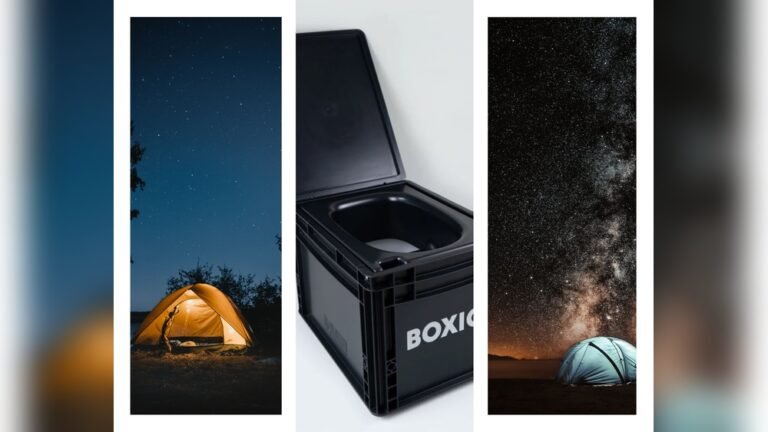
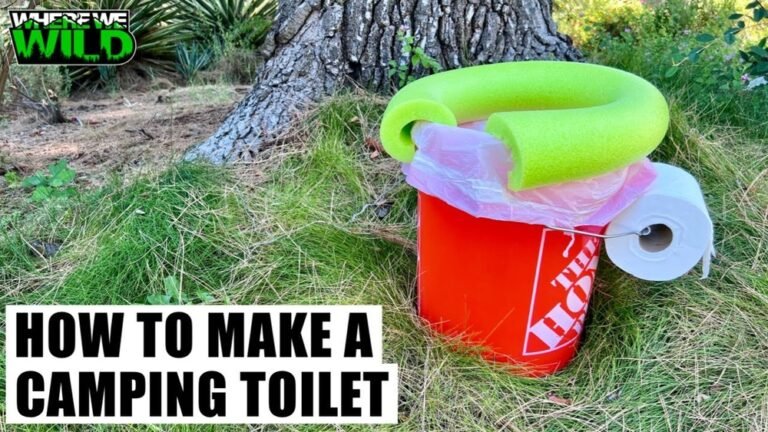
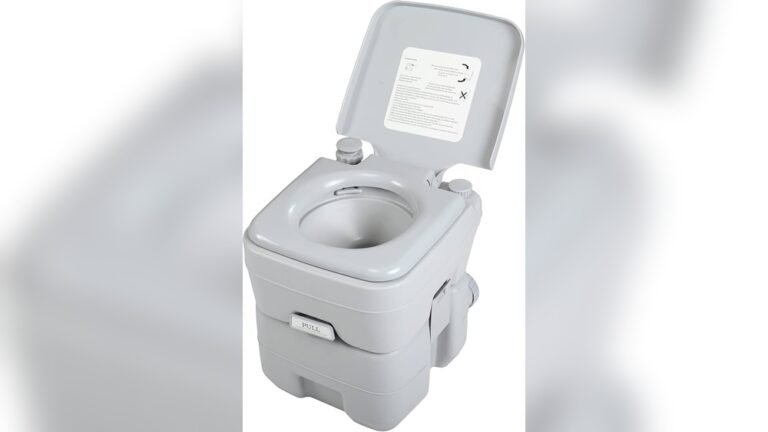
A portable toilet is a great choice for car camping or group trips. It gives privacy and follows “Leave No Trace” principles.
Popular types:
- Chemical toilets: Use chemicals to break down waste.
- Bag toilets: Use special waste bags that you seal and pack out.
3. Cat Holes
For backcountry camping, digging a cat hole is common.
- Find a spot at least 200 feet from water, trails, and campsites.
- Dig a hole 6-8 inches deep and 4-6 inches wide.
- Do your business, then cover it well with soil.
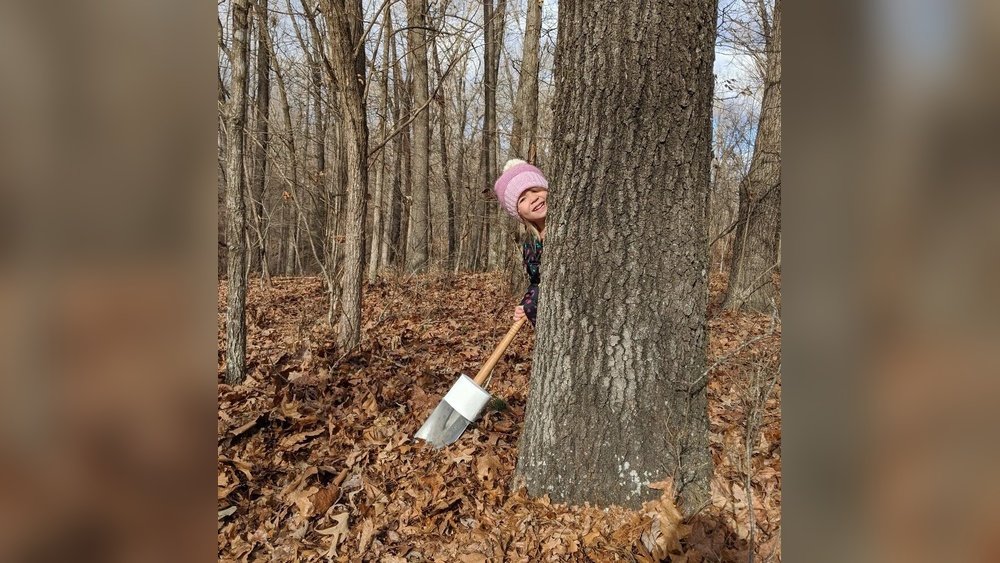
Non-obvious tip: Use a small trowel made for camping—it’s much easier than a stick or shoe.
4. Pack It Out
In fragile areas or on snow, you must pack out all waste. Some parks require this.
- Use a WAG bag (Waste Alleviation and Gelling bag) or similar system.
- Seal the bag tightly and carry it out in a sturdy container.
Example: Mount Whitney in California requires all hikers to pack out waste.
5. Peeing In The Outdoors
Urine is less harmful than solid waste, but still needs care.
- Pee at least 200 feet from water and campsites.
- On rocky areas, aim for sand or gravel, which filter urine better.
Pro tip: Women may find a female urination device (FUD) helpful for easier and cleaner peeing.
Essential Bathroom Gear For Campers
Packing the right gear makes everything easier, cleaner, and less stressful. Here’s what you should consider:
- Trowel: For digging cat holes.
- Toilet paper or wipes: Choose biodegradable if possible.
- Waste bags: For packing out waste.
- Hand sanitizer: Always clean your hands after.
- Ziplock bags: For used toilet paper, if not burying it.
- Privacy shelter: A pop-up tent for toilets adds comfort at group camps.
Did you know? Over 70% of backcountry hikers use a trowel or similar tool for cat holes, according to outdoor gear surveys.
How To Use A Cat Hole Step By Step
A cat hole is simple if you follow the right steps:
- Walk at least 200 feet (about 70 adult steps) from water, trails, and camp.
- Dig a hole 6-8 inches deep, 4-6 inches wide.
- Squat over the hole. Take your time for balance.
- Wipe with toilet paper or natural materials (like smooth rocks or leaves).
- Put used toilet paper in the hole or pack it out in a bag.
- Fill the hole with soil and natural materials.
- Clean hands with sanitizer.
Extra insight: In very cold areas, dig the hole before you need it. Frozen ground can be hard to dig later.

Credit: www.wikihow.com
Dealing With Toilet Paper And Wipes
Not all toilet paper is safe to leave behind. Even “biodegradable” paper breaks down slowly in cold or dry places. Some parks ask you to pack it out.
Tips:
- Use plain, unscented paper—scented types can attract animals.
- Do not burn toilet paper. It can start wildfires.
- Wet wipes should always be packed out. They do not break down.
What To Do If You Have To Go Number Two In An Emergency
Sometimes, you may need to go while hiking and can’t reach a toilet or dig a cat hole. In these cases:
- Use a WAG bag if you have one.
- If not, choose a spot far from water and dig as deep a hole as possible.
- Pack out all paper and wipes.
Common mistake: Going too close to water. Even a little rain can wash waste into rivers or lakes.
Privacy Tips For Shy Campers
Many campers worry about privacy in the wild. Here’s how to feel more comfortable:
- Use bushes or trees for cover.
- Ask friends to keep watch or walk the other way.
- Go early in the morning or after dark when fewer people are around.
- Try a portable privacy tent for group camps.
Non-obvious tip: Face downhill when squatting—this helps with balance and keeps things tidy.
Bathroom Use In Different Environments
Camping can look very different in forests, deserts, mountains, or snow. Here’s what you should know:
Forests And Grasslands
- Soil is usually soft, so digging is easier.
- Plenty of cover for privacy.
- Roots may get in the way—move if needed.
Desert
- Hard, dry ground can make digging difficult.
- Waste breaks down slowly in dry climates.
- Always pack out used toilet paper and consider using a WAG bag.
Mountains And Alpine
- Rocky ground means cat holes may not be possible.
- Snow camping? Use a bag system. Waste does not break down in snow.
Popular Parks
Some places, like Zion or Yosemite, require all waste to be packed out. Always check park rules before you go.
Comparing Bathroom Options
Here’s a quick look at the main bathroom solutions for campers:
| Method | Best For | Pack Out Needed? | Privacy |
|---|---|---|---|
| Established toilet | Campgrounds | No | High |
| Portable toilet | Car camping, groups | Yes | High |
| Cat hole | Backcountry | Maybe | Medium |
| WAG bag | Alpine, desert, snow | Yes | Medium |
Keeping Clean: Hygiene Practices
Staying clean while camping helps prevent illness. After using the bathroom:
- Use hand sanitizer or wash hands with soap and water.
- Clean under nails if possible.
- Store used toilet items away from food and sleeping gear.
Fact: Studies show that handwashing reduces stomach illness by up to 40% on camping trips.

Credit: www.wikihow.com
What Not To Do: Common Mistakes
Some actions can cause real harm or embarrassment. Avoid these:
- Going too close to water or trails.
- Leaving used paper or wipes behind.
- Trying to burn toilet paper.
- Not packing out waste where required.
Real example: In 2022, some U.S. parks saw over 100,000 pieces of used toilet paper left on trails—leading to closures and fines.
Eco-friendly Bathroom Tips
If you care about the environment, follow these extra tips:
- Use only plain, unbleached toilet paper.
- Try natural materials (like smooth stones or leaves) if you’re comfortable.
- Never use soap or wipes in streams or lakes.
- Educate others about Leave No Trace rules.
Table: Quick Guide To Leave No Trace Bathroom Rules
| Rule | Why It Matters | How to Follow |
|---|---|---|
| Go 200 feet from water | Protects water quality | Count 70 adult steps |
| Bury or pack out waste | Prevents pollution | Use a trowel or WAG bag |
| Pack out used paper | Wildlife safety | Seal in zip bags |
| Use sanitizer | Prevents disease | Carry a small bottle |
Family And Group Camping: Special Considerations
Camping with kids or larger groups means more planning. Here’s how to make it easier:
- Teach kids the rules before you go. Practice at home.
- Set up a group toilet area with a privacy tent.
- Pack extra waste bags, paper, and sanitizer.
- Have a “bathroom buddy” system for young children.
Insight: Many families use code words or signals for privacy. For example, a hat on a bush means “occupied.”
Handling Your Period While Camping
Menstruation outdoors can be managed safely and discreetly:
- Use tampons, pads, or a menstrual cup.
- Pack out all used products in zip bags.
- Bring extra wipes and hand sanitizer.
- Try dark-colored bags to hide used items.
Tip: Practice using a menstrual cup at home first—it can be tricky at first.
What If You’re Camping Abroad?
Rules and facilities can be different in other countries. Some places may have squat toilets, composting toilets, or no facilities at all.
- Research the campsite before you go.
- Learn local rules and customs.
- Carry your own toilet kit just in case.
For more on camping bathroom etiquette and Leave No Trace, see the National Park Service guide.

Credit: www.snowys.com.au
Frequently Asked Questions
How Far Should I Go From Water To Use The Bathroom?
Always go at least 200 feet (about 70 adult steps) from any water source. This keeps rivers, lakes, and streams clean.
What If I Can’t Dig A Hole?
If the ground is too hard or rocky, use a WAG bag or pack out your waste in a sealed bag. Never leave waste on the ground.
Can I Use Baby Wipes Instead Of Toilet Paper?
Yes, but always pack out baby wipes. They do not break down in nature, even if labeled “biodegradable.”
Are There Toilets On Popular Hiking Trails?
Some popular trails have composting toilets or pit toilets at main stops. Always check before you go, and be ready to use a cat hole or bag if needed.
How Do I Manage Privacy While Camping?
Look for natural cover like bushes or rocks. You can also bring a small privacy tent for extra comfort, especially in group camps.
Getting comfortable with bathroom use while camping takes a little practice, but it gets easier every time. With the right gear, knowledge, and respect for nature, you can enjoy your trip without stress or mess. Happy camping!