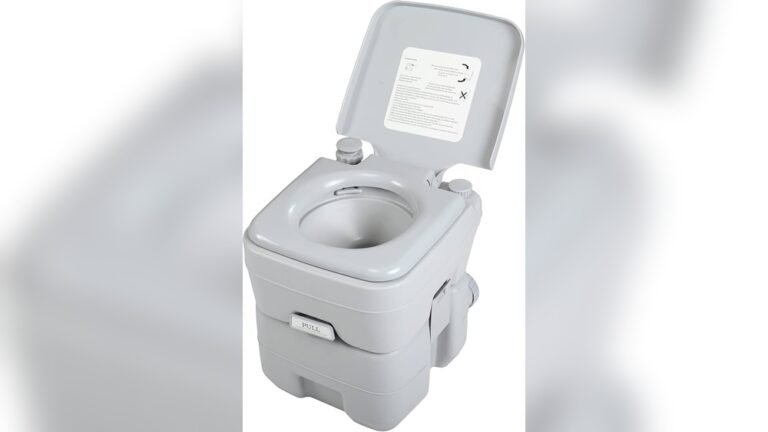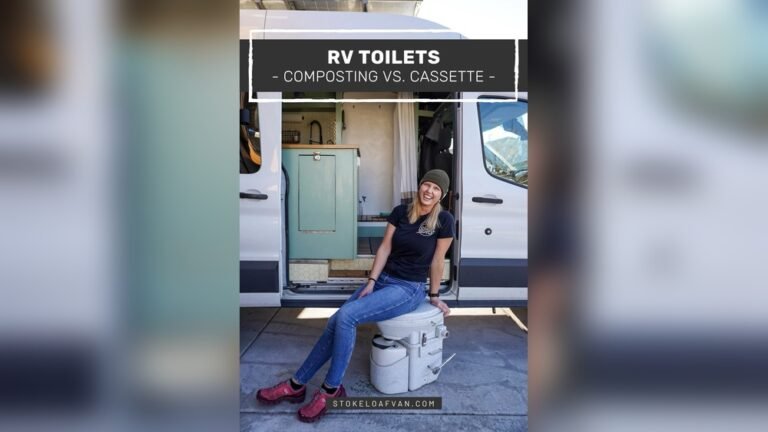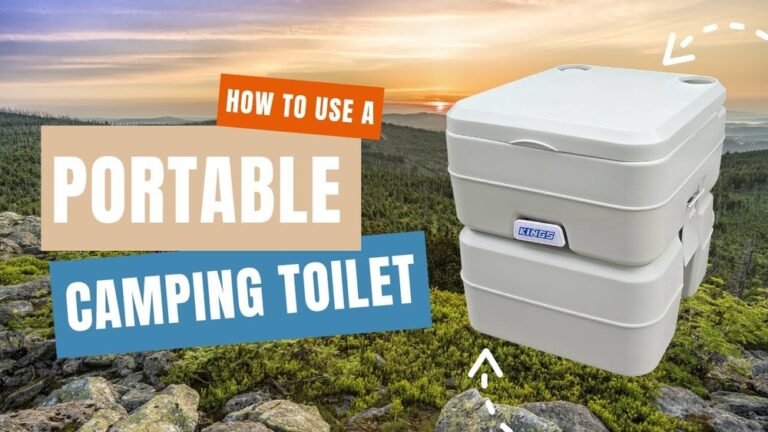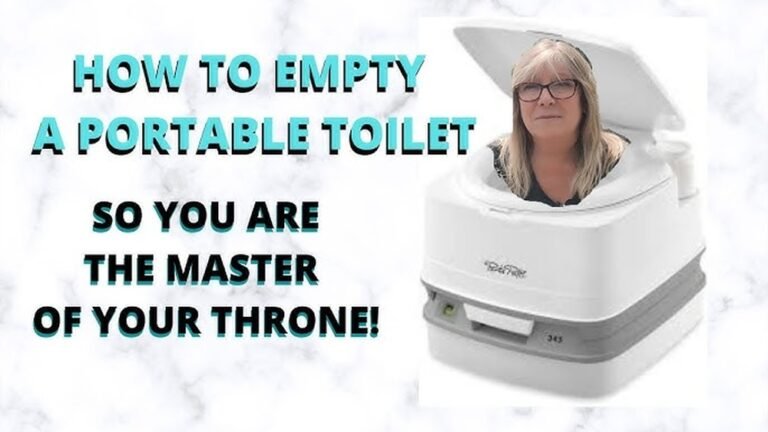
Homemade Portable Toilet Deodorizer: Fresh Solutions for Travel
Every camper, RV owner, or festival-goer knows the struggle. You open your portable toilet and—bam—the smell hits you hard. Commercial deodorizers are expensive, often full of harsh chemicals, and sometimes run out just when you need them. Searching for a solution can feel overwhelming.
You want something that works, is safe, and doesn’t cost much. If you’ve ever thought, “There must be a better way,” you’re not alone.
Why Make A Homemade Portable Toilet Deodorizer?
A homemade portable toilet deodorizer is more than just a DIY project. It brings real benefits:
- Saves money: Most commercial options are costly, especially if used often.
- Safer ingredients: Many store-bought deodorizers use chemicals that can irritate skin or harm the environment.
- Customizable scents: You control the smell, strength, and formula.
- Eco-friendly: Homemade versions use natural, biodegradable items.
Let’s dig into how you can make your own deodorizer at home, the best recipes, tips, and mistakes to avoid.
What Makes A Good Portable Toilet Deodorizer?
A good deodorizer does three things:
- Controls odor: It covers or removes the bad smell, not just mask it.
- Absorbs moisture: Moisture is what helps bacteria grow and spread odors.
- Safe for the environment: It won’t harm plants, water, or people when disposed of.
Some products only cover the smell with perfume. The best ones actually stop the smell at the source.
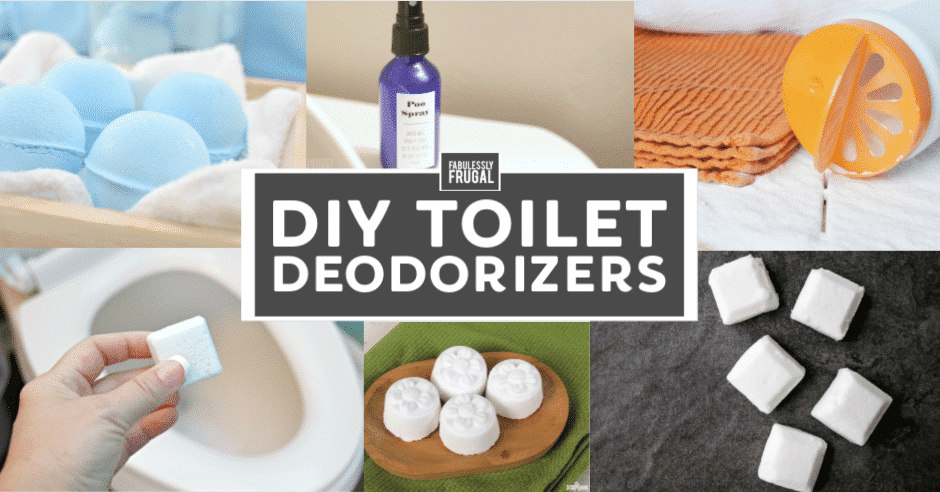
Credit: fabulesslyfrugal.com
Essential Ingredients For Homemade Deodorizers
Many people use what they have at home. But some ingredients work better than others:
- Baking soda: Absorbs both odors and moisture.
- White vinegar: Fights bacteria and neutralizes smells.
- Essential oils: Add a fresh scent and may fight germs.
- Borax: A natural cleaner and deodorizer (use with care).
- Activated charcoal: Great for trapping bad smells.
For most home recipes, you only need 2-3 of these.
Three Easy Homemade Deodorizer Recipes
Here are the top recipes you can use for your own portable toilet. Each one is simple, cheap, and effective.
1. Baking Soda & Essential Oil Powder
This dry powder is easy to sprinkle after each use.
You need:
- 1 cup baking soda
- 10-15 drops essential oil (like tea tree, lavender, or lemon)
Steps:
- Mix baking soda and oil in a bowl.
- Stir well to spread the scent evenly.
- Keep in a shaker jar or small container.
- Sprinkle 2 tablespoons into the toilet after each use.
Tip: Store extra powder in an airtight jar for later.
2. Vinegar & Essential Oil Spray
Perfect for quick odor control and cleaning.
You need:
- 1 cup white vinegar
- 1 cup water
- 10 drops essential oil
Steps:
- Pour vinegar and water into a spray bottle.
- Add your chosen oil.
- Shake gently before each use.
- Spray inside the portable toilet and on surfaces.
Tip: Lemon or eucalyptus oil works best for a clean smell.
3. Activated Charcoal Sachets
These absorb odors without any scent.
You need:
- ½ cup activated charcoal granules (not BBQ charcoal)
- 2-3 small cloth bags or old socks
Steps:
- Fill the bags with charcoal.
- Tie or sew them closed.
- Place one in the bottom of the toilet, and replace monthly.
Tip: Charcoal lasts a long time, but you should replace it if the smell returns.
Comparing Homemade Deodorizers
Here’s a quick look at how these recipes compare:
| Recipe | Cost | Ease | Odor Control | Eco-Friendly |
|---|---|---|---|---|
| Baking Soda & Oil | Low | Very Easy | Good | Yes |
| Vinegar Spray | Low | Easy | Good | Yes |
| Charcoal Sachet | Medium | Easy | Very Good | Yes |
Each method has its strengths, so you can choose what suits your needs.
How To Use Homemade Deodorizers In Portable Toilets
Correct use is as important as the recipe.
- For powder: Sprinkle after each use, or before using if you know the toilet will be busy.
- For spray: Mist the bowl and seat often, especially after cleaning.
- For sachets: Keep at the bottom, but don’t let them sit in liquid.
A mix of two methods often works best. For example, use powder plus a charcoal bag for tough situations.
Storing And Carrying Your Deodorizer
Making a deodorizer is easy, but storage matters too.
- Use airtight jars for powders.
- Keep spray bottles sealed to avoid leaks.
- Label your containers so no one mistakes them for food or drinks.
- Store in a cool, dry place. Heat and moisture can reduce strength.
If you travel, small containers or zipper bags work well.
Safety Tips And Warnings
Even natural products need caution:
- Essential oils can irritate skin or eyes. Use only a few drops.
- Borax is natural, but not safe for kids or pets to eat or touch.
- Do not mix bleach and vinegar. This makes toxic fumes.
- Always keep deodorizers away from food.
Test your recipe in a small area first, especially if you have allergies.
Common Mistakes To Avoid
Many people make simple errors when they start:
- Using too much essential oil. A little goes a long way, and too much can be overpowering.
- Adding deodorizers to a full toilet. Always empty and clean first.
- Forgetting to replace sachets or powder. Old deodorizers stop working.
- Not cleaning the toilet. Deodorizers cover smells, but dirt and bacteria still need regular cleaning.
- Storing in hot areas. Heat breaks down most natural scents.
Scent Combinations That Work Best
Some scents fight odors better than others. Here are a few mixes to try:
- Lemon & eucalyptus: Fresh, strong, fights germs.
- Tea tree & lavender: Calming and antibacterial.
- Peppermint & orange: Uplifting and clean.
Mixing more than two scents can get confusing. Stick to simple blends for the best effect.
How Often Should You Use Deodorizers?
Frequency depends on use:
- For family camping, add powder or spray at least 2-3 times a day.
- For festivals or events, after every use is best.
- For RVs or boats, replace sachets monthly and clean weekly.
Regular use keeps the problem small, so you never face a big odor crisis.
How Homemade Deodorizers Compare To Store-bought
People often wonder if homemade versions really work.
| Type | Cost per Use | Chemicals | Custom Scent | Eco-Safe |
|---|---|---|---|---|
| Homemade | $0.10 or less | No | Yes | Yes |
| Commercial | $0.25 – $1.00 | Often Yes | No | Sometimes |
Homemade deodorizers work well for most people, unless you need a “heavy-duty” solution for very large groups or industrial use.

Credit: primedumpster.com
Extra Tips For Best Results
- Clean the toilet weekly: Deodorizers are not a replacement for cleaning.
- Add a small fan or vent: Airflow helps reduce smells faster.
- Use biodegradable liners: They make cleaning and disposal easier.
- Record what works: Keep notes on which scents or recipes work best for you.
Some users add a bit of hydrogen peroxide (just a splash) to sprays for extra germ-killing power, but always test first.
Where To Find Ingredients
You can buy most items at grocery stores or online. For activated charcoal, look for aquarium or pet supply stores. Essential oils are sold at health stores or pharmacies. Always check labels and buy pure, unscented products for best results.
For more information about natural cleaning and deodorizing, visit EPA Safer Choice.

Credit: toitoiusa.com
Frequently Asked Questions
How Long Do Homemade Deodorizers Last?
Most powders and sprays last 1-2 months if stored in a sealed container. Charcoal bags last about 1-3 months before needing a change.
Can I Use These Deodorizers In Composting Toilets?
Yes, all recipes here are safe for composting toilets. They are biodegradable and won’t harm the composting process.
Are Homemade Deodorizers Safe For Pets And Kids?
Most are safe if used as directed, but keep borax and essential oils away from children and pets. Never let them eat or touch the deodorizer.
What If The Smell Is Still Strong After Using Homemade Deodorizer?
Clean the toilet fully, check for leaks, and use a stronger scent or more charcoal. Sometimes, a deep clean is needed before deodorizing works.
Can I Use Homemade Deodorizer For Other Types Of Toilets?
Yes, these recipes work for camping toilets, RV toilets, and even for emergency home buckets. They are versatile and safe for most uses.
With simple ingredients, a little planning, and these tips, you’ll never have to worry about portable toilet odor again. Making your own deodorizer is easy, safe, and effective—giving you peace of mind on any adventure.