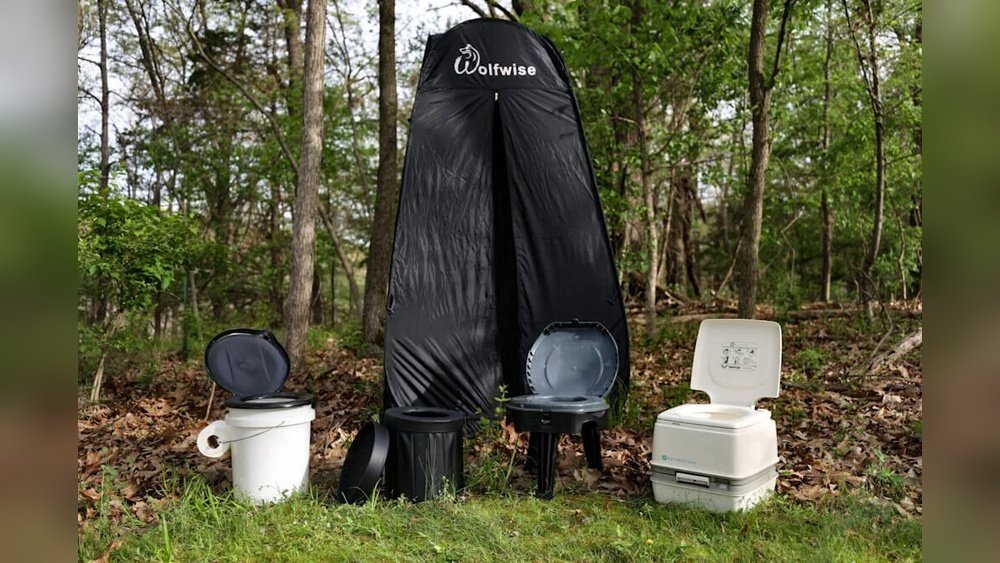
Do Camping Toilets Smell? Tips to Eliminate Odors Fast
Have you ever opened a camping toilet and been hit with a strong, unpleasant smell? Many campers have faced this problem. You set up your tent in a beautiful place, but the toilet situation can quickly ruin the mood. Even if you buy a “no-smell” camping toilet, you might still notice odors on a hot day.
It’s frustrating when you want a peaceful outdoor experience, but bathroom smells follow you.
People camp to relax, enjoy nature, and escape city stress. But when nature calls, comfort and hygiene matter. Not everyone wants to dig a hole or walk far to a shared toilet. That’s why camping toilets are popular. They promise privacy and convenience—but do they really control bad smells? Is it possible to have a camping toilet that doesn’t stink up your tent or RV?
Let’s break down the truth about camping toilets and odor. This guide covers how much they smell, why, what you can do to stop it, and what works in real life. You’ll get answers that help you camp comfortably and confidently—without holding your nose.
Why Do Camping Toilets Smell?
The short answer: yes, camping toilets can smell. But it depends on the type, how you use it, and how you clean it. Here’s why odors happen:
- Human waste naturally smells. Even with the best toilet design, waste creates strong odors.
- Heat and moisture make smells worse. Warm weather or a closed tent can trap bad air.
- Bacteria break down waste. This process releases gases like ammonia and methane, which smell bad.
- Poor cleaning or leaving waste too long makes it worse.
Some toilets smell more than others. Cheap models or simple buckets with no seal let smells escape. Even high-end models can smell if not used or cleaned the right way.
Types Of Camping Toilets And Odor Levels
Different camping toilets control smell in different ways. Here’s a look at the main types and what you can expect:
| Type of Camping Toilet | Odor Control | Notes |
|---|---|---|
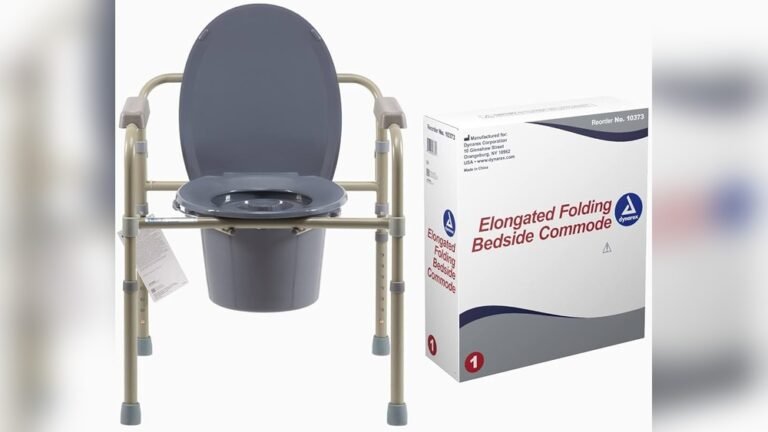
| Bucket Toilet | Poor | Cheap, easy, but often smells unless lined and sealed well |
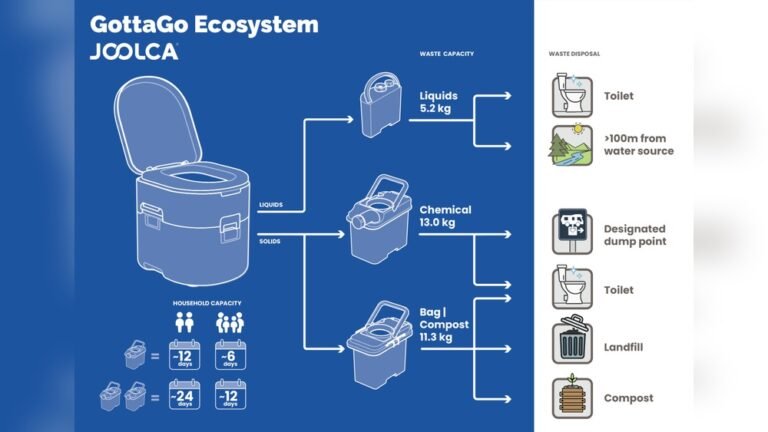
| Portable Flush Toilet (Cassette) | Good | Flushes waste into sealed tank, uses chemicals to reduce smell |
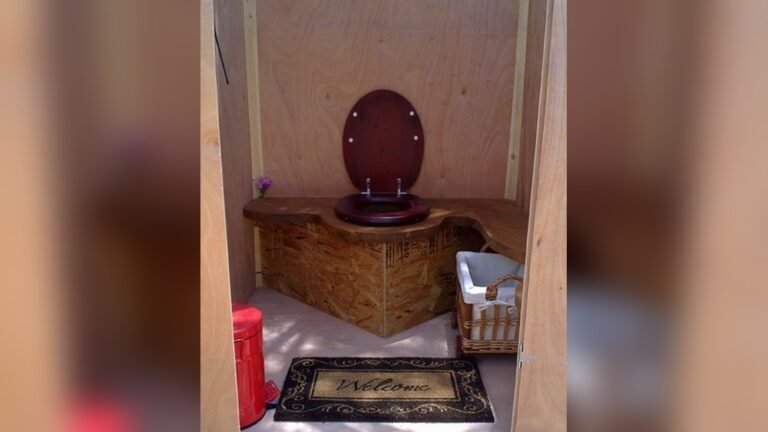
| Composting Toilet | Very Good | Breaks down waste, vented outside, low smell if used right |
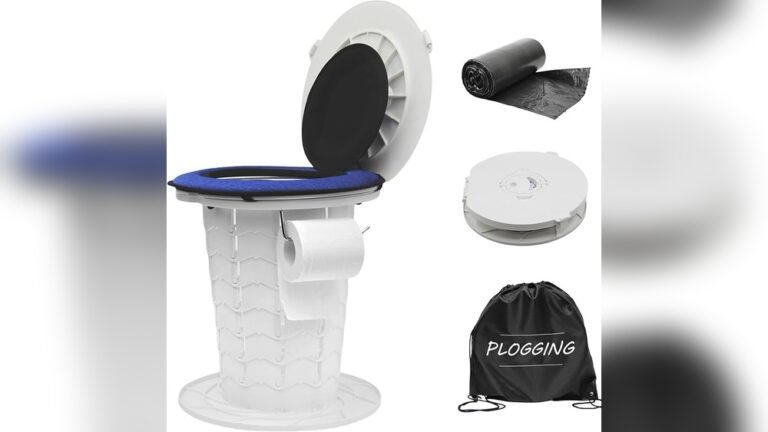
| Bag Toilet (Wag Bag) | Average | Uses gel or powder to absorb waste, can smell if not sealed tight |
| Chemical Toilet | Good | Chemicals mask odor, but can still smell when emptying |
Which Type Smells The Most?
- Bucket toilets are the worst for odor. Unless you use strong liners and seal them right away, the smell escapes fast.
- Composting toilets are best if you follow the rules. The vent system is key.
- Flush and chemical toilets do a good job, but need the right chemicals and regular cleaning.
What Makes Camping Toilets Smell Worse?
Some mistakes make odors much stronger. Watch out for these:
- Not emptying often: Waste left too long gets smellier.
- Weak or old chemicals: If you skip chemicals, or use too little, smells build up.
- Hot weather: High heat “activates” bacteria and spreads odor.
- Bad seals or leaks: If the lid doesn’t close tight, smells escape.
- Mixing liquids and solids: Composting toilets need urine and solids separate. Mixing them causes strong ammonia smells.
- Using the wrong bags: Thin trash bags leak and trap bad air.
Pro tip: Even “no-smell” toilets need the right care. Skipping one cleaning can undo all the design features.
How To Reduce Or Eliminate Odors
You can’t remove all odors, but you can control them. Here’s how to keep your camping toilet as fresh as possible:
1. Empty And Clean Regularly
Don’t wait until the toilet is full. Empty daily if possible, especially in hot weather. Clean all parts with soap and water, not just a quick rinse.
2. Use Special Chemicals Or Additives
Toilet chemicals break down waste and add perfume. They come in liquid, powder, and tablet form. Add them each time you set up the toilet.
- For composting toilets, use coco coir or peat moss. They absorb moisture and help control odor.
- Some RVers use homemade solutions like vinegar and baking soda for chemical toilets.
3. Keep It Sealed
Make sure the lid, seat, and waste tank all close tightly. If you use a bag toilet, twist and seal bags before disposing.
4. Ventilation Is Key
If your toilet has a vent (especially composting types), set it up properly. A small fan or open window can help move bad air outside the tent or vehicle.
5. Store In The Right Place
Keep the toilet outside your sleeping area if possible. Use a separate tent or shelter if you’re sensitive to smells.
6. Use Absorbent Materials
Sprinkle sawdust, kitty litter, or special gels into the toilet to soak up liquids and cover smells.
7. Watch The Temperature
Store your toilet in the shade. Heat makes odors worse and can melt bag gels.

Credit: www.amazon.com
Real-world Examples: What Campers Say
Let’s look at some honest feedback from campers:
- Cassette toilets: “Much better than a bucket, but after two days you smell it unless you empty and add chemicals.”
- Composting toilets: “Almost no smell if you separate urine and empty solids every few days. The vent is very important.”
- Bucket toilets: “Cheap, but can stink up a small tent. Liners help, but not perfect.”
- Bag systems: “Gel bags are fine for a few hours, but you have to seal and toss them soon. Don’t leave overnight in hot weather.”
Many people notice that “smell-free” claims depend on daily care. Even expensive toilets can smell if you get lazy with cleaning.
Comparing Camping Toilet Odor Control
Here’s a side-by-side look at odor control for different camping toilets:
| Toilet Type | Odor After 1 Day | Odor After 3 Days | Best for Sensitive Noses? |
|---|---|---|---|
| Bucket | Strong | Very Strong | No |
| Flush Toilet | Mild | Moderate | Maybe |
| Composting | Very Mild | Mild | Yes |
| Bag System | Mild | Strong | No |
Insight: Many beginners think “sealed” toilets are always odorless. In reality, heat, leaks, or poor cleaning can still cause bad smells.
Common Myths About Camping Toilet Odor
Not everything you read is true. Here are some myths and the facts:
- Myth: “Composting toilets never smell.”
Fact: They smell less, but only if you separate liquids, vent well, and empty solids often.
- Myth: “Toilet chemicals remove all odor.”
Fact: They mask or reduce odor, but don’t remove it completely—especially if used incorrectly.
- Myth: “One cleaning per trip is enough.”
Fact: Even one day in hot weather can cause strong odors if you don’t empty often.
- Myth: “All toilets work the same.”
Fact: Design, materials, and user habits make a big difference.
Practical Tips For Odor-free Camping Toilets
- Pick the right size. Don’t buy a huge toilet if you only camp weekends. Smaller tanks mean you empty and clean more often, which reduces odor.
- Bring extra liners, chemicals, and cleaning wipes. Don’t run out of supplies.
- Pack a small spray bottle of vinegar or enzyme cleaner. Spray after every use if you’re sensitive to smells.
- Use a privacy tent for your toilet. Not only for privacy—ventilation helps keep smells out of your main tent.
- Never store full waste tanks inside your car or tent. Always keep them outside until you can empty.
Non-obvious tip: Some campers add a few drops of essential oil (like tea tree or eucalyptus) to the toilet. It’s not a fix, but it helps mask smells naturally.

Credit: www.amazon.com
When To Worry About Bad Smells
A bit of odor is normal, but strong or strange smells can mean trouble:
- Rotten egg smell: Possible gas buildup. Empty and clean the toilet immediately.
- Chemical smell: Too much additive or a leak.
- Sour smell: Bacteria growing from missed cleaning.
If you notice these, empty and clean the toilet right away. Sometimes, you need to replace seals or parts.
Environmental Impact Of Chemicals And Odor Control
Many campers worry about what goes into the toilet. Chemical additives can harm the environment if not disposed of properly. Always use camp-friendly chemicals and follow disposal rules.
Some public parks or campgrounds ban chemicals with formaldehyde. Check local rules before you buy. Composting toilets are often the most eco-friendly option if you follow instructions and use the right materials.
For more on safe disposal and eco-friendly camping toilets, check the Portable Toilet Wikipedia page.
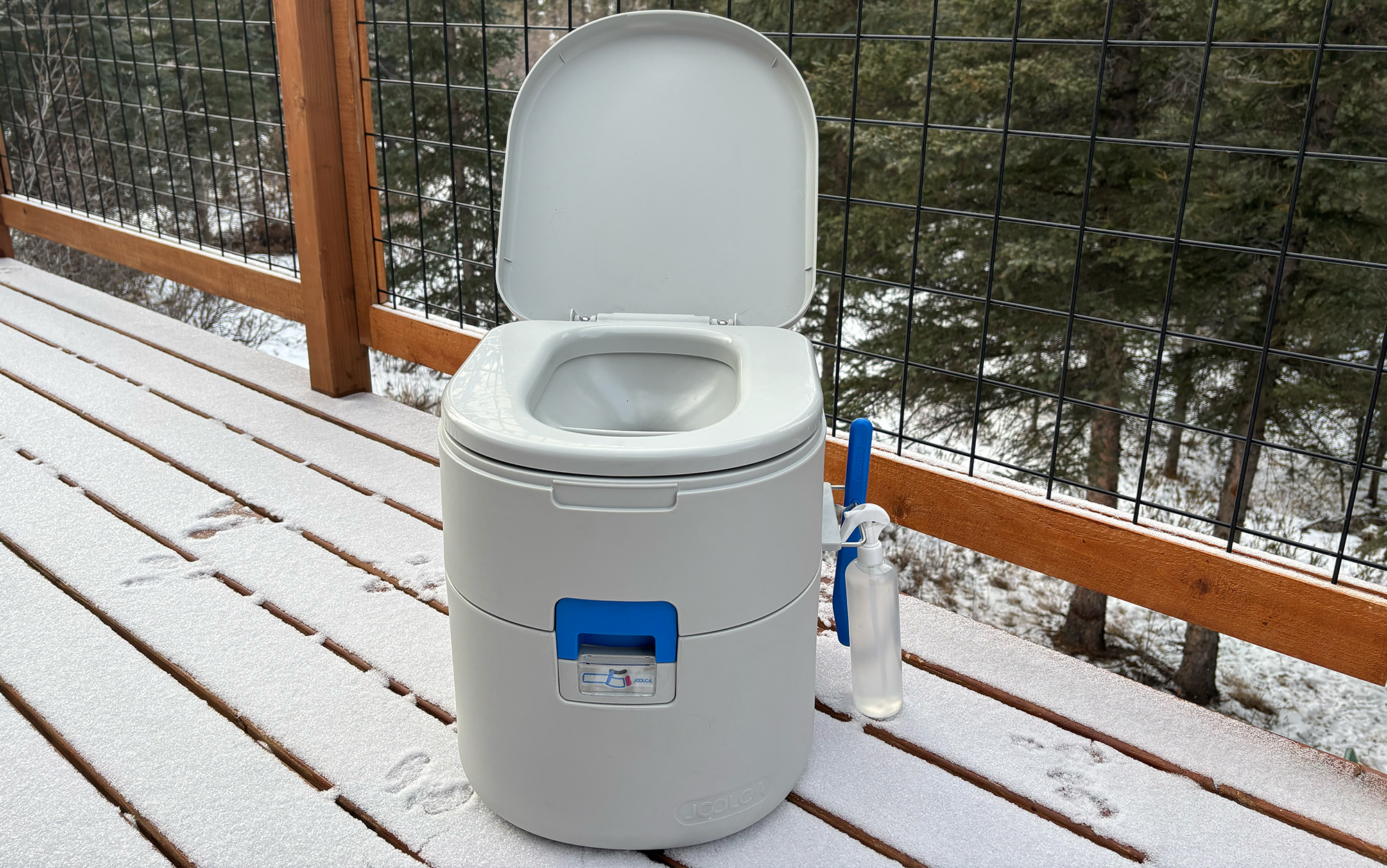
Credit: www.outdoorlife.com
Quick Reference: Odor Control Methods And Effectiveness
| Odor Control Method | Effectiveness | Notes |
|---|---|---|
| Toilet Chemicals | High (when used right) | Masks smell, breaks down waste |
| Composting Materials (Coco Coir, Peat Moss) | Very High | Absorbs liquid, prevents smell |
| Sealed Bags | Medium | Only as good as the seal |
| Sawdust/Kitty Litter | Medium | Quick fix, not perfect |
| Frequent Cleaning | Very High | Most important step |
When A Camping Toilet Is Smell-free (and When It’s Not)
It’s possible to have a mostly odor-free camping toilet, but only with the right setup and habits. If you:
- Empty and clean daily
- Use the right chemicals or composting material
- Ventilate well
- Keep the toilet sealed
…then smells are minimal. But if you skip a step, or camp in hot weather, some odor is likely.
Beginner insight: Don’t wait until the toilet smells before cleaning. Prevention works better than trying to cover up bad smells later.
Frequently Asked Questions
Why Does My Camping Toilet Still Smell Even With Chemicals?
Chemicals help, but they can’t fix leaks, poor seals, or old waste. Make sure you empty often and use enough chemicals for the tank size.
Are Composting Toilets Better For Odor Control?
Yes, if used correctly. Composting toilets separate liquids and solids, vent gases outside, and use dry materials to control smell. But mistakes (like not venting or mixing waste) can cause odor.
How Often Should I Empty A Camping Toilet To Avoid Smell?
Daily is best, especially in hot weather or if several people use it. Never let waste sit more than 2 days, even if the toilet isn’t full.
Can I Use Household Cleaning Products In My Camping Toilet?
Some are fine, but avoid bleach and harsh chemicals—they can damage seals and harm the environment. Use camp-safe or enzyme-based cleaners.
Is It Possible To Make A Bucket Toilet Smell-free?
It’s hard, but you can reduce smell with thick liners, sawdust, and by sealing bags tightly. Still, some odor is likely after a day or in hot weather.
Camping toilets can make outdoor life easier and more comfortable—but only if you understand how they work and what causes smells. With smart habits, the right products, and realistic expectations, you can enjoy fresh air both inside and outside your tent.
Happy camping!