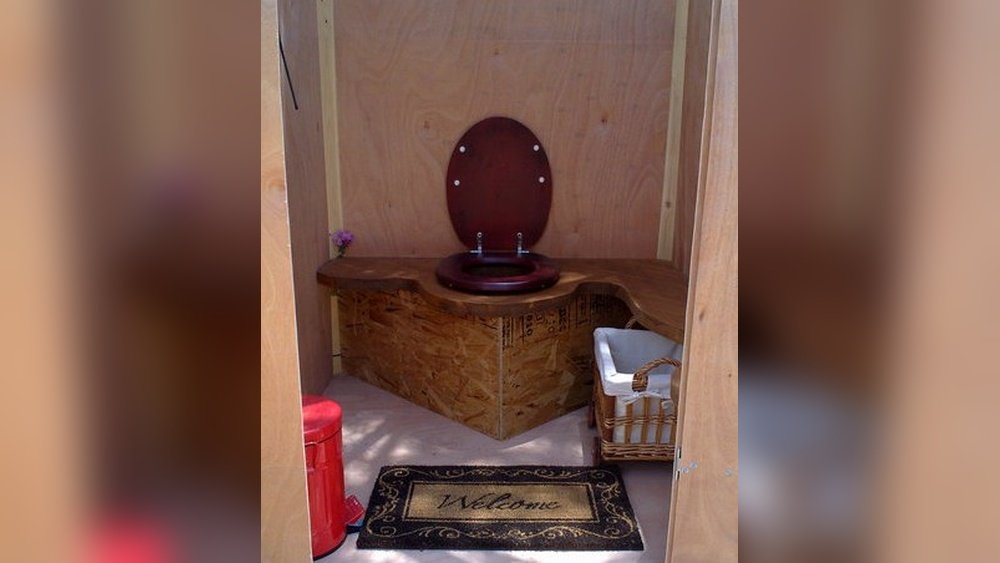
Are Composting Toilets Safe? Essential Facts You Need to Know
Many people dream of off-grid living, camping, or tiny houses—but the bathroom can quickly become the worst part. Nobody wants nasty smells, complicated plumbing, or worries about waste. You might have heard about composting toilets as a clever alternative, but maybe you wonder: Are composting toilets really safe? Will they protect your family from germs? Or could they even make things worse?
When you’re building a cabin, buying an RV, or just trying to live greener, the toilet is not something you can ignore. Safety, comfort, and health are non-negotiable. You want something easy to use, low on maintenance, and—most of all—something that won’t put anyone at risk. Let’s dig into the facts, look at what works and what doesn’t, and answer the big question: Are composting toilets safe?
What Is A Composting Toilet?
A composting toilet is a dry toilet that uses little or no water. Instead of flushing waste away, it separates and breaks down human waste using natural processes. These toilets turn waste into compost, which can be used as fertilizer (if local laws allow).
There are two main types:
- Self-contained units: Everything happens inside the toilet.
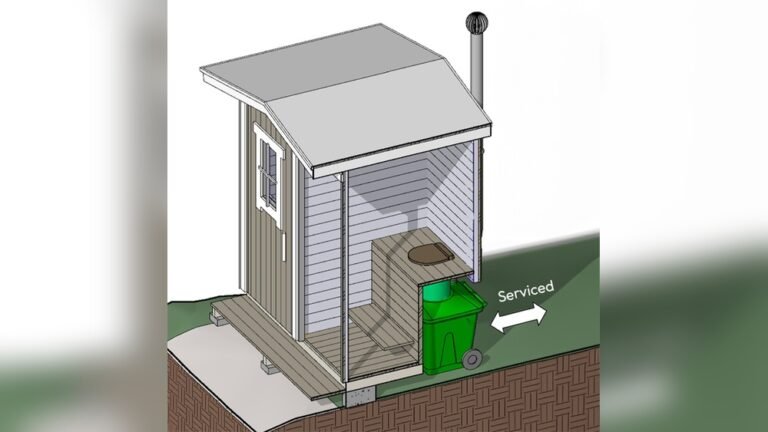
- Central systems: Waste goes to a larger tank or chamber, usually outside.
Composting toilets are common in places where water is scarce, or plumbing is not possible. You’ll see them in off-grid homes, boats, RVs, cabins, and even eco-friendly city buildings.
How Do Composting Toilets Work?
The basic idea is simple. Composting toilets use aerobic bacteria (bacteria that need oxygen) to break down waste. Some models separate urine from solids, which helps control moisture and smell.
Key steps:
- Waste collection: Solid waste and sometimes urine are separated.
- Composting: Air, heat, and sometimes extra material (like sawdust or coconut coir) help bacteria break down the waste.
- Evaporation: Most liquid evaporates or is drained away.
- Safe storage: Finished compost is stored until it’s safe to handle.
The goal is to turn human waste into a stable, harmless material—just like a garden compost pile, but designed for safety.
Health And Safety: What Can Go Wrong?
You might worry that composting toilets are “dirty” or risky. The truth is, composting toilets can be safe if used and maintained correctly. But there are real dangers if things go wrong:
- Pathogen survival: If the composting process fails, harmful germs (bacteria, viruses, parasites) can survive in the waste.
- Odor problems: Bad smells are not just unpleasant; they can mean the composting system isn’t working right.
- Insect issues: Flies and other insects may breed if the waste isn’t managed well.
- Chemical contamination: Some cleaning products can kill good bacteria or pollute compost.
It’s not magic. Composting toilets are only as safe as their design, use, and maintenance.
Are Composting Toilets Safe? (the Real Answer)
Safety When Used Properly
When composting toilets are used as designed, they are very safe. Studies from the World Health Organization and universities confirm that, with the right temperature, airflow, and moisture, dangerous bacteria and viruses are destroyed. The finished compost can be as safe as regular soil.
Some key safety features:
- Urine separation reduces liquid, making it harder for germs to survive.
- Ventilation fans keep air moving and reduce smells.
- Secure containers make sure there is no contact with waste.
Where Safety Fails
Problems happen when:
- The compost pile is too wet or too dry.
- The toilet is overloaded (used by more people than designed).
- The system isn’t emptied or maintained on schedule.
- People add chemicals that kill the composting bacteria.
If these things happen, the composting process slows down or stops. Harmful germs can survive, and the risk of disease goes up.
Data And Research
A review published in *Environmental Health Perspectives* found that properly managed composting toilets reduce pathogens by over 99%. In Sweden and Finland, thousands of homes use composting toilets with no increase in stomach illness compared to homes with flush toilets.
However, another study in India found that poorly run systems could spread disease if compost isn’t fully matured. That’s why user training and maintenance are so important.
Credit: compocloset.com
Comparing Composting Toilets To Other Toilet Types
To see how composting toilets measure up, here’s a simple comparison.
| Toilet Type | Water Use | Pathogen Risk | Odor Control |
|---|---|---|---|
| Flush Toilet | High (1.6-5 gal/flush) | Low (if sewer/septic working) | Good |
| Composting Toilet | Low/None | Low (if managed well) | Good (if vented/managed) |
| Pit Latrine | None | Medium/High | Poor |
Composting toilets can be as safe as flush toilets but use much less water.
Key Safety Features To Look For
If you’re considering a composting toilet, pay attention to these features:
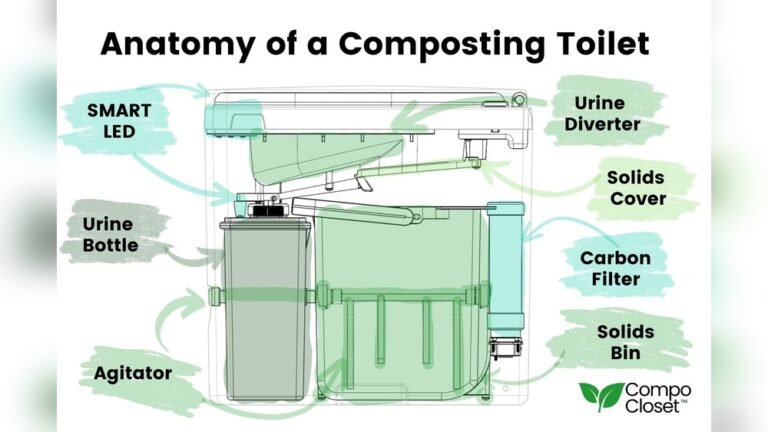
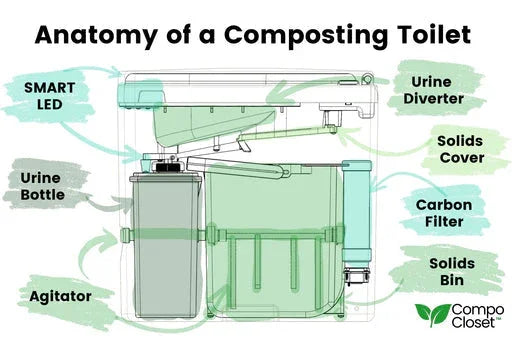
- Urine diverter: Keeps solids dry and helps reduce smell and germs.
- Ventilation fan: Moves air, removes moisture, and prevents odors.
- Sealed containers: Prevents contact with waste and keeps insects out.
- Easy emptying system: Makes maintenance simple and clean.
- Temperature control: Warmer systems work faster and kill more germs.
Some modern units have digital displays and alarms for maintenance, but the basics matter most.
Real-world Scenarios: Where Composting Toilets Shine (and Fail)
Let’s look at a few examples:
- Remote cabins: With no sewer line or water, composting toilets are often the only option. When used correctly, they keep the area clean and eco-friendly.
- RVs and boats: Composting toilets save water and space. But, if you travel in very cold places, composting slows down.
- Tiny houses: Composting toilets let you live off-grid. But a small system can struggle if used by a family instead of just one or two people.
- Disaster relief: In emergencies, composting toilets can provide safe sanitation fast—if users are trained.
The biggest failures come from overuse, poor maintenance, or misunderstanding how the system works.
How To Use A Composting Toilet Safely
You don’t need a science degree, but you do need to pay attention. Here’s what actually matters:
- Follow the instructions for your model.
- Add cover material (like sawdust or coconut coir) after each use to keep things dry.
- Empty the system before it gets full.
- Wash hands after every use.
- Do not add chemicals or cleaners that could harm the composting bacteria.
- Check for insects and fix any problems fast.
- Let compost mature: Wait the recommended time before using finished compost, especially if it’s used on food plants.
Many people forget to add cover material or empty the bin on time—this is where most problems start.
Common Myths And Misconceptions
There are a lot of rumors about composting toilets. Let’s clear up a few:
- “They always smell bad.” Not true if used and vented properly.
- “They spread disease.” Properly composted waste is safe, but immature compost can be risky.
- “They’re only for the wilderness.” Many city buildings use composting toilets to save water.
- “They’re hard to use.” Most people adapt quickly—it’s just a new habit.
Regulations And Legal Issues
Not everywhere allows composting toilets, and rules can be strict. Some places require special permits or inspections. In the US, the National Sanitation Foundation (NSF) sets standards for composting toilets. Always check local codes before installing.
Some states let you use finished compost only on ornamental plants, not food crops. Others require third-party certification.
Environmental And Cost Benefits (with A Warning)
Composting toilets can save thousands of gallons of water each year. They also reduce strain on septic systems and city sewers. Over time, they can save money on water bills and plumbing.
But, if safety is not managed, the environmental benefit can disappear. Unsafe compost can pollute soil and water.
Here’s a quick look at costs and savings:
| Toilet Type | Install Cost | Annual Water Use | Maintenance |
|---|---|---|---|
| Flush Toilet | $200–$1,000+ | 10,000+ gal/person | Low (if sewered) |
| Composting Toilet | $700–$2,000+ | None | Medium (emptying, adding cover) |
Non-obvious Insights Most Beginners Miss
- Composting toilets need “bulking material” (like sawdust or coconut fiber) to work well. Without it, composting is slow and messy.
- Finished compost needs “curing”—letting it sit longer to kill any remaining germs. Many people skip this, which is risky.
Beginners often forget that not all waste breaks down at the same speed. Diapers, wipes, or sanitary products can block the system and ruin compost.

Credit: www.popsci.com
Who Should Avoid Composting Toilets?
While composting toilets are safe for most, they are not for everyone:
- People who don’t want to do regular maintenance.
- Homes with large families (unless using a big system).
- Areas with strict building codes against composting toilets.
- Places with very cold climates—unless the unit is heated.
If you want a “set and forget” solution, a composting toilet may not be the best fit.
Practical Tips For Safe And Easy Use
- Choose a model that matches the number of users.
- Keep a supply of cover material nearby.
- Teach guests or family how to use the system.
- Clean the outside of the toilet regularly.
- Check vents and fans to keep air moving.
- Read the manual—every system is a little different.
If something smells, fix it right away. Odor is a warning sign.
For more technical details, you can check out this Wikipedia article on composting toilets.

Credit: trobolo.us
Frequently Asked Questions
Can Composting Toilets Spread Disease?
If used and maintained properly, composting toilets kill most harmful germs. The main risk comes if the compost isn’t fully finished before handling.
Do Composting Toilets Smell Bad?
A well-maintained composting toilet should have little or no odor. Most smells come from poor maintenance or not enough cover material.
Are Composting Toilets Legal Everywhere?
No. Some places have rules or bans. Always check local regulations before installing.
Can You Use Compost From Toilets On Food Plants?
It depends on local laws and how well the compost is cured. Many experts recommend using it only on ornamental plants.
How Often Do You Need To Empty A Composting Toilet?
It depends on the model and number of users. For a family, emptying solids every 2–4 weeks is common. Urine containers fill faster and may need emptying every few days.
Composting toilets offer a safe, eco-friendly way to manage waste—but only if you respect the process. With the right care, they are clean, reliable, and surprisingly easy to live with. If you want water savings and less impact on the planet, they are worth considering. Just remember: safety comes from good design, good habits, and regular attention.