Composting Toilet Vs Cassette Toilet: Which Is Best for You?
Composting Toilet Vs Cassette Toilet: Which Is Right For You?
Choosing the right toilet for your RV, tiny home, or off-grid cabin is important. Two popular options are the composting toilet and the cassette toilet. Each has its own strengths and weaknesses. This guide will help you understand the real differences, so you can pick the best one for your needs.
What Is A Composting Toilet?
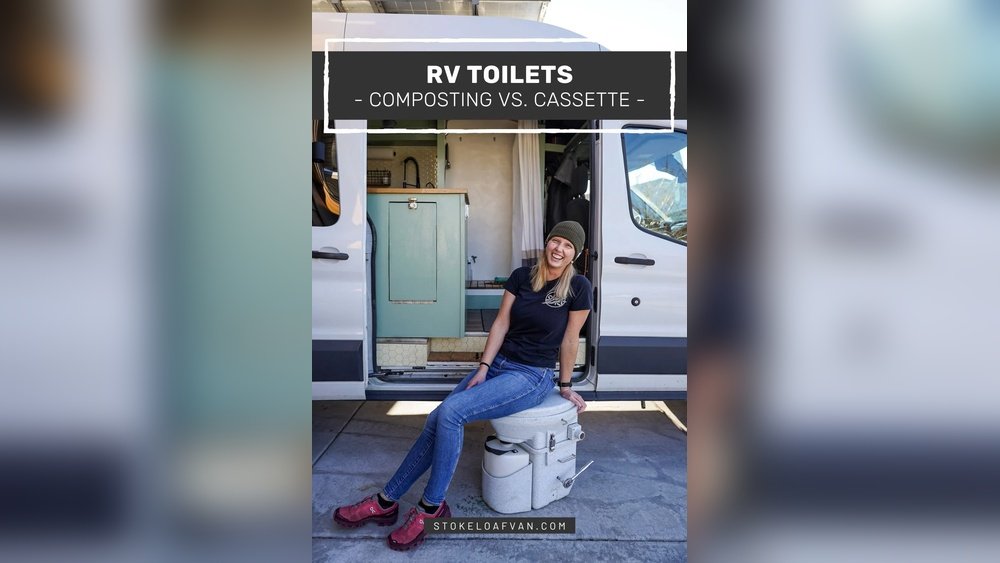
A composting toilet is a waterless toilet that turns human waste into compost. It uses natural bacteria and air to break down waste. Most have two chambers: one for solids and one for liquids. The solid waste mixes with peat moss or coconut coir to help the composting process.
Composting toilets are popular in:
- Off-grid homes
- Boats
- RVs
- Remote cabins
They do not need a sewer or septic system. This makes them useful in places where water is limited.
What Is A Cassette Toilet?
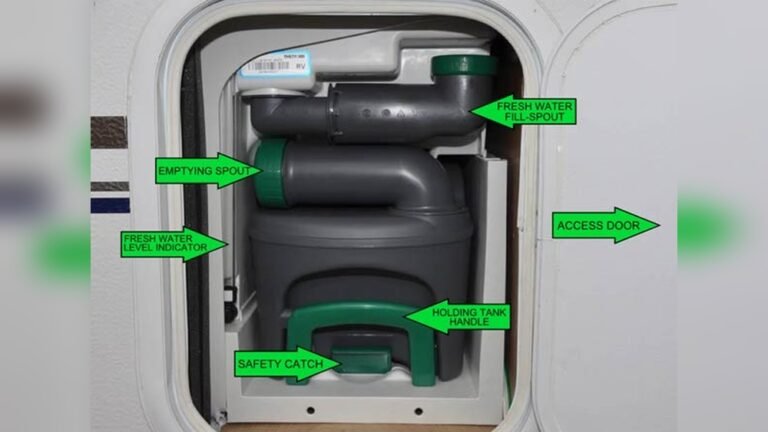
A cassette toilet is a portable toilet with a removable waste tank. The toilet looks and works like a normal flush toilet, but the waste goes into a small cassette (tank) under the toilet. You remove the cassette and empty it at a dump station or toilet.
Cassette toilets are common in:
- Camper vans
- Motorhomes
- Small boats
They use a small amount of water for flushing and often have chemicals to control smell.
Main Differences At A Glance
Here is a simple comparison to help you see the main differences:
| Feature | Composting Toilet | Cassette Toilet |
|---|---|---|
| Water Needed | No | Yes (small amount) |
| Odor Control | Good (with proper use) | Chemicals used |
| Emptying Frequency | Every 2-4 weeks | Every 2-3 days |
| Setup | Permanent or semi-permanent | Portable |
| Cost | High | Low to Medium |
How Composting Toilets Work
A composting toilet keeps liquids and solids separate. You add a bulking agent (like coconut coir) after each solid use. A small fan pulls air through the system to dry the waste and control odor. Over time, bacteria break down the solids into compost.
When the solids bin is full (usually after 2-4 weeks for two people), you empty it. The waste is partly composted and safe to handle with gloves. Some people add it to a compost pile for further breakdown.
Composting Toilet Maintenance
- Add bulking material after each use.
- Empty liquids more often (every 2-3 days).
- Clean the fan and vent screens.
- Mix the compost with a handle or crank, if your model has one.
Non-obvious insight: If you do not separate liquids and solids, odor problems can start fast. Always use as directed.

Credit: separett.shop
How Cassette Toilets Work
A cassette toilet works like a small flush toilet. When you flush, waste goes into the sealed cassette. Chemicals in the cassette help break down waste and mask smells. When full (usually after 2-3 days), you remove the cassette and pour it out at a dump station.
Cassette Toilet Maintenance
- Add toilet chemicals after each empty.
- Rinse the cassette with water.
- Lubricate seals to prevent leaks.
- Clean the bowl and seat often.
Non-obvious insight: Not all dump stations allow chemical waste. Check before you travel.
Pros And Cons: Composting Toilet
Let’s look at what makes a composting toilet a good or bad choice.
Pros
- No water needed: Saves fresh water, great for off-grid.
- Low smell: If used right, there is very little odor.
- Less emptying: Solids need emptying only every 2–4 weeks.
- Eco-friendly: Turns waste into compost.
- No chemicals: Better for the environment.
Cons
- High cost: Most models cost $800–$1,200.
- Learning curve: Needs careful use and maintenance.
- Size: Takes more space than a cassette toilet.
- Electric fan: Needs small amount of power.
- Disposal rules: Some places do not allow humanure compost.

Credit: grandcaravans.com.au
Pros And Cons: Cassette Toilet
Now, the strengths and weaknesses of cassette toilets.
Pros
- Low cost: Most models cost $100–$300.
- Easy to use: Works like a household toilet.
- Portable: Easy to move and install.
- Quick emptying: Simple to dump and rinse.
- Fits small spaces: Good for vans and small RVs.
Cons
- Frequent emptying: Needs emptying every 2–3 days.
- Smell: Chemicals help, but strong odors can happen.
- Chemical use: Not eco-friendly.
- Limited capacity: Not good for families or long trips.
- Dump station needed: Must empty at approved spots.
Cost Comparison
Initial price and ongoing costs are very different.
| Expense | Composting Toilet | Cassette Toilet |
|---|---|---|
| Purchase Price | $800–$1,200 | $100–$300 |
| Installation | $50–$200 | $0–$50 |
| Monthly Use Cost | $5–$10 (coconut coir) | $10–$20 (chemicals) |
| Disposal Cost | Usually free | Possible dump fees |
Key takeaway: Composting toilets cost more upfront but may save money over time, especially if you avoid dump station fees.
Smell: Which Is Better?
Smell is a big worry for many people.
- Composting toilets: If used right, there is very little odor. The fan and bulking material keep smells down. If you mix liquids and solids, or skip the fan, bad smells can happen.
- Cassette toilets: Chemicals help, but strong smells can appear, especially if you do not empty the tank often. Hot weather makes this worse.
Tip: Empty the tank before it gets full for less smell.
Which Is Easier To Empty?
- Composting toilet: Solids bin is emptied every few weeks. Compost is dry and not very messy. The liquids tank is small and must be emptied every 2-3 days.
- Cassette toilet: The whole cassette is heavy when full (up to 5 gallons or 20 liters). It is more liquid, so can be harder to handle.
Practical example: If you are on a long road trip, a cassette may need emptying at every campground. A composting toilet can last the whole trip.
Where Can You Use Each Toilet?
- Composting toilet: Best for off-grid cabins, boats, tiny homes, and places without water. Some RV parks do not allow them. Always check local rules for compost disposal.
- Cassette toilet: Best for camper vans, small RVs, and places with easy dump station access. Not ideal for remote, off-grid use.
Tip: If you travel in remote areas, a composting toilet gives more freedom.
Environmental Impact
- Composting toilets: Use no water, no chemicals, and make usable compost. This is better for the planet. Some studies show composting toilets save 6,600 gallons of water per year per person.
- Cassette toilets: Use chemicals that can harm water and soil. Waste must go to special dump stations. Not as eco-friendly.
For more on eco-toilets, see the Wikipedia page on composting toilets.
Common Mistakes To Avoid
Composting toilets:
- Mixing liquids and solids. Always keep them separate.
- Not adding enough bulking material.
- Skipping fan use.
- Overfilling the solids bin.
Cassette toilets:
- Waiting too long to empty.
- Using wrong chemicals.
- Not rinsing the cassette.
- Not checking dump station rules.
Who Should Choose A Composting Toilet?
Go for a composting toilet if:
- You live off-grid or travel to remote places.
- Saving water matters to you.
- You want a low-maintenance, eco-friendly solution.
- You do not mind a higher upfront cost.
Real insight: Most full-time van-lifers and tiny home owners choose composting toilets for freedom and less hassle.
Who Should Choose A Cassette Toilet?
Pick a cassette toilet if:
- You want a low-cost, simple solution.
- You stay at campgrounds with dump stations.
- You do not mind emptying often.
- Your space is very limited.
Real insight: Cassette toilets are best for short trips and small vehicles.
Side-by-side Feature Comparison
Here is a quick view of important features:
| Feature | Composting Toilet | Cassette Toilet |
|---|---|---|
| Waterless | Yes | No |
| Eco-friendly | Yes | No |
| Odor Control | Very Good | Good with chemicals |
| Portability | Low | High |
| Maintenance | Low to Medium | Medium to High |
Final Thoughts
The choice between a composting toilet and a cassette toilet depends on your lifestyle, budget, and values. If you want less emptying, care about the environment, and travel off-grid, a composting toilet is worth the investment. If you need a portable, low-cost solution for short trips, a cassette toilet is the way to go. Think about where and how you will use your toilet before you buy.
Frequently Asked Questions
What Is The Main Difference Between A Composting Toilet And A Cassette Toilet?
A composting toilet turns waste into compost without water, while a cassette toilet stores waste in a removable tank and uses chemicals.
How Often Do You Need To Empty Each Toilet?
Composting toilets need solid emptying every 2–4 weeks, liquids every 2–3 days. Cassette toilets need emptying every 2–3 days, sometimes daily for families.
Are Composting Toilets Really Odorless?
Yes, if used correctly. Proper separation, bulking material, and a fan keep odors away. Mistakes can cause smells.
Can You Use Regular Toilet Paper In Both Types?
Yes. Both types handle regular toilet paper, but composting toilets work best with thin, fast-breakdown paper.
Which Is Better For The Environment?
Composting toilets are better for the environment. They use no water, no chemicals, and produce compost. Cassette toilets use chemicals and create waste for treatment.

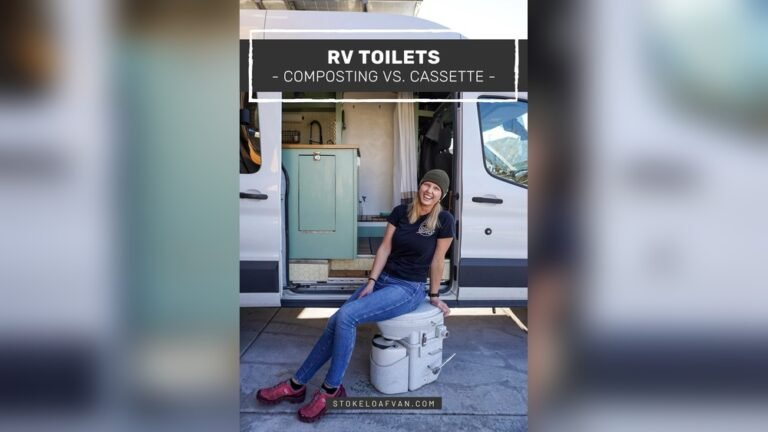
Credit: www.stokeloafvan.com