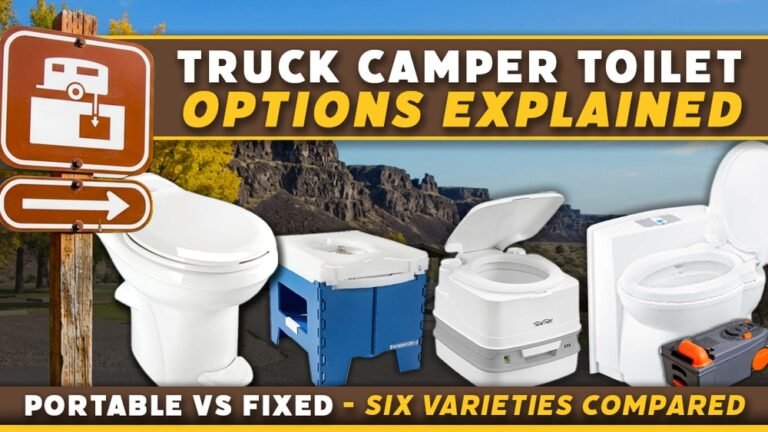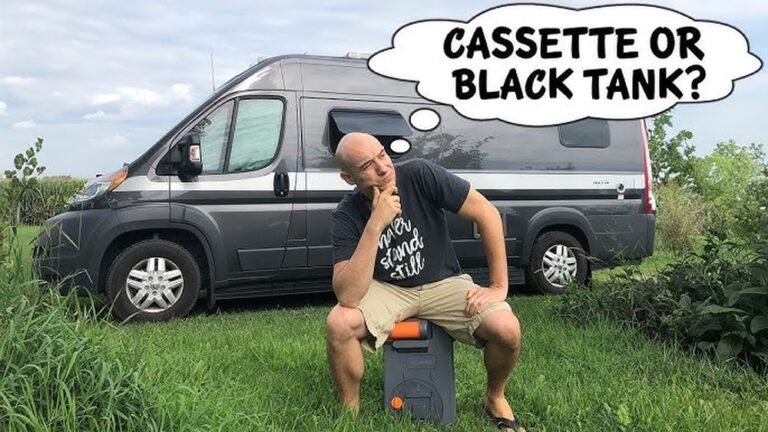
What is a Cassette Toilet? Everything You Need to Know
Ever been on a road trip, camping far from city lights, when you suddenly need a bathroom? Maybe you’re in your RV, parked by a beautiful lake, but there’s no restroom in sight. Or you’re woken up at night, desperate for relief, only to face a long walk in the dark and cold.
These moments can ruin a perfect getaway. Many people feel awkward, uncomfortable, and sometimes even unsafe searching for a toilet outdoors or in public facilities that are dirty or crowded.
That’s why portable toilets are in high demand. They offer comfort and privacy when you’re far from home. But not all portable toilets are equal. Some are bulky, messy, or difficult to clean. One popular option stands out for its simplicity and convenience: the cassette toilet. If you travel in a campervan, RV, or boat—or just want a better solution for outdoor life—understanding cassette toilets is essential.
What Is A Cassette Toilet?
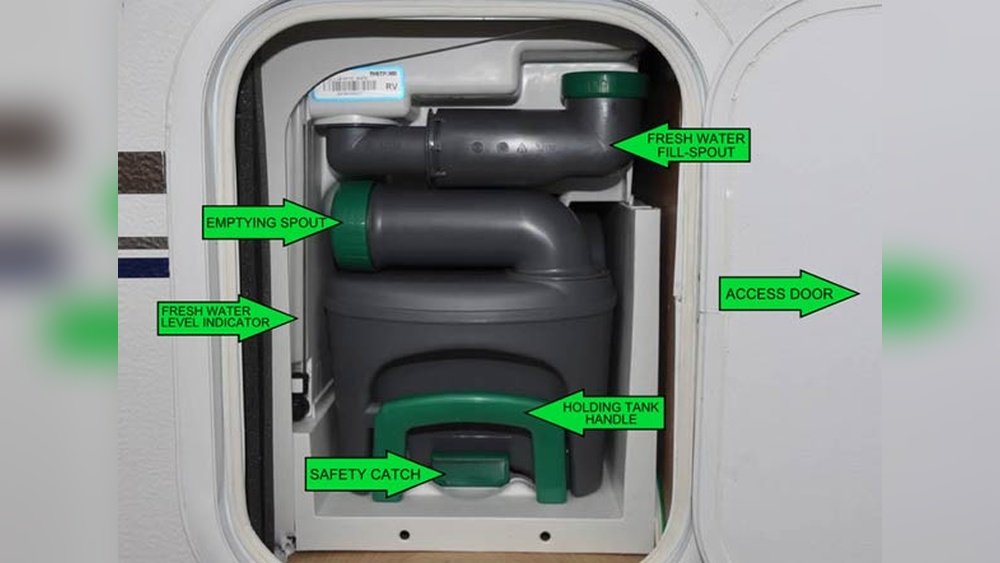
A cassette toilet is a compact, portable toilet system often used in RVs, motorhomes, caravans, and boats. It’s called “cassette” because waste is collected in a removable box (the cassette), making it easy to empty and clean. Unlike old-style chemical toilets, the cassette design is more hygienic, user-friendly, and space-saving.
The main parts include:
- Toilet bowl and seat: Like a regular home toilet.
- Flush water tank: Stores water for flushing.
- Removable waste cassette: Holds waste and is easy to take out for emptying.
You can find cassette toilets built into vehicles or as stand-alone portable units. They use chemicals to control odor and break down waste, but they’re designed for quick, simple handling.
How Does A Cassette Toilet Work?
The user sits and uses the toilet as usual. When finished, they press a button or pull a lever to flush. Water from the flush tank rinses the bowl, and waste drops into the cassette below. This cassette sits under the toilet or in a nearby compartment.
It’s sealed tight to stop leaks and block odors.
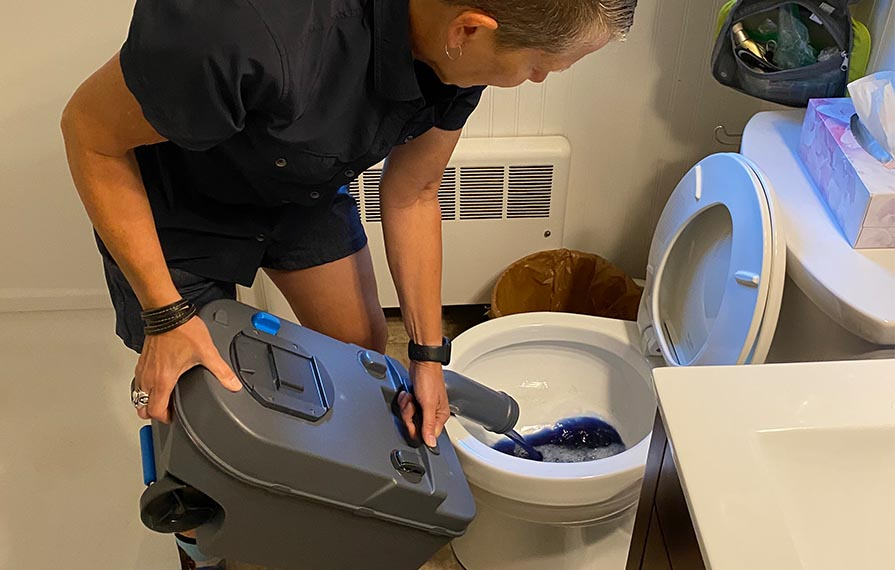
When the cassette is full—or before you travel home—you open a small outside door, slide out the cassette, and carry it to a dump station or toilet. A spout lets you pour out the waste cleanly. Rinse with water, add new chemicals, and it’s ready to use again.

Credit: blog.campingworld.com
Where And When Are Cassette Toilets Used?
Cassette toilets are used anywhere a fixed plumbing system isn’t practical. Some common places are:
- RVs, campervans, and caravans: Most modern RVs have them as standard.
- Boats and yachts: They fit in small cabins and are easy to empty at marinas.
- Tiny homes: Ideal for off-grid life.
- Construction sites or remote work camps: Offer basic hygiene for workers.
Travelers, outdoor lovers, and workers all use cassette toilets for privacy, safety, and comfort. They’re especially useful for families with kids or older people who can’t walk far at night.
Key Features Of A Cassette Toilet
Cassette toilets are popular because they balance comfort and practicality. Here’s what makes them special:
- Compact size: Fits in small spaces, even under beds or seats.
- Easy to use: Feels like a home toilet. No complicated buttons.
- Quick to empty: Cassette slides out in seconds.
- Odor control: Chemicals and tight seals keep smells away.
- No plumbing needed: Works without pipes or sewer lines.
- Simple maintenance: Clean with standard products.
Some models even have electric flush, waste level indicators, or wheels on the cassette for easy transport. These small improvements make a big difference, especially on longer trips.
Cassette Toilet Vs. Other Portable Toilets
How does a cassette toilet compare to other types? Here’s a look at the main differences.
| Feature | Cassette Toilet | Bucket Toilet | Composting Toilet |
|---|---|---|---|
| Flushes | Yes | No | No (uses cover material) |
| Odor Control | Good (with chemicals) | Poor | Good (with proper use) |
| Ease of Emptying | Easy (cassette slides out) | Very easy (dump contents) | Moderate (requires compost management) |
| Cost | Medium | Low | High |
| Installation | Simple | None | Complex |
Cassette toilets are a good middle ground. They’re more comfortable than a bucket, less complex than a composting toilet, and not as expensive as full RV toilets with black tanks.
Pros And Cons Of A Cassette Toilet
No toilet is perfect. Here’s what you need to know before choosing a cassette toilet.
Pros
- Convenience: Easy to use and empty, even for beginners.
- Portability: Removable cassette can be carried short distances.
- No plumbing: No need for sewer hookups or complex pipes.
- Odor management: Chemicals keep most smells away.
- Space-saving: Fits in small RVs, boats, and tiny homes.
Cons
- Limited capacity: Most cassettes hold 2–5 gallons, so frequent emptying on longer trips.
- Chemical use: Requires special chemicals for odor and breakdown.
- Handling waste: You still need to carry and pour out the waste, which some people dislike.
- Cleaning: Needs regular rinsing and maintenance to avoid buildup.
Real-life Example
A family of four on a weekend trip may need to empty the cassette every day. But a solo traveler can often go three days or more. Planning ahead is essential.

Credit: flatlinevanco.com
How To Use And Maintain A Cassette Toilet
Worried about mess or smell? Cassette toilets are easy if you follow a simple routine.
Setup
- Place the cassette under the toilet and check it’s locked in.
- Fill the flush water tank (usually with a jug or hose).
- Add the correct dose of toilet chemical to the cassette.
Using
- Use as normal. Only toilet paper and human waste should go inside.
- Flush after every use. Don’t overfill.
Emptying
- Open the external hatch and remove the cassette.
- Carry it to a dump station, toilet, or approved disposal point.
- Turn the spout, release air valve, and pour out waste.
- Rinse with clean water.
- Add new chemicals and return the cassette.
Cleaning
- Rinse after each empty.
- Use a non-abrasive cleaner for the bowl and seals.
- Lubricate seals with silicone spray every few months.
What To Consider Before Buying A Cassette Toilet
Not all cassette toilets are the same. Here’s what matters when choosing one:
| Factor | Why It Matters | Tips |
|---|---|---|
| Capacity | How much waste it holds | Bigger families need larger cassettes |
| Size | Will it fit your space? | Measure the area carefully |
| Flush Type | Manual or electric flush | Electric is easier, but needs power |
| Indicators | Tells when to empty | Useful for first-time users |
| Portability | Does it have wheels or handles? | Heavy cassettes are hard to carry |
Non-obvious tip: Some cassettes are easier to clean than others due to better spout design or fewer corners inside. Look for models with smooth surfaces.
Another insight: If you travel in cold weather, check that your toilet and cassette are rated for freezing temperatures. Some chemicals work poorly in the cold, leading to clogs or bad smells.
Common Mistakes And How To Avoid Them
Even experienced RV users make errors with cassette toilets. Here are some pitfalls to watch out for:
- Overfilling: Ignoring the waste level indicator can lead to leaks. Empty before it’s completely full.
- Using wrong chemicals: Not all chemicals are safe for the environment or legal at campsites. Read labels and choose wisely.
- Flushing non-toilet paper: Wipes, feminine products, or anything but toilet paper can clog the system fast.
- Skipping cleaning: Even if the cassette looks clean, bacteria and odors can build up. Rinse and sanitize regularly.
- Rough handling: Dropping or shaking the cassette can damage seals and cause leaks.
Environmental Impact: What You Should Know
Cassette toilets use chemicals to break down waste and mask odors. Some chemicals are harsh and can harm the environment if not handled properly. Many campsites only allow green or biodegradable chemicals.
Responsible use means:
- Only empty at approved dump stations.
- Use eco-friendly toilet chemicals.
- Never pour waste into lakes, rivers, or bushes.
Newer chemicals are less toxic and break down faster. Some users also add enzyme-based cleaners for better results. For more on chemical types and disposal rules, see the Wikipedia entry on cassette toilets.
Practical Tips For First-time Cassette Toilet Users
- Practice removing and carrying the cassette while it’s empty first.
- Wear gloves when emptying, just in case.
- Add a small amount of water to the cassette before use to stop waste from sticking.
- Keep extra chemicals and toilet paper in your vehicle.
- Clean the spout and seals carefully—this prevents leaks and bad smells.
If you travel off-grid, plan where you’ll empty the cassette. Some remote areas have few dump stations. Apps and camping guides can help you find locations.
Frequently Asked Questions
How Often Do I Need To Empty A Cassette Toilet?
Most cassettes hold 2–5 gallons. For two people, expect to empty every 1–2 days. Larger groups or heavy use require more frequent emptying.
Can I Use Regular Toilet Paper In A Cassette Toilet?
Yes, but special RV toilet paper breaks down faster and reduces clogs. If you use regular paper, choose thin, non-perfumed brands.
Are Cassette Toilets Smelly?
If you use the right chemicals and clean regularly, smells are minimal. Problems usually come from old waste, weak seals, or using the wrong chemicals.
Where Can I Empty A Cassette Toilet?
Use official dump stations, RV parks, or public toilets that allow it. Never dump in nature or storm drains—this can cause fines and harm the environment.
Is A Cassette Toilet Hard To Install?
Most portable units need no installation—just place them where you want. Built-in models for RVs or boats may require professional fitting, but it’s usually straightforward.
Cassette toilets offer a blend of comfort, convenience, and flexibility. They’re not perfect, but for many travelers, they solve one of the biggest problems of life on the road: where to go when you need to go. By understanding how they work, what to look for, and how to use them responsibly, you can travel more comfortably and confidently—no matter where your journey leads.
Credit: www.winnebago.com