Do Camping Toilets Need Water? Essential Facts for Campers
If you’ve ever squatted behind a bush on a cold morning, you know: camping toilets aren’t a luxury—they’re survival gear. Maybe you’ve tried digging a hole, only to find rocky ground. Or, you picked a “toilet” that promised an odor-free experience but left you with a mess and a smell you can’t forget. Many campers ask, “Do camping toilets need water?” But the answer isn’t as simple as yes or no. It depends on the type, the place you camp, and how much effort you want to spend cleaning up.
So, why should you care about water in your portable toilet? When you’re far from real bathrooms, staying comfortable and clean matters. The wrong choice can mean extra work, smelly campsites, or even breaking local waste rules. Let’s break down what you really need to know before your next adventure.
Why Water Matters For Camping Toilets
Water is more than just a cleaning tool—it’s often the main way camping toilets manage waste and control odors. In some toilets, water works just like at home: it flushes waste into a tank. In others, water isn’t needed at all.
Here’s why this question is important:
- Comfort: Water makes using a camping toilet feel more like a normal bathroom.
- Hygiene: It helps keep the bowl clean and reduces germs.
- Odor Control: Water can trap smells, but sometimes it can make things worse if not used correctly.
- Rules: Some campgrounds require you to pack out all waste. How your toilet handles water can affect this.
But not all portable toilets use water. That’s why it’s important to know the differences.
Types Of Camping Toilets And Their Water Needs
Camping toilets come in a few main types. Each works differently and has its own pros and cons.
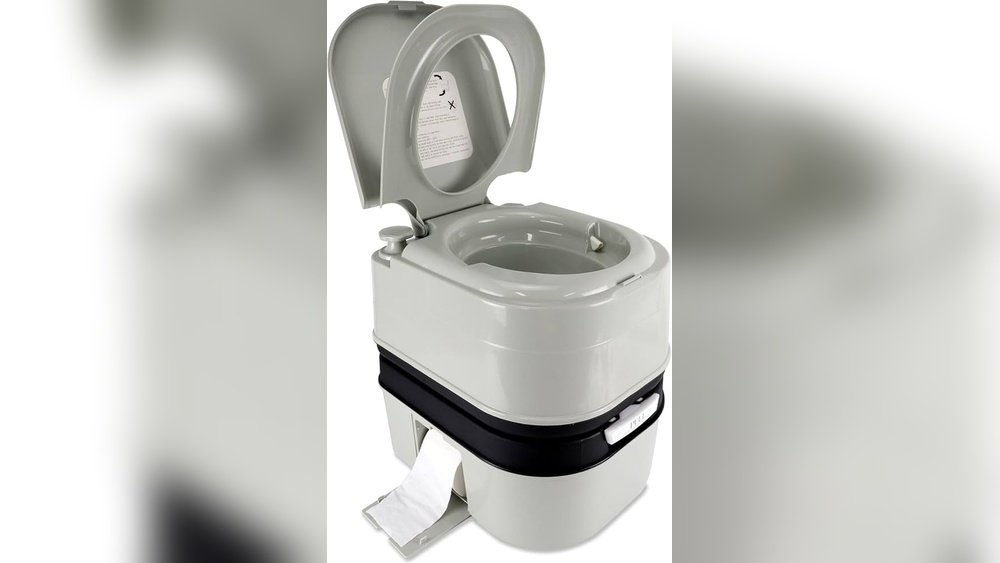
1. Flushable (cassette Or Portable Flush Toilets)
These are the closest to your home toilet. They use water to flush waste into a sealed tank.
How They Work:
You fill a fresh-water tank before your trip. After use, you flush by pressing a pump or lever. Waste and water move into a holding tank, often with chemicals to control smell.
Water Needed:
Yes—usually 2–4 gallons for a weekend trip.
Pros:
- Feels like a real toilet.
- Good for families and longer stays.
Cons:
- Heavy when full.
- Needs regular emptying and cleaning.
- If water runs out, flushing stops.
Example:
The Thetford Porta Potti is a popular flushable model. It can use about 4 gallons of water over a 3-day weekend for two people.
2. Dry Toilets (composting Or Desiccating Toilets)
These toilets don’t need water. They use natural materials (like sawdust or coconut coir) to cover waste and help it break down.
How They Work:
You add dry cover material after each use. Some have fans for ventilation. Waste is collected in a bin, which you empty later.
Water Needed:
None.
Pros:
- No water to carry or refill.
- Easier to use where water is scarce.
Cons:
- Needs cover materials.
- Emptying can be messy.
- Not allowed everywhere.
Example:
The Nature’s Head Composting Toilet is used in RVs and tiny homes. It needs no water, just dry material.
3. Bag Toilets (wag Bags, Double Doodie Bags)
These are the simplest toilets. Waste goes into a heavy-duty bag, sometimes with gel or powder to absorb liquids.
How They Work:
Set up a seat, line it with a bag, and use it. Seal the bag after. Most gels or powders turn waste into a solid for easy disposal.
Water Needed:
None.
Pros:
- Light and easy to pack.
- Good for hiking or short trips.
Cons:
- You must carry used bags out.
- Can get expensive for long trips.
Example:
Cleanwaste GO Anywhere bags are used by hikers and required in some parks. No water needed.
4. Bucket Toilets
A 5-gallon bucket with a seat and bag is a classic choice. You can use them with or without water.
How They Work:
You can add a little water or deodorizer in the bottom, or just use a bag and dry cover material.
Water Needed:
Optional.
Pros:
- Cheap and simple.
- Flexible—use with or without water.
Cons:
- Not odor-proof.
- Can spill if not careful.
Example:
The Luggable Loo can use water but works fine with just bags and dry cover.
5. Chemical Toilets
These use chemicals and sometimes water to break down waste and control smell.
How They Work:
A small amount of water may mix with chemicals. Waste goes into a sealed container.
Water Needed:
Usually a small amount.
Pros:
- Controls odor better.
- Easy to empty in RV dump stations.
Cons:
- Chemicals may not be eco-friendly.
- Still need water for best results.
Example:
Camco Travel Toilet uses both water and chemical solution.
Side-by-side: How Much Water Does Each Toilet Use?
Let’s compare water use for different types of camping toilets:
| Toilet Type | Water Needed | Best For |
|---|---|---|
| Flushable | 2–4 gallons/trip | Family camping, RVs |
| Composting | None | Long-term, off-grid |
| Bag Toilet | None | Backpacking, day trips |
| Bucket Toilet | Optional | Budget camping |
| Chemical Toilet | 1–2 quarts/trip | Car camping, festivals |
Choosing The Right Toilet: Water Factors To Consider
Picking the right toilet for your trip isn’t just about price or comfort. Think about water carefully.
1. Water Supply At Your Campsite
- Backcountry Camping: Water is heavy to carry. Dry or bag toilets are easier.
- Developed Campgrounds: Water is usually available. Flushable or chemical toilets are fine.
2. Weight And Packing Space
- Flush toilets: Water adds a lot of weight.
- Bag toilets: No water needed, saves weight.
3. Local Rules And Environment
- Some parks ban dumping water with waste.
- Some require you to pack out all waste—water makes it heavier.
4. Cleaning And Maintenance
- Toilets with water need more cleaning. If water sits too long, it can smell.
- Dry toilets still need to be emptied, but there’s less risk of leaks.
5. Comfort And Familiarity
- Families and new campers often feel better with a flush.
- Experienced campers often trade comfort for easier cleanup.

Credit: www.walmart.com
Real-world Examples And Scenarios
Let’s look at some real-life situations:
Scenario 1: Family of Four, State Park Camping
You have a car and water nearby. A flushable camping toilet makes sense. You’ll use 3–4 gallons in a weekend, but everyone feels comfortable.
Scenario 2: Solo Backpacker, Multi-Day Hike
You’re carrying everything. A bag toilet or dry system saves weight and hassle. No water to carry or spill.
Scenario 3: Off-Grid Cabin, Long Stay
You want low maintenance and no water waste. A composting toilet is best. No water needed, but you’ll need cover material.
Common Mistakes When Choosing A Camping Toilet
Many beginners make the same errors:
- Ignoring Water Needs: Buying a flush toilet without realizing you need to carry all the water.
- Not Checking Local Rules: Some areas ban water dumping or require you to use pack-out toilets.
- Overestimating Water Supply: Planning for showers and flushing, then running out mid-trip.
- Forgetting About Weight: Water is heavy—8.3 pounds per gallon adds up fast.
- Thinking All Toilets Are the Same: Dry, chemical, and flush toilets all need different care.
Tips For Using And Maintaining Camping Toilets
- Always check how much water your toilet really needs.
- Pre-mix water with deodorizer to keep tanks fresh.
- Carry extra water for flushing if you choose a flushable toilet.
- Don’t overfill the waste tank—empty regularly.
- Dry toilets need plenty of cover material. Bring extra.
- For bag toilets, double-bag if possible to avoid leaks.
Waterless Toilets: Are They Always Better?
Not always. While waterless toilets are lighter and simpler, they have their own challenges:
- Odor Control: Water can help trap smells. Without it, you need good cover material or ventilation.
- Disposal: Bag and dry toilets mean packing out all waste.
- Comfort: Some people find dry toilets less comfortable or familiar.
Still, for remote or dry camping, a waterless option is often best.

Credit: www.amazon.com
Environmental Impact: Water Vs. Waterless Toilets
Using waterless toilets usually means a smaller environmental footprint, especially in remote places.
- Less water carried means less fuel (if driving).
- No risk of dumping wastewater in sensitive areas.
- Proper disposal is still key—never leave bags or waste behind.
Some parks even require waterless solutions to protect local water sources. Always check rules before you go.
Cleaning And Disposing: With And Without Water
Cleaning flush toilets means using more water—both for flushing and tank cleaning. You’ll need a dump station or toilet to empty them.
With waterless toilets, cleaning is simpler, but disposal can be tricky. Used bags must go into trash, and some composting toilets need time to break down waste before it’s safe to bury or spread (where allowed).
Here’s a quick comparison:
| Toilet Type | Cleaning Difficulty | Disposal Options |
|---|---|---|
| Flushable | Moderate | Dump station, RV site |
| Composting | Easy-Medium | Compost pile (where allowed) |
| Bag Toilet | Easy | Trash can, landfill |
| Bucket Toilet | Easy | Trash with bag, bury dry waste (rarely allowed) |
| Chemical Toilet | Medium | Dump station |
Practical Insights Most People Miss
- Water freezes: In cold weather, water-based toilets can freeze and break. Dry toilets work better in winter.
- Chemicals and water don’t mix everywhere: Some parks ban chemical toilets, or don’t allow dumping liquid waste.
- Toilet paper matters: Use rapid-dissolve paper for flush toilets to prevent clogs. For bag toilets, double-bagging and sealing is key.
When To Choose Waterless Vs. Water Toilets
Choose a waterless toilet if:
- You’re backpacking or hiking far from water.
- The weather is below freezing.
- Local rules require you to pack out all waste.
Choose a water-based toilet if:
- You have easy water access.
- Comfort is your top concern.
- You’re camping with kids or new campers.
For more details on safe waste disposal and camping toilets, the National Park Service shares official advice.

Credit: trobolo.com
Frequently Asked Questions
Do All Camping Toilets Need Water?
No, not all camping toilets need water. Composting, bag, and many bucket toilets don’t use water at all. Flush and chemical toilets usually need at least some water.
How Much Water Does A Flushable Camping Toilet Use?
A typical flushable camping toilet uses 2–4 gallons of water for a weekend trip, depending on the number of people and flushes.
Can I Use A Camping Toilet Without Water If I Run Out?
Yes. For flush toilets, you can switch to using dry cover material or plastic bags if needed. But it won’t flush waste away, so odors may increase.
Are Waterless Toilets Better For The Environment?
Usually yes, especially in remote areas. They use no water and reduce pollution risks, but you must still pack out or compost waste properly.
What’s The Best Camping Toilet For Places With No Water?
A bag toilet or a composting toilet is usually best for dry places. They need no water and are easy to carry and use.
Choosing the right camping toilet isn’t just about water—it’s about your needs, location, and what you’re willing to carry and clean. By understanding how each type works, you can avoid smelly mistakes and enjoy the outdoors in comfort.