How to Maintain Camping Toilet Tank: Easy Tips for Odor-Free Trips
Keeping a camping trip fun and stress-free means taking care of every detail—including your camping toilet tank. Whether you’re camping with an RV, a portable toilet, or a cassette toilet, a clean and well-maintained tank is key for a pleasant experience.
Neglecting this part can lead to bad smells, messy leaks, and even damage to your gear. The good news? Maintaining a camping toilet tank is simple if you know what to do.
In this guide, you’ll learn how to keep your camping toilet tank clean, fresh, and working for many trips to come. You’ll find practical steps, easy tips, common mistakes to avoid, and answers to questions beginners often have.
Why Camping Toilet Tank Maintenance Matters
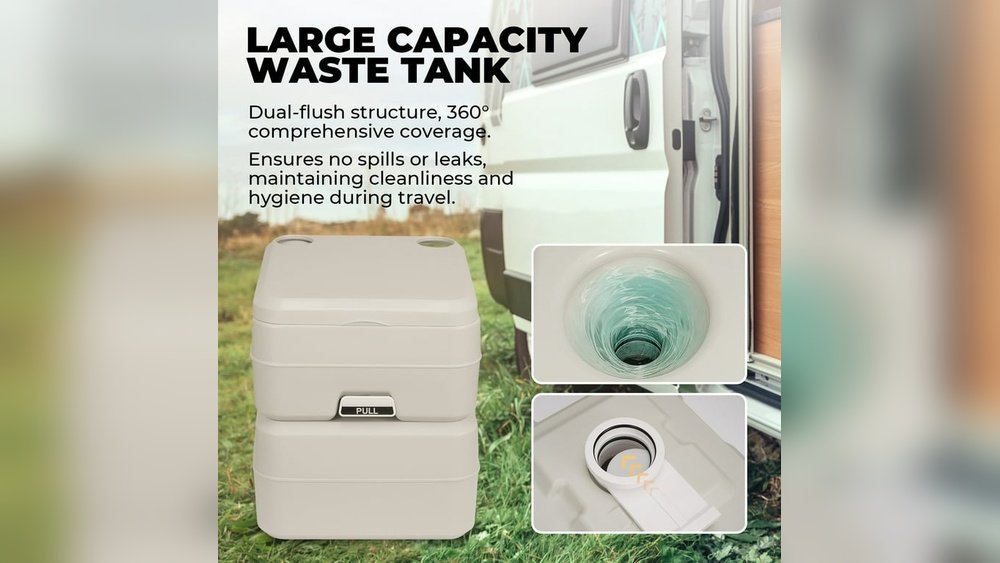
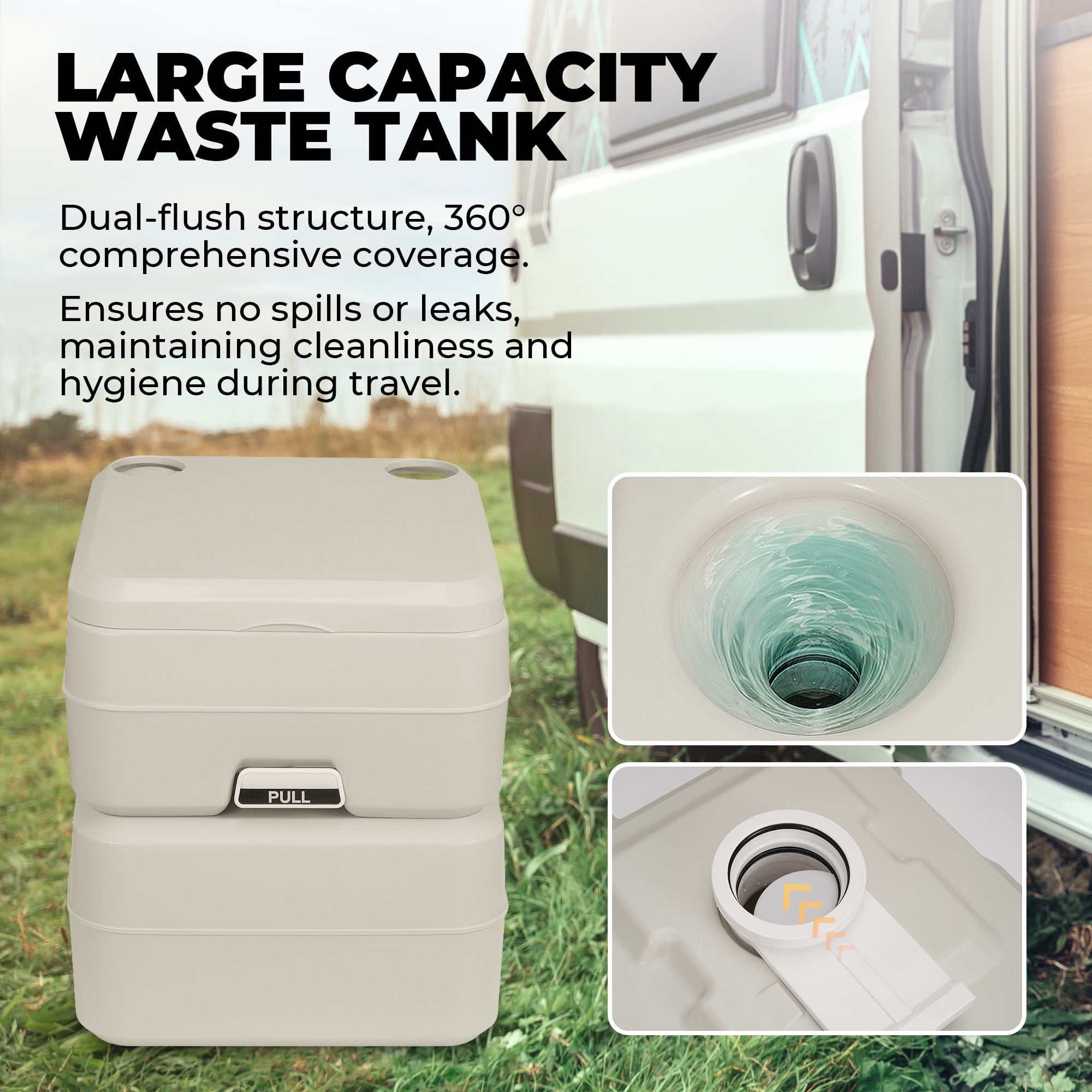
A camping toilet tank holds waste until you can empty it safely. If you don’t maintain it, you can face:
- Unpleasant odors inside your tent or RV
- Clogged pipes or valves
- Leaks or spills during transport
- Bacteria build-up that can be harmful
A well-cared-for tank keeps your camping area clean and your trip enjoyable. It also makes emptying and cleaning much easier.
Types Of Camping Toilet Tanks
Different toilets need different care. Here are the most common types:
| Toilet Type | Main Features | Maintenance Needs |
|---|---|---|
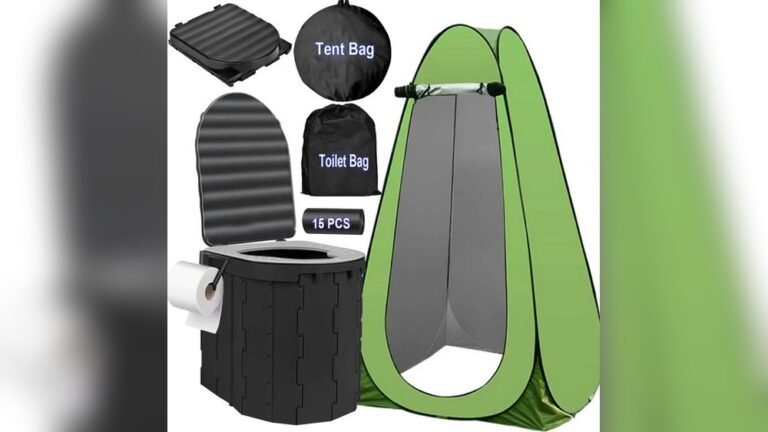
| Portable Toilet | Small, separate tank, easy to move | Frequent emptying, basic cleaning |
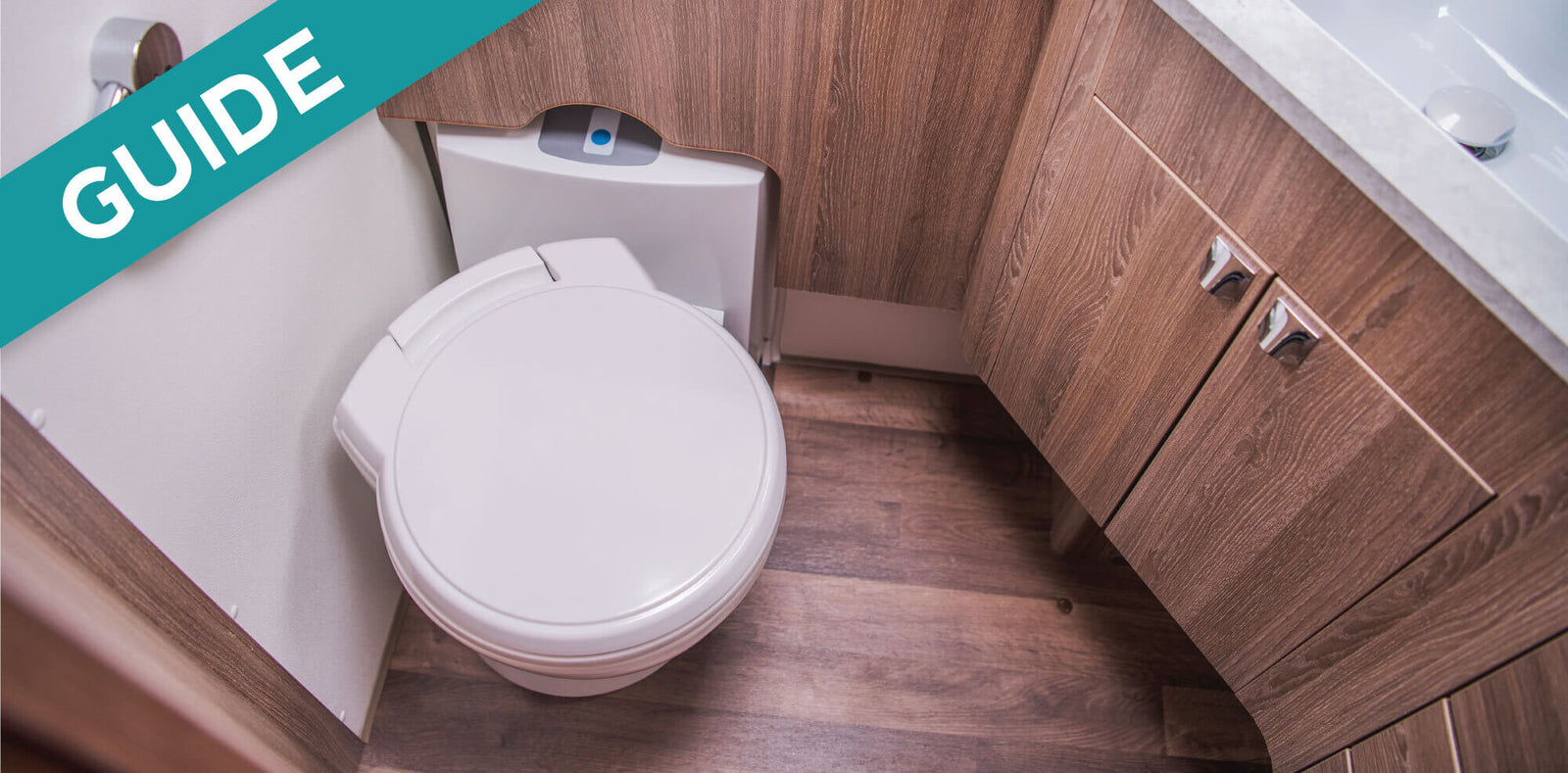
| Cassette Toilet | Built into camper, removable tank | Regular emptying, use of chemicals |
| RV Toilet | Fixed tank, larger capacity | Routine flushing, chemical use, deep cleaning |
Knowing your toilet type helps you choose the right products and steps.
Credit: uniquecampingmarine.com
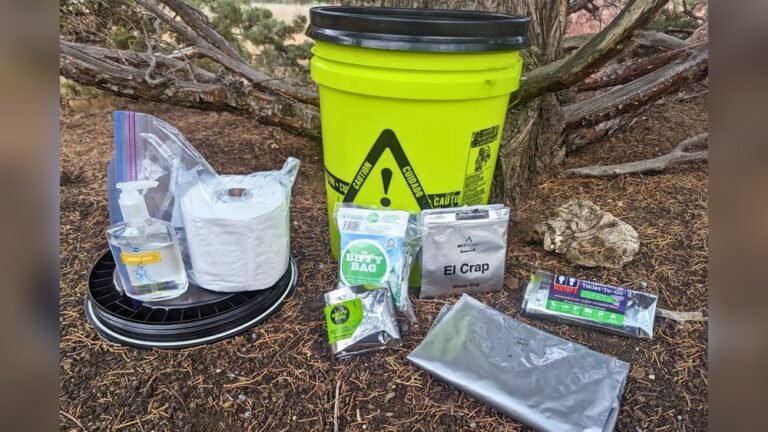
What You Need For Maintenance
Before you start, gather a few supplies:
- Disposable gloves (for hygiene)
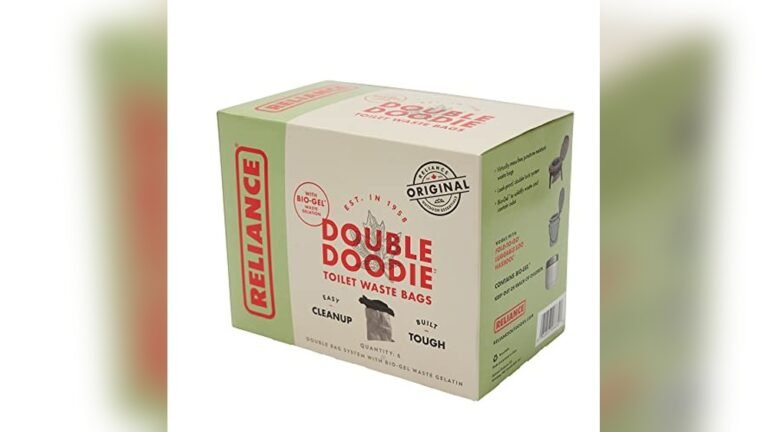
- RV/camping toilet chemicals (breaks down waste, controls odor)
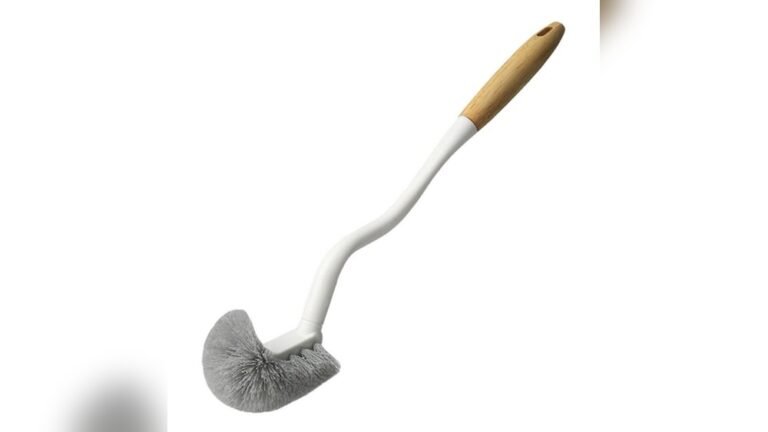
- Toilet brush (for scrubbing)
- Measuring cup (for chemicals)
- Dedicated cleaning cloths
- Fresh water
- Hose or spray bottle
- Septic-safe cleaner
- Tank deodorizer (optional)
Never use regular household cleaners with bleach or ammonia, as they can harm your tank and the environment.
Step-by-step: How To Maintain Your Camping Toilet Tank
Keeping your tank in top shape is easy if you follow these steps:
1. Empty The Tank Regularly
Don’t wait until the tank is full. Most tanks work best if emptied when about two-thirds full. This avoids overflows and makes cleaning easier. For a family of four, this might be every 1-2 days.
2. Use The Right Chemicals
Add camping toilet chemicals after every emptying. These break down waste and control odors. Most come as liquids, powders, or tabs. Follow the instructions for the right amount. Using too much can cause build-up; too little can make odors worse.
3. Rinse Thoroughly
After you empty the tank, rinse it with clean water. Fill it about one-third, shake gently (if portable), then empty again. Repeat until water runs clear. This step removes residue and keeps sensors working properly.
4. Scrub For Deep Cleaning
Every few uses, scrub the inside with a toilet brush and septic-safe cleaner. Focus on corners and seams where build-up hides. For stubborn stains, let cleaner sit for 10–15 minutes before scrubbing.
5. Check For Leaks And Damage
Inspect seals and valves each time you clean. Replace any cracked or worn parts right away. A leaking tank can ruin your trip and your gear.
6. Add Deodorizer (optional)
For extra odor control, use a tank deodorizer. These come in liquid, gel, or sachet form. They help keep your toilet smelling fresh, especially in hot weather.
7. Keep The Toilet Closed
Always close the toilet lid and waste valve when not in use. This keeps odors inside and prevents spills if the tank tips over.
How Often Should You Clean A Camping Toilet Tank?
Here’s a simple cleaning schedule for most campers:
| Activity | Recommended Frequency |
|---|---|
| Emptying Tank | Every 1-3 days (or when 2/3 full) |
| Rinsing with Water | Each time after emptying |
| Deep Cleaning | Once per week or after each trip |
| Checking for Leaks | Each cleaning |
For longer trips or large groups, you may need to clean more often.
Common Mistakes To Avoid
Even experienced campers sometimes make these errors:
- Using household bleach or strong cleaners. These can damage seals and harm the environment.
- Waiting too long to empty the tank. Overfilling can cause leaks or blockages.
- Forgetting to add chemicals after cleaning. Odor and waste breakdown will suffer.
- Not rinsing thoroughly. Leftover waste can dry and cause bad smells or sensor errors.
- Ignoring seals and valves. Small leaks can become big problems if not fixed early.
A smart tip: Always keep extra chemicals and gloves in your camping kit. Better safe than sorry.

Credit: www.ebay.com
How To Store A Camping Toilet Tank Between Trips
Good maintenance doesn’t end when your trip does. Storing the tank correctly prevents problems later.
- Clean and dry the tank completely. Moisture left inside can cause mold or smells.
- Leave the valve open. This lets air circulate and keeps seals from sticking.
- Store in a cool, dry place. Avoid direct sun or freezing temperatures.
- Lubricate seals with a little silicone spray to keep them flexible.
Many beginners skip drying the tank. Even a little water left inside can make it smell bad when you open it next time.
Eco-friendly Tips For Camping Toilet Tank Maintenance
Camping should respect nature. Here’s how to keep your tank clean and be kind to the environment:
- Use only RV-safe chemicals. Many are now biodegradable and septic-safe.
- Never dump waste in the wild. Always use approved dump stations or public toilets.
- Don’t flush wipes, paper towels, or feminine products. Use only RV-safe toilet paper.
- Rinse tanks with minimal water to save resources.
If you want to learn more about eco-friendly toilet chemicals, check out this guide from Camping World.
Comparison: Common Tank Cleaners
Choosing the right cleaner can make maintenance faster and easier. Here’s a quick comparison:
| Cleaner Type | Pros | Cons |
|---|---|---|
| Liquid Chemical | Easy to use, works fast | Can spill, may have strong smell |
| Powder/Tabs | No mess, long shelf life | Needs dissolving, can clump |
| Natural Enzyme | Eco-friendly, gentle on tanks | May work slower, higher cost |
For most campers, enzyme-based products offer a good balance of cleaning power and safety.
Advanced Tips For Trouble-free Tanks
Want your tank to last longer and work better? Try these often-overlooked ideas:
- Use a tank rinser wand for RVs. This tool sprays water directly inside, cleaning tough spots.
- Add a small amount of water before first use on each trip. This helps waste dissolve and prevents sticking.
- Keep a spray bottle with vinegar for quick odor control inside the toilet bowl.
- Label your chemicals. Mixing products can cause dangerous fumes.
- Flush with hot water (not boiling) once a season to remove build-up.
Many beginners forget to pre-fill the tank with water. Starting dry can cause clogs and bad smells.
Credit: www.ubuy.ec
Signs Your Camping Toilet Tank Needs Attention
Watch for these warning signs:
- Strong odors even after adding chemicals
- Slow draining or flushing problems
- Leaking at seams or valves
- Sensor lights not working (for RV tanks)
If you see these, clean the tank right away and check for damage.
Frequently Asked Questions
How Do I Get Rid Of Bad Smells In My Camping Toilet Tank?
Bad smells usually mean not enough chemicals, or you need a deeper clean. Empty the tank, rinse well, and add fresh chemicals. Use a deodorizer for extra odor control.
Can I Use Regular Toilet Paper In A Camping Toilet?
It’s best to use RV-safe toilet paper. Regular paper can clog the tank and make emptying harder. RV paper breaks down faster and is safer for your system.
How Do I Know When My Tank Is Full?
Many RV tanks have a sensor or gauge. For portable toilets, check visually or empty every 1-2 days. Never let the tank overflow—it can be messy and damage the toilet.
Are Camping Toilet Chemicals Safe For The Environment?
Many modern chemicals are biodegradable and safe for septic systems. Always read the label and choose eco-friendly options when possible.
What Should I Do If My Tank Leaks?
Stop using the tank, empty it, and clean thoroughly. Check seals and valves for cracks. Replace damaged parts before using again. Never ignore leaks, as they can get worse quickly.
A clean camping toilet tank means a fresher, more comfortable camping trip. With the right habits, products, and a few smart tips, you’ll avoid problems and enjoy every adventure—worry-free.