How to Shower While Camping: Easy DIY Tips
Figuring out how do you shower when camping isn't about finding the perfect gadget. It’s about matching your method to your environment and resources. Most campers overcomplicate this by buying heavy tanks or expensive heaters they rarely use effectively.
The right approach depends entirely on whether you’re car camping with a full hookup or backpacking through remote wilderness. As of 2026, lightweight solar options remain popular, but they fail miserably in cloudy weather. Understanding these variables prevents wasted effort and keeps your site clean.
Let’s break down the decision process so you can stay fresh without harming the ecosystem.
Pick Your Shower Method Based on Where You’re Sleeping
Your accommodation type dictates your hygiene strategy more than anything else. If you are at a developed campground with hookups, use the facility showers. They are efficient, private, and handle wastewater properly.
Don’t bring extra gear unless the facility is closed or unhygienic.
For dispersed camping or backpacking, weight and water access become critical constraints. A five-gallon solar bag adds nearly ten pounds when filled, which is unacceptable for multi-day hikes. In contrast, car campers can carry heavier pressurized systems like those from Sea to Summit or Camplux.
Consider these scenarios:
- Developed Campgrounds: Use on-site facilities. Bring flip-flops and a quick-dry towel.
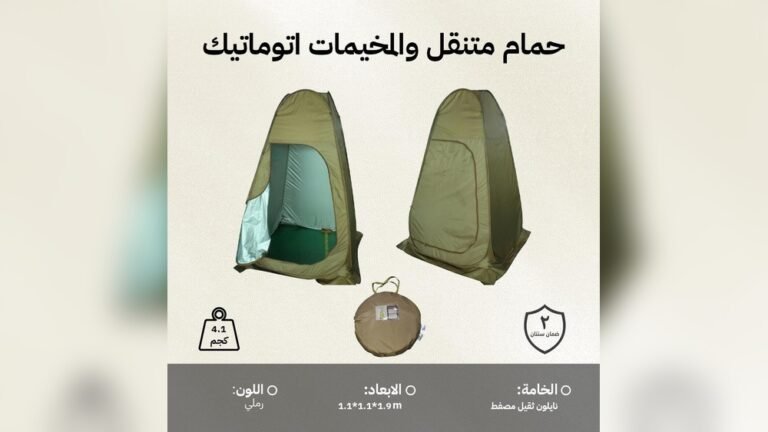
- Car Camping (Dispersed): Use a 5, 10 gallon solar bag or propane heater. Privacy tents help significantly here. Check reviews on portable privacy structures to ensure wind stability.
- Backpacking: Skip the shower. Use wet wipes, dry shampoo, and foot baths. Water carries too much weight.
If you’re staying in an RV, balance your fresh water tank capacity against usage. A standard shower uses 2.5 gallons per minute. Cutting that flow saves days of autonomy.
Always check your waste disposal rules before assuming greywater handling is simple.
The Non-Negotiable Rule for Backcountry Soap and Water
Never wash directly in lakes, streams, or rivers. Even biodegradable soap harms aquatic ecosystems if used within 200 feet of water sources. The U.S.
Forest Service emphasizes this distance to protect wildlife and downstream users.
Soap breaks down oils and bacteria, but it also disrupts pH levels and introduces phosphates. While "biodegradable" sounds safe, it means the chemicals will eventually decompose, not that they are harmless immediately. Fish gills clog easily with surfactants.
Follow this protocol instead:
- Carry water at least 200 feet away from any natural source.
- Use minimal soap, preferably unscented to avoid attracting bears.
- Scatter greywater widely over soil, not into a single puddle.
- Dig a small cathole if required by local regulations.
This method aligns with Leave No Trace principles. Ignoring it risks fines and ecological damage. If you’re unsure about local restrictions, consult official land management guidelines.
Many parks now ban all soap use in backcountry zones regardless of distance. Plan accordingly.
Step-by-Step: How to Build a Low-Impact Camp Rinse
Setting up an effective rinse station takes less than ten minutes once practiced. Start by selecting flat ground away from trails and sleeping areas. This prevents mud tracking into your tent and respects other campers’ privacy.
Fill your container with filtered water if sourcing from nature. Untreated water may contain Giardia or Cryptosporidium. While external contact poses low risk, accidental ingestion during rinsing is dangerous.
Use a pump filter like Sawyer or Platypus for safety.
Next, position your heating element. Solar bags need direct sunlight for two to four hours to reach comfortable temperatures. Propane units heat faster but require fuel management.
Test the temperature on your wrist before applying it to your body.
Apply soap sparingly to key areas: armpits, groin, and feet. These zones harbor the most odor-causing bacteria. Rinse thoroughly using a handheld sprayer or cup.
Avoid letting suds run downhill toward water sources. Dry off completely before dressing to prevent chafing and fungal growth. Change into clean clothes stored in a dry bag.
Why Sponge Baths Often Beat Full Showers in the Wild
Full showers consume excessive water and energy for marginal hygiene gains. A targeted sponge bath achieves 90% of the cleanliness benefit with 10% of the resource cost. This efficiency matters when every ounce counts.
Use antimicrobial wet wipes for face and underarms. They remove sweat salts and bacteria without rinsing. For hair, apply dry shampoo powder to absorb oil.
Massage it in, then brush out residue. This extends time between washes significantly.
Foot care is critical. Soak feet in a basin of cool water with epsom salt if available. This reduces swelling and eliminates athlete’s foot fungi.
Dry toes thoroughly afterward. Moisture trapped between toes causes painful maceration on long hikes.
Compare methods below:
| Method | Water Used | Time Required | Effectiveness | Best For |
|---|---|---|---|---|
| Solar Bag Shower | 2–5 Gallons | 30 mins + wait | High | Car Camping |
| Pressurized Sprayer | 1–2 Gallons | 15 mins | Medium-High | Base Camps |
| Sponge Bath | 0.5 Gallons | 10 mins | Medium | Backpacking |
| Wet Wipes Only | None | 5 mins | Low-Medium | Emergency/Short Trips |
Sponge baths preserve morale without draining supplies. Pair them with proper toiletry storage to keep items organized and accessible.
FAQ: Common Camping Hygiene Questions
Can I use regular shampoo while camping?
No. Regular shampoos contain sulfates and parabens that persist in soil and water. They harm beneficial microbes and aquatic life.
Always use phosphate-free, biodegradable formulas designed for outdoor use. Even then, apply them far from water sources.
How do I stay warm after showering outside?
Wind chill drops body temperature rapidly when skin is wet. Towel off vigorously immediately after rinsing. Put on dry layers quickly, focusing on insulating your core.
Avoid cotton, which retains moisture. Merino wool or synthetic fabrics wick sweat and retain heat even when damp.
Do I need a privacy tent for camping showers?
Not always, but it helps immensely. Natural barriers like dense trees work if terrain allows. However, wind can expose you unexpectedly.
A pop-up tent provides dignity and blocks drafts. Look for sturdy frames that withstand gusts, especially if you’re already managing chemical waste nearby.
What if there is no running water at my site?
Carry sufficient potable water in collapsible containers. Two liters per person suffices for a basic rinse. Filter natural sources only if necessary and permitted.
Never assume stream water is safe for consumption, though it may suffice for external washing if treated properly.