Where to Dump Portable Toilet Waste: Safe and Legal Options
If you own a portable toilet, you know how tricky waste disposal can be. Many people feel lost, worried about doing it wrong, or even embarrassed to ask for help. The rules aren’t always clear. Breaking them can lead to bad smells, fines, or even hurt the environment.
If you’re tired of searching, getting mixed advice, or just don’t want to make a mistake, this guide is for you.
Why Proper Portable Toilet Waste Disposal Matters
Getting rid of portable toilet waste isn’t just about avoiding bad smells. It’s about health, safety, and protecting nature. Dumping waste the wrong way can pollute water, spread disease, and lead to heavy fines. In the U.S., fines for illegal dumping can reach $10,000 or more. Handling waste the right way keeps your area clean, makes life easier for everyone, and shows respect for the law.
Understanding Portable Toilet Waste
Portable toilets collect two types of waste:
- Black water (waste with feces and urine)
- Gray water (wastewater from sinks or showers, usually not in basic portable toilets)
This guide focuses on black water. It contains harmful bacteria and chemicals, so treating it with care is important. Never dump this waste in regular trash, storm drains, or on the ground.
Credit: ezcleanup.com
Where To Dump Portable Toilet Waste: Main Options
Let’s look at the safest, most common places to dump portable toilet waste. Not all options are available everywhere, so always check local rules.
1. Rv Dump Stations
RV dump stations are designed for safe waste disposal. You’ll find them at:
- Campgrounds
- Highway rest stops
- Some gas stations
These stations have a special pipe for dumping waste. They are built to handle black water safely.
How to use:
- Park close to the dump port.
- Wear gloves.
- Attach your waste hose to the toilet tank and the dump port.
- Open the tank valve slowly.
- Rinse the tank and hose afterward.
Cost: Some are free, others charge $5–$20. Always ask before dumping.
Pro tip: Don’t block the line if others are waiting. Clean up spills right away.
2. Public Restroom Toilets
Some small portable toilet tanks can be emptied into public toilets (with permission). This is common for:
- Cassette toilets
- Small camping toilets
How to use:
- Carry the tank to a toilet.
- Pour waste slowly to avoid splashing.
- Flush right away.
- Use disinfectant for any spills.
Never dump chemicals that can damage plumbing. Only use this method if the rules allow.
3. Dedicated Sanitation Dump Points
Many parks, marinas, and national forest areas have dump points just for portable toilet waste. Look for signs with a dumping symbol or ask staff.
How to use:
- Follow posted instructions.
- Use the water hose to rinse.
These points are built for environmental safety. They may have limited hours or require a fee.
4. Septic Tank Systems (private Property)
If you’re on private land with a septic tank, you can sometimes dump portable toilet waste there, but:
- Only small amounts
- Only if the tank is in good condition
Never dump chemicals that can harm the bacteria in septic tanks. Check with the property owner before dumping.
5. Wastewater Treatment Facilities
Some wastewater plants accept small loads from the public. This is less common, but possible in some cities. Call ahead to ask about:
- Fees (often $10–$30)
- Hours of operation
- Acceptable waste types
You will usually need to drive to a special entrance and show ID.
6. Portable Toilet Service Companies
Some companies offer pick-up or drop-off service for portable toilet waste. This is best for big events or when you don’t have a place to dump.
- They use professional equipment.
- Prices depend on tank size and distance.
This option is easy, but costs more.
7. Home Toilet (with Caution)
For very small tanks (under 5 gallons), you can sometimes dump waste into your home toilet. Pour slowly and flush several times. This method:
- Should NOT be used for chemicals that harm septic or city systems
- Is not allowed in all areas
Check your local laws first.
Comparing Main Disposal Methods
Here’s a quick comparison to help you choose the best option:
| Method | Cost | Convenience | Legal Concerns |
|---|---|---|---|
| RV Dump Station | Low/Medium | High | Legal, safe |
| Public Toilet | Free | Medium | Check rules |
| Sanitation Dump Point | Low/Medium | Medium | Legal, safe |
| Septic Tank | Free | Low | Check with owner |
| Treatment Plant | Medium | Low | Legal, safe |
| Service Company | High | High | Legal, safe |
| Home Toilet | Free | High | Check rules |
Where Not To Dump Portable Toilet Waste
It’s important to know what to avoid. Never dump waste:
- In storm drains
- On the ground
- Into lakes, rivers, or oceans
- In regular trash bins
Doing this can spread disease, kill wildlife, and bring heavy fines. It may also lead to the closure of parks or campgrounds.
Insight: Many beginners think it’s okay to bury waste in the ground. This is illegal in most places and does not break down safely.
How To Find Dump Stations Near You
Finding a dump station is easier than many think. Try these methods:
- Use dump station locator apps (like “SaniDumps” or “RVDumpsites”).
- Ask campground staff or park rangers.
- Check highway rest stops—many list dump stations online.
- Look for signs with a dump symbol.
Real-world tip: Not all dump stations are open year-round. In cold areas, some close in winter.
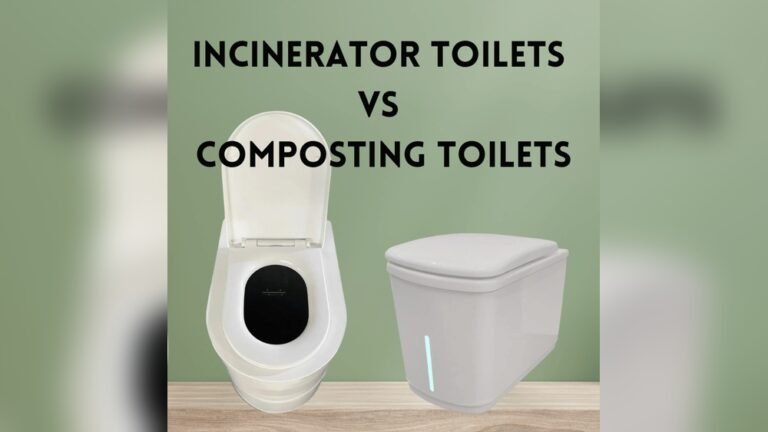
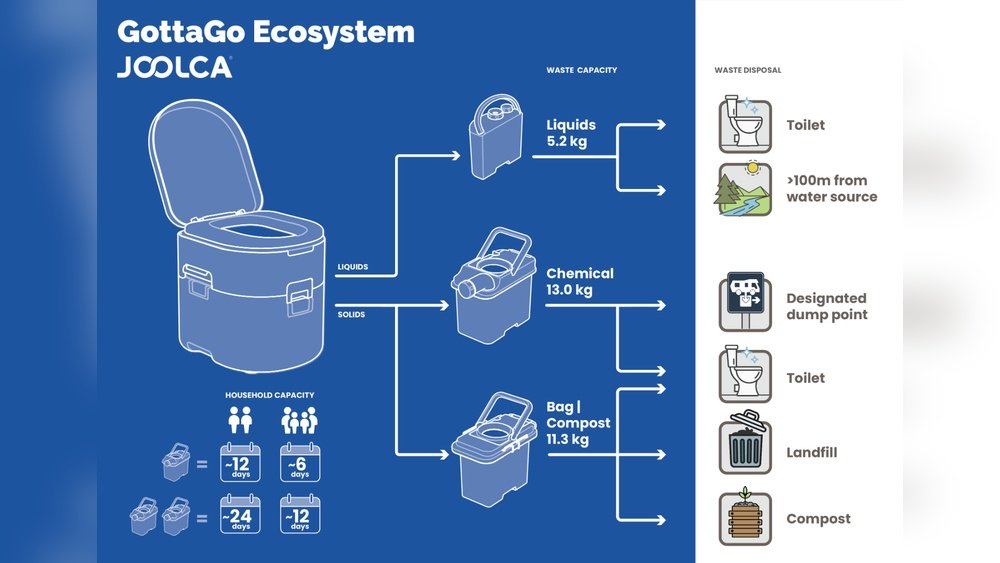
What About Composting Toilets?
Composting toilets work differently. They separate liquids and solids. The solids become compost after some time and special treatment.
- Compost can sometimes go in the trash (if dry and bagged)
- Liquids may go in a regular toilet
But, always check local rules before dumping compost or liquid waste. Some places ban any human waste in household trash.
Step-by-step: How To Dump Portable Toilet Waste Safely
Follow these steps for a clean, safe process:
- Wear gloves—waste can carry germs.
- Move the toilet or tank close to the dump point.
- Open the cap carefully—some tanks build up pressure.
- Pour waste slowly to avoid splashing.
- Rinse the tank with clean water if possible.
- Clean up spills right away with disinfectant.
- Wash your hands after finishing.
Extra insight: Many people forget to rinse the hose. Always rinse and store it in a sealed bag to avoid bad smells.
Portable Toilet Chemicals: What You Need To Know
Most portable toilets use special chemicals to control odor and break down waste. These chemicals can be:
- Formaldehyde-based (sometimes banned)
- Eco-friendly/biodegradable
Always use chemicals approved for your dump method. Some chemicals harm septic tanks or treatment plants. Read the label before dumping.
Legal And Environmental Rules
Every state, city, and campground can have different rules. Always:
- Read local signs or ask staff before dumping
- Keep receipts if you use a paid dump station (some parks check)
- Respect “pack it out” rules in wild places
Breaking rules can mean fines, losing your campsite, or being banned from parks.
Real-life Example: The Cost Of Dumping Wrong
In 2022, a group of campers dumped toilet waste near a river in Colorado. They were fined $5,000 and banned from the park for two years. Local fish died, and the cleanup took weeks.
This shows why proper disposal is not just polite—it’s necessary.
Portable Toilet Waste Disposal: Quick Reference Table
Here’s a handy summary for fast decision-making:
| Situation | Best Disposal Option | Notes |
|---|---|---|
| Camping at RV park | RV Dump Station | Ask staff for location |
| Boating at marina | Sanitation Dump Point | Look for posted hours |
| Hiking with small toilet | Public Toilet | Check for signs |
| Remote private land | Septic Tank (owner OK) | Use only safe chemicals |
| Large event/festival | Service Company | Book in advance |
| No other option | Treatment Plant | Call ahead |

Credit: blueboxhire.co.uk
Avoiding Common Mistakes
- Not checking local rules: Always ask before dumping.
- Using wrong chemicals: Some harm septic or sewer systems.
- Forgetting to rinse equipment: This leads to bad smells and germs.
- Dumping in the wrong place: Fines are expensive and harm nature.
- Ignoring spills: Clean up right away to avoid health risks.
Insight: Many new users don’t realize that some eco-friendly chemicals are not allowed in all dump stations. Always read instructions.
How Portable Toilet Waste Is Treated
After you dump waste at an approved site, it’s treated in large plants. These plants:
- Use bacteria to break down waste
- Remove solids and treat water
- Make sure the final water is safe to return to nature
You can learn more about wastewater treatment on the Wikipedia Sewage Treatment page.

Credit: www.johntalk.com
Frequently Asked Questions
What Is The Safest Place To Dump Portable Toilet Waste?
The safest place is an RV dump station or a dedicated sanitation dump point. These are built to handle waste without harming the environment.
Can I Dump Portable Toilet Waste In My Home Toilet?
You can, but only in small amounts and if local rules allow it. Avoid dumping chemicals that can hurt pipes or septic tanks.
What Happens If I Dump Waste In The Wrong Place?
Illegal dumping can cause pollution, spread disease, and lead to fines or bans from parks.
Do All Portable Toilets Use Chemicals?
Most do, but some use eco-friendly or composting systems. Always check which chemicals are safe for your disposal method.
How Do I Find A Dump Station When Traveling?
Use apps like “SaniDumps” or ask at campgrounds and rest stops. Look for signs with a dump symbol.
Taking time to dump portable toilet waste correctly keeps you, your family, and nature safe. It also helps keep campgrounds and parks open for everyone. With the right knowledge, disposal becomes simple and stress-free.