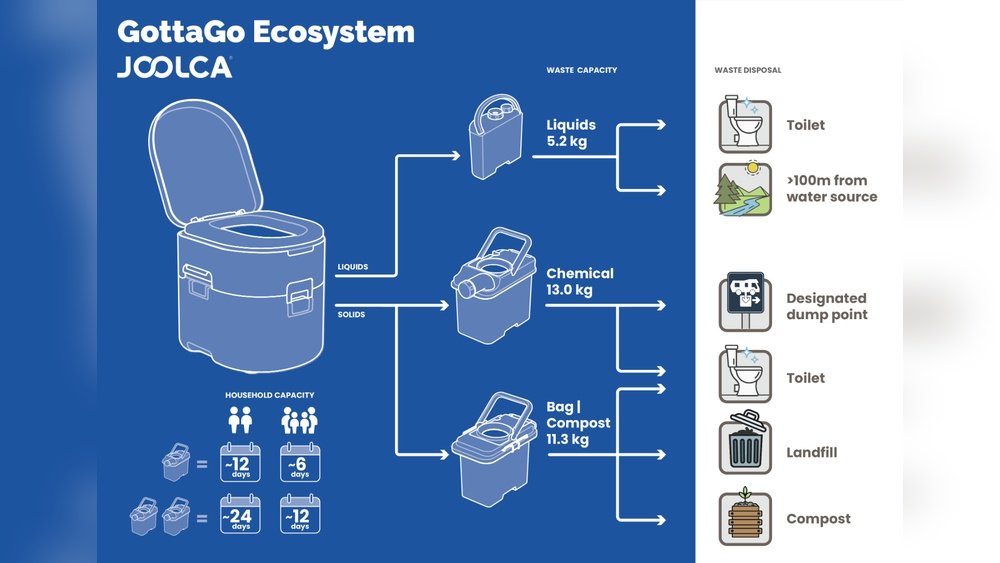
How to Dispose Portable Toilet Waste Safely and Responsibly
Many people love camping or traveling in RVs, but then comes the awkward moment: “Where and how do I empty my portable toilet?” The smell, the mess, and not knowing if you’re doing it legally—these worries can ruin a good trip. It’s easy to make mistakes and end up with a bigger problem, like a leaking tank or even a fine. If you’ve ever struggled with portable toilet waste, you’re not alone.
This guide will show you exactly how to dispose of portable toilet waste—safely, legally, and without stress.
Why Proper Disposal Matters
Handling portable toilet waste is not just about keeping things clean. It’s about health, the environment, and following the law.
- Disease risk: Human waste can carry harmful bacteria and viruses.
- Environmental harm: Dumping waste in the wrong place can pollute water and soil.
- Legal issues: Many places have strict rules. Breaking them can lead to fines.
According to the EPA, one person’s untreated waste can pollute up to 2,000 gallons of water. That’s why knowing the right way to dispose of it is important for everyone.
Types Of Portable Toilets
Before you start, it helps to know what type of portable toilet you have. Each kind has its own disposal method.
| Type | How It Works | Common Use |
|---|---|---|
| Cassette Toilet | Removable waste tank | RVs, campervans |
| Bucket Toilet | Bucket with liner or chemicals | Camping, emergencies |
| Composting Toilet | Turns waste into compost | Off-grid, eco-friendly |
| Flushable Portable Toilet | Small tank for waste and water | Boats, RVs, events |
Non-obvious insight: Some chemicals used in these toilets can harm septic systems. Always check if your toilet’s chemicals are septic-safe.
Where Can You Legally Dispose Of Portable Toilet Waste?
Never dump waste on the ground or in regular trash bins. Here are legal and safe places:
- RV Dump Stations: Found at campgrounds, rest stops, and some gas stations.
- Public Toilets: Some allow emptying small cassettes (ask first).
- Sewage Treatment Facilities: Some cities let you bring small amounts.
- Private Septic Systems: Only if the chemicals in your toilet are septic-safe.
Pro tip: Use the app “Sanidumps” to find dump stations near you.
| Disposal Site | Accepted Toilet Types | Fee/Access |
|---|---|---|
| RV Dump Station | Cassette, Flushable | Often free or small fee |
| Public Toilet | Small cassettes, buckets (with permission) | Usually free |
| Sewage Facility | All types (check local rules) | May require permit/fee |
Never use storm drains. These go straight to rivers or lakes, not treatment plants.
Step-by-step: How To Dispose Of Portable Toilet Waste
1. Gather Supplies
You will need:
- Protective gloves
- Disinfectant wipes or spray
- Waste chemicals (if your toilet uses them)
- Water (for rinsing)
- A hose (if available at dump station)
2. Choose The Right Location
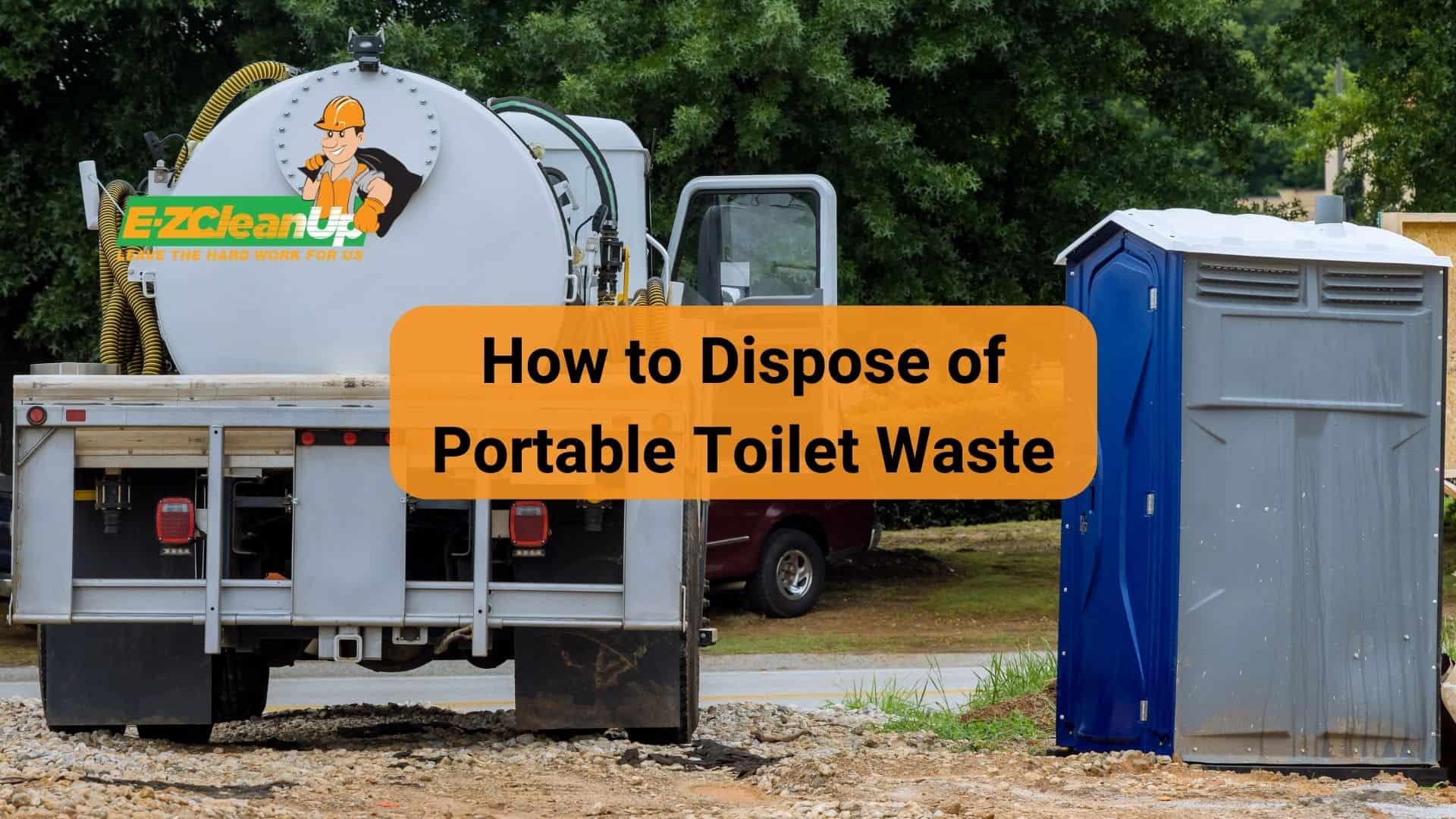
Go to an approved dump point. If you’re unsure, ask the campground manager or check local rules.
3. Put On Gloves
Portable toilet waste can contain germs. Always wear disposable or rubber gloves.
4. Remove The Waste Tank
For cassette or flushable toilets, unlock and slide out the waste tank. For bucket toilets, tie up the liner tightly.
5. Empty The Tank Slowly
Take the tank to the dump point. Open the spout or cap carefully. Pour the waste out slowly to avoid splashing. If using a liner, drop it into the special bin (never in regular trash unless allowed).
Beginner mistake: Pouring too fast causes splashing and bad smells. Go slow.
6. Rinse And Repeat
Use water to rinse the tank at least twice. Most dump stations have a water hose. Swirl the water and empty again.
7. Add Chemicals (if Needed)
If your toilet uses chemicals, add the right amount after cleaning. Follow the instructions on the bottle.
8. Disinfect And Store
Wipe the tank handles and seals with disinfectant. Store your toilet in a cool, dry place.
Credit: ezcleanup.com
Composting Toilets: Special Disposal Steps
Composting toilets work differently. They turn waste into compost over weeks or months.
- Solid waste: After composting, you can bury the finished compost in soil (if local rules allow) or use it on non-food plants.
- Liquid waste: Most systems have a separate tank. Empty this in a regular toilet or dump station.
Non-obvious insight: Fresh waste from compost toilets is not safe compost. Wait until it is fully broken down and dark brown.
Disposing Of Portable Toilet Waste In Different Situations
At A Campground
Most campgrounds have a dump station. Check signs for directions. Wait your turn and leave the area clean.
On The Road
If you’re traveling, plan ahead. Look for RV parks, truck stops, or city dump sites along your route.
At Home
If allowed, you can empty waste into your own toilet or septic system. Make sure chemicals are safe for home plumbing.
Tip: If you have a garden, only use finished compost from a composting toilet on flower beds—not vegetables.
Mistakes To Avoid
- Dumping waste in nature: It’s illegal and harmful.
- Using bleach or harsh chemicals: These can damage your toilet and the environment.
- Mixing trash with waste: Only human waste and toilet paper should go in.
- Waiting too long to empty: Full tanks can leak or break seals.
How To Reduce Odors And Mess
Odor is a common worry with portable toilets. Here’s how to manage it:
- Use the right amount of toilet chemicals.
- Empty the tank before it gets too full.
- Keep the toilet out of direct sun when not in use.
- Rinse well after emptying.
- Sprinkle baking soda in the tank for extra freshness.
Pro tip: Always keep a small kit with gloves, wipes, and deodorizer.
Environmental Impact Of Portable Toilet Waste
Improper disposal can harm animals, water, and people. One gram of human waste can contain millions of bacteria. When waste gets into rivers, it can cause algae blooms and fish die-offs.
Many dump stations now treat waste before releasing water. Choosing eco-friendly chemicals helps the process.
Comparing Portable Toilet Chemicals
Some chemicals break down waste and kill odors. Others are safe for the environment. Here’s a quick comparison.
| Chemical Type | Effectiveness | Septic Safe | Eco-Friendly |
|---|---|---|---|
| Formaldehyde | Very strong | No | No |
| Enzyme-based | Good | Yes | Yes |
| Bio-degradable | Good | Yes | Yes |
Formaldehyde is being banned in some places. Enzyme-based and biodegradable options are better for most users.

Credit: blueboxhire.co.uk
What To Do If You Can’t Find A Dump Station
- Wait until you reach the next town or campground with a facility.
- Ask a gas station or RV park if you can pay to use their dump.
- As a last resort, contact your local sewage treatment center.
Never dump in a storm drain or on the ground, even if you’re far from towns.
Tips For Clean And Easy Disposal
- Empty the tank regularly—don’t wait for it to fill up.
- Carry extra gloves and wipes.
- Rinse with warm water for better cleaning.
- Keep a small bottle of hand sanitizer in your kit.
- Track when you last emptied the tank.
Experience-based tip: If you travel often, keep a list or map of dump stations you’ve used. This saves time and stress.
Local Laws And Regulations
Rules can change from state to state or country to country. Some places are very strict. Always check the rules before you travel.
For more details, you can read the guidelines on the EPA’s official septic system page.
Frequently Asked Questions
Is It Ever Okay To Dump Portable Toilet Waste In The Woods?
No, it is never safe or legal. Waste can harm plants, water, and wildlife. Always use a proper dump point.
Can I Empty My Portable Toilet Into My Home Toilet?
Yes, if your toilet chemicals are safe for home plumbing and your city allows it. Pour slowly and flush as you go.
What If My Portable Toilet Smells Bad, Even After Cleaning?
Check if you are using enough chemicals. Rinse thoroughly after emptying. Try a deodorizer made for portable toilets.
How Often Should I Empty My Portable Toilet?
It depends on the size and number of users. Most people empty every 2–3 days on trips, or when the tank is half full.
Can I Use Household Cleaners In My Portable Toilet?
Avoid strong cleaners like bleach. They can damage seals and harm the environment. Use products made for portable toilets.
No more confusion or stress—now you know how to handle portable toilet waste with confidence. Safe disposal keeps you, your family, and the outdoors clean and healthy. Traveling or camping should be fun, not a hassle!
Credit: www.barnesseptic.com