How to Choose Camping Toilet Tent: Top Tips for Outdoor Comfort
How To Choose Camping Toilet Tent
Camping is fun, but having a private place for bathroom needs can make it much better. A camping toilet tent gives you privacy and comfort outdoors. But with so many options, how do you pick the right one? This guide will help you choose the best camping toilet tent for your next adventure.
Why A Camping Toilet Tent Matters
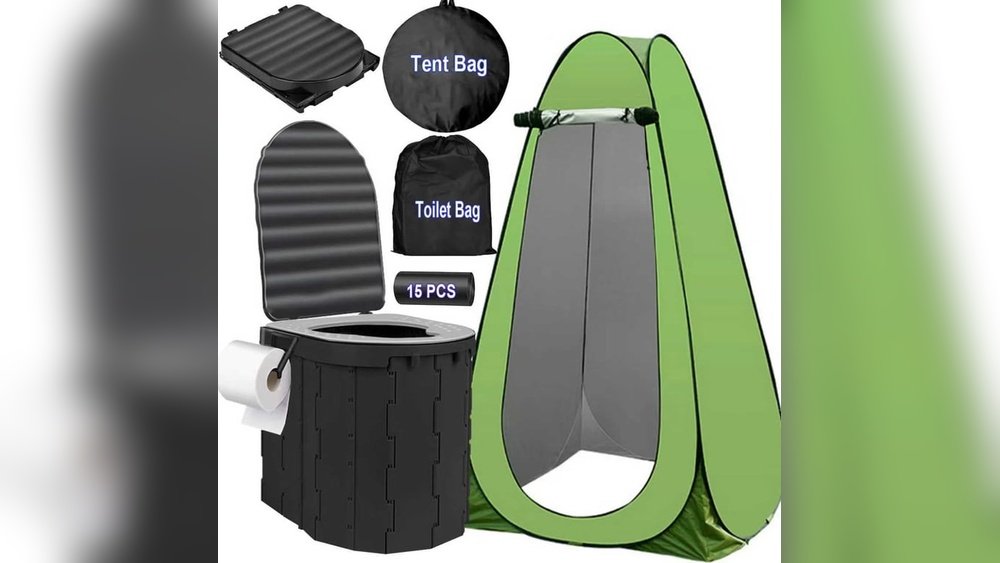
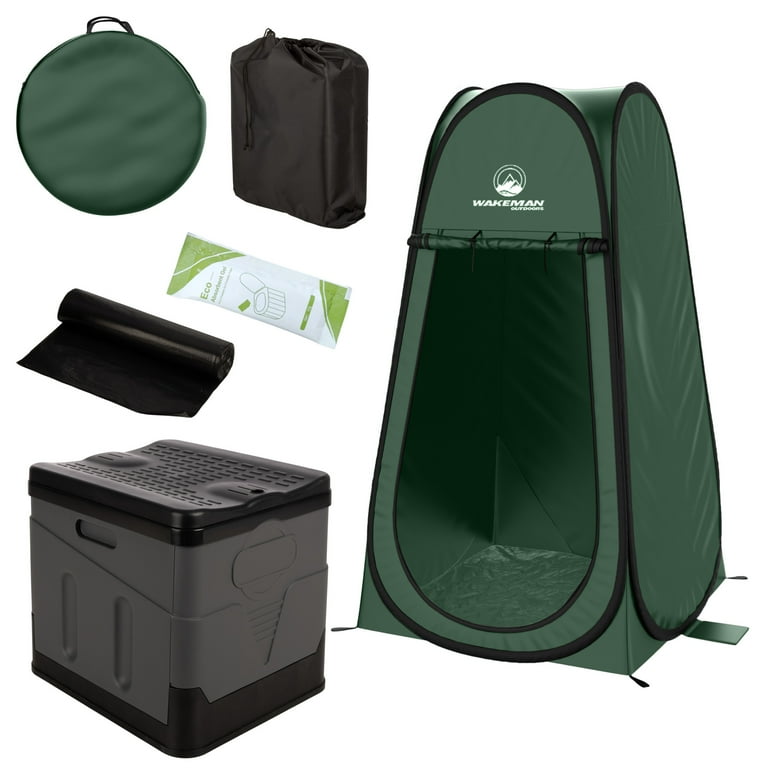
When camping, you often do not have access to bathrooms. A toilet tent solves this problem. It gives you a private space to use a portable toilet, change clothes, or even take a shower. This can make your trip cleaner, safer, and more comfortable—especially for families, women, or anyone who wants privacy.
A good toilet tent also keeps you safe from bugs, wind, and rain. It can even help you follow the rules for Leave No Trace, which means not leaving waste in nature.
Key Features To Look For
Choosing a camping toilet tent is about more than just size. Here are the most important things to check before buying:
1. Size And Space
Think about how much room you need. Will only one person use it at a time? Do you want extra space for changing clothes or showering? Most tents are about 3 to 4 feet wide and deep, and 6 to 7 feet tall.
If you are tall, check the tent height. Some models are better for taller people.
| Model | Base Size (ft) | Height (ft) |
|---|---|---|
| Basic Pop-Up Tent | 3 x 3 | 6.2 |
| Family Size Tent | 4 x 4 | 7 |
| Compact Tent | 2.5 x 2.5 | 6 |
2. Portability
You do not want to carry a heavy tent on your trip. Weight and how small it packs down matter a lot. Look for tents that are under 8 pounds and fold into a small bag.
Some tents pop up in seconds. Others need poles and more setup time. If you move camp often, a pop-up is easier.
3. Privacy
Privacy is the main reason to buy a toilet tent. The material should not be see-through, even in the sun. Darker fabrics and double layers offer better privacy.
Check for good zippers and flaps to close the door fully. Some tents also have windows with covers for airflow without losing privacy.
4. Weather Resistance
A good tent protects against wind and rain. Look for these features:
- Waterproof fabric (at least 1500 mm rating)
- Sealed seams
- Strong frame or poles
- Stakes and guy lines to anchor the tent
If you camp in windy or rainy places, these are must-haves.
5. Ventilation
You want air to flow but not bugs to get in. Mesh windows or roof vents help. Some tents have extra flaps to cover vents during rain.
Poor airflow can make the tent hot or smelly. Look for at least one mesh window and a vent at the top.
6. Floor Design
Some toilet tents have a removable floor, some have no floor at all. Each has pros and cons:
- Removable floor: Keeps your feet clean and dry. Easy to clean.
- No floor: Good for using a toilet bucket or digging a hole, but less clean.
Choose what fits your toilet method and comfort.
7. Extra Features
Little things can make a big difference. Look for:
- Towel hooks or pockets
- A place to hang a light
- Toilet paper holder
- Storage for soap or sanitizer
- Easy-access door
Not all tents have these, but they add comfort.
Comparing Popular Toilet Tent Types
There are different styles of camping toilet tents. Here is a quick comparison:
| Type | Setup Time | Weight | Best For |
|---|---|---|---|
| Pop-Up | 30 sec | 4-6 lbs | Short trips, frequent moves |
| Traditional (Pole) | 5-10 min | 6-10 lbs | Long stays, rough weather |
| Hybrid | 2-3 min | 5-8 lbs | Balance of speed and strength |
Pop-up tents are fastest but can be less stable in strong wind. Pole tents take longer to set up but are usually stronger. Pick what matches your camping style.
Material Quality And Durability
The tent’s material affects both privacy and weather resistance. Most use polyester or nylon. Look for at least 190T (thread count) for strength.
Check the waterproof coating. A hydrostatic head (HH) rating of 1500 mm or more is good. Cheaper tents may leak in heavy rain.
Zippers should be rust-resistant and easy to use. Double-stitched seams last longer.

Credit: www.amazon.com
Ease Of Setup
Setting up your toilet tent should be quick and simple. Pop-up tents are easiest—just open the bag and let it spring into shape. Pole tents need more time but are sturdy.
If you camp alone, test setting up the tent at home first. Some large tents can be hard to manage solo.
Pack Size And Storage
Think about how much space you have in your car or backpack. Most toilet tents pack into a bag 2 to 3 feet long and a few inches thick.
Some models are very compact—great for hiking or backpacking. Others are bulkier but more comfortable.
Price Vs. Value
Camping toilet tents range from $30 to $150. Price depends on size, features, and quality. Here is what you usually get:
- $30–$50: Basic, small, pop-up models. May not last long.
- $50–$100: Mid-range, better materials, more features.
- $100+: Large, strong, with extras like separate shower space.
Do not just buy the cheapest. A poor tent can break, leak, or offer little privacy.
Safety And Stability
A toilet tent should not blow away or fall over. Look for these:
- Strong stakes (metal, not plastic)
- Guy lines for extra anchoring
- Weighted corners or sandbags for windy beaches
If you camp in rocky or sandy places, check if the tent can be anchored well.

Credit: www.amazon.com
Mistakes To Avoid
Many beginners make the same mistakes when buying a toilet tent. Avoid these:
- Choosing the wrong size: Too small is uncomfortable. Too big can be hard to set up.
- Ignoring privacy: Thin or light fabric may show shadows.
- Overlooking setup time: Complicated tents are a hassle.
- Forgetting about ventilation: Bad airflow makes the tent hot and smelly.
- Ignoring weight: Heavy tents are hard to carry.
- Not checking waterproofing: Cheap tents can leak badly.
Check reviews and try the tent at home before your trip.
Real-world Example
Anna and her family love camping by the lake. Their first trip, they bought a cheap toilet tent. It was light and easy to set up, but the fabric was thin. At night, the tent showed clear shadows when someone was inside.
Anna’s kids felt embarrassed.
Next time, Anna picked a tent with thicker fabric, a window cover, and a removable floor. It took a bit longer to set up and was heavier, but her family was much happier. They had privacy and felt safe, even during a rainstorm.
Practical Tips For Camping Toilet Tent Use
- Always set up your tent on flat ground.
- Use all stakes and guy lines, even in light wind.
- Leave the door open for a few minutes after use to air out.
- Bring wipes and sanitizer in the tent.
- Clean the tent after your trip—especially the floor.
A good camping toilet tent can last for years with care.
Comparing Top Features
Here is a quick look at key features you might want:
| Feature | Why It Matters | Nice to Have? |
|---|---|---|
| Removable Floor | Easy to clean, keeps feet dry | Yes |
| Mesh Windows | Ventilation, reduces smell | Yes |
| Pockets/Hooks | Storage for soap, paper | Nice but not essential |
| Carrying Bag | Easy to pack and move | Must-have |
| Privacy Covers | Stops people seeing inside | Must-have |
Two Insights Most Beginners Miss
- Sunlight and Shadows: Even dark tents can show shadows if the sun is behind you. Place your tent with the door away from the sun for better privacy.
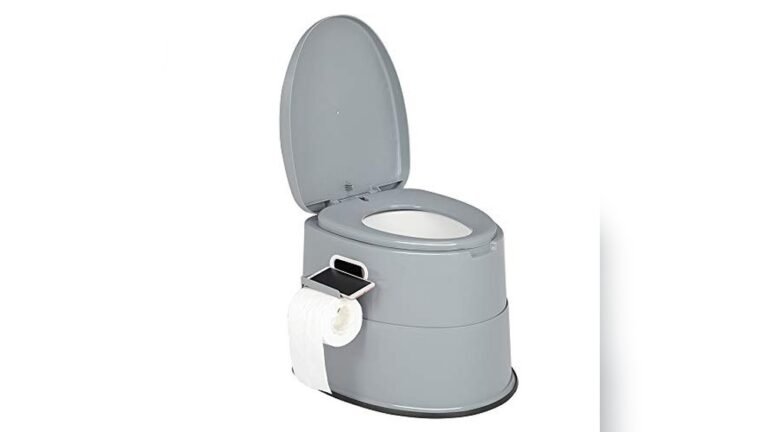
- Toilet Compatibility: Not all toilet tents fit every portable toilet. Before buying, check the size of your toilet and the tent base. A small tent may not fit a larger seat or bucket.
Where To Buy And What To Read
You can find toilet tents at outdoor stores or online. Always read user reviews and look for real-world photos. Trusted brands usually have better warranty and customer support.
For more camping tips and Leave No Trace rules, visit the National Park Service.
Credit: www.walmart.com
Frequently Asked Questions
How Do I Clean My Camping Toilet Tent?
Use mild soap and water to wash the fabric. Let it dry fully before packing. Remove and rinse the floor if possible.
Can I Use A Camping Toilet Tent As A Shower Tent?
Yes, many models work for both. Check for a roof vent and strong frame to hang a shower bag.
Are Toilet Tents Safe In Strong Winds?
If anchored well with stakes and guy lines, most are safe. Pop-up tents can be less stable in storms.
Do I Need A Floor In My Toilet Tent?
A floor keeps your feet clean and dry. But for digging a hole, a tent without a floor is easier.
How Much Should I Spend On A Camping Toilet Tent?
Most people are happy with tents in the $50–$100 range. Cheaper tents may not last or offer enough privacy.
A camping toilet tent is a simple way to add comfort and privacy to your outdoor trips. Choose wisely, care for your tent, and you will enjoy your adventure even more. Happy camping!