Camping Toilet Ideas: Smart Solutions for a Clean Campsite
Camping is a wonderful way to escape the busy city and enjoy nature. But there’s one topic that makes many campers nervous: toilets. Nature doesn’t always provide what you need. If you are new to camping or want a better solution, this guide will help you understand camping toilet ideas. You’ll learn about different types, how to use them, and important tips for comfort and hygiene.
Why You Need A Camping Toilet
Many campsites don’t have restrooms. Even if they do, those facilities can be dirty or far away. Having your own camping toilet gives you privacy, comfort, and peace of mind. It also helps keep the environment clean—no one wants to find waste near the trail or river.
Main Types Of Camping Toilets
Let’s look at the most popular options. Each one has pros and cons. The right choice depends on where you camp, your group size, and your budget.
| Toilet Type | Best For | Pros | Cons |
|---|---|---|---|
| Portable Flush Toilet | Family camping, long trips | Feels like home, easy to use | Heavy, needs cleaning |
| Bucket Toilet | Short trips, budget camping | Cheap, simple, portable | Basic, less comfort |
| Composting Toilet | Eco-camping, off-grid | Low smell, eco-friendly | Expensive, bigger size |
| Bag Toilet | Hiking, emergency use | Ultra-light, disposable | Single-use, less privacy |
| Cat Hole | Backcountry, solo camping | No equipment, natural | Requires digging, not allowed everywhere |
Credit: www.outdoorlife.com
1. Portable Flush Toilets
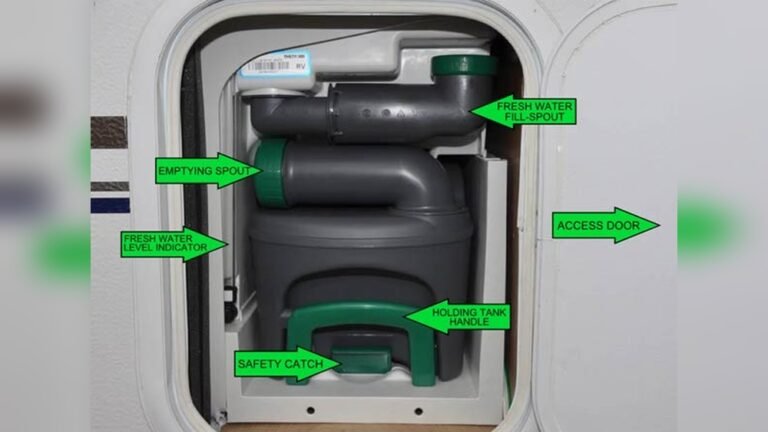
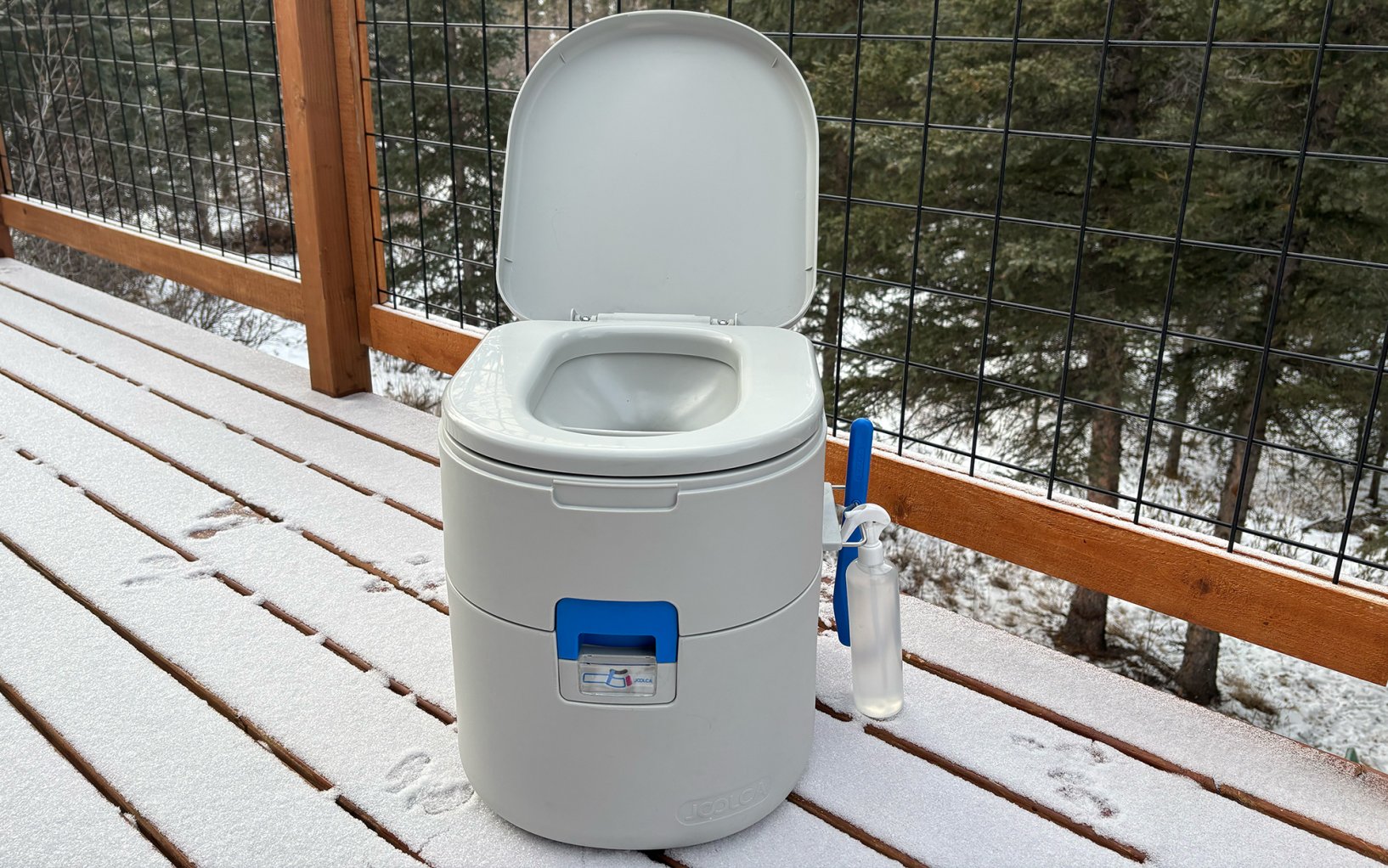
A portable flush toilet is the closest thing to a real home toilet. It has a seat, water tank, and a waste tank. You use water to flush waste into a sealed tank.
Why choose it?
- Great for family camping or groups.
- Keeps smells inside.
- Comfortable for children and older campers.
Things to know:
- Needs to be emptied at a dumping station.
- Can be heavy when full.
- Costs between $70 and $150.
Pro tip: Always bring extra chemicals for the tank. They control odors and help break down waste.
2. Bucket Toilets
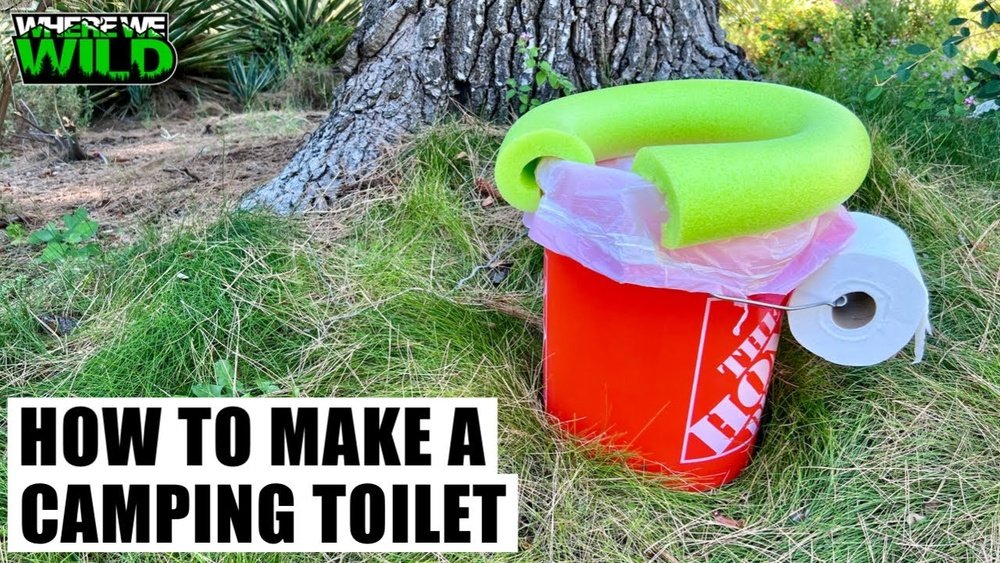
A bucket toilet is a simple 5-gallon bucket with a seat. You can line it with a plastic bag or use special waste bags.
Why choose it?
- Very affordable—usually under $40.
- Easy to set up and clean.
- Lightweight and good for car camping.
Things to know:
- Not as comfortable as flush toilets.
- You need to handle waste bags carefully.
Pro tip: Add a little kitty litter or sawdust to the bag. This reduces smell and absorbs liquid.
3. Composting Toilets
A composting toilet is eco-friendly. It separates liquid and solid waste. Solids go into a chamber and mix with peat moss or coconut coir. Over time, waste breaks down into compost.
Why choose it?
- Good for long-term camping or cabins.
- No need for water or chemicals.
- Little odor if used correctly.
Things to know:
- Prices start around $200.
- Larger and heavier than other types.
- Needs regular emptying of the liquids.
Pro tip: Use only biodegradable material for composting. Avoid chemical cleaners—they harm the compost process.
4. Bag Toilets
A bag toilet is a portable seat with a waste bag. Some have gel or powder that turns liquid into solid.
Why choose it?
- Super light—easy for hikers or emergencies.
- Quick to set up.
- Some parks require “pack out” bags for all waste.
Things to know:
- One bag per use.
- Not very private unless you have a privacy tent.
Pro tip: Always carry extra bags. It’s easy to run out, especially with a group.
Credit: www.boldcanyonoutdoors.com
5. Cat Holes
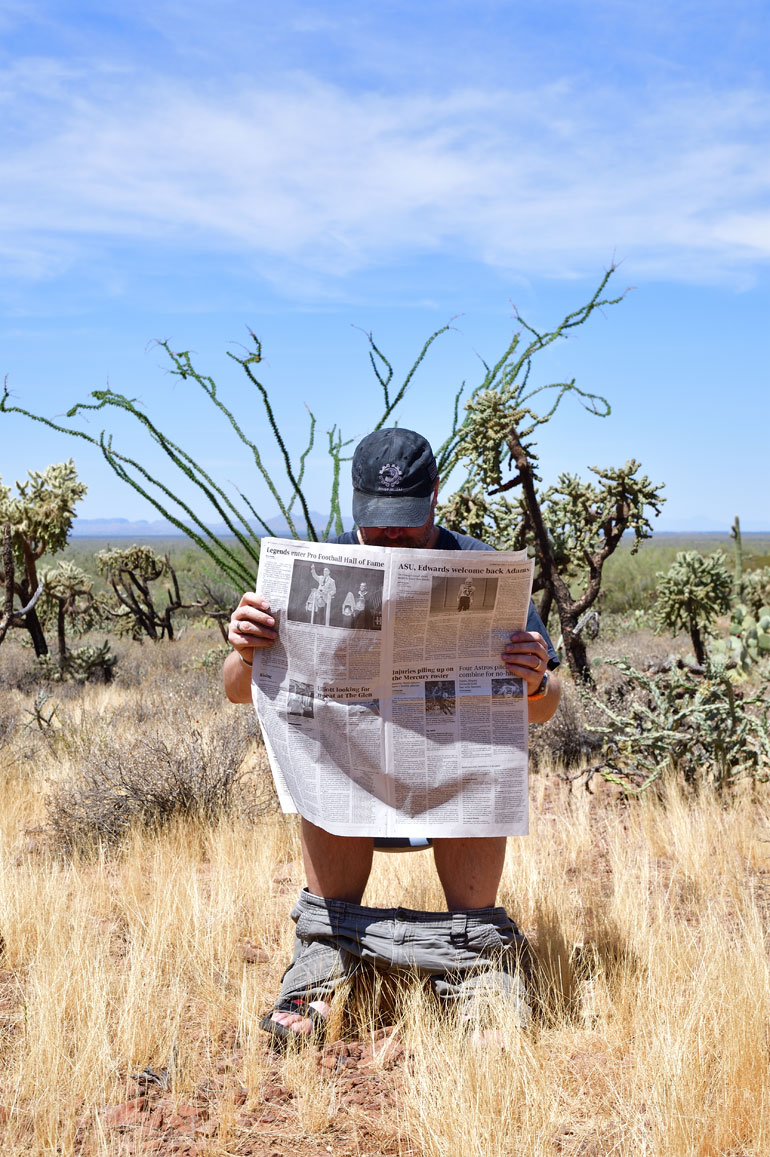
The cat hole is the classic outdoor toilet. You dig a small hole (6–8 inches deep) at least 200 feet from water. After use, cover waste with soil.
Why choose it?
- No equipment needed.
- Good for solo, lightweight trips.
Things to know:
- Some parks ban this method.
- Not easy in hard or rocky soil.
- You must pack out used toilet paper.
Pro tip: Carry a small, strong trowel. Cheap plastic shovels break easily.
6. Folding Camping Toilets
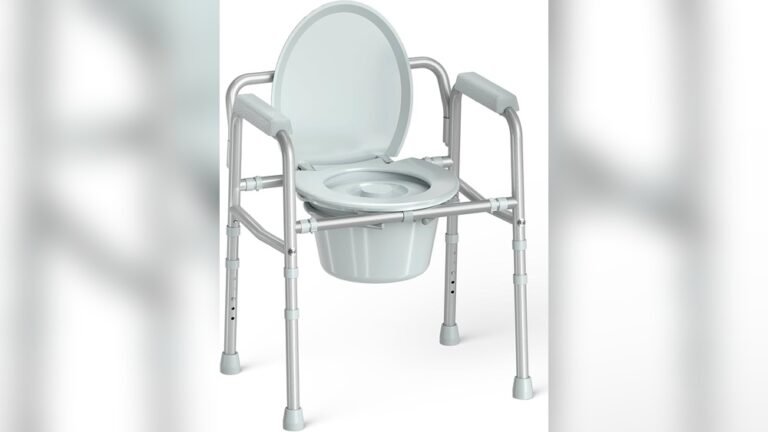
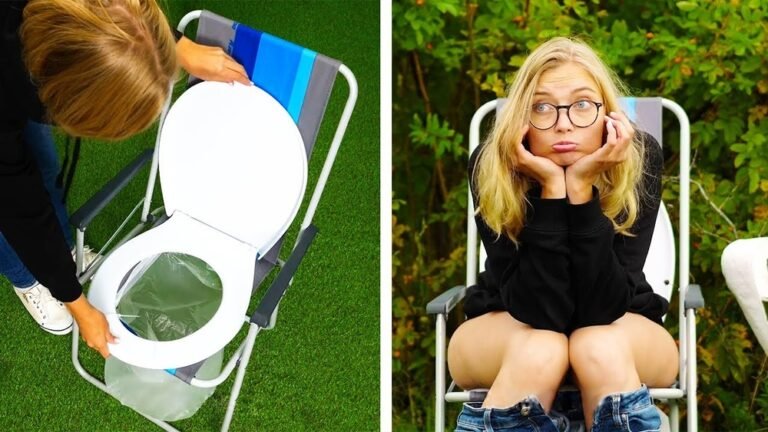
These toilets have a metal or plastic frame and a seat. You use a waste bag underneath. They fold flat for storage.
Why choose it?
- Lightweight and easy to carry.
- More comfortable than squatting.
Things to know:
- Needs waste bags.
- May tip on uneven ground.
Pro tip: Place on flat ground and use a privacy shelter for comfort.
7. Diy Toilets
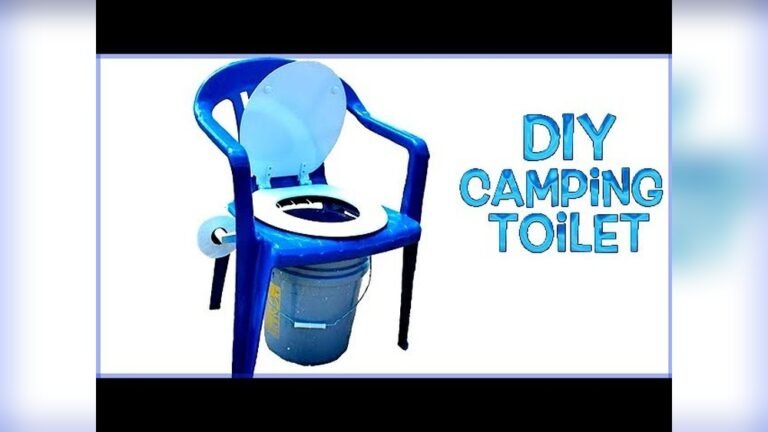
You can make your own camping toilet with simple items. For example, cut a hole in a sturdy chair or use a milk crate with a seat and bag.
Why choose it?
- Save money using what you have.
- Good for emergencies.
Things to know:
- Not as durable as store-bought models.
- May need repairs during a trip.
Pro tip: Test your DIY toilet at home before you camp.
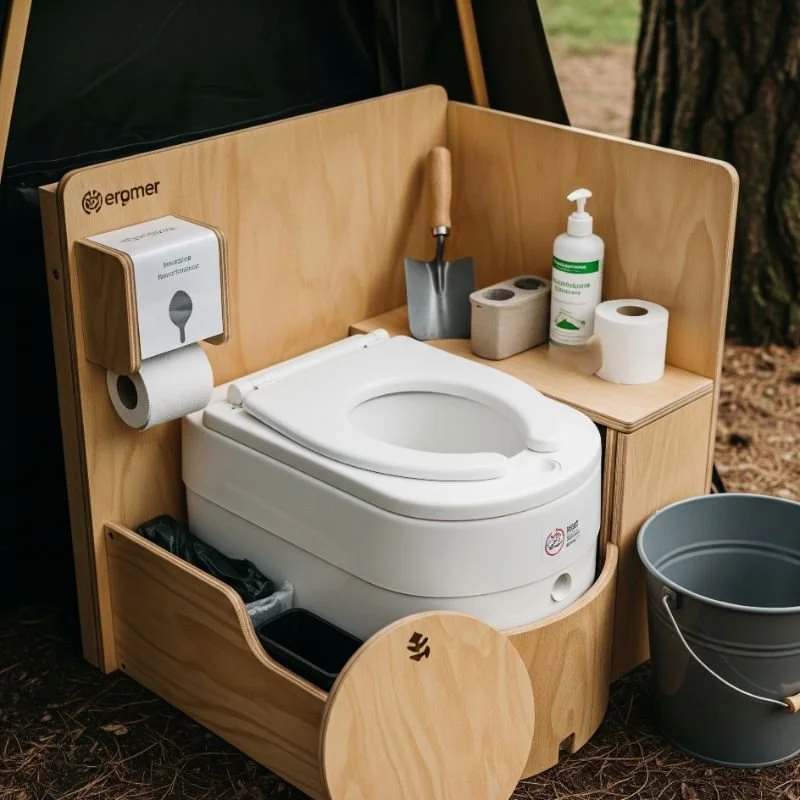
8. Privacy Tents
A privacy tent is not a toilet, but it makes any toilet setup better. It’s a small pop-up tent for using the toilet, changing clothes, or washing up.
Benefits:
- Gives privacy at busy campsites.
- Shields from wind and rain.
Things to know:
- Takes a few minutes to set up.
- Adds weight to your gear.
Pro tip: Choose a tall tent so you can stand inside.
Credit: www.trevelus.com
9. Chemical Toilets
A chemical toilet uses special liquids to break down waste and control odor. It can be similar to a portable flush toilet but smaller.
Why choose it?
- Good for car camping.
- Contains waste safely until you can dispose of it.
Things to know:
- Chemicals need refilling.
- Not eco-friendly if spilled.
Pro tip: Use green, biodegradable chemicals to reduce environmental impact.
10. Urine Diverting Toilets
These toilets separate urine from solid waste. Liquids go into one tank, solids into another.
Why choose it?
- Less smell.
- Waste is easier to manage.
Things to know:
- Not common in cheap models.
- Needs careful setup to avoid leaks.
Pro tip: Rinse the urine tank often to keep it fresh.
Packing And Cleaning Tips
Keeping your camping toilet clean is very important. Here’s how to do it right:
- Always pack extra waste bags and gloves.
- Bring hand sanitizer or soap and water.
- Clean the toilet after each trip.
- If using a flush or chemical toilet, empty the tank before it’s full.
- Never dump waste in rivers, lakes, or open ground.
Environmental Rules And Etiquette
Respect the outdoors. Many parks have rules about human waste. Some require you to pack out all waste, even toilet paper. Always check local rules before your trip.
- Stay at least 200 feet from water when using any toilet.
- Use only biodegradable toilet paper.
- Pack out all trash and wipes.
Table: Quick Comparison Of Camping Toilet Solutions
Here’s a fast way to see which toilet might fit your needs.
| Toilet Idea | Weight | Setup Time | Best For |
|---|---|---|---|
| Portable Flush Toilet | 12-15 lbs | 5 min | Families, car camping |
| Bucket Toilet | 3-5 lbs | 2 min | Budget campers |
| Composting Toilet | 20-35 lbs | 10 min | Off-grid, eco-camping |
| Bag Toilet | 1-2 lbs | 1 min | Hikers, emergencies |
| Cat Hole | 0 lbs | 5 min (dig) | Backcountry |
Real-world Examples
- Sarah’s Family Trip: Sarah uses a portable flush toilet for her family of four. She says it “makes camping feel more like home” and keeps the kids comfortable.
- Hiking Group: A group of friends on a multi-day hike carry bag toilets. They find them “lightweight and easy to use, especially when there are no toilets for miles.”
- Eco-camper: John camps off-grid for weeks. He uses a composting toilet and says, “It’s almost odorless if you add enough coir and empty the liquids.”
Common Mistakes To Avoid
Many campers forget some important steps when choosing a toilet:
- Not checking local rules about waste disposal.
- Forgetting extra bags or chemicals.
- Picking a toilet that’s too heavy to carry.
- Not setting up a privacy shelter at busy campsites.
What Beginners Often Miss
- Toilet paper rules: Many parks don’t allow you to bury toilet paper. You must pack it out in a sealed bag.
- Disposal locations: You can’t empty waste tanks just anywhere. Many areas have special dumping stations—plan ahead.
- Weather impact: In cold weather, water in flush toilets can freeze. In hot weather, odors get worse. Adjust your setup as needed.
Where To Learn More
If you want extra details or product reviews, check the Wikipedia page on portable toilets.
Frequently Asked Questions
What Is The Best Camping Toilet For Families?
A portable flush toilet is usually best for families. It’s comfortable, easy for kids to use, and contains smells well. Just make sure you can empty it at a proper station.
How Do You Dispose Of Waste Safely?
Always use official dumping stations or pack out waste in sealed bags. Never bury or dump human waste in water or near campsites. Check park rules before your trip.
Can I Make My Own Camping Toilet?
Yes, a DIY bucket toilet works for many campers. Add a seat and use strong bags. Test it at home so you know it’s sturdy and leak-proof.
What If There Are No Toilets At My Campsite?
You can dig a cat hole if rules allow. Otherwise, bring a bag toilet or bucket toilet. Always pack out used toilet paper.
Are Camping Toilets Allowed Everywhere?
Most portable toilets are allowed. But some parks ban cat holes and require all waste to be packed out. Read park rules before you go.
Choosing the right camping toilet can make your trip much more comfortable. With the right setup, you can enjoy nature and leave no trace. Plan ahead, follow the rules, and your camping experience will be clean and stress-free.