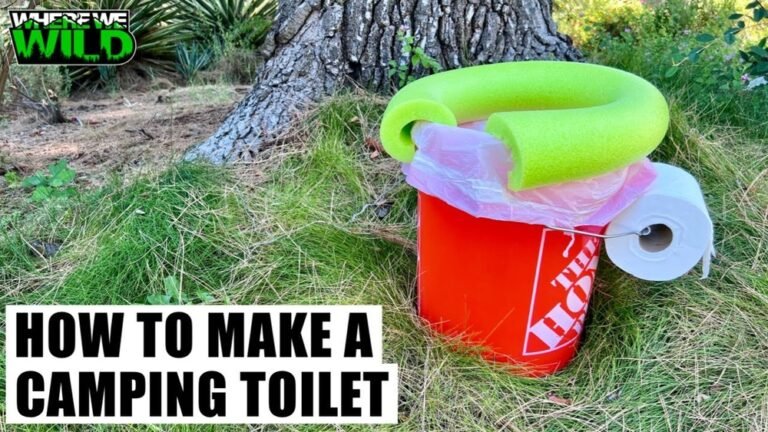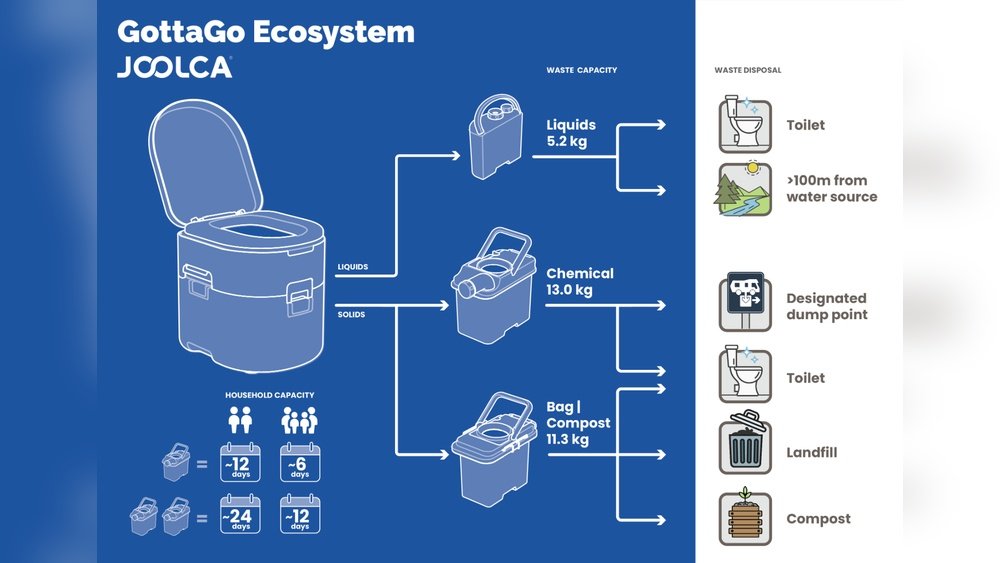
How to Dispose of Toilet Waste Bags Safely and Responsibly
If you have ever camped in the wild or used a portable toilet, you know the struggle: “What do I do with this toilet waste bag now?” It feels awkward. You want to be clean, safe, and kind to the environment. But the rules are confusing. Can you throw it in the trash? Is there a special way? Many people worry about the smell, germs, or breaking the law by mistake. If you have these questions, you are not alone. This guide will show you exactly how to dispose of toilet waste bags the right way—no mess, no stress.
Understanding Toilet Waste Bags
Before we talk about disposal, it helps to know what toilet waste bags are. These are special bags designed to hold human waste. They are often used in portable toilets, camping, boating, or during emergencies when you cannot use a regular toilet. Some bags are just plastic, but many include gel or powder that turns liquid waste into a solid. This makes carrying and disposing of them cleaner and safer.
There are three main types:
- Standard plastic waste bags (like heavy-duty trash bags)
- Compostable toilet waste bags
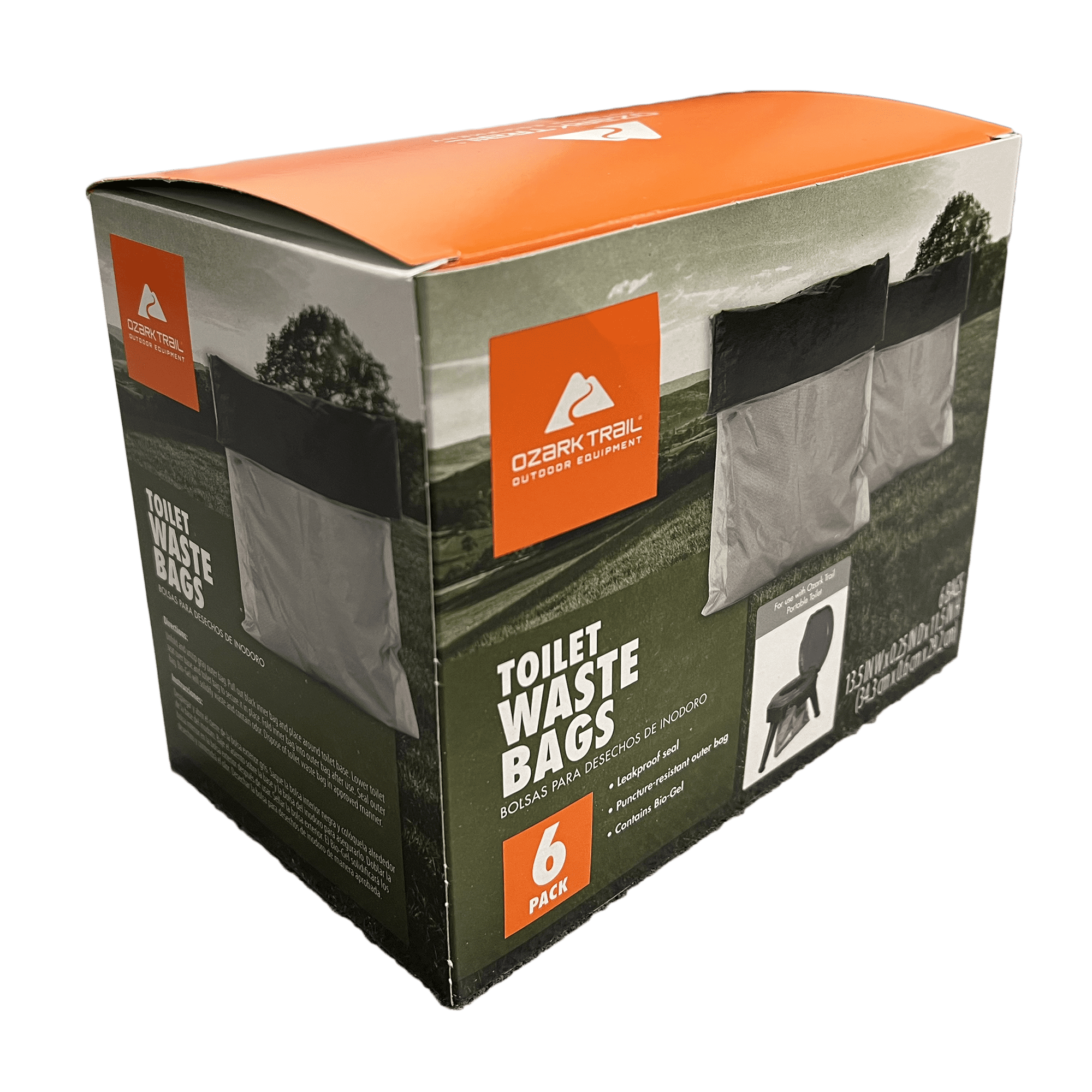
- Gel-based or powder-lined bags (sometimes called “wag bags” or “GO Anywhere Toilet Kits”)
Each type needs a different approach for disposal. Using the wrong method can harm the environment or even break local laws.
Why Proper Disposal Matters
Improper disposal of toilet waste bags is more than just unpleasant. It can:
- Spread harmful bacteria or disease
- Pollute water sources
- Attract animals or pests
- Lead to fines or penalties in parks and public places
For example, the US National Park Service reports that over 84 million people visit US parks each year, and waste left behind is a top complaint. Proper disposal keeps nature clean and protects everyone’s health.
Credit: www.walmart.com
General Rules For Disposing Of Toilet Waste Bags
The good news is that most places make it simple, but you need to know the basics:
- Never bury, burn, or throw bags in nature. This may seem easy, but plastic and chemicals do not break down quickly.
- Do not flush toilet waste bags down toilets. Even compostable bags can clog plumbing.
- Always follow local rules. Some areas have special bins or facilities.
Here are the main steps to follow:
- Seal the bag tightly. Most bags have double-zip locks or ties.
- Check the label. Is the bag approved for landfill disposal? Is it compostable?
- Place in the right trash bin. Usually, this is a regular landfill/trash bin—not recycling or compost.
How To Dispose Based On Bag Type
Let’s look at each type of toilet waste bag and the safest way to throw them away.
Standard Plastic Waste Bags
These are the most basic type. They are not biodegradable and must go into a landfill.
- Make sure the bag is completely sealed.
- Place it in a public trash can or your household garbage bin.
- If you have multiple bags, double-bag for extra security.
Pro tip: Avoid using thin grocery bags. Use bags at least 2 mil thick to prevent leaks.
Compostable Toilet Waste Bags
These bags look like plastic but break down over time. However, most cities do not allow human waste in yard waste or compost bins.
- Check if your local landfill accepts compostable bags with human waste.
- If not, throw them in the regular trash.
- Never put these bags in your garden compost pile.
Non-obvious insight: Compostable does not mean flushable or suitable for backyard composting. The breakdown process only works in special industrial sites.
Gel-based Or Powder-lined Bags
These are very popular for camping and hiking. The gel locks in liquid and smells.
- Seal the bag as soon as you finish.
- Place it in a trash bin (landfill only).
- Do not open or empty the contents.
Extra tip: The gel helps keep everything contained, but it is still not safe for recycling or compost.
Where To Dispose Of Toilet Waste Bags
Location matters. Here’s where you can and cannot throw these bags:
At Home
- Use your regular outdoor trash bin.
- Keep bags in a sealed container until trash day.
- If worried about smell, store bags in a bucket with a tight lid.
In Public Places
- Look for designated waste bins in parks, campgrounds, or rest stops.
- If none are available, pack out the bag until you find a suitable bin.
- Some parks have special “human waste” bins—use them if you see one.
On The Trail Or In Remote Areas
- Always pack the bag out. Do not hide it or leave it behind.
- Carry a sealable container or odor-proof bag for transport.
- Plan ahead: Know where the next trash bin will be.
Legal And Environmental Concerns
Some areas have strict laws about waste disposal. For example, in many US National Parks, leaving waste is a fineable offense. In some countries, improper disposal can lead to hefty fines or even criminal charges.
Environmental insight: Even compostable bags take months to years to break down in a landfill. Throwing bags in nature is never OK.
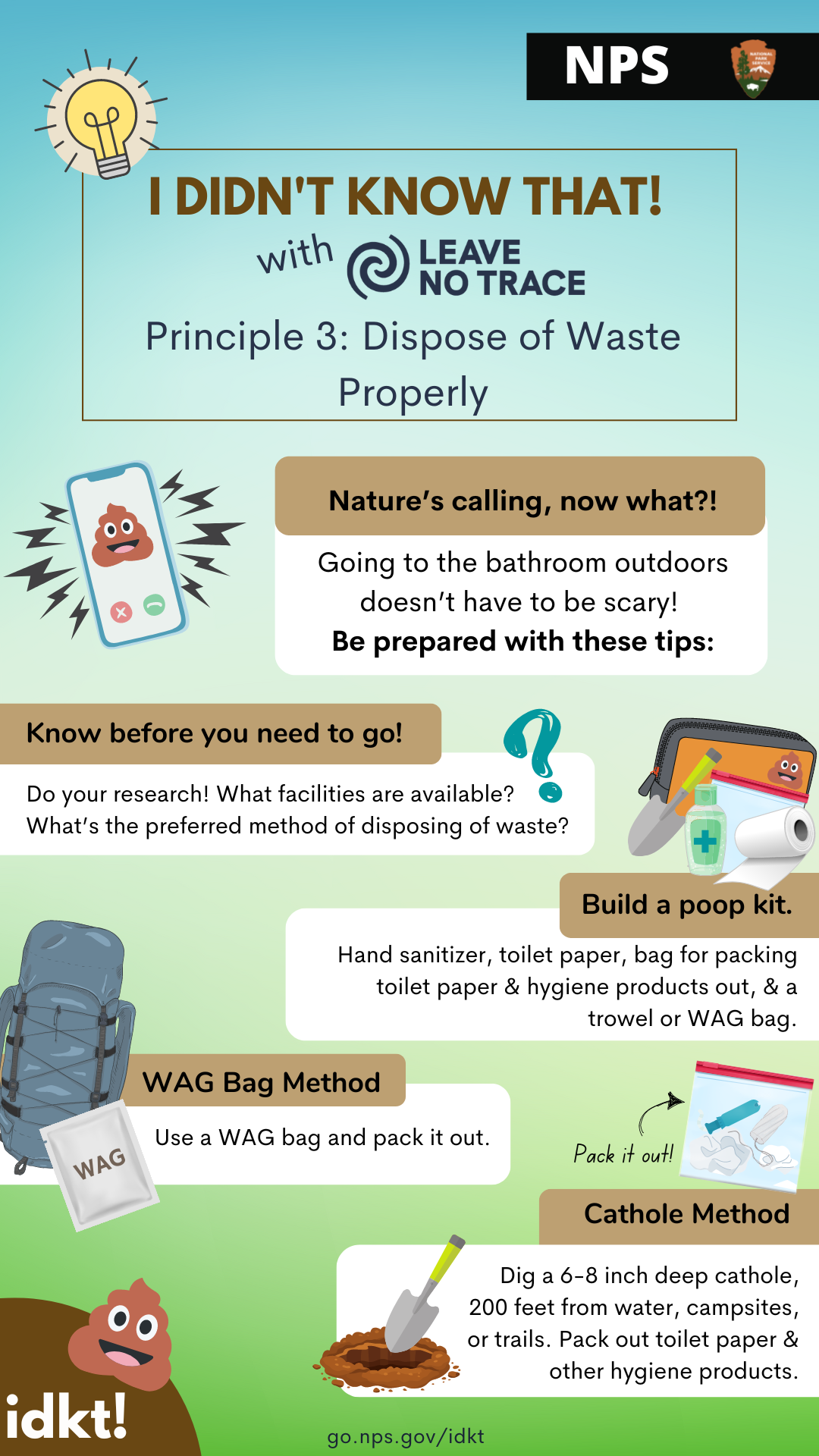
If you are unsure, check with the local park office or city waste department. You can also find up-to-date guidelines from the National Park Service.
Credit: www.nps.gov
Comparison Of Disposal Options
Here’s a quick look at different disposal options for toilet waste bags:
| Disposal Method | Allowed? | Safe for Environment? | Notes |
|---|---|---|---|
| Burying in soil | No | No | Slow breakdown, pollutes water |
| Burning | No | No | Releases toxins |
| Regular trash (landfill) | Yes | Moderate | Best option for most users |
| Compost bin | No | No | Not safe for human waste |
| Special human waste bin | Yes (where available) | High | Check local rules |
Reducing Smell And Mess
One big worry is the smell. Here’s how to keep things fresh:
- Use double-bagging for extra safety.
- Add a scoop of cat litter or deodorizing powder inside the bag.
- Keep waste bags in a sealed container until you can throw them out.
- Wash your hands after handling bags, or use sanitizer wipes.
Non-obvious tip: Carry a small spray bottle with vinegar or baking soda water. A quick spray on the bag’s outside can cut odors during transport.
Mistakes To Avoid
Many beginners make these errors:
- Using thin bags that tear or leak.
- Trying to flush the bag or contents—bad for plumbing!
- Leaving bags behind in nature, thinking animals will “take care of it.”
- Mixing with recycling—never do this.
- Putting in green waste or compost—not safe for human waste.
Safe Handling And Storage
It’s not just about where you throw the bag, but how you handle it on the way.
- Seal bags immediately after use.
- Store away from food and cooking gear.
- Keep out of reach of children and pets.
- Disinfect hands and surfaces after handling.
Here’s a quick comparison of safe storage options:
| Storage Option | Odor Control | Leak Protection | Notes |
|---|---|---|---|
| Plastic bucket with lid | Good | Excellent | Reusable, cheap |
| Odor-proof zip bag | Excellent | Good | Easy to pack |
| Loose in backpack | Poor | Poor | Not recommended |
What To Do If A Bag Leaks Or Breaks
Sometimes accidents happen. If a bag leaks:
- Wear gloves (if possible) before touching the mess.
- Use paper towels to soak up liquid.
- Place everything (used towels, gloves, broken bag) into a new, sturdy bag.
- Disinfect the area with bleach or sanitizer.
- Wash your hands thoroughly.
Pro insight: Keep an emergency clean-up kit with gloves, sanitizer, and extra bags when traveling.
Planning Ahead: How Many Bags Will You Need?
People often run out of bags too soon. Here’s how to plan:
- For camping, bring one bag per person per day, plus two extra.
- For family trips, pack a few extra bags for emergencies.
- Remember: Better to have extra than not enough.

Credit: www.nps.gov
Disposing Of Toilet Waste Bags In Different Environments
Urban Areas
- Disposal is easier—use city trash bins.
- Keep bags out of reach of animals until pickup day.
- If local rules differ, check with your waste department.
Rural Or Wilderness
- Trash bins may be far away. Plan to carry bags out.
- Store used bags in a strong container.
- Double-check park or forest rules before your trip.
Special Cases: Boating, Rvs, And Festivals
Toilet waste bags are common on boats, RVs, and at large outdoor festivals.
- Many marinas and RV parks have special waste bins.
- At festivals, organizers often provide clear disposal info—follow it.
- Never dump bags into water or down storm drains.
Practical Tips For Easy Disposal
- Always carry extra bags, gloves, and sanitizer.
- Use heavy-duty bags to prevent accidents.
- Label bags “human waste” if required by local laws.
- Stay updated: Some parks now offer free bag drop-off points.
Frequently Asked Questions
What Should I Do If There Are No Trash Bins Nearby?
Carry the sealed bag with you until you find a proper bin. Use odor-proof storage to make transport easier and more pleasant.
Are Compostable Toilet Waste Bags Safe For Backyard Compost?
No, compostable bags with human waste are not safe for home compost. They need high heat and special treatment at industrial facilities.
Can I Flush A Toilet Waste Bag Down A Public Toilet?
Never flush any toilet waste bag, even those marked as flushable. They can clog pipes and damage septic systems.
What If My Local Area Has No Clear Rules?
Contact your city’s waste management office or check with local parks. When in doubt, use a landfill trash bin.
Are There Products To Help Control Odor In Toilet Waste Bags?
Yes, you can use commercial deodorizer powders, baking soda, or cat litter inside the bag. Odor-proof outer bags also help during transport.
Dealing with toilet waste bags does not have to be stressful. With the right steps and a little planning, you will keep yourself, others, and the environment safe—every time.