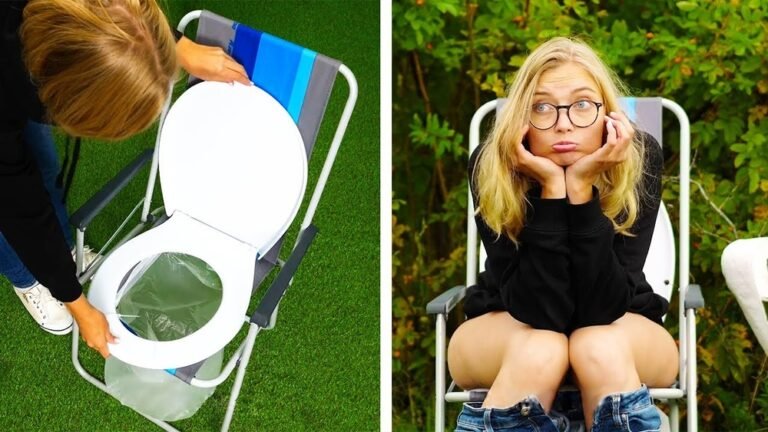
How to Use High Commode Toilet: Step-by-Step Guide for Beginners
Many people feel nervous the first time they use a high commode toilet. Maybe you just moved to a new home, started a new job, or are traveling. The seat looks higher than you expect. You wonder, “Am I using this right?” You worry about making a mess, feeling awkward, or not being clean. It’s normal to feel confused. But using a high commode is much easier than you think—and you’ll feel confident after reading this simple guide.
What Is A High Commode Toilet?
A high commode toilet is a type of sitting toilet with a raised seat. Unlike squat toilets, you do not need to bend your knees deeply or squat. The seat is usually 17 to 19 inches above the floor—about 2–4 inches higher than standard toilets. This design is common in Western countries, hotels, hospitals, and modern homes.
People choose high commodes for many reasons:
- Easier to sit and stand: Great for seniors or anyone with knee or back pain.
- Better hygiene: Less contact with the toilet makes cleaning easier.
- Comfort: Feels more like sitting on a chair.
You might also hear the words “Western toilet,” “elevated toilet,” or “comfort height toilet. ” These all mean the same thing.
Why Use A High Commode Toilet?
High commode toilets offer many benefits for different people.
- Comfort for all ages: Children, adults, and older people find it easier to use.
- Helpful for people with disabilities: Wheelchair users or those with limited movement can transfer more easily.
- Less strain: Sitting is less tiring than squatting.
- Clean and modern: High commodes often have flush tanks, lids, and smooth surfaces for easy cleaning.
According to the Centers for Disease Control and Prevention (CDC), falls in the bathroom are common for seniors. A high commode can lower this risk by making it simpler to sit and stand.
Credit: www.alamy.com
Basic Parts Of A High Commode Toilet
Before you use a high commode, let’s look at the main parts. This will help you understand what to touch and how it works.
- Toilet seat: The flat, oval surface you sit on.
- Lid: Covers the seat when not in use.
- Flush tank: The box at the back. Stores water for flushing.
- Flush lever or button: Used to flush waste.
- Water spray or bidet (optional): For washing after use.
- Toilet paper holder: Holds toilet paper.
- Grab bars (sometimes): Found in public or accessible toilets for support.
Here’s a simple comparison of a high commode and a squat toilet:
| Feature | High Commode | Squat Toilet |
|---|---|---|
| Seat Height | 17–19 inches | Level with floor |
| Body Position | Sitting | Squatting |
| Ease of Use | Very easy | Can be hard for some |
| Common Users | All ages | Adults, fit individuals |
Step-by-step Guide: How To Use A High Commode Toilet
Let’s break the process into simple steps. This way, you know exactly what to do and what to avoid.
1. Check For Cleanliness
Before using any toilet, look for:
- A clean seat (wipe if needed with tissue or sanitizer)
- Toilet paper or water spray nearby
- A working flush button or handle
If anything looks dirty, use a tissue to clean or choose another stall if possible.
2. Prepare Yourself
- Lock the door for privacy.
- Hang your bag, coat, or belongings on a hook or keep them away from the floor.
- If you need to remove extra clothing, do it carefully to keep your clothes clean.
3. Sit Properly
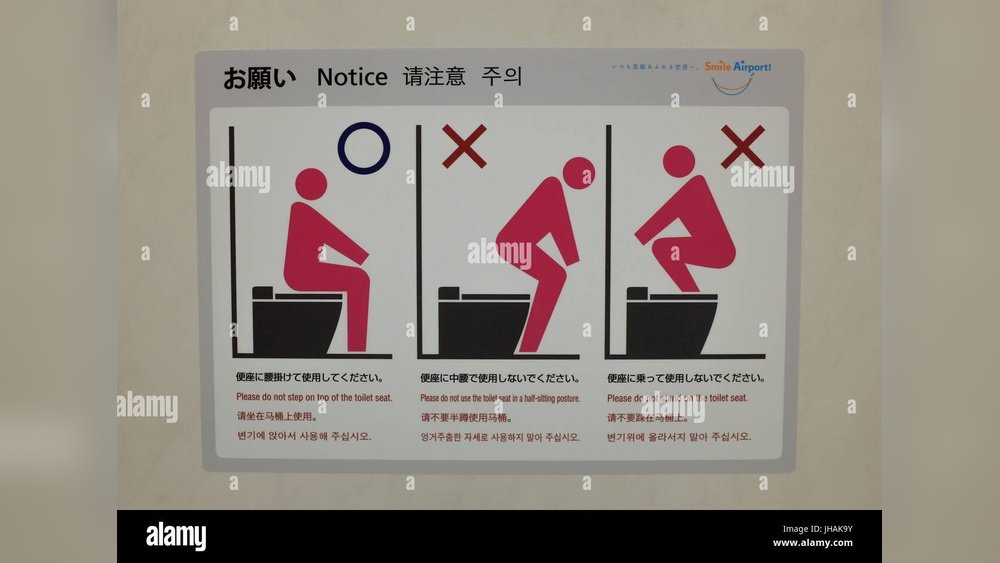
- Lift the lid (and seat if needed).
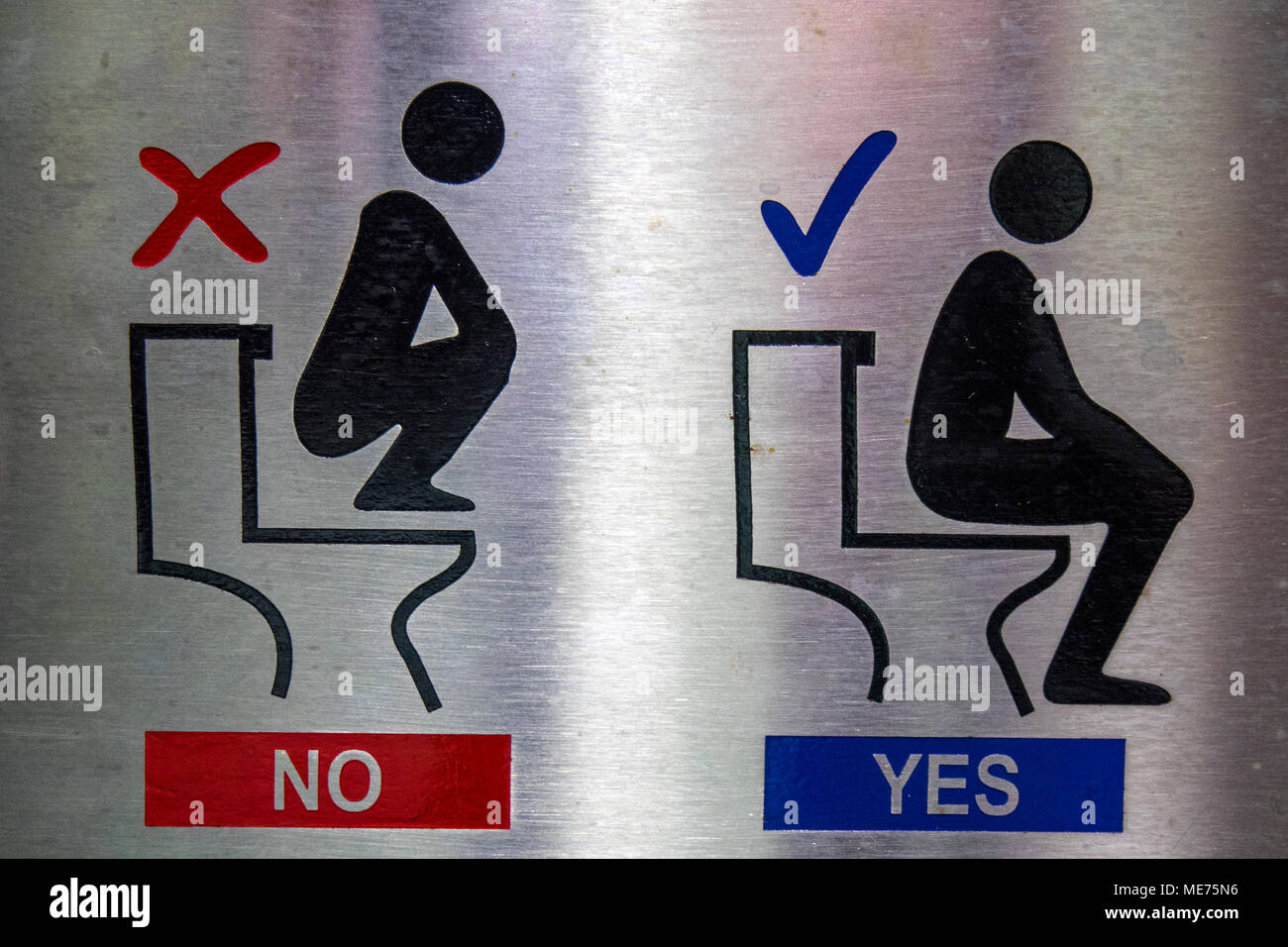
- Face the tank and sit down gently on the seat.
- Place your feet flat on the floor for balance.
- Some people prefer to cover the seat with toilet paper for extra hygiene.
Important: Never stand on the seat. It can break and is dangerous.
4. Use The Toilet
- Relax and do your business.
- If you are urinating, aim into the water to avoid splashing.
- For bowel movements, sit comfortably. Some people lean forward slightly.
Pro tip: If you have trouble with bowel movements, try putting your feet on a small stool. This changes your body angle and helps.
5. Clean Yourself
You have two main options:
- Toilet paper: Take enough paper. Wipe from front to back (especially for women) to avoid germs.
- Water spray or bidet: Some toilets have a hand spray or built-in bidet. Use the spray gently to clean yourself. Dry with tissue or let air-dry.
6. Dispose Of Waste Properly
- Throw used toilet paper into the toilet bowl (unless there’s a sign asking you to use a bin).
- Do not flush sanitary pads, diapers, or wet wipes—they can block pipes.
7. Flush The Toilet
- Press the flush button or pull the handle.
- Check that everything goes down. If not, flush again.
- Some toilets have two buttons: One for liquid waste (smaller flush) and one for solid (bigger flush). Choose the right one to save water.
8. Clean Up And Exit
- Use paper or a disinfectant wipe to clean any accidental spills.
- Lower the lid if possible—this prevents the spread of germs.
- Wash your hands with soap and water for at least 20 seconds. Dry with a clean towel or air dryer.
Tips For Using High Commodes In Public Places
Public toilets can be tricky. Here’s how to stay safe and clean:
- Carry tissues or wet wipes in case supplies run out.
- Use a paper seat cover or toilet paper on the seat if you are worried about germs.
- Avoid touching surfaces with your hands. Use elbows or tissue for doors and handles.
- If you see a broken or dirty toilet, find another stall.
Insider tip: Many people miss the flush button because some toilets use sensors. Stand up and wait a few seconds; the toilet may flush automatically.
High Commode Toilet For People With Mobility Issues
High commodes are great for people with limited movement. But, there are small details to watch for:
- Use grab bars for support when sitting or standing.
- Choose a toilet with a higher seat (sometimes called ADA-compliant).
- Some toilets have raised seats that can be added for extra height.
- Always keep a phone or alert device nearby in case you need help.
This is why many hospitals and care homes use high commodes—they help prevent falls and make life easier for caregivers.

Credit: www.shutterstock.com
How To Teach Kids Or Seniors To Use A High Commode
Sometimes, you need to help someone new to high commodes—like a child or an elderly family member.
- Show them how to lock the door and lift the lid.
- Explain how to sit slowly and keep their feet flat.
- Teach them to use toilet paper or a water spray.
- Remind them to flush and wash their hands.
- Stay nearby if they need help, but respect their privacy.
Non-obvious insight: Many seniors worry about falling, so encourage them to use grab bars and take their time. For kids, a small footstool can make sitting easier.
Common Problems And How To Solve Them
Even with a high commode, issues can happen. Here’s what to do:
- Clogged toilet: If water doesn’t go down, do not flush again right away. Wait a few minutes. If it’s still blocked, call for help.
- No toilet paper: Use water spray if available, or ask someone for help.
- Wet seat: Wipe with tissue before sitting.
- Broken flush: Sometimes, a bucket of water can flush the toilet if the handle or button doesn’t work.
If you’re in a hotel or public place, don’t be afraid to ask staff for help.
High Commode Vs. Standard Height Toilets
You may wonder what’s the difference between a high commode and a regular toilet. Here’s a quick look:
| Type | Seat Height | Best For |
|---|---|---|
| High Commode | 17–19 inches | Seniors, disabled, taller people |
| Standard Toilet | 14–16 inches | Children, shorter adults |
High commodes make it easier to stand up and sit down. But for children or shorter adults, a step stool may be helpful.
Cleaning And Maintaining A High Commode Toilet
Keeping a high commode clean is important for health. Here’s how you can do it at home:
- Flush after every use to prevent stains and smells.
- Wipe the seat and lid with disinfectant at least once daily.
- Scrub the bowl with a toilet brush and cleaner once a week.
- Check for leaks or loose parts. Fix problems quickly to avoid bigger issues.
- Keep the floor dry to prevent slips.
If you use public toilets, always wash your hands after.

Credit: brandboxbd.com
Cultural Differences: Using High Commodes Around The World
If you travel, you’ll notice that high commodes are common in the US, Europe, and many Asian hotels. In some countries, squat toilets are still popular. Always check the signs to know what kind of toilet you’ll find.
In Japan, for example, high-tech commodes have heated seats and automatic sprays. In India, you may find both Western and squat toilets side by side.
Interesting fact: According to a 2023 survey, about 65% of hotel rooms worldwide now use high commode toilets.
High Commode Toilet Etiquette
Good manners matter in shared bathrooms. Remember these rules:
- Flush after every use.
- Clean up spills or splashes.
- Do not stand on the seat.
- Dispose of waste properly.
- Leave the toilet as clean as you found it.
These small actions make things better for the next person.
Mistakes To Avoid When Using A High Commode
People often make small mistakes, especially if they’re new to high commodes. Here are the top ones to avoid:
- Standing on the seat (very dangerous and can break the toilet)
- Flushing non-toilet items (like wipes, pads, or diapers)
- Forgetting to flush (unpleasant for the next user)
- Using too much toilet paper (can cause clogs)
- Not washing hands (spreads germs)
Hidden tip: If you use public toilets often, carry a small bottle of hand sanitizer. Some places run out of soap.
High Commode Toilet Accessories
Some accessories can make using a high commode even better:
- Raised toilet seats: Extra height for people with mobility issues.
- Toilet safety frames: Handles to help sit and stand.
- Bidet attachments: For washing instead of wiping.
- Footstools: Help children or shorter people sit comfortably.
- Deodorizer blocks: Keep the toilet smelling fresh.
You can find these in most home stores or online.
Comparing Water Usage: High Commode Vs. Other Toilets
Water use matters, especially where supply is limited. Here’s how high commodes compare:
| Toilet Type | Average Water Per Flush |
|---|---|
| High Commode (modern) | 1.28–1.6 gallons |
| Old-Style Toilet | 3–5 gallons |
| Dual-Flush Toilet | 0.8–1.6 gallons |
Modern high commodes are water-saving. They use much less water than old toilets.
Where To Learn More
If you want more information about toilet types and bathroom safety, check out the official CDC Bathroom Safety Guide.
Frequently Asked Questions
What Is The Best Way To Clean Yourself After Using A High Commode?
Use toilet paper or a water spray. Wipe gently from front to back. Dry off with paper or let air-dry. Wash your hands well after.
Is A High Commode Toilet Safe For Children?
Yes, but children may need a footstool to rest their feet. Always supervise younger kids and show them how to sit safely.
Can I Use A High Commode If I Have Knee Or Back Pain?
Absolutely. High commodes are designed to make sitting and standing easier for people with joint pain or limited movement.
What Should I Do If The Flush Is Not Working?
Try a second time or use a bucket of water. In public toilets, ask staff for help. Do not leave waste unflushed if you can avoid it.
Are High Commode Toilets More Hygienic Than Squat Toilets?
High commodes are easier to clean and more comfortable, but both can be hygienic if used properly. Always wash hands after use, no matter the toilet type.
Using a high commode toilet is simple once you know the steps. With the right habits and a little practice, you’ll feel at home in any modern bathroom.