How to Keep a Portable Toilet from Freezing: Winter Survival Tips
Keeping a portable toilet from freezing can feel impossible during winter. You check in the morning, and the water is solid ice. You need to go, but the toilet is frozen shut. Chemicals don’t seem to help. You worry about cracks, smells, and messy leaks.
It’s annoying and even embarrassing, especially if you have guests or are camping with family. If you’ve ever faced these struggles, you’re not alone.
Why Portable Toilets Freeze
Most portable toilets have water-based waste tanks. When the temperature drops below 32°F (0°C), water inside the tank and bowl starts to freeze. Once frozen, it expands, putting pressure on the plastic. This can lead to cracks, leaks, or broken seals. Even the flushing mechanism can get stuck, making your toilet unusable.
Freezing temperatures affect:
- RV toilets
- Camping porta-potties
- Construction site toilets
- Chemical toilets used at events
Many people think adding more chemicals is enough. But when it gets really cold, that’s not true. A strong freeze can make even treated water turn to ice.
Main Risks Of A Frozen Portable Toilet
A frozen toilet is more than just an inconvenience. Here’s why you should care:
- Cracked tanks: Ice can split plastic tanks, making them leak.
- Damaged seals: Frozen parts break seals, causing bad smells and leaks.
- Blocked pipes: Frozen waste blocks pipes and valves, making cleaning hard.
- Odor problems: Freezing can stop chemicals from working, so smells get worse.
- Extra costs: Repairs or replacements can cost hundreds of dollars.
If you use a portable toilet in a trailer, tiny home, or outdoor event, prevention is cheaper and easier than fixing problems after freezing.
Credit: www.johntalk.com
How Cold Is Too Cold?
Most portable toilets can handle temperatures down to about 20°F (-6°C) if chemicals are used. But if it drops below that, or stays cold for days, freezing is very likely. The colder it gets, the faster problems start.
Here’s a quick look at how temperature affects common portable toilet fluids:
| Temperature (°F) | Risk of Freezing | Notes |
|---|---|---|
| 32° | Low | Possible overnight, especially in wind |
| 25° | Moderate | Most standard fluids start freezing |
| 15° | High | Quick freezing, even with some chemicals |
| 0° | Severe | Ice forms quickly, tanks and lines at risk |
10 Ways To Keep A Portable Toilet From Freezing
You can stop your portable toilet from freezing with the right steps. Let’s look at the most effective methods.
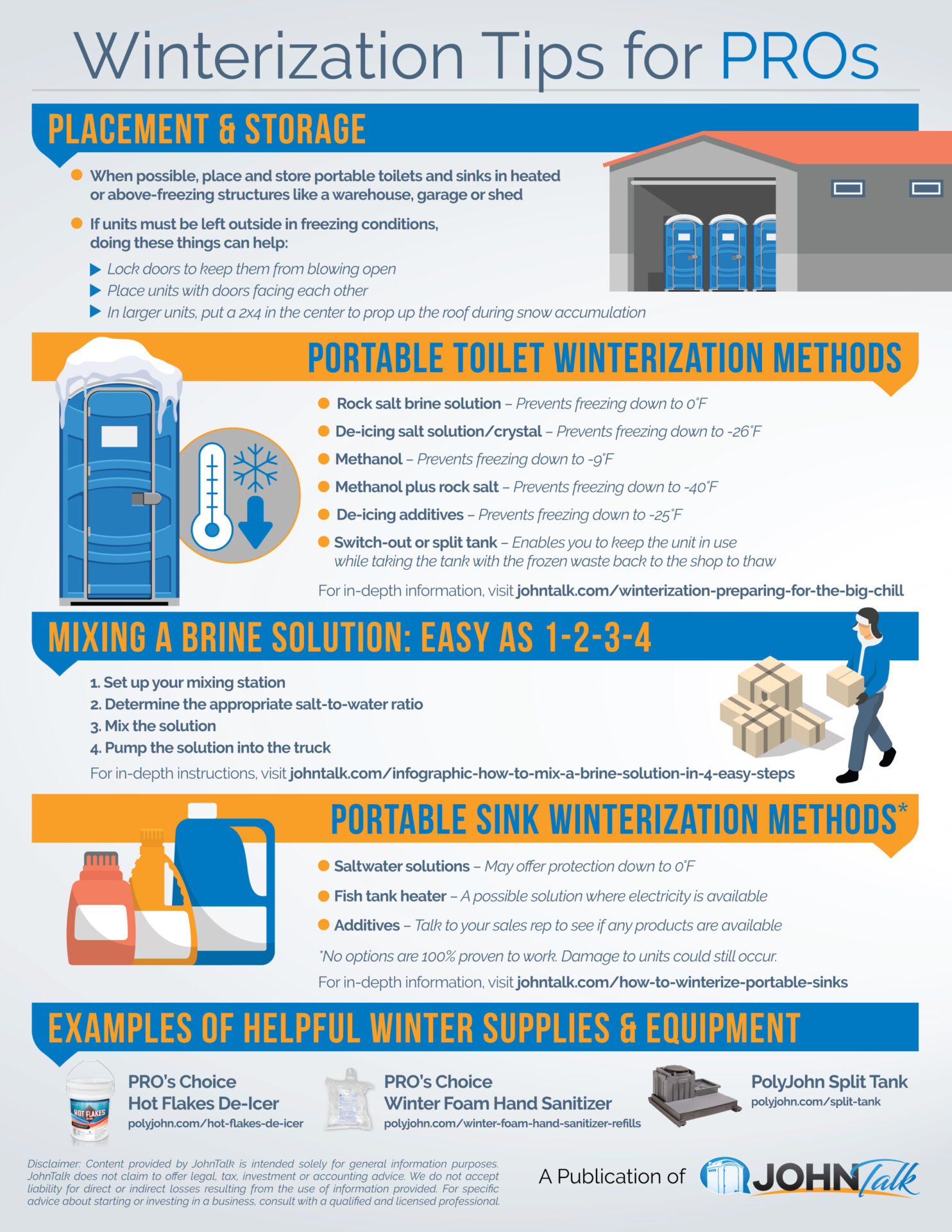
1. Use Non-toxic Rv Antifreeze
RV antifreeze is made for toilets and pipes. It’s usually propylene glycol (safe for people and pets). Pour it into the waste tank and bowl. This lowers the freezing point so water won’t turn to ice easily.
- Use about 1–2 cups for the bowl and 2–4 cups for the tank.
- Only use RV/marine antifreeze—never auto antifreeze, which is toxic.
Pro tip: Add some before a cold snap, not after it freezes.
2. Add Salt To The Holding Tank
Salt is a simple, cheap way to lower water’s freezing point. Mix a cup of table salt or rock salt into the tank. Stir it if you can. Saltwater freezes at a lower temperature.
- Good for short trips or emergencies.
- Too much salt can harm plastic over time, so don’t use daily.
3. Install A Tank Heater Pad
Heater pads stick to the bottom of your tank. Plug them into a 12V or 120V power source. They keep the tank just above freezing. Many RVers use these for winter camping.
- Choose a pad rated for your tank size.
- Needs a power source—solar or battery for off-grid.
Non-obvious tip: Use a thermostat with your pad to save power.
4. Insulate The Toilet And Tank
Wrap the tank and toilet with insulation blankets or foam. This slows heat loss and protects against wind chill. Bubble wrap or thick towels can help in a pinch.
- Focus on the bottom and sides of the tank.
- Cover pipes and hoses too.
Extra insight: Even a few layers can make a big difference.
5. Use Chemical Toilet Deodorizer With Antifreeze Properties
Some toilet chemicals are made for winter use. They have both deodorizing and antifreeze effects. Look for products labeled “winter blend” or “cold weather formula.”
- Follow the amount on the label.
- Combine with other methods for best results.
6. Empty Tanks Frequently
A full tank freezes faster than an empty one. Try to dump and clean tanks often, especially before a cold night.
- Don’t let waste sit for days in freezing weather.
- Rinse tanks after emptying to avoid residue freezing.
Quick fact: A small amount of liquid won’t freeze as fast as a full tank.
7. Store Toilets In Warmer Spots
If possible, move your portable toilet into a garage, shed, or tent overnight. Even a few degrees warmer helps.
- For camping, bring the toilet inside your tent or camper at night.
- For construction, use insulated toilet cabins.
8. Use A Space Heater (safely)
A small space heater can keep the area around the toilet above freezing. Only use if you have a safe, dry place and can watch it.
- Never leave heaters on unattended.
- Keep away from water, flammable items, and plastic surfaces.
9. Try Alcohol-based Solutions
Adding a small amount of isopropyl alcohol (rubbing alcohol) to your tank can help. It mixes with water and lowers the freezing point.
- Use 1–2 cups per tank.
- Alcohol evaporates, so check levels often.
10. Cover The Toilet When Not In Use
Put a thick cover, blanket, or even a sleeping bag over the toilet. This keeps heat in and slows down freezing.
- Works best when combined with other methods.
- Helps outdoors and in unheated cabins.
Credit: flushservices.com
Comparing Common Antifreeze Options
Here’s how different additives work for keeping your portable toilet from freezing:
| Additive | Freezing Point | Safety | Cost |
|---|---|---|---|
| RV Antifreeze | -50°F | Very safe | Moderate |
| Salt | ~15°F | Safe short-term | Low |
| Alcohol | -20°F | Safe in small amounts | Low |
| Winter Chemicals | -10°F to -30°F | Safe if labeled for toilets | Moderate |
Mistakes People Make (and How To Avoid Them)
Many people make the same errors with winter toilet care. Here are the top mistakes:
- Using car antifreeze: It’s toxic and not safe for waste tanks.
- Waiting too long: Prevention works best before the freeze, not after.
- Ignoring the bowl: The bowl water can freeze and crack the bowl or seal.
- Forgetting vent pipes: Frozen vent pipes lead to smells and clogs.
- Not emptying tanks: A full tank is much more likely to freeze and break.
Bonus tip: Always check your toilet’s manual for winter care advice. Some brands need special treatment.
Practical Winter Maintenance Tips
- Check daily: In very cold weather, check the toilet each morning.
- Keep spares: Bring extra antifreeze, salt, or chemicals on trips.
- Use gloves: Handling chemicals and waste in cold weather is tough on bare hands.
- Label bottles: Store chemicals safely away from food and water.
- Plan ahead: If a cold snap is coming, act early. Prevention is easier than thawing.
Real-world Examples
- RV owners in Minnesota add RV antifreeze weekly and use heater pads for winter camping.
- Construction crews in Canada use insulated cabins and empty tanks every day to prevent freezing.
- Family campers in Colorado wrap their portable toilets in sleeping bags at night, then store in the tent.
These methods are tested in real cold. People who use a mix of steps rarely have freezing problems.
When Is It Too Late?
If your portable toilet is already frozen:
- Do not force the lid or flush.
- Bring it to a warm room to thaw slowly.
- Once thawed, empty and clean right away.
- Check for cracks or leaks before using again.
Never use hot water or direct flames—fast heating can damage plastic and seals.
Portable Toilet Freezing: What Matters Most
What works best depends on your situation:
| Situation | Best Methods | Why |
|---|---|---|
| Short Trip (1-2 nights) | Salt, alcohol, winter chemicals | Quick, cheap, easy to add |
| Long-term Camping | RV antifreeze, insulation, tank heater | Lasts longer, more reliable |
| Construction Site | Heated cabins, frequent emptying | Large tanks, lots of use |
| Emergency (already frozen) | Warm up slowly, check for damage | Prevents cracks and leaks |

Credit: toitoiusa.com
Little-known Insights
- Wind makes freezing worse: Even if air temperature is just below freezing, wind can drop the tank temperature much faster. Sheltering the toilet matters more than many people think.
- Small amounts of liquid freeze slower: If you must leave a little water in the tank, keep it to the minimum needed for use. Less water means less risk.
External Resource For More Information
For further reading on winterizing RV and portable toilets, visit this helpful guide from Camping World.
Frequently Asked Questions
How Much Rv Antifreeze Should I Use In A Portable Toilet?
You should use 1–2 cups in the bowl and 2–4 cups in the waste tank. Check your toilet’s manual for exact amounts, but these numbers are safe for most models.
Can I Use Regular Car Antifreeze In My Portable Toilet?
No, never use car (ethylene glycol) antifreeze. It’s poisonous and not safe for any toilet that could contact people, pets, or the environment.
What If My Portable Toilet Is Already Frozen Solid?
Move it to a warm place and let it thaw slowly. Check for cracks or leaks after it thaws. Do not use force or add hot water, as this can damage the toilet.
Does Adding Salt Harm My Portable Toilet?
Short-term, salt is okay. But using lots of salt often can weaken plastic over time. Use it in emergencies, not as your main method.
Are Winter Toilet Chemicals Safe For Septic Systems?
Most winter blends made for toilets are safe, but always check the label. Avoid harsh chemicals not approved for waste treatment.
Keeping your portable toilet from freezing is possible with the right mix of planning, products, and practical steps. Don’t let winter catch you off guard—try these tips and stay comfortable all season long!