Composting Toilet Vs Dry Flush: Which Is Best for Off-Grid Living?
Many people dream of living off-grid, camping longer, or just avoiding the hassle of plumbing. But when nature calls, the bathroom becomes a big problem. Traditional toilets need water, pipes, and sometimes chemicals. Public restrooms are not always clean or nearby. Suddenly, you’re searching for a simple, odor-free, and easy toilet solution—but the options can be confusing. Composting toilets and dry flush toilets sound similar, but they are very different. Which one will truly solve your bathroom worries?
Understanding Composting Toilets
Composting toilets turn human waste into compost by using natural processes. They do not use water or plumbing. Instead, they use aerobic bacteria to break down waste. Most composting toilets have a vent system to let air out and keep smells away. Some need you to add bulking materials, like sawdust or coconut coir, after each use.
How Composting Toilets Work
After use, waste falls into a chamber. There, it mixes with bulking material. Air passes through, helping bacteria break everything down. Over time, the waste becomes a dry, soil-like substance called compost. Some models separate liquids and solids for better results.
Types Of Composting Toilets
- Self-contained units – All parts are inside the toilet. They are great for cabins, tiny homes, and RVs.
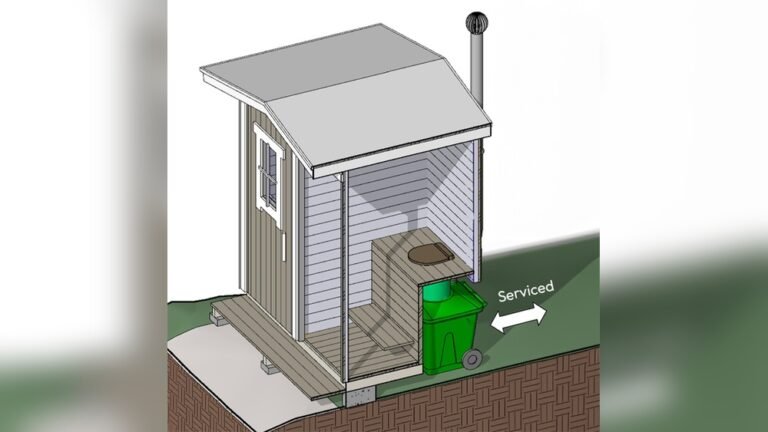
- Central systems – Waste goes to a large tank outside or below the building. Good for bigger homes.
Key Features
- No water needed
- Turns waste into compost
- Odor control with vents
- Often needs bulking material
- Some require power for fans
Understanding Dry Flush Toilets
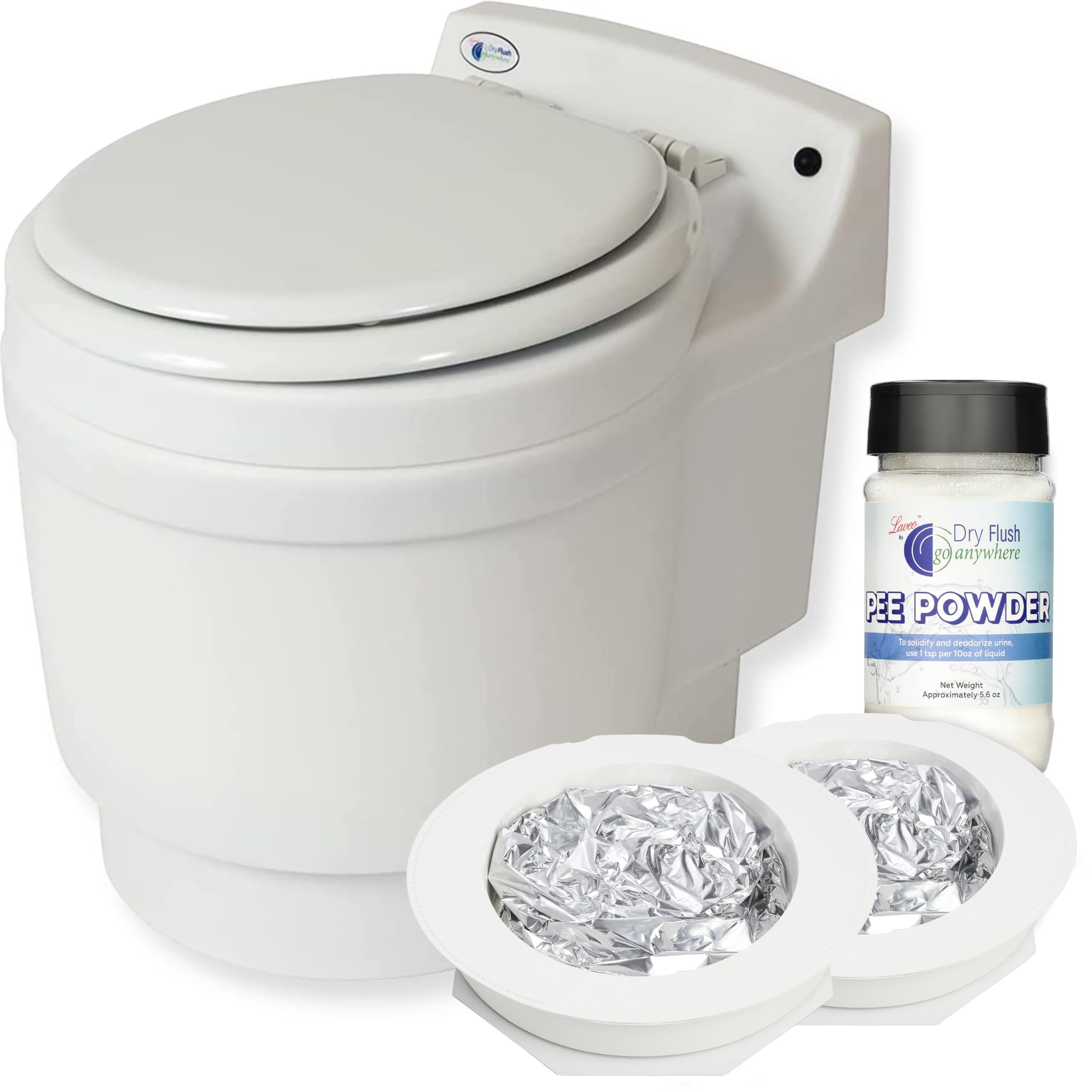
Dry flush toilets are a newer, high-tech solution. They use a sealed bag system to wrap and store waste. After you use the toilet, you press a button. The machine twists and seals the waste in a tough, airtight bag. Each flush uses a new section of the bag, keeping smells locked away.
How Dry Flush Toilets Work
You sit down and use the toilet as usual. When done, you press a button or step on a pedal. The toilet spins the bag liner, sealing the waste. After many flushes, you remove the cartridge and throw it away.
Key Features
- No water or chemicals
- Odor-free sealing system
- Cartridge or bag must be replaced
- Battery-powered (usually rechargeable)
- Simple to set up and use
Credit: www.amazon.com
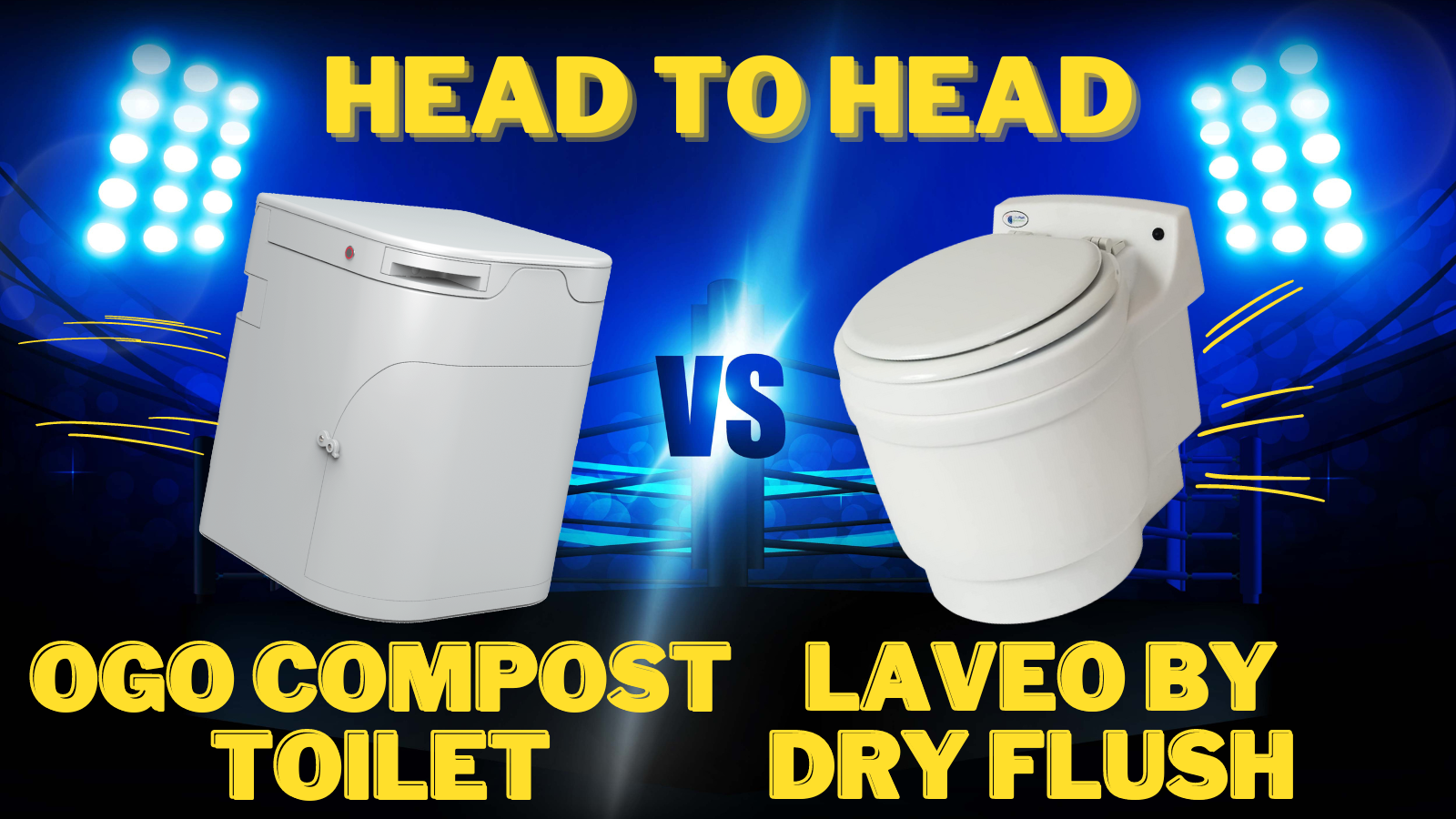
Composting Toilet Vs Dry Flush: Side-by-side Comparison
Below is a direct comparison to help you see the main differences:
| Feature | Composting Toilet | Dry Flush Toilet |
|---|---|---|
| Water Needed | No | No |
| Odor Control | Ventilation, bulking material | Sealed bag system |
| Setup | Some install work (vent, power) | Plug-and-play, portable |
| Waste Handling | Turns waste into compost | Bagged waste for landfill |
| Ongoing Costs | Bulking material, rare maintenance | Bag cartridges (recurring) |
| Power Source | Optional (for fans) | Battery needed |
| Environmental Impact | Creates compost, eco-friendly | More landfill waste, but no chemicals |
Pros And Cons Of Composting Toilets
Let’s break down the good and bad sides.
Pros
- Eco-friendly: Turns waste into compost, helps the environment.
- No water needed: Perfect for off-grid or dry places.
- Low cost over time: Only need bulking material and rare service.
- Reduces sewage: No need for septic or sewer connections.
Cons
- Maintenance: You need to empty the compost and add bulking material.
- Learning curve: Takes practice to use correctly.
- Possible smell: If used wrong, it may smell.
- Space: Some units are large.
Who Should Choose A Composting Toilet?
You’ll like a composting toilet if you:
- Want to live off-grid or eco-friendly.
- Don’t mind regular maintenance.
- Have space for the unit and compost storage.
- Want to avoid landfill waste.
Many tiny house owners and boaters use composting toilets. They love the low impact and savings on water.
Pros And Cons Of Dry Flush Toilets
Dry flush toilets are all about convenience, but they’re not perfect.
Pros
- No mess: Waste is sealed away instantly.
- No smell: Airtight bags stop odors.
- Portable and quick to set up: Great for renters, RVs, and emergencies.
- No need for composting skills: Anyone can use it.
Cons
- Ongoing cost: You must buy new cartridges regularly.
- Landfill waste: Sealed bags go in the trash.
- Battery needed: You must keep it charged.
- Not compostable: Waste doesn’t break down naturally.
Who Should Choose A Dry Flush Toilet?
Choose a dry flush if you:
- Value quick, easy setup.
- Want a no-smell, no-maintenance option.
- Move often or use it for emergencies.
- Don’t want to deal with compost.
Dry flush toilets are popular for construction sites, mobile offices, and people who want zero-maintenance restrooms.
Which One Is Easier To Use?
Let’s compare daily use, cleaning, and overall effort.
Daily Use
- Composting toilets need you to add bulking material and sometimes separate liquids.
- Dry flush toilets work just like a normal toilet—just push a button.
Cleaning
- With a composting toilet, you empty compost every few weeks or months.
- Dry flush toilets need you to replace the bag cartridge every 15-20 flushes.
Effort
- Composting toilets need more attention.
- Dry flush toilets are almost effortless, but you must have bag supplies.
Cost Comparison
Price matters. Here’s what you should expect.
| Cost Type | Composting Toilet | Dry Flush Toilet |
|---|---|---|
| Initial Price | $900–$1,600 | $700–$1,200 |
| Installation | Possible venting and wiring costs | Usually none |
| Ongoing Costs | Bulking material ($50/year) | Bag cartridges ($70–$90 per pack) |
| Maintenance | Minimal, mostly cleaning | Replacing cartridges |
Insight: While the dry flush is often cheaper upfront, ongoing cartridge costs can add up. Composting toilets save money in the long run if you use them often.
Environmental Impact
This is important for many users.
Composting Toilets
- Turn waste into useful compost.
- Save thousands of gallons of water a year.
- No chemicals or plastic waste.
Dry Flush Toilets
- Use plastic liners for every flush.
- No water or chemicals used.
- Adds more to landfills.
Non-obvious insight: Some dry flush bags are starting to use biodegradable liners, but most still use standard plastic. Always check the brand and their landfill impact.

Credit: www.amazon.com
Odor Control: Real-world Results
No one wants a smelly bathroom. Let’s see how both systems perform.
Composting Toilets
If used right, there is little to no smell. Vents and bulking material are key. Problems happen if you forget to add cover material or if the vent is blocked.
Dry Flush Toilets
Odor control is excellent. The waste is sealed in layers of film. You won’t smell anything unless the cartridge is damaged.
Extra tip: In hot climates, composting toilets may need more air flow to keep smells away, while dry flush toilets work the same everywhere.
Installation And Portability
How Easy Is It To Set Up Each Option?
Composting Toilets
- Usually need venting to outside.
- May need 12V or 110V for fans.
- Takes 1–2 hours for DIY install.
- Not heavy, but not as portable.
Dry Flush Toilets
- No vent, water, or power wiring needed.
- Runs on a battery (lasts weeks).
- Can be carried anywhere, even up stairs.
- Perfect for disaster backup or moving often.
Real-world Examples
- A tiny house owner in Colorado uses a composting toilet to live off-grid and make compost for their garden. They empty the solids every two months.
- A construction team uses a dry flush toilet in a trailer. They change the bag cartridge weekly and never worry about plumbing or cleaning.
Common Mistakes To Avoid
- Skipping bulking material with a composting toilet—this causes odors and poor compost.
- Forgetting to order cartridges for dry flush toilets. Stock up before a trip.
- Blocking the vent on a composting toilet—leads to bad smells.
- Throwing away wet wipes in a dry flush toilet. Only human waste and toilet paper should go in.
- Overloading the cartridge on a dry flush toilet. Change it when full.
Credit: www.shoptinyhouses.com
Which Toilet Is Right For You?
- If you want to help the environment, are willing to do simple maintenance, and have a fixed location, choose a composting toilet.
- If you want zero-maintenance, quick setup, and need to move or travel often, choose a dry flush toilet.
- Consider your budget, how many people will use the toilet, and if you have space for composting or cartridges.
For more about how these toilets work, see the Wikipedia Composting Toilet Guide.
Frequently Asked Questions
What Is The Main Difference Between Composting And Dry Flush Toilets?
Composting toilets turn waste into compost using natural bacteria. Dry flush toilets seal waste in bags, which you throw away. No composting happens in a dry flush system.
How Often Do You Empty Each Toilet?
Composting toilets need emptying every few weeks to months, depending on use. Dry flush toilets need a new cartridge after about 15–20 flushes.
Are Dry Flush Toilets Safe To Use Indoors?
Yes, dry flush toilets are safe and odor-free indoors. The waste is sealed completely, so you can use them in homes, offices, or boats.
Can You Use Regular Toilet Paper In Both Toilets?
Yes, both systems allow normal toilet paper. Avoid wipes or thick papers, as they can block or fill the systems faster.
Which Toilet Is Better For The Environment?
Composting toilets are more eco-friendly. They use no water, make compost, and do not add to landfill. Dry flush toilets are less green due to the plastic waste, though they use no water or chemicals.
Choosing between a composting toilet and a dry flush toilet can feel tricky, but now you know the real pros, cons, and everyday details. Think about your needs, your values, and your lifestyle. With the right choice, you can enjoy a clean, worry-free bathroom—anywhere.