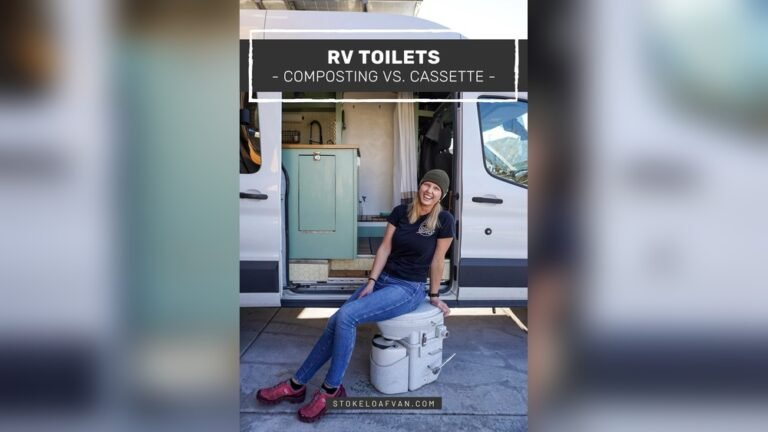
Portable Toilet Vs Composting Toilet: Which Is Best for You?
Have you ever tried to find a bathroom while camping or on a long road trip? It’s often stressful. The lines are long, public toilets are dirty, or sometimes, there’s just nothing nearby. You start worrying about comfort, smell, and even the environment. Should you pick a portable toilet or a composting toilet? Many people feel confused about which is best for their needs. Let’s make it simple.
What Is A Portable Toilet?
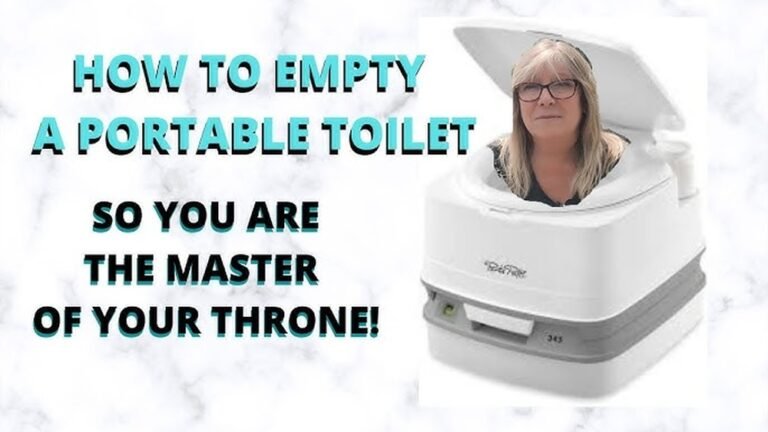
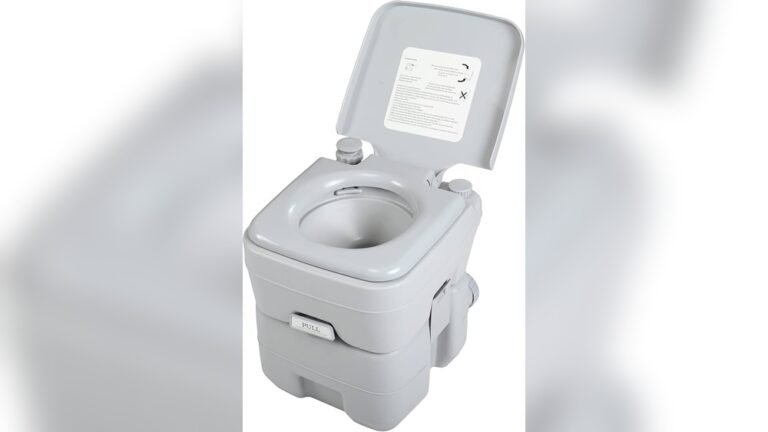
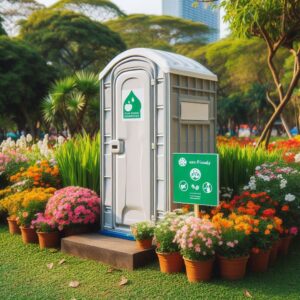
A portable toilet is a small, movable toilet. People use them for camping, RVs, boats, or outdoor events. They do not need plumbing. Most have a seat, a holding tank for waste, and a flushing system using water or chemicals.
How Portable Toilets Work
Portable toilets collect waste in a sealed tank below the seat. After you use it, you press a button or pull a lever to flush. The waste goes into the tank, mixed with chemicals. These chemicals help reduce smell and break down waste.
When the tank is full, you must empty it. Most users carry the tank to a dump station or a regular toilet and pour out the waste.
Common Types Of Portable Toilets
- Cassette toilets: The waste tank slides out for emptying.
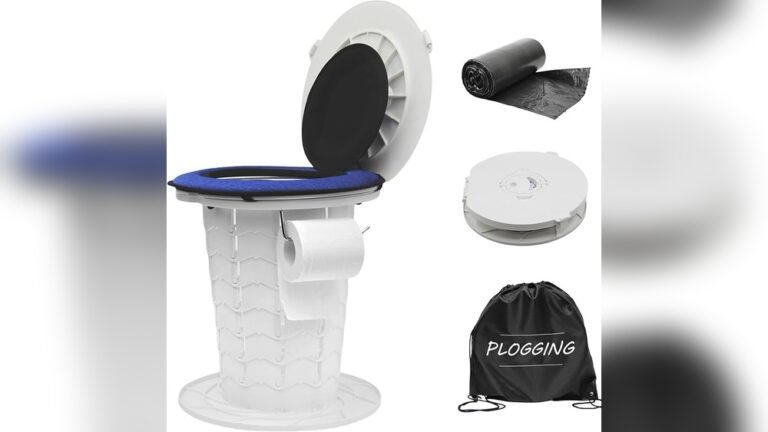
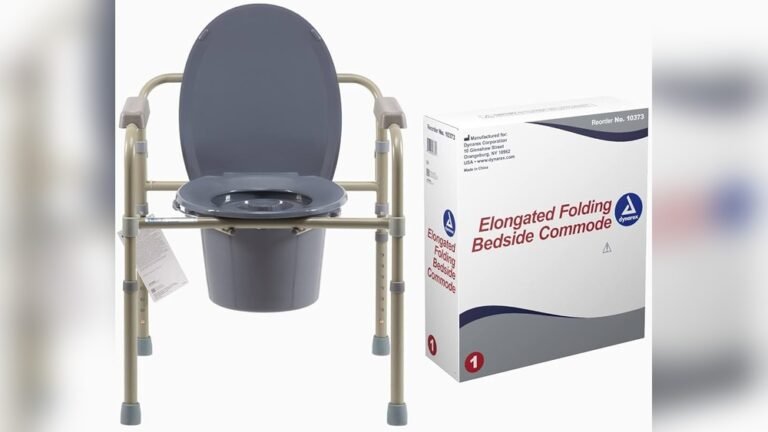
- Bucket toilets: Simple buckets with seats and bags.
- Chemical toilets: Use strong chemicals for odor and waste control.
Where People Use Portable Toilets
- Camping trips
- RVs and boats
- Construction sites
- Outdoor festivals and events
What Is A Composting Toilet?
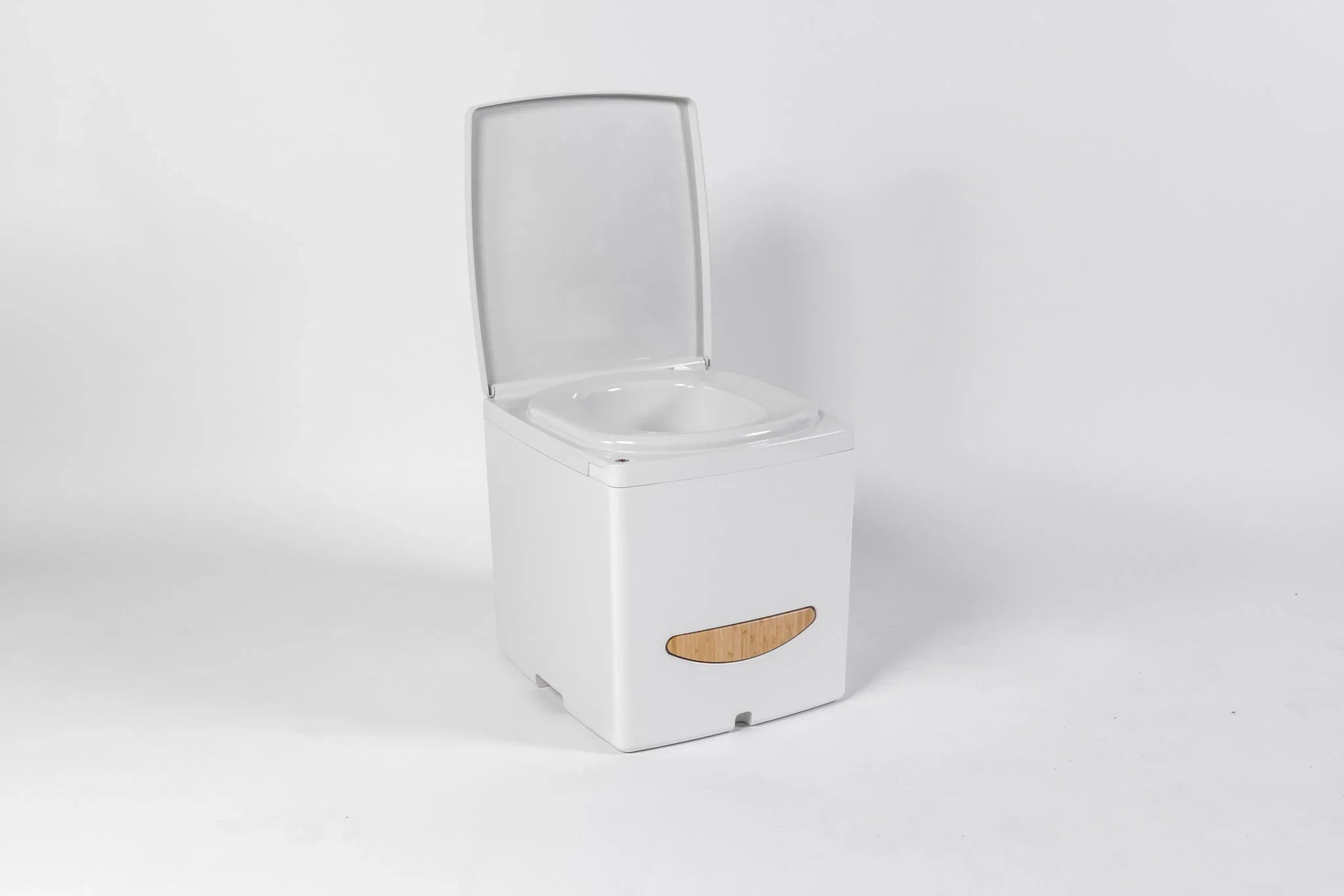
A composting toilet is a waterless toilet. It uses natural processes to turn human waste into compost. These toilets are good for people who want to live off-grid or reduce their impact on the environment.
How Composting Toilets Work
After use, waste drops into a chamber below the seat. Here, it mixes with materials like sawdust or coconut fiber. This mix helps break down the waste. Air vents and fans move smells outside. Over time, bacteria and air turn the waste into safe compost.
You need to empty the solid waste every few weeks or months, depending on use. The liquid (urine) usually goes into a separate tank. You can pour this into a toilet or special drain.
Common Types Of Composting Toilets
- Self-contained units: The toilet and composting chamber are together.
- Central systems: Waste goes to a larger chamber in another place (like a basement).
- Urine-diverting toilets: Keep liquids and solids separate for better composting.
Where People Use Composting Toilets
- Tiny homes
- Off-grid cabins
- Boats and RVs
- Eco-friendly houses

Credit: primedumpster.com
Portable Toilet Vs Composting Toilet: Key Differences
It’s easy to get lost in details. Here’s a simple side-by-side look.
| Feature | Portable Toilet | Composting Toilet |
|---|---|---|
| Needs Water | Usually Yes | No |
| Needs Chemicals | Yes | No |
| Odor Control | Chemicals | Natural (fans, vents) |
| Waste Disposal | Dump station/toilet | Compost bin/garden |
| Price Range (USD) | $50–$200 | $800–$1,500 |
Pros And Cons Of Portable Toilets
Every product has good and bad sides. Here’s what you need to know.
Advantages
- Easy to move: Light and compact. Good for travel.
- Low cost: Cheaper than composting toilets.
- Simple setup: No need for special tools.
- Quick to use: Works almost like a home toilet.
Disadvantages
- Chemical use: Smells can return if you forget the chemicals.
- Frequent emptying: Small tanks fill up fast.
- Not eco-friendly: Chemicals and waste go to treatment plants.
- Can be messy: Spills or leaks during emptying.
Real Example
Many families use portable toilets for weekend camping. But after two days, some notice strong smells or have trouble finding a dump station. This can be stressful, especially with kids.
Pros And Cons Of Composting Toilets
Thinking about the environment or staying off-grid? Composting toilets have their own set of benefits and problems.
Advantages
- Eco-friendly: No water or chemicals needed.
- Less waste: Turns waste into compost for gardens.
- No plumbing needed: Works well in remote areas.
- Rarely smells: Fans and vents move odor outside.
Disadvantages
- Higher price: More expensive upfront.
- Learning curve: You must add cover material and empty solids.
- Bigger size: Takes more space than a bucket toilet.
- Needs power: Fans use a small amount of electricity.
Real Example
A couple living off-grid in a tiny cabin used a composting toilet for two years. They liked the low smell and no need for water. But, in winter, the compost broke down slower, so they had to empty it more often.
Cost Comparison
Price often decides what people buy. Let’s look closer.
| Toilet Type | Initial Cost | Yearly Maintenance | Long-Term Savings |
|---|---|---|---|
| Portable Toilet | $50–$200 | $50–$150 (chemicals, bags) | Low |
| Composting Toilet | $800–$1,500 | $30–$50 (bulking material) | High (saves water/sewer costs) |
Non-obvious insight: Many buyers only look at the initial price. They forget about the yearly cost of chemicals or water savings. Over five years, a composting toilet might actually save money—especially in places where water is expensive.
Credit: fresnoportapottyrentals.com
Which Is Easier To Use And Maintain?
Let’s compare the daily experience.
- Portable toilets need refilling with water, adding chemicals, and emptying every few days. Cleaning is simple but must be regular.
- Composting toilets require adding cover material (like sawdust) after each use, checking fans, and emptying solids every few weeks.
Beginner tip: If you hate emptying toilets often, a composting model is better. But you must learn how to balance moisture and keep the system running.
Smell And Hygiene
Nobody likes a stinky bathroom. So, which toilet is less smelly?
- Portable toilets: Good at first, but if you skip the chemicals or wait too long to empty, smell builds up fast. In hot weather, this gets worse.
- Composting toilets: Surprising to some, these often smell less. The vent fan pulls odors outside. If you add enough cover material, the smell is earthy, not bad.
Non-obvious insight: Most composting toilet smells come from too much liquid. If you keep liquids and solids separate, almost no smell escapes.
Environmental Impact
If you care about nature, this section matters most.
- Portable toilets use chemicals that may harm water and soil if not treated properly. Waste goes to treatment plants that use energy and water.
- Composting toilets use no water, no chemicals, and turn waste into soil. This helps plants and reduces pollution.
The United States Environmental Protection Agency says that composting toilets can reduce home water use by up to 30%. That’s a big impact, especially in dry places.
Space And Installation Needs
Before buying, check your space.
- Portable toilets: Fit in small spots. You can put them in a tent or car trunk. No tools needed.
- Composting toilets: Bigger and need space for airflow and the compost chamber. Some need a vent through the wall or roof.
If you travel a lot, a portable toilet is easier. For a fixed cabin or tiny house, a composting toilet works well.
Credit: compocloset.com
Who Should Choose A Portable Toilet?
Portable toilets fit some lifestyles better.
- Short camping trips
- People with little space
- Tight budgets
- Emergency use (storms, power outages)
- Outdoor workers
Common mistake: Some users expect a portable toilet to work well for a whole family for a week. In reality, small tanks fill up fast. For groups, get more than one or plan for daily emptying.
Who Should Choose A Composting Toilet?
Composting toilets are best for:
- Off-grid homes
- Eco-friendly living
- Areas with no water or sewer
- People who garden and want compost
- RV or boat owners who stay in one place for a while
Beginner tip: If you can’t handle a bit of manual work (adding cover material, emptying solids), a composting toilet might not be for you.
User Experience: What Real People Say
Let’s hear from actual users.
- Portable toilet users: “It was great for our weekend trip, but emptying was gross. Next time, I’ll bring gloves and more chemicals.”
- Composting toilet users: “I was nervous at first, but the system was easy once I got used to it. Very little smell, and I feel good about not wasting water.”
People who try both often say portable toilets are best for short-term use, while composting toilets win for long-term comfort and the environment.
Myths And Mistakes
Many myths confuse buyers. Here are some truths:
- “Composting toilets stink.” (False. If used right, they smell less than chemical toilets.)
- “Portable toilets are always easier.” (Not for big families or long trips.)
- “Compost is dangerous.” (True only if not managed. Finished compost is safe for non-food plants.)
Quick Comparison Table
If you’re still unsure, look at this summary.
| Portable Toilet | Composting Toilet | |
|---|---|---|
| Best for | Short trips, emergencies | Long-term, eco-living |
| Setup | Minutes | Hours |
| Upkeep | Frequent emptying | Less frequent |
| Eco impact | Low | High |
Final Thoughts: Which Toilet Is Right For You?
Choosing between a portable toilet and a composting toilet depends on your needs, budget, and values. If you want something cheap, small, and quick for travel, go portable. If you care about the planet, have more space, and want to live off-grid, a composting toilet is worth the extra effort and money. Either way, you can solve the bathroom headache and enjoy your adventure or lifestyle with less stress.
For more details on eco-friendly toilets, you can visit the Composting Toilet Wikipedia page.
Frequently Asked Questions
What Is The Main Difference Between A Portable Toilet And A Composting Toilet?
A portable toilet uses water and chemicals to manage waste. A composting toilet uses natural processes, needs no water, and turns waste into compost.
How Often Do I Need To Empty Each Type?
Portable toilets usually need emptying every 2–3 days for a family. Composting toilets can go 2–8 weeks, depending on use and size.
Are Composting Toilets Safe And Sanitary?
Yes, if used correctly. The composting process kills germs. Always wear gloves when emptying, and follow the maker’s instructions.
Can I Use A Portable Or Composting Toilet In Cold Weather?
Portable toilets work, but waste may freeze. Some composting toilets slow down in winter, so empty the solids more often.
Which Toilet Is Better For The Environment?
A composting toilet is much better for the environment. It saves water, uses no chemicals, and recycles waste into soil.