Camping Toilet Capacity Explained: What You Need to Know
Camping Toilet Capacity Explained
Ever had that awful moment on a camping trip where you really need to go, but the campsite bathroom is full—or worse, miles away? Maybe you’ve wrestled with a tiny portable toilet that filled up way too fast or faced a “spill disaster” while emptying.
These are common frustrations for campers. Choosing the wrong camping toilet capacity can ruin your trip, leaving you uncomfortable and stressed instead of relaxed and happy outdoors.
Why does camping toilet capacity matter? When you’re out in nature, far from regular bathrooms, your portable toilet is your only option. Too small, and you’ll be emptying it every few hours. Too big, and you’re carrying extra weight you don’t need.
Understanding how toilet capacity works helps you pick the right size, stay clean, and avoid nasty surprises. Let’s break down what you really need to know—without the hype.
What Is Camping Toilet Capacity?
Camping toilet capacity means how much waste a portable toilet can hold before it needs emptying. It’s usually measured in gallons or liters. The right capacity makes a big difference in daily use. Too little, and you’ll deal with overflows. Too much, and you carry unnecessary bulk.
Most common types:
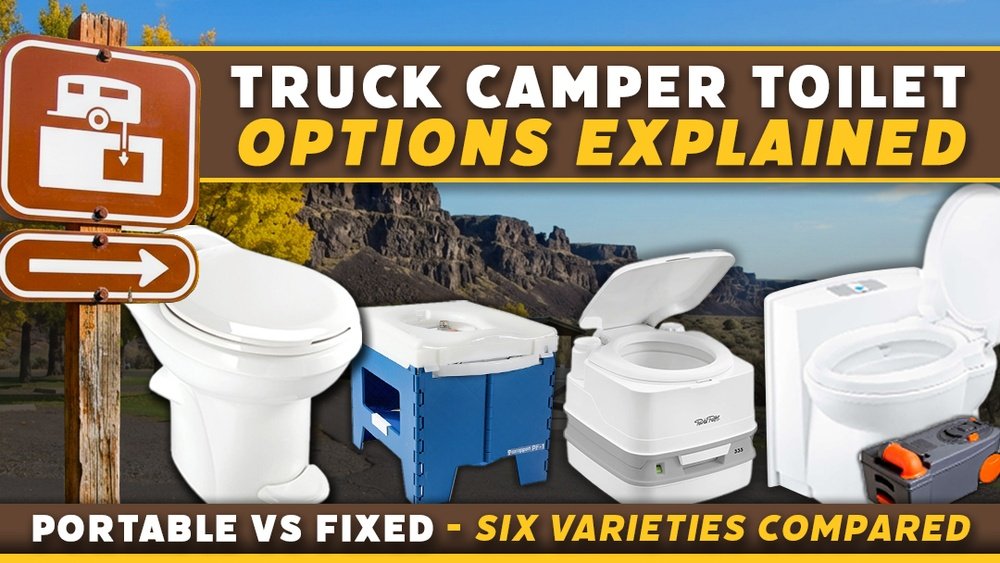
- Portable flush toilets (cassette toilets): 2–5 gallons (7–20 liters)
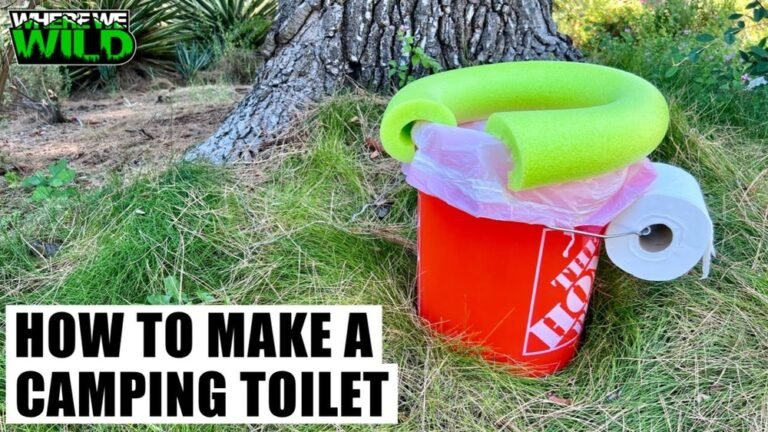
- Bucket toilets: 3–6 gallons (11–23 liters)
- Bag-based toilets: 1–2 uses per bag
Each style works differently, but all have a storage limit. When that limit is reached, you must empty or replace it.
Why Capacity Choice Really Matters
Choosing the right size isn’t just about comfort. It’s about safety, hygiene, and even the environment. Let’s look at some real-world examples:
- A family of four using a 2-gallon toilet may need to empty it twice per day, risking spills or odors if forgotten.
- Solo campers might lug a heavy 5-gallon toilet for no reason, making hikes and setup harder.
- Overfilled toilets can leak or break, causing health hazards or polluting nature.
Getting it right means less stress, less mess, and a smoother trip.
Credit: nislybrothers.com
How Toilet Capacity Is Measured
Manufacturers often list capacity in gallons or liters. Here’s how it usually appears:
- “3.2-gallon waste tank”
- “12-liter holding tank”
But this number is only part of the story. The actual usable capacity can be a bit less, since you should never fill a tank to the absolute top. Leave some space to prevent leaks and allow for chemical action (if using chemicals).
Quick conversion:
- 1 gallon ≈ 3.8 liters
If you see a toilet labeled in liters and you’re more comfortable with gallons (or vice versa), use this simple formula.
How Long Does Capacity Last? (real Usage Examples)
This is the question most people care about: How many uses before emptying? It depends on the size, number of users, and type of toilet. Let’s see some scenarios:
Single Camper
- 2-gallon toilet: 4–6 uses (urine and feces), so about 1–2 days
- 5-gallon toilet: 10–12 uses, up to 3–4 days
Couple
- 2-gallon toilet: Needs emptying every day
- 5-gallon toilet: Lasts 2 days
Family Of Four
- 2-gallon toilet: Not enough, may overflow in less than a day
- 5-gallon toilet: 1 day’s use, then must empty
Bag Toilet
- Each bag: 1 use (sometimes 2 if only urine)
- Not reusable; needs changing after each use
These estimates are for mixed use (both liquids and solids). If you use your toilet only for urine, it will last longer. In reality, weather, hydration, and food can change the numbers.
Types Of Camping Toilets And Their Capacities
Different types of camping toilets have different designs and tank sizes. Here’s a closer look.
| Type | Capacity Range | Typical Users |
|---|---|---|
| Portable Flush (Cassette) | 2–5 gallons (7–20 L) | Solo, couples, families |
| Buckets | 3–6 gallons (11–23 L) | Groups, car campers |
| Bag Toilets | 1–2 uses per bag | Hikers, ultralight |
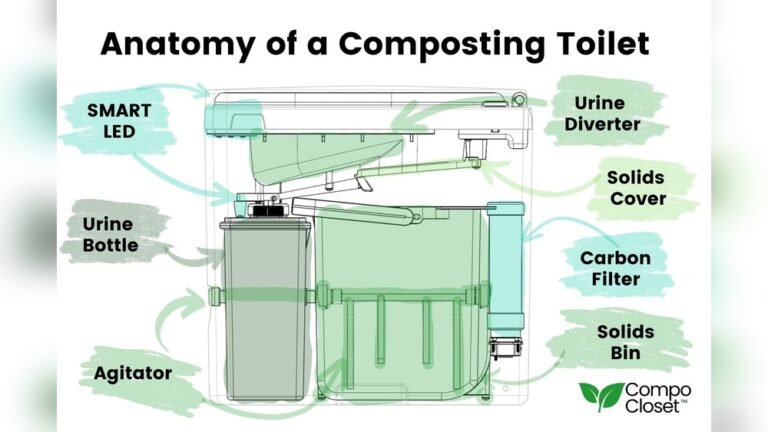
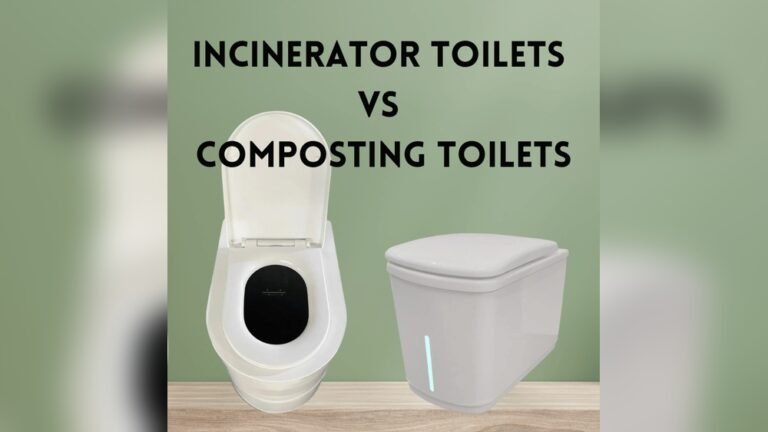
| Composting Toilets | 3–5 gallons (liquids and solids separate) | Off-grid, van life |
Bucket toilets are simple: just a lined bucket, sometimes with a seat. Flush toilets have a separate clean water tank and a waste holding tank. Composting toilets separate liquid and solid waste, which can extend the time before emptying, but the tanks are usually still small.
Factors That Affect Camping Toilet Capacity Choice
Not every camper has the same needs. Here’s what you should consider before buying or packing a toilet.
1. Group Size
More people = more waste. A solo hiker can use a smaller toilet, while a family will need a larger tank or more frequent emptying.
2. Trip Length
A weekend trip? Smaller is fine. A week in the wild? Bigger tank—or plan for emptying.
3. Camp Location
Are you near a dump station or public restroom? If yes, you can empty more often. Remote camps need larger capacity.
4. Weight And Portability
Bigger tanks are heavier, especially when full. Think about how far you’ll carry it.
5. Type Of Waste
Some people only use the toilet for urine (especially at night). If so, smaller works. If for all waste, size up.
6. Disposal Rules
Some parks require you to pack out all waste. Bag-based toilets are sometimes mandatory. Always check local rules.
Comparing Popular Camping Toilet Sizes
How does a 2-gallon compare to a 5-gallon model in real life?
| Capacity | Approx. Uses | Weight (Empty) | Best For |
|---|---|---|---|
| 2 gallons (7.5 L) | 4–6 | 4 lbs | Solo, overnight |
| 3.5 gallons (13 L) | 7–10 | 6 lbs | Couples, short trips |
| 5 gallons (19 L) | 10–12 | 9 lbs | Families, 2–3 day trips |
Notice: as tanks get bigger, the weight increases—especially when full. Carrying a full 5-gallon tank can be tough.
Common Mistakes When Choosing Toilet Capacity
Even experienced campers get this wrong. Here are some easy-to-make mistakes:
- Ignoring group size: Buying a toilet based on solo reviews for a group trip.
- Not planning for emptying: No dump station nearby means you need more capacity.
- Overestimating your carrying strength: Heavy tanks are hard to move.
- Choosing “bigger is better”: Large tanks can be a pain to clean and store.
- Forgetting about weather: Hotter days mean more odor, so smaller tanks fill faster (or smell worse).
A smart camper balances capacity, weight, and ease of use.

Credit: dry-flush.com
Real-world Advice: How To Pick The Right Capacity
Here’s how experienced campers figure out the best size—without guessing.
- Count your group and days away. Multiply people × days × average uses per day (about 4–5 per person).
- Plan for emergencies. Always have a little extra capacity.
- Remember: Emptying is not always easy. If you hate the idea of frequent cleaning, get a slightly larger size.
- Test at home. Use your toilet for a day or two before your trip. See how quickly it fills up.
Example: Two adults, 3-day trip: 2 people × 3 days × 5 uses = 30 uses. A 5-gallon toilet (10–12 uses) means you’ll empty it at least twice.
How To Make Capacity Last Longer
Worried your tank is too small? Here are some tricks to stretch its use:
- Use public toilets when available (save your tank for emergencies or nighttime)
- Separate liquids and solids if possible; liquids fill tanks faster
- Use toilet chemicals to reduce odors, so you can wait a bit longer before emptying
- Limit water use in flush toilets (if safe)
- Dispose of toilet paper separately (if local rules allow), as it fills tanks quickly
But never overfill! Risk of spills and leaks is not worth it.
Cleaning And Emptying: Why Capacity Impacts Effort
Larger tanks mean fewer trips to empty, but heavier and messier dumps. Smaller tanks are lighter but need more attention. Here’s what to expect:
- Small tanks: Easy to carry, quick to clean, but frequent emptying.
- Large tanks: Fewer dumps, but heavy and awkward, risk of spills if full.
- Bag toilets: No cleaning, but you must pack out all waste.
Always clean your toilet after emptying to avoid stains and smells. Use gloves, and rinse with water and a little soap if possible.
Environmental Impact: The Capacity Connection
Packing out waste is important for nature’s health. Overfilled or leaking toilets can pollute water and land. Bag-based toilets are best for fragile areas. High-capacity toilets are fine if you can empty them safely. Always follow Leave No Trace principles.
If you want more details about waste disposal rules, see the National Park Service guide.
Camping Toilet Capacity: Quick Decision Guide
Still not sure what size you need? Here’s a fast reference:
- Solo, 1–2 nights: 2-gallon (7–8 L)
- Couple, weekend: 3–4 gallons (11–15 L)
- Family, 2–3 nights: 5 gallons (19 L)
- Large group/multi-day: Multiple toilets or plan to empty often
- Ultralight/hiking: Bag-based toilet (1 use per bag)
Frequently Asked Questions
How Often Should I Empty My Camping Toilet?
Empty as soon as it’s three-quarters full, or at least every day for families. Never wait until it’s completely full—risk of leaks and smells increases.
What Happens If I Overfill The Toilet?
It can leak, crack, or spill when moving. Overfilled toilets are hard to clean and can damage the environment. Always leave space in the tank.
Can I Use Regular Trash Bags In A Bucket Toilet?
No, regular bags can tear and leak. Use thick, double-lined bags made for waste. Some have chemicals to reduce odor and break down waste.
Does Toilet Paper Affect Capacity?
Yes, toilet paper fills the tank quickly and can block valves. Use RV or quick-dissolve toilet paper, or pack it out separately if allowed.
Are There Rules For Emptying Camping Toilets?
Yes. Only empty at approved dump stations or toilets. Never dump waste in nature. Check park or campground rules for details.
Getting the right camping toilet capacity is a small detail that makes a big difference. Think about your group, trip length, and where you’ll camp. With a little planning, you’ll stay comfortable, clean, and ready for adventure—no more bathroom worries on your next trip.

Credit: www.satelliteindustries.com