How to Go Camping: A Beginner’s Guide
Figuring out how do you go camping isn't about memorizing a gear list. It’s about matching your setup to the environment and your experience level. Most beginners fail because they treat every trip like a backpacking expedition or ignore local weather patterns.
Start by deciding if you’re staying near amenities or venturing into the wild. This choice dictates everything from your toilet solution to your fire safety rules. As of 2026, dispersed camping regulations have tightened in many U.S. regions, making compliance crucial.
Let’s walk through the decision tree that keeps you safe and legal.
Start Here: Pick Your Camping Style Before You Buy Gear
Choosing the wrong style leads to wasted money and uncomfortable nights. Car camping lets you park next to your tent, allowing heavier gear and easy access to restrooms. Backpacking requires carrying everything on your back, demanding lightweight equipment and strict water planning.
Dispersed camping means setting up on public land without designated spots, often lacking facilities entirely.
If you’re new, stick to established campgrounds with potable water and flush toilets. This reduces stress and lets you focus on learning basic skills. For those seeking solitude, dispersed camping offers freedom but requires self-sufficiency.
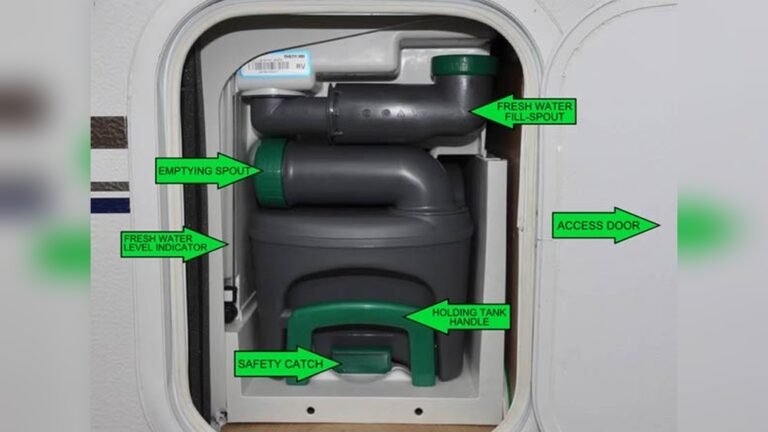
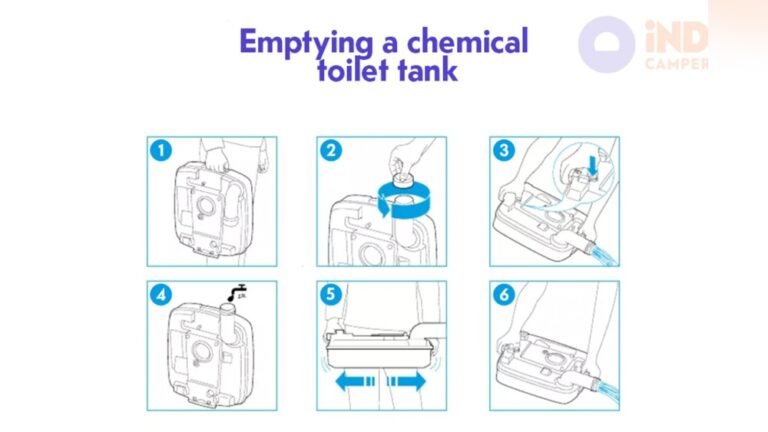
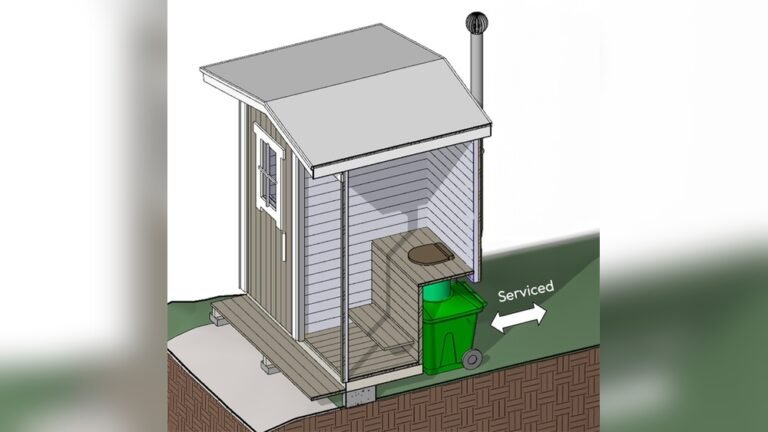
You’ll need to manage waste responsibly, which is why understanding portable toilet options matters early on.
| Style | Best For | Key Requirement | Waste Management |
|---|---|---|---|
| Car Camping | Beginners, Families | Vehicle Access | Flush Toilets/RV Dump |
| Backpacking | Experienced Hikers | Lightweight Gear | Pack Out/Cat Hole |
| Dispersed | Solitude Seekers | Self-Sufficiency | Portable Toilet/Bag It |
Glamping bridges the gap with pre-set shelters and luxury touches. However, true outdoor enthusiasts prefer the raw challenge of traditional setups. Decide your comfort threshold before purchasing a single item.
The Pre-Trip Reality Check: Weather, Permits, and Fire Bans
Ignoring local conditions is the fastest way to ruin a trip. Always check the National Oceanic and Atmospheric Administration (NOAA) forecast for your specific elevation. Temperatures drop roughly 3, 5°F per 1,000 feet gained, so valley forecasts can be misleading.
Fire bans change weekly based on drought levels and wind speeds. The Bureau of Land Management (BLM) and National Park Service (NPS) update restrictions on their official sites. If Stage 2 restrictions are active, wood fires are illegal, even in designated rings.
Propane stoves become your only cooking option.
Permits are non-negotiable in wilderness areas. Many national forests require free day-use passes or paid overnight permits via Recreation.gov. Fines for unauthorized camping can exceed $500.
Plan your route using offline maps since cell service rarely reaches remote sites. Consider bringing a satellite messenger if you venture far from roads.
Setting Up Camp Like a Pro: Site Selection and Pitching
Your site choice determines your night’s quality. Look for flat ground with natural drainage to avoid puddles during rain. Never pitch a tent under dead branches, known as "widowmakers," which can fall in high winds.
Stay at least 200 feet from water sources to protect aquatic ecosystems and comply with Leave No Trace principles.
Set up your kitchen area downwind and downhill from your sleeping zone. This prevents food smells from drifting into your tent, reducing wildlife attraction. Secure guy lines tightly; loose fabric collects condensation and leaks.
Use sand anchors or rocks instead of stakes in soft or rocky soil where standard pegs pull out easily.
If you’re using an RV or van, ensure level footing to prevent appliance damage. For tent campers, a footprint protects the floor from abrasion. Take your time here.
A poorly pitched tent fails when storms hit, turning a relaxing trip into a survival situation.
Food Safety and Wildlife Protocol: Protecting Yourself and Nature
Wildlife encounters escalate quickly when humans leave food accessible. Bears, raccoons, and rodents smell organic matter from miles away. Store all scented items, including toothpaste and sunscreen, in hard-sided vehicles or bear-resistant containers.
Hanging food is less effective against determined black bears unless done correctly at height and distance.
Use camping toilet chemicals properly if you rely on portable units. Improper disposal contaminates groundwater and attracts pests. In backcountry settings, pack out all trash, including biodegradable items like fruit peels.
They alter animal behavior and take years to decompose in cold climates.
Cook meals away from your sleeping area. Never eat inside your tent. This simple rule separates scent zones and keeps predators curious rather than aggressive.
Wash dishes with minimal soap and scatter greywater widely, never dumping it directly into streams. Respectful hygiene protects both you and the landscape.
Frequently Asked Questions About First-Time Camping
Do I need a permit for dispersed camping?
Often yes, especially in National Forests. Some areas require a America the Beautiful Pass or a specific wilderness permit. Check the local ranger district website before arriving.
Fees usually range from $5 to $15 per night. Ignoring this risks hefty fines and towing services.
How cold does it get at night in the mountains?
Temperatures can drop 20, 30°F below daytime highs. Even in summer, alpine zones see freezing nights. Bring a sleeping bag rated for 10°F lower than the forecast low.
Layer clothing and use a high R-value sleeping pad to insulate against the cold ground effectively.
Can I drink stream water without filtering?
No. Streams carry Giardia, Cryptosporidium, and bacteria from upstream animals or runoff. Untreated water causes severe gastrointestinal illness.
Use a pump filter, gravity system, or chemical tablets. Boiling for one minute kills pathogens but adds fuel weight. Always treat water before consumption.
What is the best way to handle human waste?
In campgrounds, use provided facilities. In the backcountry, dig a cathole six inches deep, at least 200 feet from water. Cover it completely after use.
Pack out toilet paper in sealed bags. Never bury waste in shallow holes or leave it exposed.