Camping World Winterization Cost: What You’ll Pay
If you’re wondering how much does camping world charge to winterize, expect a bill between $200 and $500. The final price depends heavily on your RV’s length, location, and chosen service tier. Most owners pay around $300 for standard protection on a typical travel trailer.
Our research shows regional labor rates drive these fluctuations more than parts costs. A 2026 analysis of service center quotes reveals the Midwest often charges less than the Northeast. You’ll save money by booking early in the season before demand spikes.
Let’s break down exactly what goes into that invoice.
What You’ll Actually Pay: The Real Cost Breakdown for Camping World Winterization
Camping World doesn’t have a single national flat rate for winterization services. Instead, they use a tiered pricing model based on package complexity and vehicle size. As of 2026, most customers report paying between $250 and $450 for comprehensive coverage.
This includes draining water lines, adding antifreeze, and protecting seals.
The base cost usually covers labor and basic materials like propylene glycol antifreeze. However, larger rigs incur higher fees due to increased line volume and time requirements. A 30-foot fifth wheel will naturally cost more than a 19-foot pop-up camper.
Always ask for an itemized estimate before dropping off your keys.
Typical Package Tiers and Costs
| Service Tier | Estimated Cost (USD) | Key Inclusions | Best For |
|---|---|---|---|
| Basic | $200 – $280 | Water drain, antifreeze in lines | Mild climates, short storage |
| Standard | $280 – $380 | Adds seal lubrication, battery disconnect | Average seasonal storage |
| Premium | $380 – $500+ | Roof inspection, tire care, fuel stabilizer | Harsh winters, long-term storage |
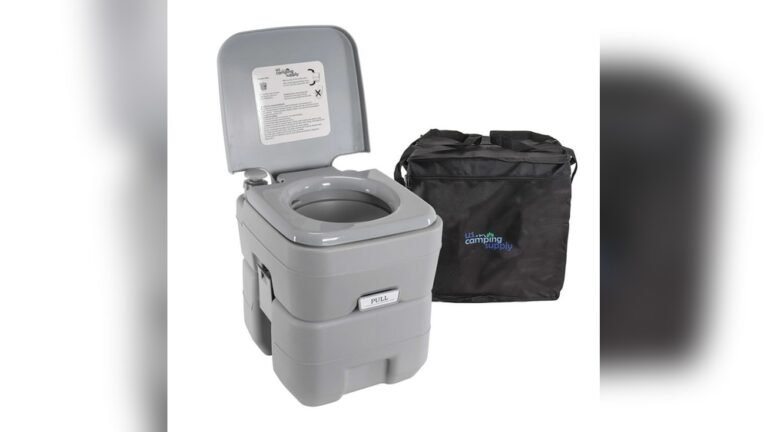
These figures represent median prices from aggregated user reports across various regions. Independent mechanics often charge slightly less, but lack corporate liability coverage. If you need help with keeping your portable toilet from freezing during storage, note that this is rarely included in standard RV packages.
Why Your Bill Might Be Higher Than the Ad: Hidden Fees and Regional Variances
Advertising specials often exclude mandatory add-ons that significantly inflate the final total. Many locations charge extra for tankless water heaters or complex plumbing setups found in newer models. These systems require specialized bypass kits that aren’t always part of the base labor agreement.
Geographic location plays a massive role in determining your hourly labor rate. Service centers in high-cost-of-living areas like California or New York charge upwards of $125 per hour. Conversely, shops in Texas or Florida may hover closer to $75 per hour.
This variance can swing your total bill by over $100 for identical work.
Common Upsells to Watch For
- Battery Tender Installation: Often added automatically if your battery looks weak.
- Tire Sealant Application: Marketed as essential for preventing dry rot during storage.
- Slide-Out Lubrication: Sometimes billed separately despite being critical for mechanical function.
- Environmental Disposal Fees: Charged for proper handling of old fluids and waste water.
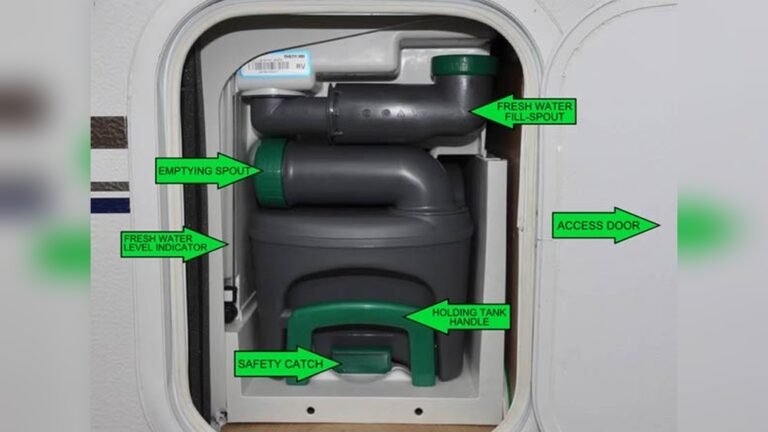
You might also encounter fees for disposing of black and gray tank waste properly. Ensure you’ve already dumped your holding tanks before arrival to avoid extra cleaning charges. Understanding where to dump portable toilet waste beforehand saves you both time and money at the shop.
Is It Worth It? Comparing Professional Service vs. DIY Kits
Professional winterization offers peace of mind and liability protection that DIY methods cannot match. If a technician misses a spot and your pipes burst, Camping World typically covers repair costs under their service guarantee. This insurance aspect alone justifies the premium for many full-time travelers.
DIY winterization kits cost roughly $50 to $100 in materials, saving you hundreds in labor. However, they demand significant time, physical effort, and technical knowledge. Mistakes are common for first-timers, particularly regarding p-trap protection and city water connections.
Pros and Cons Analysis
Professional Service:
- Pros: Guaranteed workmanship, faster turnaround, proper disposal compliance.
- Cons: Higher upfront cost, scheduling delays during peak season.
DIY Approach:
- Pros: Significant cost savings, flexible timing, educational experience.
- Cons: Risk of missed spots, no warranty on damages, messy process.
For those unsure about their plumbing skills, hiring a pro is safer. But if you’re comfortable using compressed air, you can handle it yourself. Just remember that even with DIY, you still need to manage your campsite sanitation effectively, including knowing which camping toilet chemicals work best for breaking down waste during storage prep.
How to Get an Accurate Quote Before You Drop Off Your RV
Call your local Camping World service center directly rather than relying on online calculators. Phone estimates allow technicians to account for specific rig quirks that generic forms miss. Provide your exact make, model, and length when asking for a quote.
Ask specifically whether the quoted price includes all labor and parts. Some shops list low base rates but add substantial markups for antifreeze volume or specialty fittings. Request a written estimate via email to prevent surprise charges upon pickup.
Checklist for Calling the Shop
- Confirm current availability and lead times for October through November.
- Ask if there are any seasonal promotions or bundle deals active now.
- Verify if roof inspections or tire checks are included in the base fee.
- Clarify the policy for additional repairs discovered during service.
Booking early avoids the frantic rush of late autumn when slots fill up fast. Early birds often secure better rates before holiday staffing shortages occur. Also, ensure your external accessories are secured; loose items can complicate the tech’s workflow.
Consider reviewing must-have camping toilet accessories to ensure everything inside is stowed correctly before transport.
Frequently Asked Questions
Does Camping World offer discounts for military or seniors?
Yes, many locations honor military and senior citizen discounts on labor portions of the service. These reductions typically range from 10% to 15% off the total bill. Always bring valid identification to claim these savings at checkout.
Policies vary by franchise owner, so verify eligibility when you call for your initial quote.
Can I leave my RV for winterization without dumping tanks first?
No, you must empty fresh, gray, and black water tanks before drop-off. Shops charge extra fees to dispose of hazardous waste if tanks are full. Failing to do so violates environmental regulations and incurs heavy penalties.
Clean out your holding tanks thoroughly to avoid unexpected surcharges on your final invoice.
How long does the entire winterization process take?
Professionals usually complete the job within three to four hours. Complex rigs with multiple slide-outs or tankless heaters may take longer. You can often drop off in the morning and pick up later that afternoon.
Schedule accordingly if you need immediate transportation alternatives while your unit is serviced.
What happens if my pipes freeze after professional winterization?
Camping World generally covers repair costs if their negligence caused the failure. You must report the issue immediately and provide proof of temperature drops. Keep records of weather events to support your claim effectively.
Without documentation, proving fault becomes difficult for both parties involved in the dispute resolution.