How to Dispose of Human Waste from Portable Toilets Safely
Going camping is fun—until you have to deal with what’s left in your portable toilet. Many people feel lost and a bit grossed out. The smell, the mess, and the rules can all be confusing. You want to do the right thing, but don’t want trouble, fines, or polluting nature.
If you’ve ever wondered, “How do I safely get rid of human waste from a portable toilet? ”—you’re not alone.
Why Proper Human Waste Disposal Matters
Leaving waste in the wrong place can harm water, land, and even animals. Portable toilets make life easier outdoors, but they must be emptied the right way. Not following the rules can spread diseases and ruin campsites. Some parks have closed areas because of poor waste handling. Fines for illegal dumping can be over $500 in some US states. Proper disposal keeps nature clean and safe for everyone.
Understanding Portable Toilets
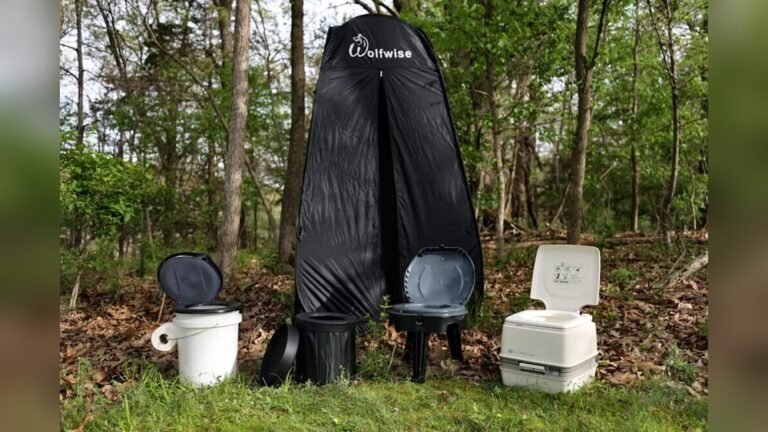
Portable toilets come in many types. Most common are:
- Cassette toilets: Used in RVs and boats. Waste is stored in a removable tank.
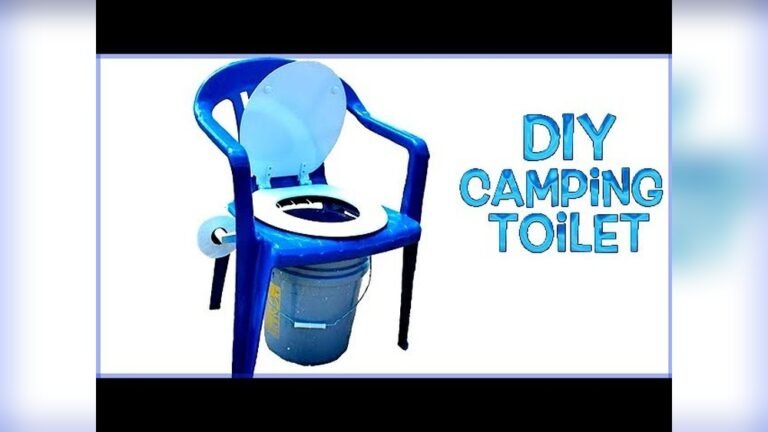
- Bucket toilets: Simple and cheap. Waste is collected in a lined bucket.
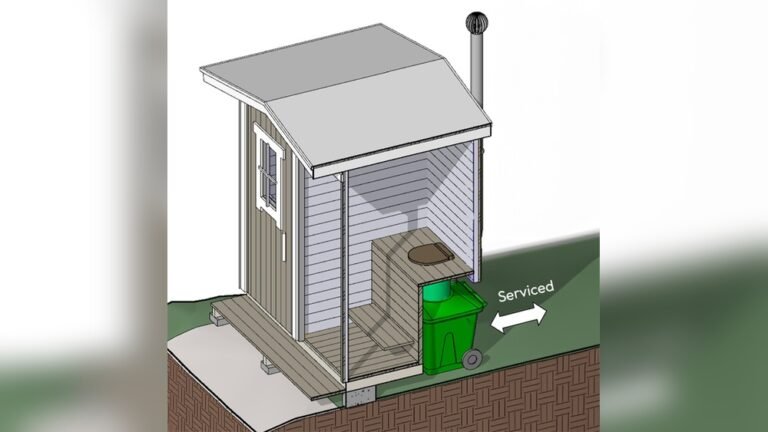
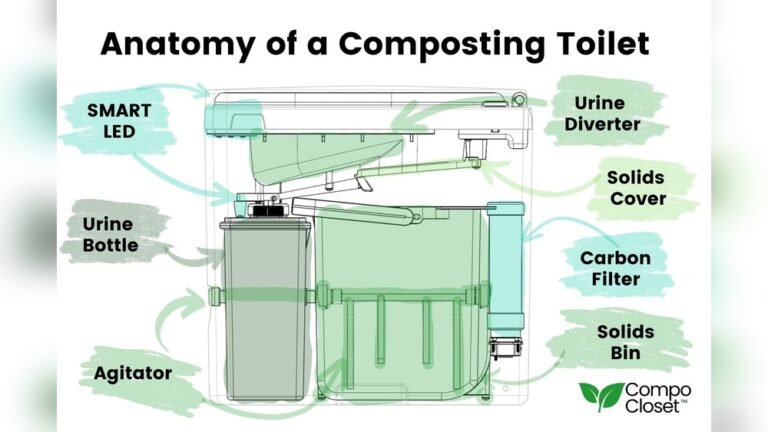
- Composting toilets: Turn waste into compost using special materials.
- Bag-based toilets: Use a bag with chemicals to trap waste.
Each type has its own way to be emptied. Knowing yours helps you pick the safest disposal method.
How Portable Toilets Store Waste
Most portable toilets use chemicals to break down solids and control smell. Some use special bags or powders. The tank or bag fills up after a few uses. Don’t wait until it’s full—it’s harder and messier to empty.
Where You Can Legally Dispose Of Human Waste
It’s illegal to dump waste in the woods, rivers, or public land. Always use approved spots. Here’s where you can go:
1. Rv Dump Stations
Found at campgrounds, truck stops, and rest areas. Special drains take waste safely to treatment plants.
2. Public Toilets And Restrooms
Some allow you to empty small portable tanks into regular toilets. Always check signs or ask staff.
3. Septic Systems At Home
For small amounts, you can flush waste down your home toilet. Never pour chemicals that harm septic tanks.
4. Municipal Treatment Plants
Some towns let you bring waste tanks for safe disposal.
5. Service Companies
Some businesses collect and handle portable toilet waste for a fee.
Never dump waste near water, on the ground, or in storm drains. This can cause pollution and health problems.
Here’s a quick comparison of common disposal locations:
| Location | Allowed Toilet Types | Extra Fees? | Open Year-Round? |
|---|---|---|---|
| RV Dump Station | Cassette, Bucket, Composting | Sometimes | Yes (most) |
| Public Restroom | Small Cassette, Bag-based | No | Yes |
| Home Septic/Toilet | Bucket, Cassette, Bag-based | No | Yes |
| Service Company | All Types | Yes | Yes |
Step-by-step Guide To Safe Disposal
The right way to empty your portable toilet depends on its type. Here’s a simple process that works for most:
1. Wear Gloves And Protective Gear
Waste can carry bacteria and viruses. Always wear disposable gloves and old clothes. A mask is also a good idea if you’re sensitive to smells.
2. Move To An Approved Dump Spot
Plan ahead. Find the nearest dump station or allowed toilet before you camp or travel. Many campground maps show these spots.
3. Prepare Your Portable Toilet
- For cassette toilets, unlock and remove the waste tank.
- For bucket toilets, tie up the liner bag.
- For bag toilets, check if the bag is leak-proof.
4. Empty Waste Carefully
- For tanks, pour waste slowly into the dump hole or toilet.
- Hold the tank low to avoid splashing.
- For bags, place the sealed bag into a trash bin if allowed. Some bags are landfill-safe; check the label.
5. Rinse And Clean
- Rinse the tank or bucket with water.
- Add more chemical if needed.
- Wipe all surfaces with disinfectant.
6. Wash Your Hands
Even with gloves, always wash hands after disposal.
Here’s a practical comparison of disposal steps for different toilet types:
| Toilet Type | Disposal Method | Extra Cleaning? | Special Notes |
|---|---|---|---|
| Cassette | Dump station, home toilet | Yes, rinse tank | Use chemical only as allowed |
| Bucket | Bag to landfill, contents to dump station | Yes, clean bucket | Never dump bag in nature |
| Composting | Compost bin, dump station (liquid only) | Yes, add bulking agent | Check local compost rules |
| Bag-based | Landfill (if allowed) | No | Seal bag tightly |

Credit: www.polesandholes.com.au
Essential Supplies And Tools
Disposing of waste is much easier with the right tools:
- Disposable gloves: Protect your hands.
- Face mask: Helps with bad smells.
- Disinfectant wipes: Clean spills and surfaces.
- Rinse water: Use for tanks or buckets.
- Waste chemicals: Control smell and break down solids.
- Sealable bags: For bucket and bag toilets.
- Hand sanitizer: Use after handling waste.
A non-obvious tip: Carry a small bottle of odor neutralizer spray. A few sprays after dumping can make a big difference.
How To Find Dump Stations And Disposal Sites
Many people don’t know where to look for dump stations. Here are some easy ways:
- Campground maps: Usually show dump station locations.
- RV park directories: Many websites and apps list places to dump waste.
- Gas stations/truck stops: Some have dump stations (look for signs).
- Visitor centers: Staff can tell you where to go.
A good resource is the Sanidumps website, which lists dump stations across the US and Canada.
Credit: support.joolca.com
What Not To Do: Common Disposal Mistakes
Some mistakes can be expensive or harmful. Watch out for these:
1. Dumping In Nature Or Storm Drains
This is illegal and dangerous for water and wildlife.
2. Not Using The Right Chemicals
Some chemicals can harm septic systems or the environment. Use only approved brands.
3. Waiting Too Long To Empty
Overfilled tanks spill easily, smell worse, and are harder to clean.
4. Mixing Trash With Waste
Don’t put wipes, pads, or trash in the tank. These clog pipes and dump stations.
5. Ignoring Local Rules
Always check what’s allowed in your area. Fines are common if you break the law.
Eco-friendly Disposal Tips
Caring for the environment is important. Here are simple ways to be greener:
- Use biodegradable bags for bucket toilets.
- Choose eco-friendly chemicals that break down safely.
- Try a composting toilet if you camp often. Solids turn to compost, liquids can be dumped (where allowed).
- Never dump wipes, trash, or plastics with waste.
- Always pick up after pets, too—pet waste also pollutes.

Credit: www.treelinereview.com
Real-world Example: Weekend Camping Trip
Let’s say you’re camping at a state park with a family. You use a bucket toilet with liners for two days. Here’s what you do:
- At the end, tie up the full waste bag.
- Check the park map for a dump station or ask staff.
- If allowed, place the sealed bag in the trash. If not, drive to a nearby RV dump station.
- Rinse your bucket with water and disinfectant.
- Wash your hands and pack up.
By planning ahead, you avoid trouble, mess, and fines.
How Often Should You Empty A Portable Toilet?
This depends on size and use. Most cassette toilets need emptying every 2–3 days for a family of four. Bucket toilets fill up after 3–5 uses. Don’t wait until the last minute—emptying sooner is always cleaner and easier.
Laws And Regulations You Need To Know
Rules change by state and country. In the US:
- It is illegal to dump human waste on the ground or in water.
- Fines for illegal dumping can reach $2,000.
- National parks require you to pack out all waste.
- Some parks offer free disposal; others charge a fee.
Check local laws before you travel. Many national and state parks have clear signs about waste disposal.
Portable Toilet Disposal: Quick Reference
Here’s a quick summary for fast answers:
- Never dump waste in nature.
- Always use approved dump stations or toilets.
- Wear gloves, clean your equipment, and wash hands.
- Use safe chemicals and eco-friendly bags.
- Plan your route to include disposal stops.
Frequently Asked Questions
How Do I Find A Dump Station Near Me?
You can search online or use RV apps to locate dump stations. Many campgrounds and RV parks have them. Staff at parks or visitor centers can also help.
Can I Put Portable Toilet Waste In My Home Toilet?
Yes, for small amounts, you can flush waste down your toilet. Do not flush chemicals that harm septic systems. Check the label before pouring.
Are Biodegradable Bags Safe For Landfills?
Many biodegradable toilet bags are designed to break down in modern landfills. Always check the label. Never dump bags in nature.
How Do I Reduce Bad Smells When Emptying A Toilet?
Use odor-control chemicals, empty the toilet often, and rinse it after each use. A mask or odor-neutralizer spray can also help.
What Happens If I Dump Waste Illegally?
Illegal dumping can lead to fines, bans from parks, and pollution. Some states fine up to $2,000. Always use legal, approved disposal sites.
Getting rid of human waste from portable toilets isn’t fun, but it’s easy with the right steps. Planning ahead, knowing the rules, and using safe equipment keeps you, your family, and nature happy. Always choose safe, legal disposal—and your next trip will be much more enjoyable.