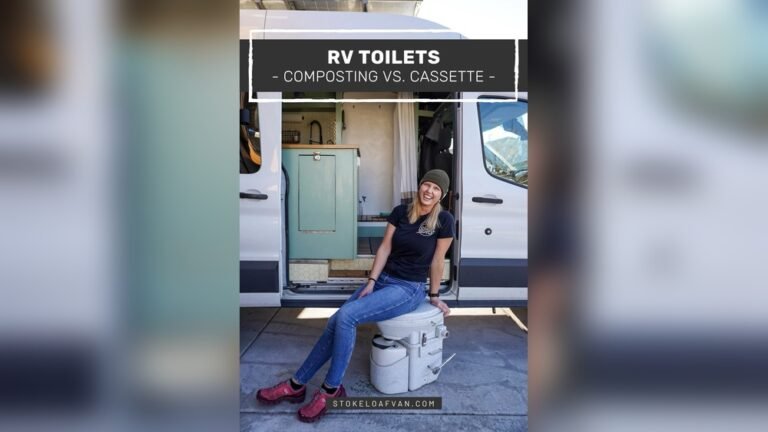
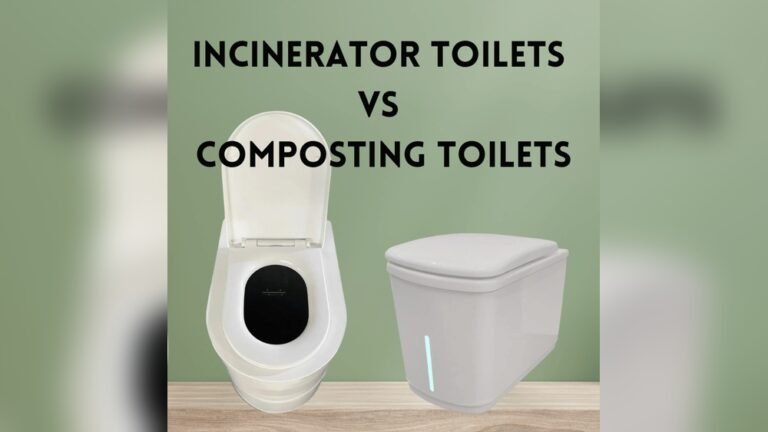
Composting Toilet Vs Black Tank: Which Is Best for Your RV?
Composting Toilet Vs Black Tank: Which Is Right For You?
Choosing the right toilet for your RV, tiny house, or off-grid cabin is a big decision. For many, it comes down to composting toilets and black tanks. Both have clear benefits and some drawbacks. But which is better for you? This guide breaks it all down in plain language, so you can make a confident choice.
What Is A Composting Toilet?
A composting toilet turns human waste into compost. It uses little or no water. Inside, waste mixes with material like sawdust or coconut coir. Good bacteria break down the waste. The final product is a dry, soil-like compost that is safe to handle after proper processing.
- No plumbing is needed
- Odor control is good if used right
- Needs regular emptying (every few weeks, depending on use)
What Is A Black Tank?
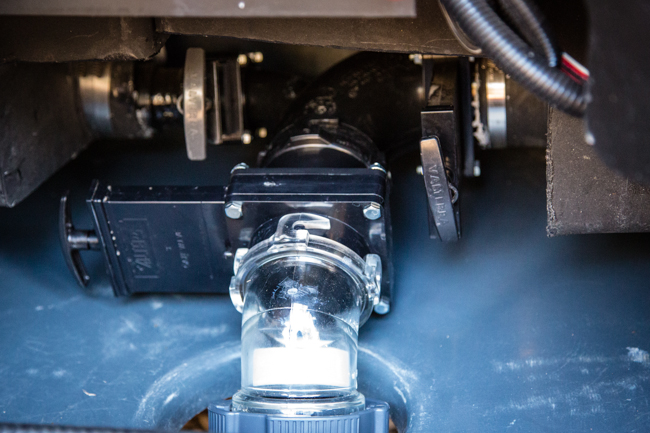
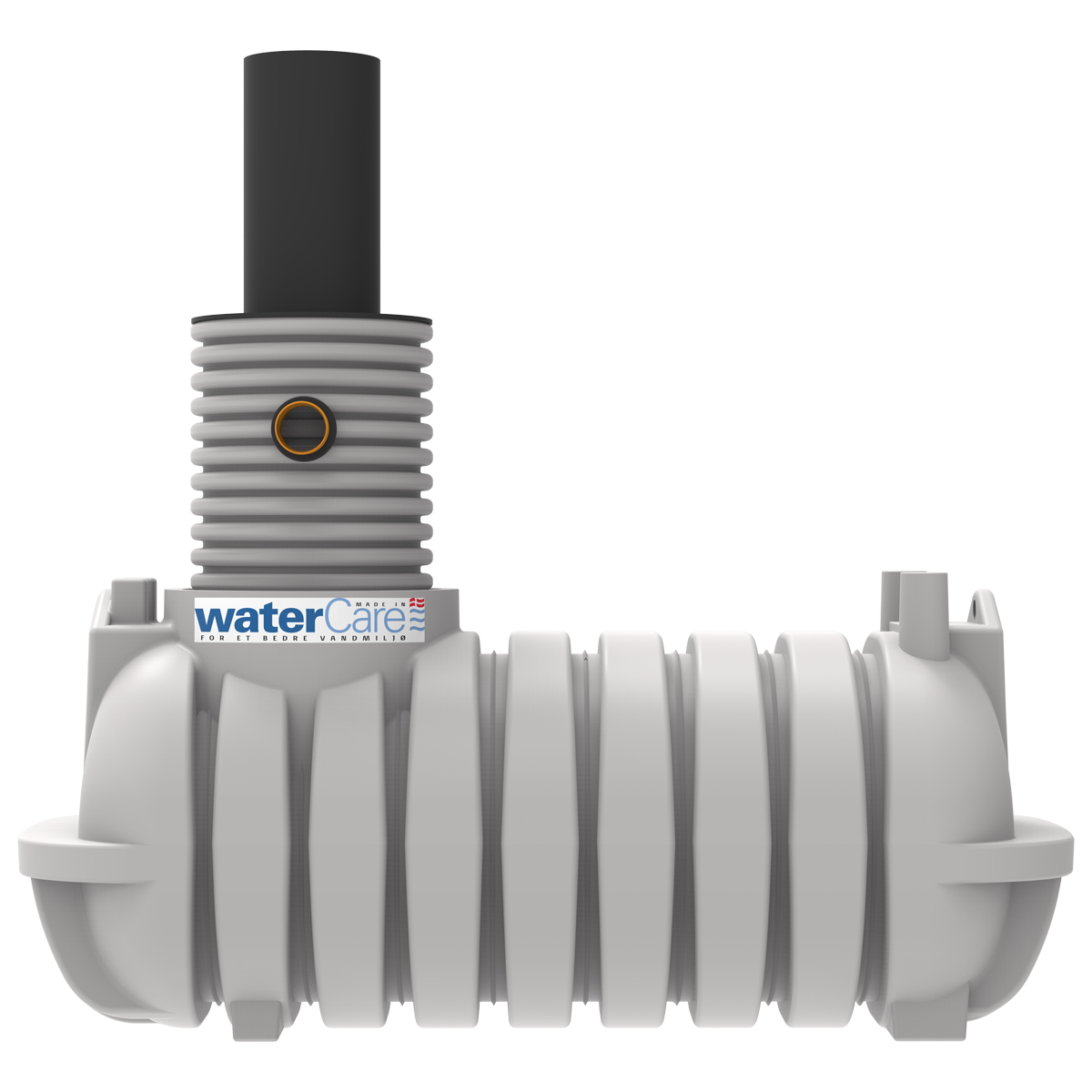
A black tank is a storage tank for toilet waste in RVs and boats. It collects all waste and water from the toilet. The tank sits under the vehicle and is emptied at a dump station.
- Needs water to flush
- Can hold 10–50 gallons, depending on the model
- Must be emptied and cleaned often
How Composting Toilets Work
Composting toilets have a simple system:
- Waste drops into a composting chamber.
- A cover material (like sawdust) is added after each use.
- A fan pulls air through, drying the waste and reducing odor.
- Solids and liquids are usually kept separate. This prevents smells and speeds up composting.
- Every few weeks, the bin is emptied. Compost can be buried or processed further.
Non-obvious tip: Liquid diverters are key. Keeping pee separate stops most toilet smells.
How Black Tanks Work
Black tanks use water and chemicals:
- Waste and flush water go into the tank.
- Chemicals break down waste and control odor.
- When full, the tank is emptied at a dump station using a special hose.
- The tank must be rinsed to prevent clogs and smells.
Non-obvious tip: Using the right chemicals matters. Some chemicals can harm septic systems or the environment.
Key Comparison: Composting Toilet Vs Black Tank
Here is a side-by-side look at important features:
| Feature | Composting Toilet | Black Tank |
|---|---|---|
| Water Use | Very little or none | High (1-2 gallons per flush) |
| Odor Control | Good (if used right) | Varies (can smell if not cleaned) |
| Waste Disposal | Compost, bury, or trash (check local laws) | Dump station required |
| Maintenance | Empty solids bin every 2–4 weeks | Empty tank every few days to week |
| Installation | Easy, no plumbing needed | Needs plumbing and venting |
| Cost | $800–$1,500 (one-time) | $300–$1,000 + regular chemicals |
Advantages Of Composting Toilets
1. Saves Water
Composting toilets use little or no water. This is perfect for off-grid living or dry areas.
2. Off-grid Freedom
No plumbing is needed. You can install them almost anywhere.
3. Lower Environmental Impact
No blackwater to treat or dump. Finished compost is less harmful to the environment.
4. Fewer Dump Trips
You empty the compost bin less often than a black tank. For two people, it may last 2–4 weeks.
5. Odor Control
When used right, composting toilets smell less than black tanks. The key is separating liquids and solids.
Advantages Of Black Tanks
1. Feels Like A Regular Toilet
Black tanks use water to flush. The experience is close to a standard home toilet.
2. Large Waste Capacity
They can hold more waste than most composting toilets. Good for families or groups.
3. Easy Disposal At Dump Stations
At RV parks or campgrounds, black tanks are easy to empty.
4. Low Upfront Cost
Most RVs come with a black tank. Replacing or repairing costs less than many composting toilets.
Disadvantages Of Composting Toilets
1. Learning Curve
You must learn how to use and maintain them. Some people are uncomfortable handling compost.
2. Upfront Cost
Composting toilets cost more to buy. Prices range from $800 to $1,500 for a quality unit.
3. Needs Proper Use
If you add too much liquid or don’t empty in time, smells can develop.
4. Local Laws
Some places do not allow composting toilet waste in household trash. Always check local rules.

Credit: www.campgroundviews.com
Disadvantages Of Black Tanks
1. Uses Lots Of Water
Each flush uses 1–2 gallons. Bad for dry camping or off-grid use.
2. Regular Dumping Required
Tanks fill fast. You must find a dump station every few days.
3. Potential For Smells
If tanks aren’t cleaned well, odors can be strong.
4. Can Clog
Toilet paper and waste can clog the system. Fixing a clog is messy and hard.
Real-world Example
Anna and her family live full-time in their RV. They started with a black tank but switched to a composting toilet. Their water use dropped by over 30%. They now go three weeks between emptying waste, instead of every four days.
Anna says the switch saved money on dump fees and water, but it took time to get used to handling compost.
Credit: www.gonewiththewynns.com
Who Should Choose A Composting Toilet?
- Off-grid cabin owners
- Tiny house dwellers
- RVers who boondock or camp away from hookups
- People in dry climates
If you want to save water, reduce environmental impact, and don’t mind a little extra work, a composting toilet is a good choice.
Who Should Choose A Black Tank?
- RVers staying in campgrounds with hookups
- Large families or groups
- People who want a “normal” toilet experience
- Those who don’t want to handle compost
If you travel between RV parks or campgrounds, a black tank is easy and familiar.
Common Myths And Facts
Myth: Composting Toilets Always Smell
Fact: When used right, they smell less than black tanks. The secret is keeping solids and liquids separate.
Myth: Black Tanks Are Maintenance-free
Fact: They need regular cleaning and chemicals. Forgetting can mean bad smells and clogs.
Myth: Composting Toilets Are Illegal
Fact: Many states allow them. Always check local rules, but most places let you use them if waste is handled correctly.
Cost Breakdown
Here’s a simple cost comparison over one year for each system:
| Expense | Composting Toilet | Black Tank |
|---|---|---|
| Upfront Cost | $1,200 | $500 |
| Annual Maintenance | $40 (coco coir, cleaning) | $120 (chemicals, hoses, cleaning) |
| Water Cost | $0 | $50–$150 (depends on use) |
| Dump Fees | $0–$20 | $60–$120 |
Environmental Impact
Composting toilets are much greener. They save water, reduce pollution, and create usable compost. Black tanks need water and create blackwater, which needs treatment. Some chemicals for black tanks can harm the environment if not handled right.
Installation And Space
Composting toilets are light and easy to install. They need only a vent fan and a small space. Black tanks need plumbing, space under the floor, and are harder to add to an existing vehicle or cabin.
Practical Tips
- Always use the right cover material in composting toilets (like coco coir or sawdust).
- Clean black tanks with a tank wand or flush system every month.
- Never put wipes or feminine products in a black tank—they clog easily.
- For composting toilets, keep the vent fan running to reduce moisture and odor.
Data: Popular Models Compared
Here’s a look at common models and their features:
| Model | Type | Capacity | Water Use | Odor Control |
|---|---|---|---|---|
| Nature’s Head | Composting | 2 people / 3 weeks | None | Very Good |
| Dometic 310 | Black Tank | 40 gallons | 1–2 gal/flush | Good (with chemicals) |
| Separett Villa | Composting | 3 people / 3 weeks | None | Excellent |
| Thetford Aqua-Magic | Black Tank | 35 gallons | 1 gal/flush | Fair |
Final Thoughts
Choosing between a composting toilet and a black tank depends on your lifestyle. Composting toilets are best for saving water, off-grid use, and reducing your footprint. Black tanks are better if you want a traditional toilet and stay near dump stations. Both need care and proper use. Think about where you’ll use your toilet, how much water you have, and what you’re comfortable handling. Don’t forget to check local laws before installing a composting system.
If you want more technical details, the Wikipedia page on composting toilets is a great resource.
Frequently Asked Questions
What Happens To Waste In A Composting Toilet?
Waste breaks down naturally with the help of bacteria. The end result is compost, which looks and feels like dry dirt. It must be disposed of according to local rules.
How Often Do You Empty A Black Tank?
For two people, usually every 3–5 days. Large tanks or fewer users may last longer. Always empty before traveling long distances.
Do Composting Toilets Smell Bad?
If used correctly, composting toilets do not smell bad. The key is separating liquids and using enough cover material.
Can I Switch From A Black Tank To A Composting Toilet In My Rv?
Yes, many RVers make this switch. You may need to block old pipes and add a vent for the composting toilet.
Are Composting Toilets Legal Everywhere?
No, some places restrict how you can dispose of composted waste. Always check local laws before installing one.
Credit: watercare.dk