Composting Toilet vs Pit Toilet: Which Is Best for You?
Many people struggle with smelly, hard-to-maintain toilets when they live off the grid, camp, or try to go green. Choosing the wrong toilet system can mean dealing with bad odors, messy cleanup, and even unsafe waste. It’s easy to feel lost comparing options like composting toilets and pit toilets. Which is really better for your health, your wallet, and the planet? Let’s make this choice simple, clear, and stress-free.
What Is A Composting Toilet?
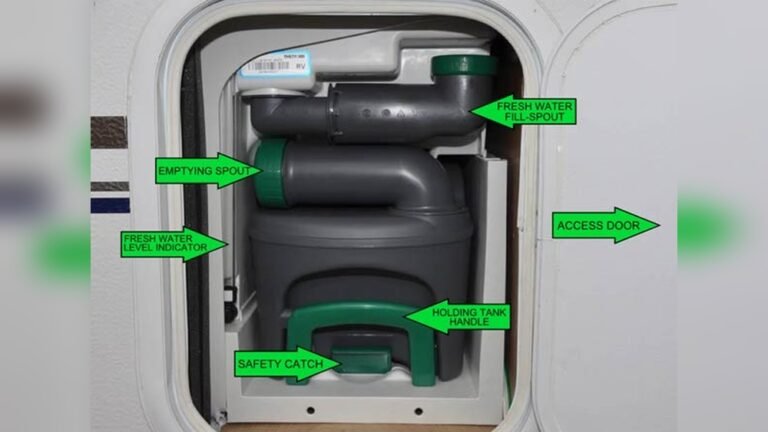
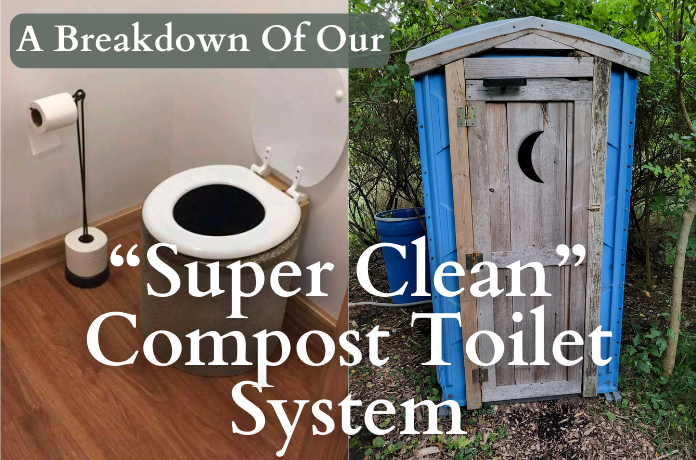
A composting toilet is a dry toilet that uses natural processes to break down human waste. It does not use water like a regular flush toilet. Instead, it turns waste into compost by using air, time, and sometimes special materials like sawdust. Many modern composting toilets have fans, urine separators, and easy-to-remove bins.
The goal is to turn waste into something safe and useful, like fertilizer for plants. These toilets are popular in tiny homes, cabins, boats, and eco-friendly houses. They are also used where water is hard to get or septic systems are not possible.
What Is A Pit Toilet?
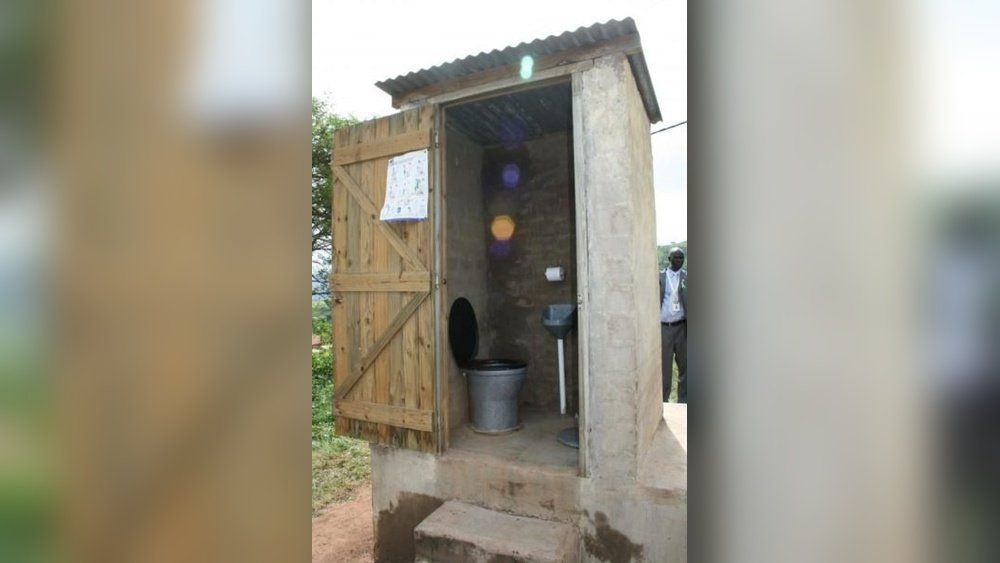
A pit toilet is a simple toilet with a hole dug into the ground. Waste drops into the pit below. Sometimes there is a seat or small shelter above the hole. Pit toilets are common in parks, campgrounds, and rural areas worldwide.
There is no water used. Once the pit fills up, it is either covered with soil or emptied by hand or machine. Pit toilets are cheap and easy to build, but they can smell and attract insects if not managed well.
How Do They Work?
Composting Toilet Process
- Waste falls into a collection chamber.
- Covering material (like sawdust) is added after each use.
- The chamber allows air to flow, helping bacteria break down the waste.
- Over weeks or months, the waste turns into compost.
- Finished compost can be removed safely if the system works well.
Some composting toilets also separate urine from solid waste. This helps reduce smell and makes composting faster.
Pit Toilet Process
- Waste drops straight into a deep hole in the ground.
- There is little or no air flow.
- Waste stays in the pit, slowly breaking down with natural bacteria.
- When the pit is full, it must be covered or emptied.
There is no turning of waste, so the breakdown is slow. Smells and insects are common.
Comparing Composting Toilet Vs Pit Toilet
To help you see the main differences, here’s a quick comparison.
| Feature | Composting Toilet | Pit Toilet |
|---|---|---|
| Water Use | None or very little | None |
| Odor Control | Good (if used right) | Poor (often smells) |
| Setup Cost | Higher | Low |
| Maintenance | Regular (empty compost bin) | Low, but pit must be moved or emptied |
| Environmental Impact | Low, makes compost | Can pollute soil/water |
| Portability | Portable models available | Fixed in place |
Pros And Cons Of Composting Toilets
Advantages
- Eco-friendly: Turns waste into safe compost and does not pollute water.
- No water needed: Saves water, good for dry areas.
- Odor control: Most have fans and use cover material, so less smell.
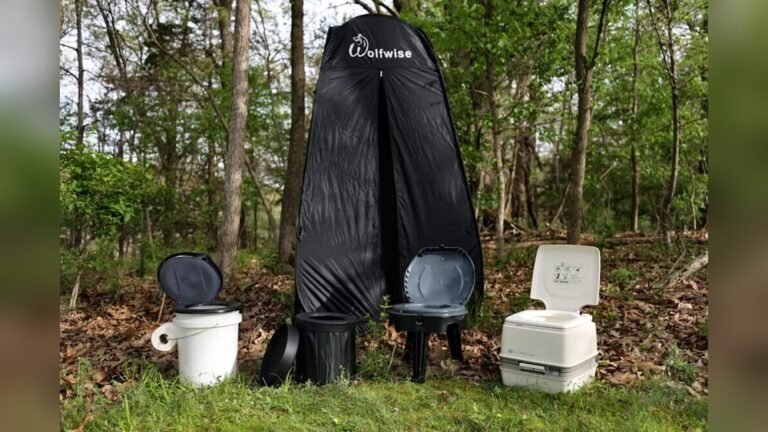
- Portable: Many models can be moved or used in RVs, boats, and tiny homes.
- Legal in many places: Some building codes allow them as septic alternatives.
Disadvantages
- Higher cost: Buying and installing a good composting toilet costs more.
- Regular maintenance: You must empty the compost bin and add cover material.
- Learning curve: It takes a little time to learn the right way to use and clean it.
- Limited capacity: Some models fill up fast, not ideal for large families without frequent emptying.
Pros And Cons Of Pit Toilets
Advantages
- Low cost: Simple to build, no special equipment needed.
- Easy to use: Just dig a hole and put a seat or shelter over it.
- Low maintenance (short term): No parts to break or clean daily.
Disadvantages
- Odor problems: Often smells bad, attracts flies and other insects.
- Environmental risk: Can leak waste into soil, polluting groundwater.
- Not portable: You can’t move a pit toilet easily.
- Health risks: Germs and parasites can spread if the pit is too shallow or floods.
- Not legal everywhere: Some towns and parks do not allow new pit toilets.
Costs: Which Is Cheaper?
Let’s look at the costs for both options.
Composting Toilet
- Buy cost: $600–$2,000 for a good unit.
- Installation: Some DIY, some need pro help.
- Upkeep: Buy cover material (like sawdust), sometimes electricity for fans.
- Lifespan: 10+ years if cared for.
Pit Toilet
- Build cost: $50–$300 (mostly tools and labor).
- No running costs (unless you hire someone to empty it).
- Lifespan: Until the pit fills up (can be years or just months, depends on use).
Note: If you move or the water table rises, you may need to dig a new pit.
Which Is Better For The Environment?
This is a key point for many people.
- Composting toilets create compost, which can feed soil and plants. They do not waste water or leak waste.
- Pit toilets can leak waste into the ground. If near water, germs and chemicals can pollute wells or rivers.
If you want to leave no trace and protect nature, a composting toilet is usually better.
Health And Safety
Composting Toilet
- If used right, the compost is safe to handle. It kills germs over time.
- The system is closed, so flies and insects can’t reach the waste.
- There is little risk of groundwater pollution.
Pit Toilet
- Flies and insects can land on waste and spread disease.
- If the pit is too close to water, germs can get into wells or streams.
- Pits can fill with rainwater and overflow, causing health hazards.
Smell: Which Is Easier To Live With?
Composting toilets smell much less if used correctly. Fans and cover material reduce odor. Some users even say their bathroom smells better than with a flush toilet.
Pit toilets often smell bad, especially in hot weather. It’s hard to keep the smell down unless you use chemicals or special building methods, which most people do not.

Credit: berriesandbarnacles.com
Ease Of Use And Maintenance
Composting Toilet
- Needs to be emptied regularly—some every few weeks, others every few months.
- You need to add cover material after each use.
- Some models have moving parts, like fans, which can break but are easy to replace.
Pit Toilet
- Needs almost no day-to-day work.
- When full, you must dig a new pit or pay someone to empty it.
- Can attract animals or insects.
Where Can You Use Each Type?
- Composting toilets are good for cabins, tiny homes, boats, RVs, and anywhere you can’t use a septic tank.
- Pit toilets are common in parks, rural areas, and campsites where it’s legal and the soil is right.
Not all cities or parks allow pit toilets. Always check local rules before building.
Real-life Examples
- National parks in the US often use composting toilets in remote areas to reduce pollution and labor. For example, the Appalachian Trail has many composting toilets at shelters.
- In rural Africa and Asia, pit toilets are common because they are cheap and easy to build. But some communities are switching to composting toilets to protect water sources.
User Mistakes To Avoid
- Not adding cover material in composting toilets: This causes smell and slow composting.
- Placing pit toilets too close to water sources: This risks pollution and legal trouble.
- Ignoring maintenance: Both systems need attention, or they will fail.
- Overloading composting toilets: Using a small unit for too many people leads to mess and smell.
- Not learning local laws: Some places ban pit toilets or require special composting systems.

Credit: sanitationupdates.wordpress.com
Detailed Comparison Table
Here’s a deeper look at key points.
| Factor | Composting Toilet | Pit Toilet |
|---|---|---|
| Setup Time | 1-2 hours (portable), 1-2 days (built-in) | 3-6 hours |
| Family Size Supported | Up to 6 (with large model) | Depends on pit size, but usually 1-4 |
| Winter Use | Works well (if insulated) | Pits can freeze, hard to use |
| Legal in Cities | Sometimes | Rarely |
| Useful Byproduct | Compost (if finished) | None |
Which One Should You Choose?
Ask yourself these questions:
- Do you want the lowest setup cost? Go with a pit toilet.
- Is odor a big concern? Choose a composting toilet.
- Are you in a dry area or off the grid? Both work, but composting toilets are better for the environment.
- Is this for a cabin, RV, or boat? Composting toilets are best.
- Are you in a place with strict health laws? Composting toilets are more likely to be allowed.
Credit: midwestpermaculture.com
Surprising Insights Most People Miss
- Composting toilets need the right temperature to work well. If it’s too cold, composting slows down. Some users add insulation or a small heater.
- Pit toilets can attract wild animals. Raccoons, rodents, and even bears may dig into pits for food scraps.
Practical Tips
- For composting toilets, keep extra cover material nearby. Peat moss, coconut coir, or sawdust work best.
- For pit toilets, dig pits at least 200 feet from water sources and downhill, if possible.
- Always wear gloves when emptying or cleaning any toilet system.
Final Thoughts
Both composting toilets and pit toilets solve the problem of waste when you don’t have plumbing. But they are different in big ways. Composting toilets protect the environment, smell less, and are safer for health—but cost more and need more work.
Pit toilets are cheap and simple, but can smell and pollute if not managed well.
If you want something green, low-smell, and future-proof, a composting toilet is usually the smart choice. If you need the lowest cost and simple setup for short-term use, a pit toilet can work—just be careful about where you put it.
For more about eco-toilet design, see this guide from the Wikipedia.
Frequently Asked Questions
What Is The Main Difference Between A Composting Toilet And A Pit Toilet?
A composting toilet turns waste into compost with air and time, while a pit toilet simply collects waste in a hole in the ground.
Do Composting Toilets Smell?
If you use them right and add cover material, composting toilets smell much less than pit toilets. Most have fans to remove odor.
Are Pit Toilets Safe For The Environment?
Not always. Pit toilets can leak waste into the soil and water, especially if not built or placed correctly.
How Often Do You Need To Empty A Composting Toilet?
It depends on the size and use, but most need emptying every 2–6 weeks for a small family.
Can I Use Compost From A Composting Toilet In My Garden?
Yes, but only if the compost is fully finished and safe. Most people use it on trees, bushes, or non-food plants.