How Much Does Camping Cost? Real Budget Breakdown
People ask how much does it cost to go camping expecting a single number, but the reality is far more nuanced. Your total bill swings wildly based on whether you own gear or rent it, and where you choose to sleep. A weekend in your backyard costs pennies, while a week in Yosemite can run thousands if you aren't careful with logistics.
We’ve analyzed current National Park Service (NPS) fee schedules and aggregate user spending data to map out realistic budgets for 2026. The biggest variable isn’t the site fee; it’s your starting inventory of equipment. Let’s break down exactly what you’ll spend depending on your specific situation.
Your Camping Bill Depends on One Question: Do You Own the Gear?
Gear ownership dictates 80% of your initial trip cost. If you already own a tent, sleeping bags, and stove, your expenses drop to just site fees, food, and fuel. This makes subsequent trips incredibly cheap compared to hotels.
If you’re new to camping, you face a steep upfront investment. You can buy budget gear from big-box stores for $300, $500, or invest in high-quality mid-range equipment for $1,500+. Alternatively, renting saves cash upfront but adds recurring costs.
Our research shows that renting becomes more expensive than buying after just four or five weekends. Decide early if you’re testing the waters or committing to the lifestyle.
The Two Paths to Calculating Cost
Path one assumes you have zero gear. You must factor in rental fees ($50, $100/night) or purchase costs. Path two assumes you are fully equipped.
Here, you only pay for access and consumables. Most people fall somewhere in between, owning a tent but needing a better sleeping pad or cookware. Audit your closet before booking anything.
You might discover you already have 70% of what you need sitting in storage.
Why "Average" Numbers Are Misleading
Averages hide the extremes. Saying "camping costs $50 per night" ignores the person paying $0 for dispersed land versus the family paying $150 for glamping. Context matters more than averages.
Always calculate your personal baseline. If you drive an hour away, gas costs change the math entirely. Never rely on generic online estimates without adjusting for your local geography and existing assets.
Breakdown by Style: From Free BLM Lands to Glamping Resorts
Different camping styles carry vastly different price tags. Understanding these tiers helps you set realistic expectations.
| Style | Typical Nightly Cost | Key Expense Drivers |
|---|---|---|
| Dispersed (BLM/USFS) | $0 | Fuel, permits (rare), firewood |
| State/National Park | $20–$40 | Site fees, entrance passes |
| Private Campground | $40–$80 | Amenities, hookups, convenience |
| Glamping/Rental | $150–$400+ | Luxury accommodations, services |
Car Camping & State Parks
Car camping offers the best balance of comfort and cost. State parks typically charge $20, $50 per night. National Parks vary, but expect $25, $35 for standard sites.
Remember that vehicle entry fees apply separately unless you hold an America the Beautiful Pass ($80/year). This style requires minimal gear since you can pack heavy items directly into your trunk. It’s ideal for families wanting stability without hotel prices.
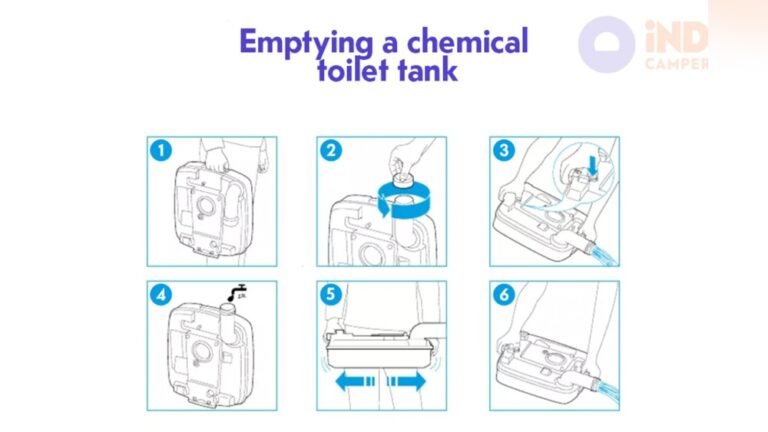
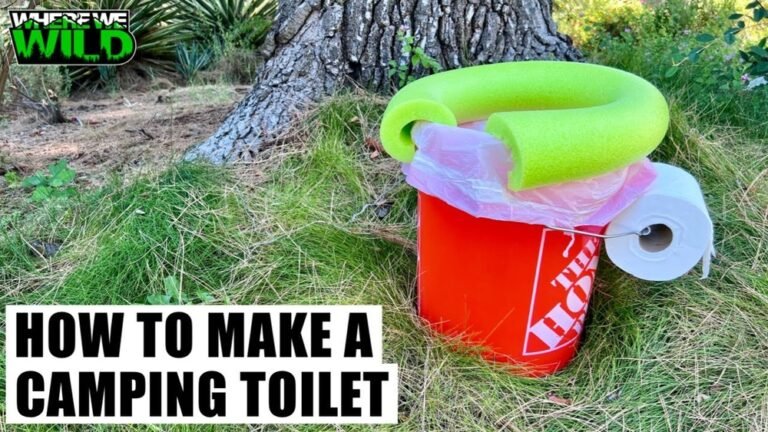
For those concerned about sanitation in remote areas, understanding portable toilet options can prevent unexpected hygiene costs later.
Backpacking & Permits
Backpacking shifts costs from lodging to logistics. Sites are often free or low-cost ($5, $10/person), but permits may require lotteries or reservations. Your gear must be lightweight, driving up equipment costs significantly.
Food is also pricier per calorie due to dehydrated meals. However, transportation costs remain low if you park near trailheads. This method suits solo adventurers or small groups willing to trade money for solitude.
Ensure you know where to dispose of waste properly to avoid fines in wilderness areas.
RVs & Van Life
RV camping involves higher fixed costs. Site fees range from $30, $100+, especially with electric/water/sewer hookups. Fuel consumption is substantial, often doubling travel costs compared to cars.
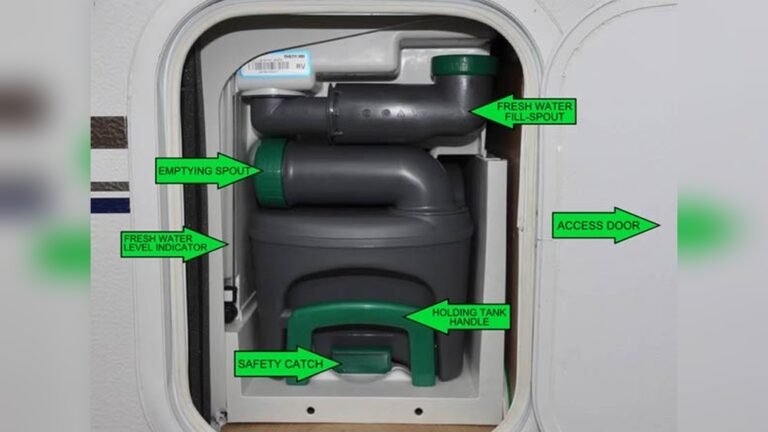
Maintenance and insurance add monthly overhead. However, you save on accommodation during long trips. Many van lifers utilize dump station networks to manage waste efficiently, reducing reliance on paid facilities.
Budget strictly for campground availability, as popular spots fill months in advance.
Hidden Costs That Surprise First-Timers
Site fees are just the tip of the iceberg. Several overlooked expenses inflate the final bill.
Reservation Fees and Firewood Taxes
Online platforms like Recreation.gov charge non-refundable reservation fees ($6, $10 per booking). These add up quickly for frequent campers. Additionally, many parks prohibit bringing outside firewood to prevent invasive species.
You must buy wood locally, often at inflated prices ($5, $10 per bundle). A three-night stay could cost $30 extra just for warmth. Check local regulations before arriving to avoid confiscation or fines.
Food Logistics and Fuel Reality
Groceries seem cheaper than restaurants, but transport costs matter. Driving 200 miles round-trip burns significant fuel. At $3.50/gallon, a 20-mile-per-gallon truck uses $35 just to get there.
Pack strategically to minimize waste. Ice melts fast, requiring multiple runs if not managed well. Consider cooler efficiency when planning meals.
Poor insulation leads to soggy food and wasted money. Investing in a quality cooler pays off over time, unlike cheap alternatives that fail after one season.
Quick-Start Budget Calculator (3 Common Scenarios)
Use these real-world examples to estimate your potential spend.
Scenario 1: The Weekend Tester (Rentals)
- Gear Rental: $150 (tent, bags, stove)
- Site Fee: $60 (2 nights @ $30)
- Food/Ice: $80
- Fuel: $40
- Total: ~$330 for two people. High cost per use, but low commitment.
Scenario 2: The Established Family (Owned Gear)
- Gear: $0 (already owned)
- Site Fee: $100 (3 nights @ $33)
- Park Pass: $35 (if no annual pass)
- Food: $150
- Fuel: $60
- Total: ~$345 for four people. Drops to ~$250 on subsequent trips.
Scenario 3: The Solo Hiker (Minimalist)
- Permit/Fee: $10
- Food: $50 (dehydrated)
- Transport: $80 (gas/train)
- Gear: $0 (owned)
- Total: ~$140. Extremely scalable based on distance traveled.
FAQs: Real Questions About Camping Costs
Is camping always cheaper than hotels?
Not always. For short trips with rented gear, hotels often win. Once you own basic equipment, camping becomes significantly cheaper per night, especially for groups.
Factor in your time and effort too. Setting up camp takes longer than checking into a lobby.
How much should I budget for food per day?
Plan for $15, $30 per person daily. This covers simple campfire cooking. Gourmet meals or dining out nearby increase this rate.
Buy staples in bulk before leaving home to save on markups at remote general stores.
Do I need to buy expensive gear immediately?
No. Start with essentials: shelter, sleep system, light source. Borrow or rent initially.
Upgrade gradually as you identify pain points. Cheap gear works fine for fair weather; invest in durability only when conditions demand it.
Are there hidden fees at private campgrounds?
Yes. Watch for amenity fees, pet charges, and electricity surcharges. Some places charge extra for Wi-Fi or laundry.
Read the fine print before booking. Public lands usually have transparent, flat-rate pricing structures.
What is the cheapest way to camp?
Dispersed camping on Bureau of Land Management (BLM) or National Forest Service (USFS) land is free. You only pay for fuel and food. Ensure you follow Leave No Trace principles to maintain access.
Check local regulations for seasonal closures or restrictions.