What Size Camping Toilet Do I Need? A Quick Guide for Campers
Have you ever woken up at 2 a. m. on a camping trip, desperate for the bathroom? You unzip your tent, stumble through wet grass, and hope nothing is lurking in the dark. Or maybe you’ve waited in line for a crowded public toilet, wishing for something cleaner.
Many campers have faced these moments. The wrong camping toilet can ruin a trip—too small, and you’re constantly emptying it; too large, and it’s heavy and awkward to carry.
Choosing the right camping toilet size is about more than comfort. It’s about privacy, hygiene, and making the outdoors feel a bit more like home. Whether you’re camping solo, with family, or in a group, the right toilet size saves time and prevents stress.
Let’s break down how to find the best fit for your needs, without wasting money or packing space.
Why Camping Toilet Size Matters
The size of your camping toilet affects everything from how often you empty it to how much space it takes up in your vehicle. If it’s too small, you’ll be searching for a place to empty it every day. If it’s too big, you might struggle to lift or fit it into your car.
Think about these situations:
- A family of four on a three-day trip needs a much larger toilet than a solo backpacker.
- Some campgrounds have waste stations; others don’t.
- A heavy toilet is hard to move, especially when full.
Size affects comfort, too. A toilet that’s too low or narrow can be uncomfortable for adults. For kids or elderly campers, stability and seat height are also important.
Types Of Camping Toilets And Their Sizes
Not all camping toilets are the same. Here are the main types and their usual size ranges:
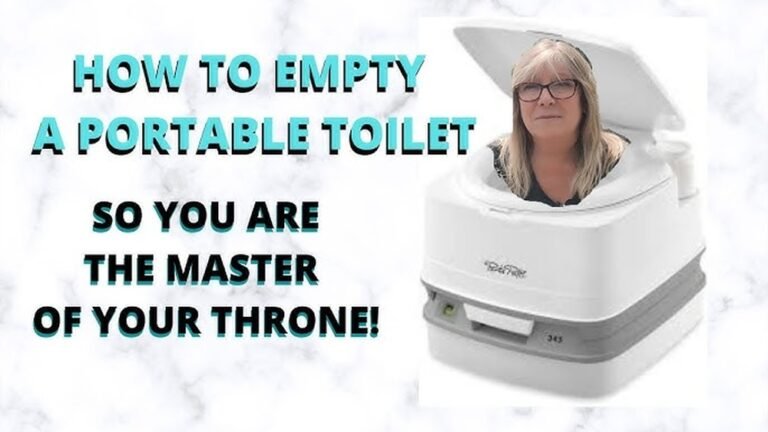
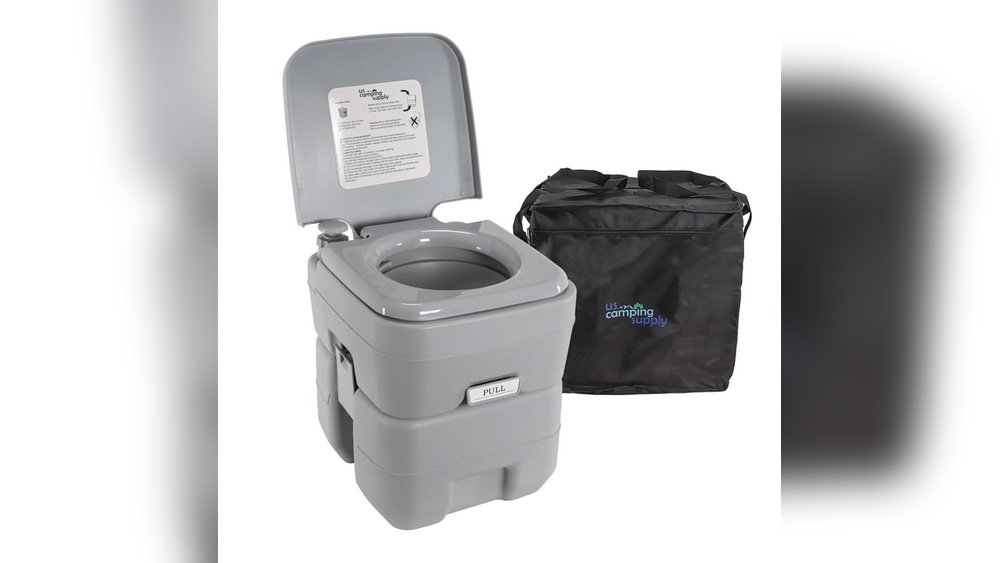
1. Portable Flush Toilets
These look like small versions of home toilets. They have fresh water and waste tanks.
- Waste tank size: 2–5.5 gallons (7.5–21 liters)
- Flush tank size: 2–4 gallons (7.5–15 liters)
- Seat height: 13–17 inches (33–43 cm)
Flush toilets are best for longer trips and families, but they’re heavier, especially when full.
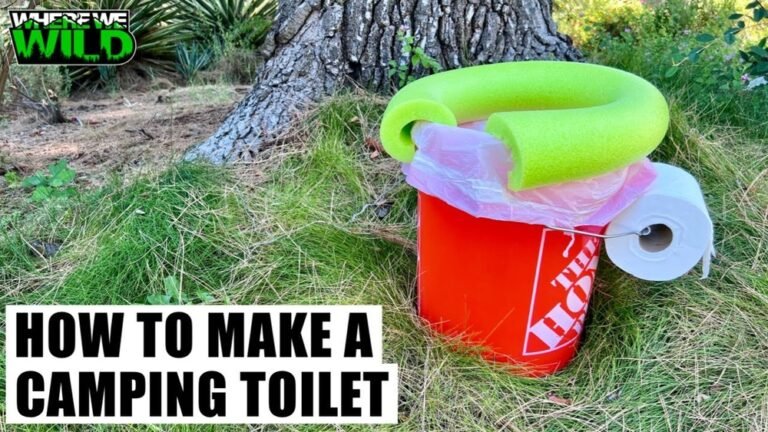
2. Bucket Toilets
Simple and cheap—usually just a 5-gallon bucket with a seat.
- Waste capacity: 5 gallons (19 liters)
- Height: 13–15 inches (33–38 cm)
Easy to use and clean, but not for long trips with many people.
3. Bag Toilets (disposable)
Lightweight and easy to pack. Use a bag for waste, often with absorbent gel.
- Capacity: One use per bag, usually 1–2 liters
- Weight: Very light, less than 1 lb (0.5 kg)
Great for backpackers or emergencies, but not for big groups or long stays.
4. Composting Toilets
Separate liquids and solids, often used in RVs.
- Solid tank: 5–6 gallons (19–23 liters), lasts 20–60 uses
- Liquid tank: 2–3 gallons (7.5–11 liters), lasts 3–4 days
Larger and heavier, but can go longer without emptying.

Credit: www.amazon.com
How To Choose The Right Size
Finding the right size isn’t just about tank numbers. Here’s what you should consider:
Group Size And Trip Length
- Solo (1–2 days): Small bag or bucket is enough.
- Couple (2–3 days): 2–3 gallon waste tank or 2 buckets of bags.
- Family (3–4 people, 2–3 days): At least 5-gallon waste tank.
- Group (5+ people, multiple days): Look for largest tanks or plan for frequent emptying.
Space In Your Vehicle
Measure your trunk or storage space before buying. A big toilet won’t help if you can’t pack it.
Physical Comfort
Check the seat height and width. Standard home toilets are 15–17 inches tall. Lower toilets can be hard for seniors or taller adults.
Frequency Of Emptying
Larger tanks mean fewer trips to empty, but they’re heavier when full. If you don’t have easy access to waste stations, go bigger.
Weight When Full
A gallon of liquid weighs about 8. 3 lbs (3. 8 kg). A full 5-gallon tank can weigh over 40 lbs (18 kg). Will you be able to lift it?
Waste Disposal Rules
Some parks only allow bag systems. Others require sealed tanks. Always check local rules before you go.
Size Comparison: Popular Camping Toilets
Here’s a quick look at how some common camping toilets compare in size and weight:
| Toilet Type | Waste Capacity | Seat Height | Weight (Empty) |
|---|---|---|---|
| Portable Flush Toilet (large) | 5.5 gal | 16.5 in | 12 lbs |
| Bucket Toilet | 5 gal | 14 in | 3 lbs |
| Bag Toilet | 1 use per bag | 13 in | <1 lb |
| Composting Toilet | 6 gal (solids) | 17 in | 28 lbs |
Real-world Scenarios: Which Size Works Best?
Let’s look at some real-life examples. These help you see what size camping toilet actually works for different trips.
Solo Backpacker: Lightweight And Compact
If you travel alone and carry your gear, a bag toilet makes sense. It’s light, takes up little space, and you can pack enough bags for each day. For a weekend, 3–4 bags should be fine.
Couple Camping: Mid-size Portable Toilet
For two people in a car, a 2.5–3 gallon portable flush toilet is a good balance. It’s comfortable, doesn’t need emptying every day, and fits in most vehicles.
Family Road Trip: Large Tank Needed
A family of four will fill a 2-gallon tank in one day. A 5-gallon tank usually lasts two days. If you don’t want to empty daily, go bigger. But remember, a full tank is heavy.
Large Group Or Long Stay: Composting Toilet
For groups or long-term camping, a composting toilet is best. It separates waste, needs less emptying, and is more eco-friendly. But it’s bulky and expensive.
How Many Uses Per Size?
It helps to know how many people can use a camping toilet before you need to empty it. Here’s a rough guide:
| Tank Size | Average Uses | Ideal For |
|---|---|---|
| 2 gallons | 8–10 uses | Solo, short trips |
| 3 gallons | 12–15 uses | Couple, 2 days |
| 5 gallons | 20–25 uses | Family, 2 days |
| Bag (per) | 1 use | Emergency, backpacking |
This is based on average adult use. Kids may use less, but always plan for extra.
Common Mistakes When Choosing Camping Toilet Size
Even smart campers make mistakes. Here are the most common:
- Going too small: Saving space is good, but emptying a tiny tank every day gets old fast.
- Ignoring full weight: A big tank is great—until you try to carry it when it’s full.
- Not checking rules: Some places ban chemical toilets or require specific waste systems.
- Overlooking comfort: A cheap, low toilet can be hard to use, especially for taller people or those with mobility issues.
- Assuming family size: Kids grow quickly. If you camp often, buy for future needs, not just this year.
Non-obvious Insights Beginners Miss
Many first-time campers don’t realize:
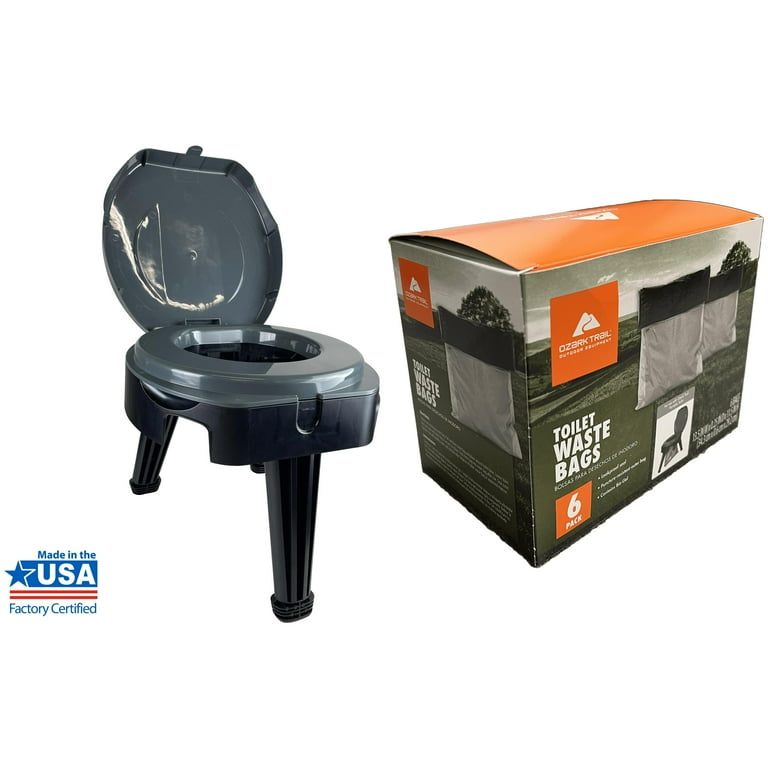
- Nighttime use matters. If you don’t want to leave the tent at night, a compact toilet with enough capacity for overnight use is a lifesaver.
- Toilet paper storage is often forgotten. Some camping toilets have no place for paper, so you need to pack an extra bag or container.
- Waste chemicals add weight and space. If your toilet uses chemicals, pack them as part of your weight and volume calculations.
Credit: www.walmart.com
Cleaning And Maintenance
Smaller toilets are easier to clean but need more frequent emptying. Larger tanks go longer between cleanings but are tougher to rinse out, especially on the road. Always rinse out with clean water, and if possible, use eco-friendly chemicals.
Try to empty waste tanks at proper dump stations. Never pour waste in the woods or near water. Some national parks have strict rules, so check before your trip. For safe and legal waste disposal info, visit the National Park Service.
Practical Tips For Buying The Right Size
- Test the seat height before you buy. Sit on it if possible.
- Calculate how many uses you’ll need per day, and multiply by people and days.
- Leave space for waste chemicals, toilet paper, and cleaning supplies.
- If unsure, go slightly bigger. It’s easier to carry out a half-full tank than run out of space.
- Don’t forget privacy—a pop-up tent or screen can make a big difference.

Credit: www.amazon.com
Frequently Asked Questions
How Do I Know If A 5-gallon Camping Toilet Is Too Big For Me?
Think about how long your trip is, how many people are using the toilet, and if you can lift over 40 lbs when it’s full. If you camp alone or for just one night, a smaller size is usually easier.
What’s The Best Camping Toilet Size For Kids?
Kids can use smaller toilets, but if you’re camping as a family, a 3–5 gallon tank is best. It reduces the number of times you need to empty it and works for both kids and adults.
How Often Should I Empty A Camping Toilet?
Empty it before it’s completely full—usually every 1–2 days for families, or after 10–15 uses for smaller tanks. Never wait until it’s overflowing, as cleaning gets much harder.
Are Bag Toilets Good For Regular Camping Trips?
Bag toilets are perfect for emergencies or short backpacking trips. For regular camping or groups, a flush or bucket toilet is more comfortable and cost-effective.
Can I Use A Camping Toilet In Freezing Weather?
Yes, but liquid waste can freeze. Use antifreeze safe for toilets, or empty and clean your toilet before temperatures drop below freezing.
—
Finding the right camping toilet size saves time, avoids messes, and keeps your trip comfortable. Think about your group, trip length, and how much you want to carry. Don’t just go by numbers—picture real use. A little planning means you’ll never be caught off guard when nature calls.