How to Use Toilet Liners for Camping: Ultimate Hygiene Guide
How To Use Toilet Liners For Camping
Staying clean and comfortable at a campsite is not always easy, especially when it comes to bathroom needs. One simple solution is using toilet liners. They help you manage waste, keep your portable toilet clean, and protect the environment. If you have ever worried about camp toilets, smell, or how to pack out waste, this guide will make things clear and simple.
Why Toilet Liners Matter For Camping
When you camp away from modern bathrooms, you need a plan for waste. Many parks and wild areas require you to “pack it out.” This means you must take your waste with you, not bury it. Toilet liners make this much easier:
- They protect your portable toilet from mess.
- They seal in odors.
- They help you follow Leave No Trace rules.
- Many are eco-friendly and safe for disposal.
If you want less stress and more comfort, learning how to use toilet liners is a smart move.
What Are Toilet Liners?
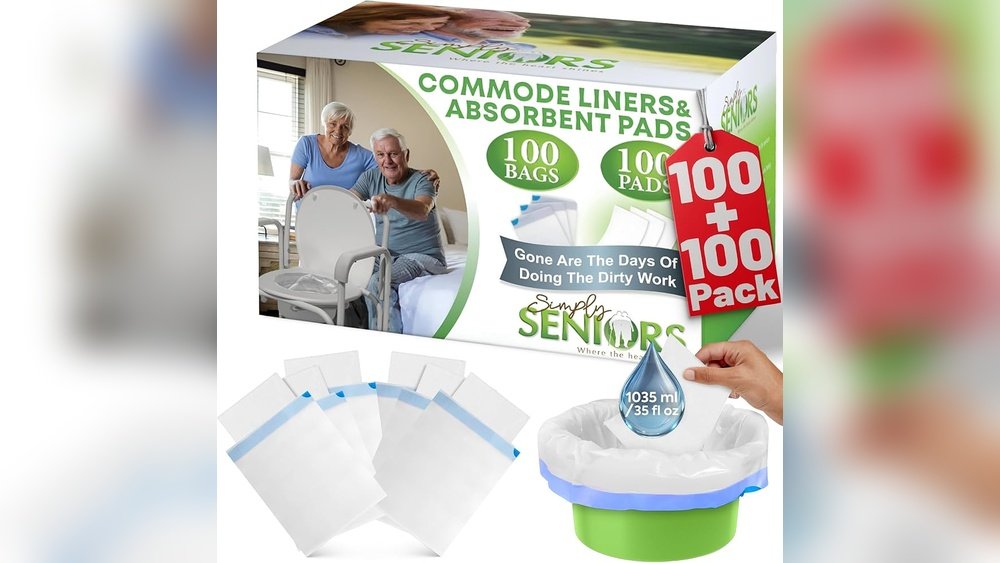
Toilet liners are bags or sheets made for collecting human waste in portable toilets. They fit inside the toilet bowl or bucket and create a barrier. Most liners are made from plastic or compostable materials. Some have absorbent powders to soak up liquid and control smell.
You can find:
- Single-use liners
- Biodegradable liners
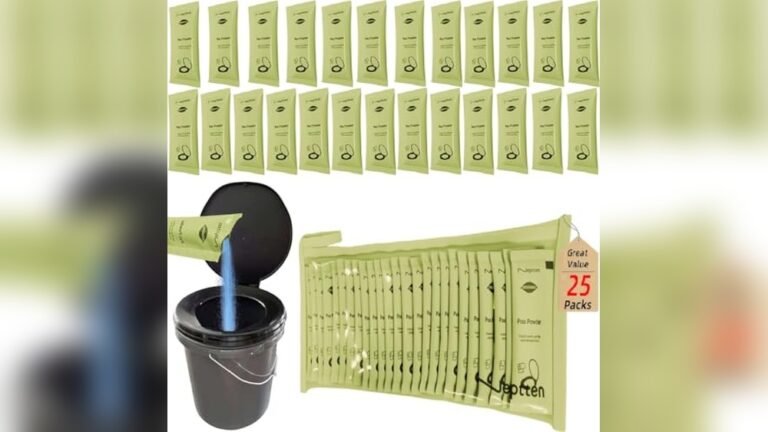
- Liners with absorbent gel
Each type has its own use, but all make camping cleaner and easier.
Types Of Camping Toilets That Use Liners
Not all camping toilets are the same. Here are common types that work well with liners:
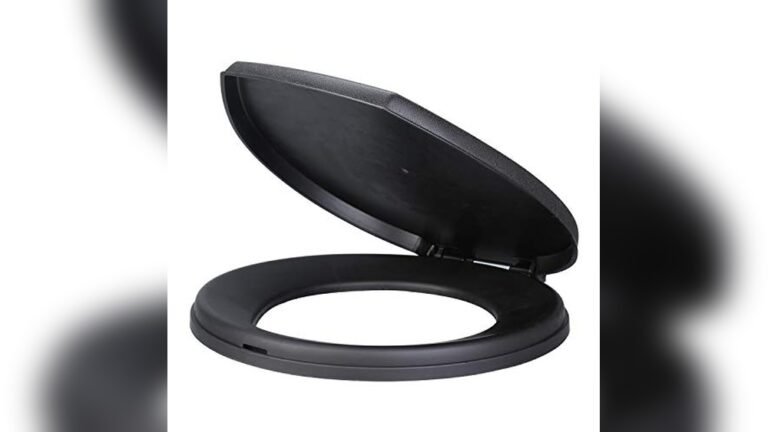
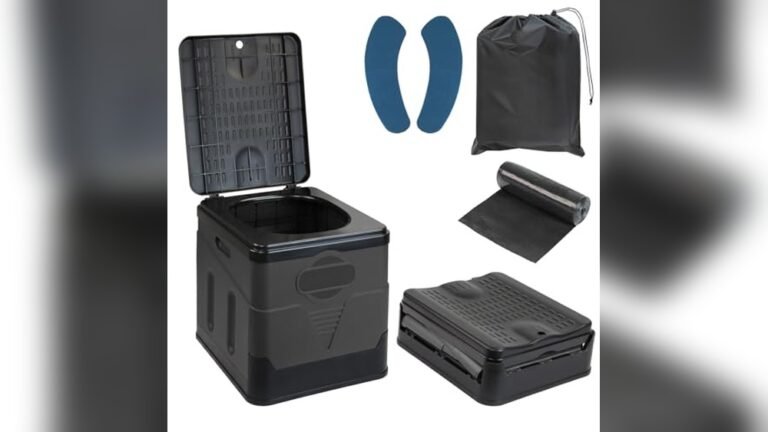
- Bucket toilets – Simple, strong buckets with a toilet seat.
- Folding toilets – Lightweight, foldable frames that hold a liner.
- Portable flush toilets – Compact toilets with water tanks. Some allow liners for easy cleanup.
- DIY toilets – Homemade setups using a bucket and seat, with a liner inside.
Some toilets are made for liners, while others can be adapted. Always check the instructions for your toilet.
How Toilet Liners Work
Toilet liners act as a barrier between waste and the toilet. You put the liner inside, use the toilet, and then seal the bag. Some liners have gel or powder inside. This turns liquid waste into a solid, making it safer and less smelly.
After use, you remove the liner, seal it, and place it in a trash bag or pack-out container. When you reach a proper disposal point, throw it away.
How To Choose The Right Toilet Liners
Choosing the right liner helps avoid leaks, smells, and frustration. Here are important factors:
| Feature | Why It Matters | Tip |
|---|---|---|
| Size | Fits your toilet without slipping | Measure your toilet’s opening before buying |
| Material | Plastic is strong, compostable is eco-friendly | Check local rules on biodegradable waste |
| Absorbent Powder | Reduces odor and mess | Look for liners with built-in gels |
| Sealing Method | Prevents leaks and smells | Drawstring or adhesive seals work best |
| Pack Size | Enough for your whole trip | Bring extra in case of emergencies |
Non-obvious tip: Some liners are scented. These can mask odor but may attract animals in wild areas. Unscented is often safer.
How To Use Toilet Liners: Step-by-step
Let’s break down exactly how to use toilet liners while camping:
- Open Your Toilet and Liner
- Open your portable toilet or bucket.
- Take out one clean liner.
- Place the Liner
- Fit the liner inside the toilet bowl or bucket.
- Make sure it covers all the sides.
- Secure the top edge so it does not slip.
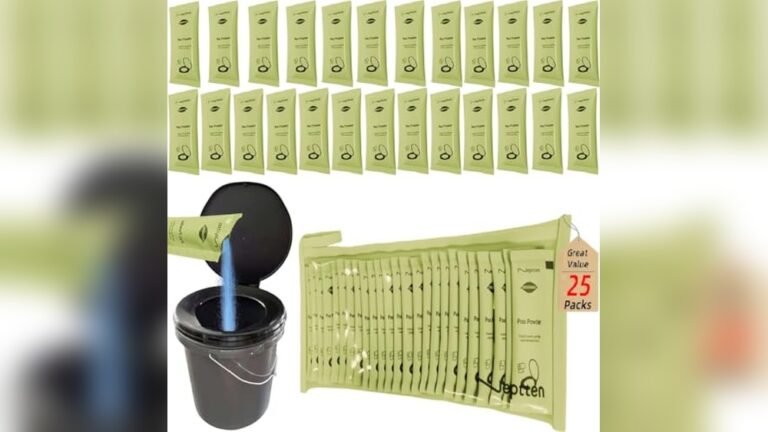
- Add Absorbent Powder (if not built-in)
- Sprinkle absorbent powder or gel inside the liner.
- This step is important for liquid waste.
- Use the Toilet
- Sit or squat as needed.
- Try to keep toilet paper inside the liner.
- Seal the Liner
- Carefully pull the liner’s edges together.
- Use the drawstring or twist the top and tie it.
- For liners with adhesive, peel and press to seal.
- Store Used Liner
- Place the sealed liner in a heavy-duty trash bag or pack-out container.
- Keep it away from food, gear, and water sources.
- Dispose Properly
- Find a designated waste bin at the trailhead or campsite.
- Never leave used liners in wild areas.
Pro tip: Always bring hand sanitizer or wipes to clean your hands after handling liners.
Practical Tips For Success
Using toilet liners seems simple, but these extra tips can help:
- Double-bag in wet conditions. If it’s raining, use two liners for extra leak protection.
- Carry backup liners. Accidents and extra use happen.
- Test at home. Try using your toilet and liner setup before your trip. This avoids surprises.
- Keep liners in a dry bag. Wet liners are hard to use and may tear.
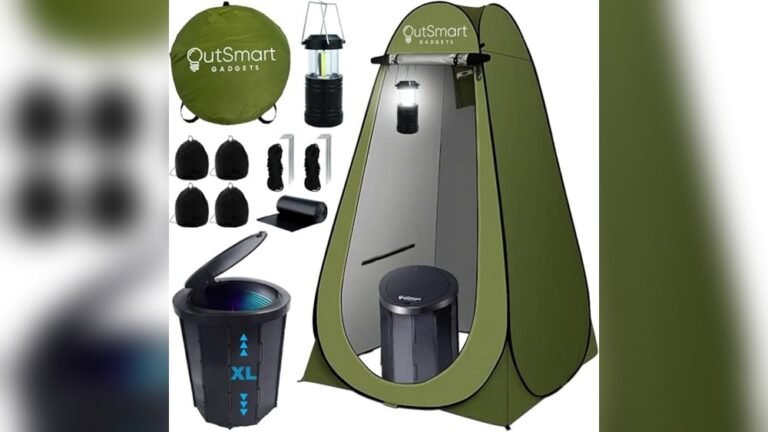
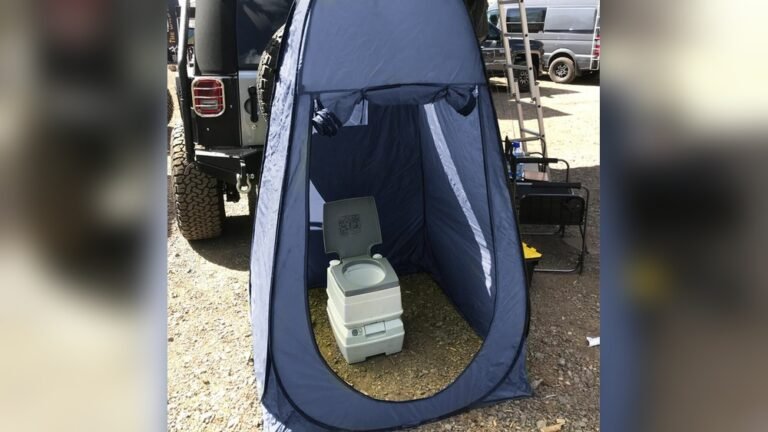
- Use a privacy shelter. This gives you comfort and makes the process easier.
Common Mistakes To Avoid
Beginners often make these errors:
- Not sealing liners tightly. This leads to leaks and odor.
- Using the wrong size. A too-small liner can slip or tear.
- Forgetting powder. Without absorbent, liquids can spill.
- Packing too few liners. Always bring more than you think you’ll need.
Toilet Liner Comparison: Types And Features
Here’s a quick look at different types of camping toilet liners.
| Liner Type | Best For | Pros | Cons |
|---|---|---|---|
| Plastic Liners | Short trips, budget use | Strong, cheap, easy to find | Not eco-friendly |
| Biodegradable Liners | Eco-sensitive areas | Break down naturally | Can be less durable if wet |
| Gel-Lined Liners | Odor and liquid control | No spills, less smell | More expensive |
Non-obvious insight: Some parks only allow certain liner types. Always check rules before you go.
Safety And Hygiene With Toilet Liners
Handling human waste always needs care. Here’s how to stay safe:
- Wash hands after using and sealing liners.
- Store waste away from your food and water.
- Use gloves if you need extra protection.
- Sanitize your toilet with wipes or spray after each use.
Camping with kids or groups? Make a clear plan for toilet use and cleaning.
Environmental Concerns
Many campers want to reduce their impact. Here’s what to know:
- Biodegradable liners break down faster, but only in the right conditions.
- Plastic liners last longer but must always be packed out.
- Never bury or burn used liners, even if they say compostable.
- Always follow Leave No Trace rules to protect nature.
Where To Buy Toilet Liners
Toilet liners are easy to find:
- Outdoor stores (like REI, Cabela’s)
- Big box stores (Walmart, Target)
- Online shops (Amazon, camp gear sites)
- Some parks sell approved liners at the entrance
Brands like Double Doodie, Cleanwaste, and Reliance are popular choices.
Cost And Value
Toilet liners are not expensive. Most single-use liners cost between $0.50 and $2.00 each. Buying in bulk saves money. Gel-lined and biodegradable liners cost more, but many campers feel the comfort and hygiene are worth it.
Here’s an example:
| Brand | Type | Price per Liner | Special Feature |
|---|---|---|---|
| Double Doodie | Gel | $1.25 | Strong odor control |
| Cleanwaste | Biodegradable | $1.40 | Eco-friendly |
| Reliance Bio-Gel | Gel/Biodegradable | $1.60 | Extra liquid absorption |
Is It Worth Using Toilet Liners?
For most campers, the answer is yes. Here’s why:
- You keep your toilet clean.
- You reduce smell.
- You protect nature.
- You avoid fines in parks with pack-out rules.
For longer trips or family groups, liners make life much easier. The small cost is worth the comfort and cleanliness.
Alternatives To Toilet Liners
If liners are not an option, you can:
- Use wag bags (complete toilet kits)
- Dig a cathole (if allowed, at least 6 inches deep)
- Use composting toilets (more complex, not for short trips)
But liners remain the simplest and most flexible solution for most campers.
Real-life Example
Emily, a camper from Oregon, tried toilet liners for the first time on a three-day backpacking trip. She said, “I was nervous, but the liners made it easy. There was no smell, cleanup took seconds, and I didn’t worry about breaking park rules.
Now I always pack extra liners. “
If you want to read more about Leave No Trace and proper waste disposal, check out this helpful guide from the National Park Service.
Frequently Asked Questions
What Is The Main Purpose Of A Camping Toilet Liner?
The main purpose is to collect and contain human waste in a clean, easy-to-carry bag. This keeps your toilet clean, controls odor, and lets you safely pack out waste.
Are Toilet Liners Safe For The Environment?
Some liners are made with biodegradable materials that break down in landfills. However, not all liners are eco-friendly. Always pack them out and follow park rules for disposal.
Can I Use Regular Plastic Bags Instead Of Toilet Liners?
Regular bags can work in an emergency, but special liners are stronger and often have absorbent powder. This reduces leaks and smell. For health and safety, use liners designed for toilets.
How Many Toilet Liners Should I Bring For A Weekend Trip?
Plan for at least one liner per person per day. Bring extras for emergencies or if you have a group. Running out is uncomfortable and hard to manage.
Do Toilet Liners Prevent All Odor?
Liners with absorbent gel or powder do a good job controlling odor. For best results, seal the liner tightly and store it away from your campsite.
Camping is more fun when you feel clean and prepared. With the right toilet liners, you can handle bathroom needs anywhere—without worry or mess. So, before your next adventure, pack a few extra liners. Nature, and your fellow campers, will thank you.
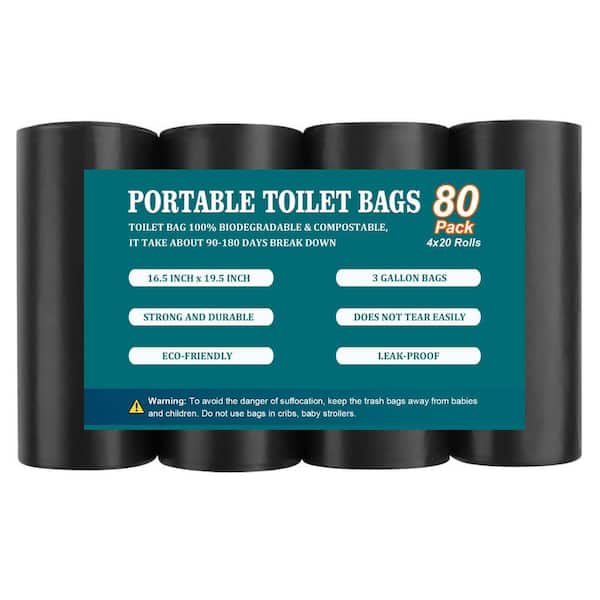
Credit: www.homedepot.com