How Much Does a Camping Trailer Weigh?
If you’re wondering how much does a camping trailer weigh, the answer typically ranges from 1,500 to 7,000 pounds. Most compact travel trailers sit between 3,000 and 4,500 pounds dry weight. Larger family models often exceed 6,000 pounds once fully loaded with gear and supplies.
Understanding these numbers is critical for safety and vehicle compatibility. Manufacturer specs list "dry weight," which excludes water, propane, batteries, and personal belongings. This omission can lead to dangerous overloading if you don’t account for real-world conditions.
As of 2026, strict adherence to Gross Vehicle Weight Rating (GVWR) remains the gold standard for towing compliance. Let’s break down exactly what those figures mean for your setup.
The Real Weight Range: From Teardrops to Fifth-Wheels
Weight varies drastically based on size and construction materials. Micro-campers and teardrop trailers are the lightest options available today. They usually weigh between 1,500 and 3,000 pounds.
These units are perfect for SUVs and smaller crossovers that lack heavy-duty tow packages.
Compact travel trailers represent the middle ground for most buyers. You’ll find them weighing in at 3,000 to 4,500 pounds. This class offers more living space without demanding a massive truck.
Mid-size family trailers jump up to 4,500, 6,500 pounds. These require half-ton or three-quarter-ton trucks for safe operation.
Fifth-wheel and large toy haulers dominate the heavy end of the spectrum. Expect weights ranging from 7,000 to 12,000+ pounds. These monsters need dedicated heavy-duty pickups or specialized rigs.
Aluminum frames help shave off 10, 15% compared to steel chassis designs. However, added amenities like generators and large tanks quickly offset those savings. Always check the specific model’s Unladen Vehicle Weight (UVW).
Why "Dry Weight" Lies (And What Numbers Actually Matter)
Manufacturers advertise UVW, but this number is misleading for practical planning. Dry weight assumes an empty shell with no fluids or cargo. It rarely includes fresh water, gray water, black water, or propane.
A full 40-gallon fresh water tank adds approximately 332 pounds. That’s nearly 8.3 pounds per gallon of water.
You must also account for battery banks and cooking fuel. Two Group 24 deep-cycle batteries add roughly 100, 120 pounds. A standard 30-pound propane cylinder weighs about 37, 40 pounds when full.
Personal gear, food, tools, and clothing pile on rapidly. Aggregate user reviews consistently show owners exceeding their limits by 500+ pounds unintentionally.
The true metric you need is Gross Vehicle Weight Rating (GVWR). This is the maximum weight the trailer can legally carry. Never exceed the GVWR stamped on the door frame label.
Exceeding it voids warranties and compromises structural integrity. Calculate your "wet weight" by adding all fluids and typical cargo to the UVW. This gives you a realistic baseline for towing decisions.
Ignoring this step risks brake failure and axle damage.
Matching Trailer Class to Your Vehicle’s Towing Limits
Your tow vehicle dictates what trailer you can safely pull. Check your owner’s manual for the maximum tow rating. Do not confuse this with payload capacity.
Payload is what your truck can carry in its bed and cab. Tongue weight eats directly into your payload allowance.
Tongue weight should ideally be 10, 15% of the total trailer weight. For a 4,000-pound trailer, that means 400, 600 pounds on the hitch. If your truck’s payload limit is low, a heavy tongue weight will squat the rear suspension.
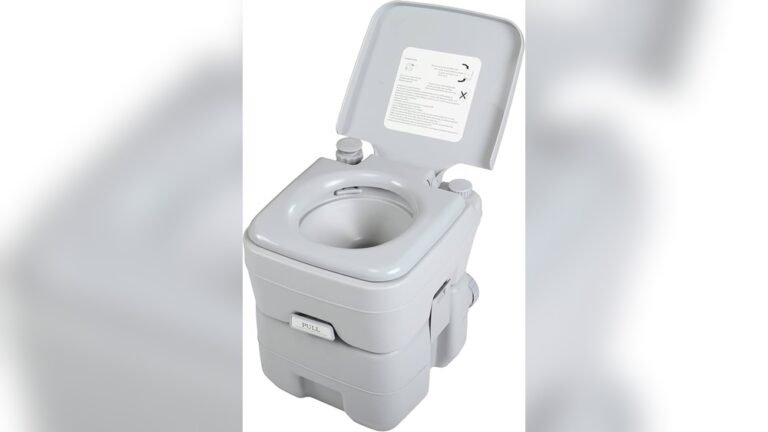
This reduces steering control and headlight alignment. Use a portable toilet chair or other lightweight accessories to minimize interior clutter weight.
Consider upgrading your suspension if you’re near the limit. Air bags or helper springs can restore proper ride height. Ensure your brakes are calibrated correctly for the load.
Heavier trailers require proportional brake controllers for smooth stopping. Mismatched settings cause uneven wear and longer stopping distances. Verify your hitch class matches the trailer’s weight requirements.
Class III hitches handle up to 8,000 pounds, while Class IV goes higher.
Common Overloading Mistakes That Risk Safety
Many beginners assume they can fill every tank before departure. Carrying full fresh, gray, and black water simultaneously is unnecessary. Start trips with minimal water and refill at campgrounds.
This practice saves hundreds of pounds during transit. Also, avoid packing duplicate items or excessive decorative gear.
Another frequent error is ignoring tire pressure and age. Under-inflated tires generate excess heat and can blow out. Check cold inflation pressures against the sidewall rating, not the vehicle door jamb.
Rubber degrades over time even with good tread. Inspect DOT date codes annually. Old tires fail under load regardless of appearance.
Neglecting the breakaway switch system is another critical oversight. This device activates trailer brakes if detachment occurs. Test it regularly to ensure functionality.
Per National Highway Traffic Safety Administration (NHTSA) guidelines, functional braking systems are mandatory. Failure here leads to catastrophic accidents. Secure all loose items inside the trailer too.
Shifting loads alter center gravity and induce sway. Use tie-downs for heavy appliances or furniture.
Frequently Asked Questions
Does water weight really affect towing capacity?
Yes, significantly. Water weighs 8.3 pounds per gallon. A partially filled 50-gallon tank adds over 200 pounds.
Full tanks can push a borderline trailer over its legal limit. Always calculate fluid weights separately from dry cargo. Keep tanks low during transport to maximize margin for error.
Refill only upon arrival at your site.
How do I know my exact loaded weight?
Use commercial scales like CAT Scale locations. Weigh your front axle, rear axle, and combined weight separately. Subtract the vehicle’s curb weight to find the actual trailer load.
Compare this figure against your GVWR and tow rating. Digital portable scales offer convenience but less accuracy. Professional weighing ensures compliance and safety.
Repeat this process after major gear changes.
Can I upgrade my truck to tow heavier trailers?
Sometimes, but proceed with caution. Suspension upgrades help with ride quality but don’t increase factory ratings. Engine tuning might improve power but stresses components.
Transmission coolers prevent overheating during long climbs. Consult a certified mechanic before modifying drivetrain parts. Structural limitations often cap maximum safe towing.
Never rely solely on aftermarket modifications for increased capacity.
What happens if I exceed the GVWR?
You risk immediate mechanical failure. Axles can snap, frames can crack, and tires can burst. Insurance companies may deny claims resulting from overweight operations.
Law enforcement can issue fines or impound vehicles. Repeated violations lead to license suspensions in some jurisdictions. Prioritize staying within 90% of rated capacities.
Safety margins protect both property and lives effectively.