Camping Toilet Privacy Solutions Guide: Top Tips for Comfort
Camping Toilet Privacy Solutions Guide
When you go camping, you leave many comforts behind. But there’s one thing most campers want: privacy when using the toilet. Nature is beautiful, but doing your business in the open can be uncomfortable. If you travel with family or friends, privacy matters even more. Luckily, there are many ways to make your outdoor bathroom time private and comfortable.
This guide explores camping toilet privacy solutions for every type of camper. You’ll discover options for tents, pop-up shelters, DIY fixes, and more. We’ll look at smart tips, common mistakes, and real examples. By the end, you’ll know exactly how to protect your privacy wherever you camp.
Why Toilet Privacy Matters In The Wild
Having toilet privacy does more than make you feel comfortable. It helps you relax and enjoy your trip. Here’s why it’s important:
- Personal comfort: Most people feel awkward using a toilet in open spaces.
- Safety: Some privacy shelters keep bugs, wind, or rain away.
- Cleanliness: Barriers help contain smells and keep things tidy.
- Family needs: Children and women often need extra privacy.
Many beginners forget that privacy is not just about other people. It’s also about feeling secure from animals, insects, and the weather.
Types Of Camping Toilet Privacy Solutions
There are many ways to get privacy outdoors. Some use store-bought gear. Others use creative tricks. Here are the main types:
1. Privacy Tents
Privacy tents are small, portable shelters you can set up in minutes. They come in many shapes and sizes.
- Easy to set up: Most pop up in seconds.
- Lightweight: Many weigh under 5 pounds (2.2 kg).
- Protection: Shields you from view and weather.
Some models have special features, like pockets, towel hangers, or mesh windows for air. A popular example is the WolfWise Pop-Up Privacy Tent, which has over 10,000 reviews on Amazon.
Pro tip: Look for tents with zippered doors and good ventilation to reduce smells.
2. Diy Tarps And Sheets
If you camp light or forget your gear, you can make a privacy screen with tarps or sheets. All you need are:
- A waterproof tarp or large sheet
- Rope or bungee cords
- Trees or poles for support
Just tie the tarp between two trees to make a quick wall. For more coverage, use three sides. If you want a roof, add a fourth wall or drape another sheet on top.
Beginner mistake: Using thin sheets can be see-through at night. Choose thick, dark materials for real privacy.
3. Pop-up Shower Shelters
Many companies sell pop-up shower tents that also work for toilets. They’re taller than regular privacy tents, with enough space to stand and move.
- Multi-use: Good for changing, showering, or as a toilet stall.
- Waterproof: Keeps rain out and offers sun protection.
Some have a bottom floor, which helps keep your feet clean. Others have stakes and ropes for windy days.
Non-obvious insight: If you camp in wet places, choose a shelter with a removable floor. This keeps water from pooling inside.
4. Portable Toilet Cabins
Some campers invest in portable toilet cabins. These are more solid than tents. They use strong frames and heavier fabric.
- Private and sturdy: Good for long trips or group camping.
- Reusable: Can last for years with care.
They take more time to set up but feel like a real bathroom stall. Some even have a spot for a portable toilet inside.
5. Car Or Rv Attachments
If you camp with a car, van, or RV, you can use privacy attachments. These are fabric walls that connect to your vehicle.
- Easy setup: Just open your car’s door and attach the shelter.
- Flexible: Use as a changing room, shower, or toilet space.
Some models fit many car types. Always check the size before you buy.
6. Nature’s Barriers
Sometimes you don’t need gear at all. Bushes, trees, or rocks can give enough privacy if you choose wisely.
- Free and fast: Just find a good spot.
- Blend in: No need to carry extra gear.
This works best in less crowded areas. Always check for poison ivy or sharp branches before picking your spot!
Non-obvious insight: If you use nature, face away from trails and water to protect your privacy and the environment.
7. Group Privacy Screens
If you camp with a group, set up a shared privacy area. Use tarps, tents, or screens in a corner of your site.
- Efficiency: One setup for all.
- Family-friendly: Easy for kids and adults to use.
This is common at festivals or large campsites. Mark the entrance clearly so everyone knows when it’s in use.
Comparing Privacy Solutions
Let’s look at a quick comparison of popular privacy solutions for camping.
| Solution | Setup Time | Weight | Best For |
|---|---|---|---|
| Privacy Tent | 2-5 min | 3-5 lbs | Solo/Family Trips |
| DIY Tarp | 5-10 min | 1-2 lbs | Backpackers |
| Shower Shelter | 5-10 min | 4-7 lbs | Long Stays |
| Nature’s Barriers | 0 min | 0 lbs | Minimalists |
| Car Attachment | 2-5 min | 3-6 lbs | Car Campers |
Features To Look For In A Privacy Shelter
Not all shelters are the same. Here’s what to check before you buy or build:
- Material: Thick, non-see-through fabrics give the most privacy. Dark colors work best.
- Ventilation: Mesh windows or vents help control smells and heat.
- Size: Make sure it’s tall and wide enough for comfort.
- Portability: For backpackers, lighter is better.
- Setup: Choose something you can assemble quickly, even alone.
- Waterproofing: Rain can ruin your experience. Check for sealed seams.
- Floor Option: Some people want a floor for cleanliness; others prefer open-bottom for drainage.
| Feature | Why It Matters |
|---|---|
| Material Thickness | Stops people from seeing inside |
| Ventilation | Reduces odors and heat |
| Weight | Easy to carry for hikers |
| Floor | Keeps feet clean or lets water drain |
Common Mistakes When Setting Up Toilet Privacy
Even experienced campers make errors. Here are some common mistakes to avoid:
- Choosing thin or light-colored fabric: These can be see-through, especially at night with a light inside.
- Ignoring the wind: Lightweight shelters can blow away. Always stake or tie them down.
- Setting up near water or trails: This risks privacy and can pollute water sources.
- Forgetting ventilation: Lack of airflow makes things stuffy and smelly.
- Not checking the ground: Rocky or sloped ground makes setup hard and uncomfortable.
- No backup plan: If your tent breaks, know how to use tarps or nature for privacy.
Extra tip: Always test your setup at home before your trip. Practice makes camping much easier.
Diy Camping Toilet Privacy: Step-by-step
If you want a cheap and easy solution, here’s how to make your own privacy shelter:
What You Need
- 1 large dark tarp or shower curtain
- 4-6 feet (1.2-1.8 m) of rope or paracord
- 4 sturdy sticks or poles (about 6 feet tall)
- Tent stakes or rocks
Steps
- Find a flat spot away from your sleeping area and water.
- Push the poles into the ground to form a square or rectangle.
- Tie the tarp to the poles with rope, making three walls.
- Leave one side open for a door.
- Stake the bottom of the tarp so wind doesn’t lift it.
- Place your portable toilet or dig a cat hole inside.
This setup takes about 10 minutes and can be used many times.

Credit: www.amazon.com
Privacy For Different Campers
Every camper has unique needs. Here’s how different groups can protect their privacy:
Families With Children
- Use large tents or group screens for safety.
- Always set up privacy areas close but not too close to sleeping tents.
Solo Campers
- Small pop-up tents or even thick bushes work well.
- Always lock up valuables when using privacy shelters.
Women Campers
- Choose shelters with floors for extra cleanliness.
- Carry a portable urination device for emergencies.
Backpackers
- Use lightweight tarps or nature’s barriers.
- Always pack out waste if camping far from facilities.
Cleaning And Maintaining Privacy Shelters
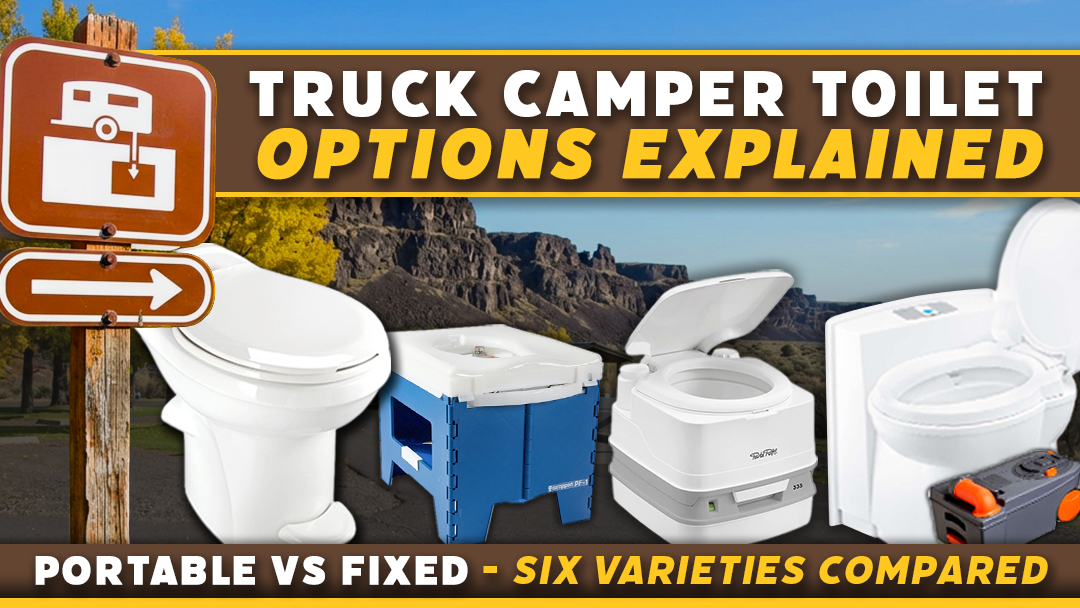
Toilets and privacy shelters need care, too. Here’s how to keep them clean and working:
- Shake out dirt after each use.
- Wipe the fabric with mild soap and water at home.
- Dry fully before storage to prevent mold.
- Check for damage after each trip—repair small tears before your next outing.
- Store in a dry place away from sunlight.
A clean shelter lasts longer and keeps you healthy.
Credit: www.truckcampermagazine.com
Real-life Example: Weekend Family Camping
Imagine the Smith family, camping in a busy state park. They bring a pop-up privacy tent and a portable toilet. They set up the tent near their car but away from their sleeping area. They use a dark tarp for extra coverage at night.
The children feel safe, and the parents don’t have to worry about strangers walking by. After the trip, they wipe the tent down, dry it, and pack it away for next time.
Environmental Responsibility
Privacy is important, but so is protecting nature. Always:
- Stay at least 200 feet from water sources.
- Use biodegradable toilet paper.
- Pack out all waste if required.
- Leave no trace of your shelter or toilet area.
For more tips on responsible camping, check the National Park Service Leave No Trace guide.
Credit: www.autonomous.ai
Frequently Asked Questions
What’s The Easiest Privacy Solution For Beginners?
A pop-up privacy tent is best for most beginners. It’s quick to set up, lightweight, and gives full coverage.
Can I Use A Beach Tent As A Privacy Shelter?
Yes, a beach tent can work if it’s tall enough and made of non-see-through fabric. Make sure it has a door for full privacy.
How Do I Keep A Privacy Tent From Blowing Away?
Always stake down your tent and use guy lines. For extra safety, place rocks inside the corners or attach to nearby trees.
What’s The Best Material For A Diy Privacy Screen?
Use a thick, dark tarp or a heavy-duty shower curtain. These give real privacy, even at night.
Is It Okay To Use Nature For Privacy?
Yes, but always follow Leave No Trace rules. Stay away from water and trails, and never damage plants or trees.
Having privacy while camping is not just about comfort—it’s about safety, cleanliness, and respecting others. With the right solution, you can enjoy nature with peace of mind and leave nothing behind but memories.