Composting Toilet Vs Chemical Toilet: Which Is Better for You?
Many people dream of having a toilet that works anywhere—no smell, no mess, no water needed. But the reality is often very different. Maybe you’ve camped with a portable toilet and hated the awful chemical smell. Or you lived off-grid and worried, “Where does all this waste go?” The confusion between composting toilets and chemical toilets is real. Which is cleaner? Which is safer? Which is right for your family, RV, or tiny home? If you’re tired of guessing and want clear answers, you’re in the right place.
What Is A Composting Toilet?
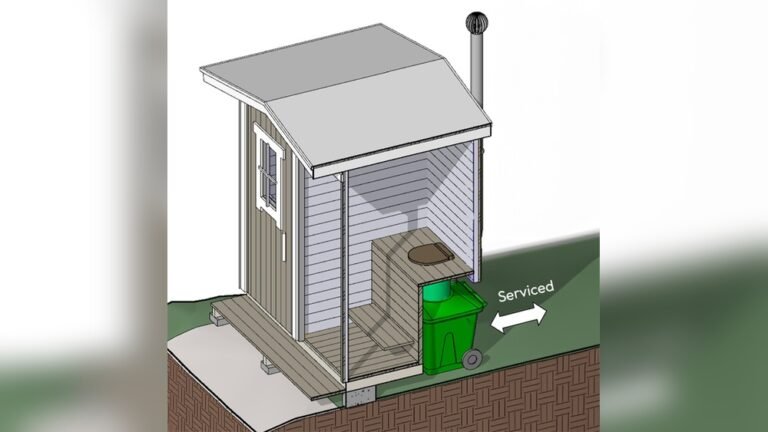
A composting toilet is a dry toilet that turns human waste into compost. It needs little or no water. This toilet uses natural bacteria and air to break down waste. The result is compost that you can use in gardens (sometimes with restrictions).
How Does It Work?
- You do your business as usual.
- Sawdust, coconut coir, or peat moss is often added to cover waste.
- A fan or vent keeps air moving and removes smells.
- Over weeks or months, bacteria break down waste into compost.
Types Of Composting Toilets
- Self-contained – All composting happens in one unit. Good for RVs, boats, and small homes.
- Central systems – Waste is piped to a bigger composting tank outside. Used for families or groups.
Key Features
- Needs no plumbing or sewer hook-up.
- Uses little or zero water.
- Smells much less than most people expect.
- Can be used even in cold climates (with insulation).
What Is A Chemical Toilet?
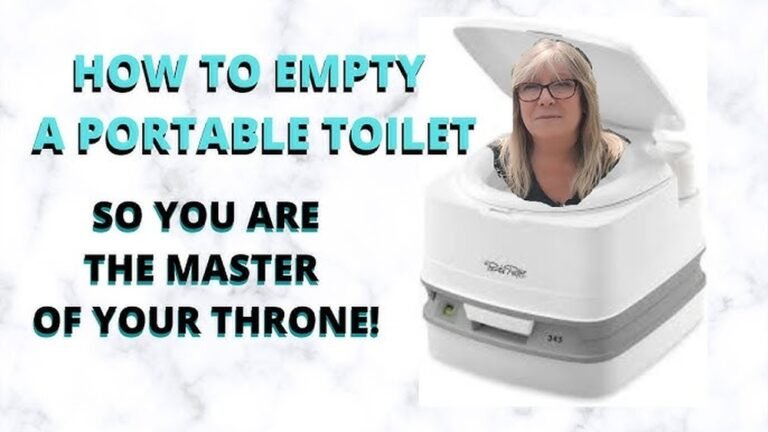
A chemical toilet is a portable toilet that uses chemicals to break down waste and control odor. The blue liquid you see in portable toilets at events is a disinfectant and deodorizer.
How Does It Work?
- Waste drops into a sealed tank below the seat.
- Chemicals break down solids and mask smells.
- The tank must be emptied at a special dump site.
- Fresh chemicals are added after each clean.
Common Types
- Porta-potties – Used at events, worksites, and outdoor festivals.
- Cassette toilets – Found in RVs and boats. The waste tank is smaller and slides out for cleaning.
Key Features
- Easy to move and set up.
- Needs no water connection (sometimes uses a little water for flushing).
- Can be used by many people in a short time.
- Strong chemical smell is common.

Credit: www.twowithaview.com
Composting Toilet Vs Chemical Toilet: Main Differences
Choosing between these toilets is not just about price. It’s about health, comfort, and the environment. Let’s compare the big differences.
| Feature | Composting Toilet | Chemical Toilet |
|---|---|---|
| Water Needed | None or very little | None or little (depends on model) |
| Odor Control | Good (with venting and cover material) | Strong chemical smell, may mask odors |
| Setup & Portability | Medium, more setup time | Very easy, just place and use |
| Waste Disposal | Turns to compost, safe to handle | Must dump at approved site, chemicals are toxic |
| Environment Impact | Low, eco-friendly | High, chemicals can pollute water |
Pros And Cons Of Composting Toilets
Every system has good and bad points. Composting toilets are no different.
Pros
- Eco-friendly – No water wasted, no chemicals used.
- Odor control – When used right, almost no smell.
- Saves money – No water bills, no need for sewer lines.
- Turns waste into compost – Useful for plants and soil.
Cons
- Learning curve – Needs education and regular care.
- Upfront cost – Can be expensive to buy.
- Time to compost – Waste takes weeks or months to break down.
- Not allowed everywhere – Some cities have rules against them.
Non-obvious Insight
Many people think composting toilets always smell bad. In fact, if you add the right cover material and vent the system, it often smells better than a normal flush toilet. The main problem is user error, not the system itself.

Credit: www.youtube.com
Pros And Cons Of Chemical Toilets
Chemical toilets are popular for a reason, but they also have downsides.
Pros
- Simple to use – No special training needed.
- Quick setup – Ready in minutes.
- Portable – Move them wherever you want.
- Handles many users – Good for events, festivals, or construction sites.
Cons
- Chemical use – Some chemicals are harmful to humans and the planet.
- Strong smell – Chemicals can mix with waste and create an odd odor.
- Regular emptying – Must be emptied often, which can be unpleasant.
- Not eco-friendly – Waste is not reused, and chemicals can damage water sources.
Non-obvious Insight
Some chemical toilet chemicals can kill natural bacteria in septic tanks or sewage plants if poured down the wrong drain. This can cause expensive problems for cities and homeowners.
Practical Examples: Where Each Toilet Works Best
Choosing the right toilet depends on your situation. Here are real examples:
- Tiny home or off-grid cabin – Composting toilets are perfect. They need no water and turn waste into compost.
- Music festival or big event – Chemical toilets win. They handle hundreds of people and are quick to clean.
- Family RV trip – Both can work, but cassette chemical toilets are easier for short trips. For long-term travel, composting toilets save money and smell better.
- Boat or yacht – Composting toilets are better for longer trips, as you won’t need to find a dump station often.
Cost Comparison
Let’s break down the costs you should expect.
| Item | Composting Toilet | Chemical Toilet |
|---|---|---|
| Purchase Price | $800–$1,500 | $60–$200 |
| Installation | $0–$300 (DIY or pro) | $0 |
| Monthly Costs | $2–$10 (cover material) | $10–$30 (chemicals, dump fee) |
| Disposal Fee | Usually free (if composted right) | May have dump fees |
Composting toilets cost more at first but save you money over time. Chemical toilets are cheap to buy but can cost more if used often.
Health And Safety
Many people worry about germs, smells, and safety. Here’s what you need to know.
- Composting toilets are safe if you use them right. The composting process kills most germs. The finished compost is safe for non-food plants.
- Chemical toilets use strong cleaners to kill bacteria. This keeps smells down, but the chemicals themselves can be dangerous if spilled or misused.
One thing beginners miss: composting toilets must be kept at the right moisture level. If too wet, bad smells and flies can happen. If too dry, composting slows down.
Environmental Impact
If you care about the planet, this is a big deal.
- Composting toilets use no water and recycle waste. They help save clean water and reduce pollution.
- Chemical toilets use chemicals that can harm rivers, lakes, and soil if not handled right.
A 2021 study showed that a single chemical toilet can produce up to 20 gallons of toxic wastewater each week at a busy event. Composting toilets produce almost zero pollution when managed well.
For more on environmental effects, check the Wikipedia page on composting toilets.
Maintenance And Cleaning
Both systems need care, but the work is different.
- Composting toilets – You add cover material, check moisture, and empty the compost chamber every few weeks or months. Clean with vinegar or mild soap.
- Chemical toilets – You empty the waste tank every few days, add new chemicals, and rinse the tank. Gloves are recommended.
An expert tip: Wearing a dust mask while handling dry compost can stop you from breathing in spores or dust.
Common Mistakes To Avoid
With Composting Toilets
- Adding too much liquid (urine should be separated if possible)
- Not adding enough cover material (causes smell)
- Letting kids or guests use it without instructions
With Chemical Toilets
- Using too much or too little chemical (ineffective cleaning)
- Pouring waste in the wrong place (illegal and harmful)
- Waiting too long to empty (leaks and smells get worse)
Real User Experiences
People who switch to composting toilets often say, “I was surprised how little it smelled!” Others love how much water they save.
Chemical toilet users often talk about how easy it is to use, but many dislike the strong chemical odor and the job of dumping the tank.

Credit: trobolo.com
Which Toilet Should You Choose?
Here’s a simple way to decide:
- Choose a composting toilet if you care about the environment, want to save water, and don’t mind a little extra work.
- Pick a chemical toilet if you need something cheap, fast, and easy for a few days.
If you plan to live off-grid for years, composting toilets are usually the smart choice. For short trips or big events, chemical toilets win for speed and simplicity.
Frequently Asked Questions
What Is The Main Difference Between A Composting Toilet And A Chemical Toilet?
A composting toilet turns waste into safe compost with no chemicals. A chemical toilet uses chemicals to break down waste and control odor but creates toxic wastewater.
Are Composting Toilets Legal Everywhere?
No, rules are different in every city or state. Some places allow them, others don’t. Always check local laws before buying.
Do Composting Toilets Smell Bad?
Not if used right! The smell is usually less than a normal toilet, especially with good venting and cover material.
How Often Do You Need To Empty A Chemical Toilet?
Usually every 2–5 days, depending on use. Large event toilets might need emptying every day.
Can You Put Toilet Paper In A Composting Or Chemical Toilet?
Most composting toilets can handle toilet paper, but it slows composting. Chemical toilets can take toilet paper, but too much can block the tank.
Both systems have pros and cons. Now you know what matters—and you can pick the right toilet with confidence.