Portable Toilet Vs Commode: Which Is Best for Your Needs?
Finding a clean, easy-to-use toilet can be a huge headache when you’re away from home or caring for someone with mobility issues. Public restrooms are not always available or hygienic. Traditional toilets are hard to use for seniors or those recovering from surgery. You want a simple, private solution—but the choices are confusing. Should you buy a portable toilet or a commode? Which one really fits your needs?
This guide will clear up the confusion. You’ll discover the real differences, the pros and cons, and what actually matters when choosing between a portable toilet and a commode.
What Is A Portable Toilet?
A portable toilet is a self-contained unit you can move and set up almost anywhere. People use them for camping, road trips, festivals, construction sites, or even outdoor events. They do not need plumbing or a water source.
Most portable toilets have:
- A seat and lid
- A holding tank for waste
- Sometimes a flushing mechanism (manual or battery-powered)
- A way to seal odors
Some models are very basic (just a bucket and seat). Others look and feel almost like a regular bathroom toilet.
What Is A Commode?
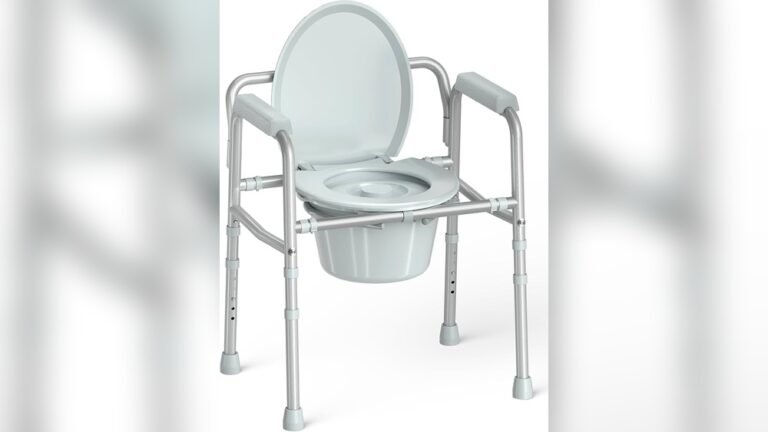
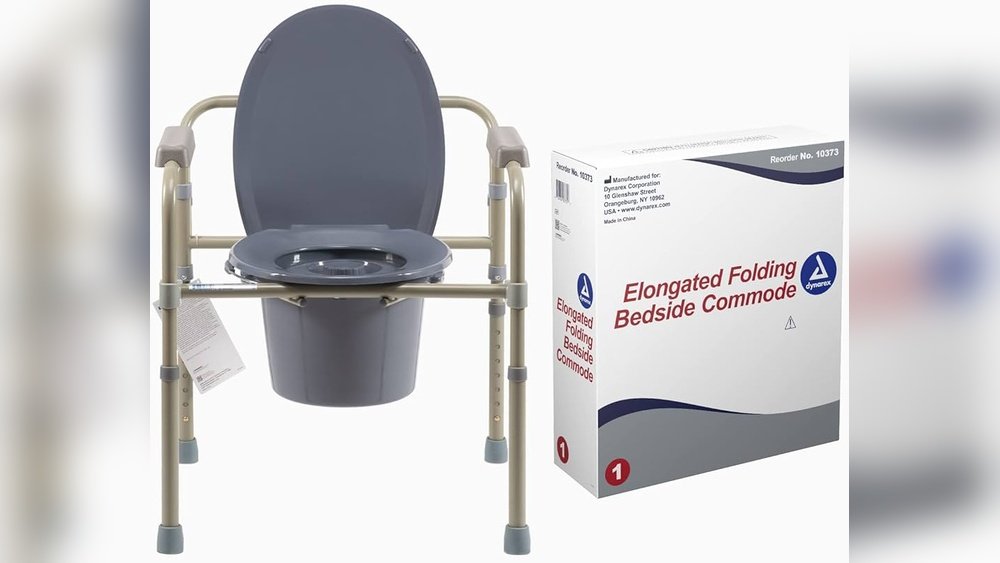
A commode is a movable chair with a toilet seat and a removable bucket or pan. It is mainly used indoors for people who can’t easily get to a bathroom. This includes seniors, patients after surgery, or those with disabilities.
Key features:
- A sturdy frame (usually metal or plastic)
- Comfortable seat and armrests
- Removable waste bucket
- Some have wheels for easy movement
- May include a splash guard or lid
A commode is not just for emergencies—it can be a daily solution for those with limited mobility.
Main Differences: Portable Toilet Vs Commode
Let’s look at how these two options compare in key areas:
| Feature | Portable Toilet | Commode |
|---|---|---|
| Primary Use | Outdoor, travel, events | Indoor, home health care |
| Portability | High (for outdoor use) | Moderate (for room-to-room use) |
| Odor Control | Usually has sealing and chemicals | Minimal, unless covered |
| Cleaning | Needs emptying, can be messy | Bucket is easy to remove and clean |
| Comfort | Basic, some padded seats | Often padded, with arm/foot support |
When To Choose A Portable Toilet
A portable toilet shines in outdoor and travel situations. Here are some times you’ll want one:
1. Camping Trips
Public camp toilets are often dirty or far away. A portable toilet means privacy and hygiene, right at your tent.
2. Road Trips
Finding a restroom on highways can be tough. Portable toilets are a lifesaver for families, especially with kids or seniors.
3. Boat Or Rv Use
On boats or RVs without built-in toilets, a portable unit gives you freedom to travel anywhere.
4. Festivals And Outdoor Events
Lines for public toilets can be long. Portable toilets offer a personal option.
5. Construction Sites
Workers need quick, clean access. That’s why you see portable toilets at almost every site.
6. Emergency Preparedness
Natural disasters can cut off water and power. Having a portable toilet in your kit is a smart move.
Pros Of Portable Toilets
- Very mobile—easy to carry and set up
- Privacy—use it almost anywhere, indoors or outdoors
- Odor control—with chemicals and sealing lids
- Large waste tanks—less frequent emptying for some models
Cons Of Portable Toilets
- Can be bulky (especially full-sized ones)
- Cleaning can be unpleasant
- Chemicals may be needed and cost extra
- Not as stable as a commode for those with balance problems
When To Choose A Commode
A commode is a great help for anyone with limited mobility, or those who cannot use a standard bathroom easily.
You should consider a commode if:
1. Caring For The Elderly
Seniors with weak legs or balance problems can use a commode next to their bed.
2. Post-surgery Recovery
After hip, knee, or back surgery, walking to the bathroom can be risky. A commode reduces falls and pain.
3. Disabilities Or Injuries
People with chronic conditions like arthritis, stroke, or paralysis need safe and easy toilet access.
4. Temporary Illness
During recovery from an illness or injury, a commode adds comfort and independence.
5. Assisted Living
Many nursing homes and care facilities use commodes for residents who can’t reach the bathroom.
Pros Of Commodes
- Stable and safe—designed for those with mobility challenges
- Comfortable—often padded with arm and back support
- Easy to clean—bucket removes for quick emptying
- Can double as a raised toilet seat—some fit over standard toilets
Cons Of Commodes
- Not ideal for outdoor or travel use
- Limited odor control compared to portable toilets
- Must be cleaned after every use
- Takes up space in small rooms
Key Factors To Consider Before You Choose
Many buyers focus only on price or looks. But these are not the most important factors. Here’s what actually matters:
1. Where Will You Use It?
If you need a toilet for outdoor activities, choose a portable toilet. For home or bedside use, a commode is usually better.
2. Who Will Use It?
- Seniors, patients, or those with disabilities need safety. Commodes are designed for this.
- For families, children, or group travel, portable toilets are more flexible.
3. Waste Disposal
Portable toilets often use chemicals and sealed tanks, which means less smell but more involved cleaning. Commodes have open buckets—easy to empty, but less odor control.
4. Size And Storage
Some portable toilets are compact; others are large and heavy. Check the dimensions and weight before buying. Commodes are usually lighter, but take up more room indoors.
5. Comfort And Stability
People recovering from surgery or those with balance issues need sturdy seats and armrests. Commodes offer these. Portable toilets focus on basic function and may not be as comfortable.
6. Maintenance
Think about how often you will clean the unit. Some models have features that make cleaning easier, such as splash guards or liners.
7. Price And Value
Portable toilets range from $30 (basic bucket style) to $150 or more (flush models). Commodes range from $40 to $120. Consider not just price, but how well the model fits your needs.
Common Mistakes To Avoid
- Choosing a portable toilet for long-term home use (commode is better)
- Buying a commode without checking the seat height or weight limit
- Forgetting about cleaning and odor control
- Picking the cheapest model without checking real reviews

Credit: www.amazon.com
Real-world Examples
Let’s look at how different people use these products:
- Anna, 75, Hip Surgery
Anna’s family bought a padded commode. She could use it at night without walking far, which lowered her risk of falling.
- Jason, Camper
Jason camps every summer. He uses a portable toilet with a 5-gallon tank and lid. He says it saves time and avoids dirty public bathrooms.
- Maya, New Mom
Maya travels with her toddler. She keeps a basic portable toilet in the car for emergencies. No more stress on long drives.
- Home Nurse in Florida
The nurse uses a commode with wheels for a stroke patient. It fits over the regular toilet or can be moved to the bedroom.
Detailed Comparison: Features Side By Side
Here’s a quick look at the top features for each option:
| Feature | Portable Toilet | Commode |
|---|---|---|
| Best For | Outdoor use, travel | Indoor, bedside, mobility issues |
| Waste Disposal | Sealed tank, chemicals | Open bucket, liner optional |
| Cleaning | Moderate effort, chemicals needed | Easy bucket removal, basic cleaning |
| Comfort | Basic seat, some padded | Padded, armrests, adjustable height |
| Cost | $30–$150 | $40–$120 |

Credit: carex.com
How To Clean And Maintain Each
Portable Toilet Cleaning
- Wear gloves.
- Open the tank and pour out waste at a proper dump station.
- Rinse the tank with water.
- Add new chemicals if needed.
- Wipe the seat and lid with disinfectant.
Tip: Use disposable liners for easier cleaning. Always read your local waste disposal rules.
Commode Cleaning
- Remove the bucket carefully.
- Pour waste into the toilet.
- Wash the bucket with soap and water.
- Dry and replace the bucket.
- Clean the seat and armrests with a disinfectant wipe.
Tip: Use absorbent pads or liners for less mess. Clean daily to prevent odors.
Two Insights Most People Miss
1. Seat Height And Armrest Position Matter
Many buyers forget to check if the seat is high enough for easy standing. Some commodes and portable toilets have adjustable heights, which is a big help for seniors or people with knee pain.
2. Check Local Waste Disposal Laws
Not all places let you dump portable toilet waste anywhere. Some parks and cities have strict rules. Always check before you buy, or you could face fines.
Recommendations: Which One Is Right For You?
- If you need a toilet for travel, camping, or emergencies, pick a portable toilet. Look for models with good odor control and a sturdy seat.
- If you need a toilet for bedside or home health care, choose a commode. Get one with padded arms, a sturdy frame, and a removable bucket.
Still not sure? Ask your doctor or nurse for advice. They can suggest what’s best for your medical or family needs.
For more on this topic, you can read the guide on Portable Toilets (Wikipedia).
Frequently Asked Questions
What Is The Main Difference Between A Portable Toilet And A Commode?
A portable toilet is best for outdoor use and travel. It is designed to be moved and used anywhere, with a sealed waste tank. A commode is for indoor use, mainly for people with mobility problems. It has a simple bucket for easy cleaning.
Which Is Easier To Clean: Portable Toilet Or Commode?
A commode is usually easier to clean. You just remove and wash the bucket. Portable toilets may need chemicals and have bigger tanks, which can be harder to empty.
Can You Use A Commode Outdoors?
You can use a commode outdoors, but it is not designed for this. There is little odor control, and it may not be stable on grass or uneven ground. Portable toilets are better for outdoor use.
Are Portable Toilets Safe For Seniors?
Portable toilets are safe, but they are not as stable as commodes. Seniors or people with balance problems may prefer a commode, which has armrests and a sturdy frame.
Do I Need Special Chemicals For A Portable Toilet?
Yes, most portable toilets work best with special chemicals. These help control odor and break down waste. You can buy these at camping or outdoor stores.
Choosing between a portable toilet and a commode is all about your needs. Think about where you’ll use it, who will use it, and how easy it is to clean. With the right choice, you’ll have peace of mind and comfort—no matter where you are.

Credit: www.medurahealthcare.com